Guide: Choosing Pipe Elbows for Low-Turbulence Flow
To choose the correct pipe elbows for low-turbulence flow systems, you need to know how these important fittings affect the flow of fluids in industrial pipe networks. The right choice of elbow lowers pressure drops, saves energy, and makes systems last longer while keeping them working efficiently. Choosing between different elbow shapes, including angles, curves, and materials, has a direct effect on the amount of noise and how well the system works as a whole. Procurement experts can improve flow characteristics, keep project costs low, and ensure long-term dependability by looking at key design factors and matching them to the needs of a particular application.
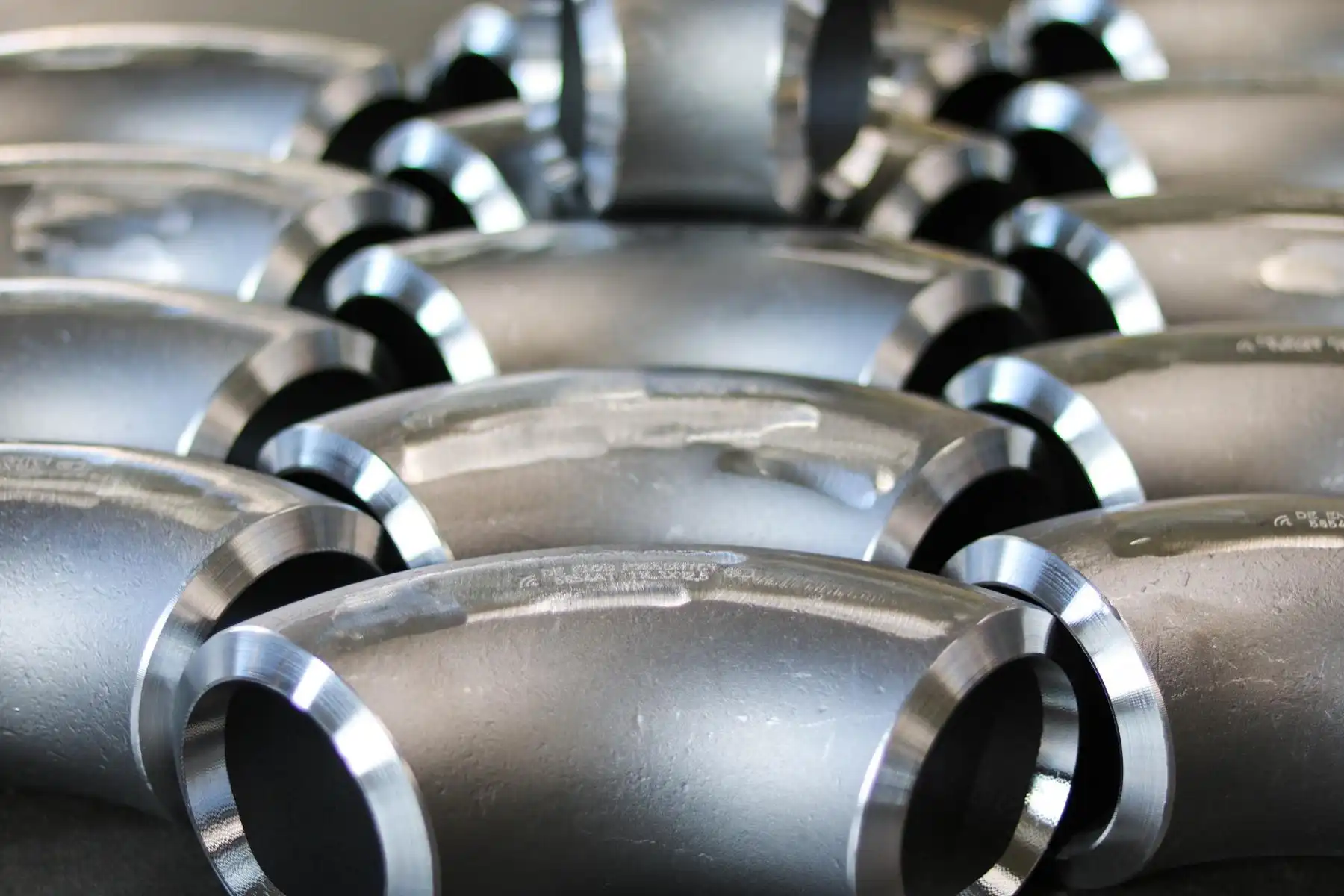
Understanding Pipe Elbows and Their Impact on Flow
Directional fittings are very important for industrial pipe systems because they help them deal with complicated routing requirements while keeping the best fluid flow properties. Because these parts are where the flow direction changes, how they are designed and what materials they are made of are very important to how well the system works.
The Role of Elbows in Piping Systems
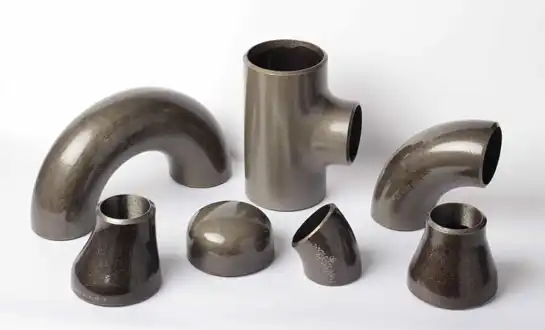
Pipe elbows change the direction of fluids moving through industrial piping systems by following predefined flow paths. Standard designs include 45-degree and 90-degree angles, but for certain uses, 22.5-degree angles are needed for smooth changes in direction. The physical shape of these parts has a big impact on how the flow speeds and pressures change throughout the system. Carbon steel butt-weld 90-degree elbows are typically manufactured from seamless or welded pipes using hot-forming processes to achieve the final geometry. This way of making things makes sure that the measurements are correct and that the material stays intact under practical pressures. Seamless construction generally provides higher structural strength and pressure resistance compared with welded fittings, especially in high-pressure applications.
Material Selection and Flow Dynamics
In elbow uses, the choice of material affects both the mechanical performance and the flow properties. For normal industrial uses, carbon steel options offer great value for money, while stainless steel options offer better protection to corrosion in harsh settings. The quality of the internal surface finish affects how the boundary layer forms and then creates turbulence as the fluids move from one way to another. Precision manufacturing using hot-forming and heat treatment methods makes sure that the dimensions are kept very close to each other and that the inside surfaces are smooth, which keeps the flow as smooth as possible. Certified goods that meet Russian and international quality standards give buyers trust and help many different industry sectors meet global compliance requirements.
Key Criteria for Selecting Pipe Elbows to Minimize Turbulence
For elbow selection to go well, many technical and practical factors that affect flow performance must be carefully considered. The selection process evaluates fluid properties, system operating parameters, and spatial limitations to determine the optimal fitting arrangements.
Radius-to-Diameter Ratios
The relationship between the elbow radius and the pipe width is the most important thing for controlling turbulence. Long radius elbows have centerline radii that are 1.5 times the nominal pipe size (NPS). This makes changes in direction more gradual and keeps the flow traits of laminar flow. Short radius designs use a centerline radius equal to 1.0 times the nominal pipe size (NPS), which makes installations smaller but raises the amount of noise and pressure drops. Space limitations often force the choice of radius, but the better flow performance of long radius designs often makes plan changes worth it. Less pressure loss directly leads to lower energy costs over the life of the system. This makes long radius elbows economically appealing, even though they cost more at first and take up more room.
Angle Considerations and Flow Impact
Turbulence is directly related to the size of the direction change, which makes angle selection very important for optimizing flow. While 90-degree turns work for most routing needs, adding several 45-degree bends can lower total pressure losses in systems that have enough room for installation. The distributed directed change method cuts down on flow separation and secondary circulation patterns that waste energy. Different needs are met in chemical processes, oil and gas, and water treatment, depending on the qualities of the fluids and the operating pressures. If you change the direction of viscous fluids slowly, they work better, but if you use low-viscosity fluids, you can use tighter angles without losing much performance.
Certification and Compliance Standards
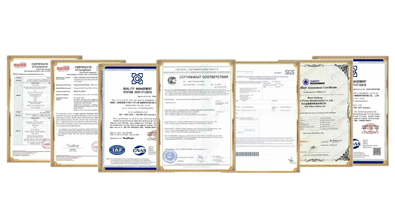
Quality certifications make sure that products are reliable and make buying things clearer across foreign supply lines. GOST standards define dimensional requirements and tolerances for certain pipe fittings. Third-party inspection services from organizations such as SGS add additional quality verification for export shipments.
Comparing Elbow Types for Optimal Low-Turbulence Performance
Depending on application requirements and spatial limitations, different types of pipe elbows each offer unique benefits. Knowing these performance traits helps you make smart selection choices that balance flow optimization with real-world application concerns.
Seamless vs. Welded Construction
Seamless elbows generally provide more uniform wall thickness and smooth internal surfaces, which can support reliable performance in high-pressure systems. The production process gets rid of any breaks that could cause turbulence and makes sure that the fitting has the same mechanical qualities all the way through. Seamless design is especially good for high-pressure systems because it makes the structure stronger and the flow smoother. Welded options are cheaper in low-pressure situations where the small loss in flow performance is still acceptable. Modern welding methods reduce the number of flaws on the inside surface, but seamless choices still work better in high-stress flow situations where reducing turbulence is worth the extra cost.
Standard vs. Custom Solutions
Catalog elbows can be used in most common situations because they are made with tried-and-true designs that match efficiency with cost-effectiveness. These standard goods are available right away and have performance qualities that can be predicted based on a lot of testing and field experience. Standard elbows are good for big projects with regular needs because they can be bought in bulk and save money. Custom elbow designs are used to solve specific route problems or meet performance needs that aren't met by standard products. Customized options can make the best radius-to-diameter ratios for certain flow situations or work with odd room limitations by changing the geometries. Customization adds to lead times and costs, but in important applications, the efficiency benefits may be worth it. As part of the review process, instant availability is weighed against the chance of better performance through custom designs. This balance is usually affected by project deadlines and budgets. Standard goods are better for tight schedules, while performance-critical setups should only use custom solutions.
Practical Guide for Procurement and Installation of Low-Turbulence Pipe Elbows
To do a good job of procuring things, you need to carefully consider each seller and write clear specifications that take into account both technical needs and business concerns. The buying process should find a good mix between the quality of the product, the reliability of delivery, and the ability to provide long-term assistance.
Supplier Evaluation and Product Certification
Manufacturers with a good reputation give a lot of information about their products, like material certificates, measurement inspection reports, material test reports, and non-destructive testing records. If a company has ISO 9001:2015 certification, it means they have strong quality management systems that support consistent production standards and methods for continuous growth. Traceability documentation helps with the checking of quality and meeting legal standards in many different industry settings. Global producers give affordable prices and can ship goods all over the world, which meets the needs of international projects. Well-established supply lines make projects more reliable during the execution phases, when sticking to the plan has a direct effect on the project's overall success. Long-term relationship success is also affected by how stable a supplier's finances are and how well they can help with technology issues.
Installation Best Practices
When you install an elbow the right way, you protect its performance traits and make sure the joint stays solid throughout its working lifecycle. To maintain a smooth internal surface and precise dimensions, the butt-welding process for pipe elbows requires exact alignment and strictly controlled heat input. When qualified welders follow standard methods, placement errors that could affect flow performance are kept to a minimum. A pre-installation inspection checks the dimensions and state of the surface, as well as looking for any damage from transport that needs to be fixed. After installation, testing makes sure that the joints are strong and that the system works the way it was supposed to. Documenting the installation steps and test results helps make sure the guarantee is followed and gives repair workers a place to start when they need to do more work.
Case Studies and Industry Best Practices
For achieving low-turbulence flow goals, real-world examples show how important it is to choose and place elbows correctly. Using these cases, we can see how technical factors can lead to working benefits in various business areas.
Oil and Gas Applications
Offshore production sites need efficient flow systems that keep pressure losses to a minimum and can handle harsh environmental conditions. In a recent project in the North Sea, 15% less energy was used by replacing short radius elbows with long radius elbows in key flow lines. The money spent on high-quality parts paid for itself in 18 months because the system was more reliable, and pumping costs went down. The project requirements stressed the importance of seamless building and improved material qualities to deal with high operating pressures and corrosive production fluids. Thorough supplier qualification guaranteed product reliability, and open bids kept cost control goals in check.
Water Treatment Infrastructure
Optimization of piping configurations that lessen the need for pumping results in lower energy use at municipal water treatment plants. In the southeast of the United States, new long radius elbows were used to replace old infrastructure. This cut system pressure losses by 22%. Because it was more efficient, it was possible to raise output without adding more pumping equipment. The materials used were chosen based on their ability to fight corrosion and last for a long time so that the building would need less upkeep over its operating lifecycle. Standardized specs made it easier to buy things and made sure that they would be the same during all stages of installation.
Common Pitfalls and Prevention Strategies
Most of the time, performance drops in systems that were built well to begin with because of mistakes made during installation. When you misalign something while welding, it makes the inside of the surface uneven, which causes turbulence and makes pressure loss worse. With the right tools and experienced workers, these risks can be kept to a minimum while still ensuring consistent installation quality. If the materials of the elbows and the pipes next to them don't match, galvanic corrosion can occur, which is bad for long-term stability. Using compatible materials and following the right fitting steps can help avoid these problems and make sure the design lasts for a long time.
Conclusion
To choose pipe elbows for low-turbulence flow, you have to balance scientific performance with realistic application factors like cost, schedule, and installation limitations. Long radius designs offer the best flow features, and seamless construction provides better performance in tough situations. When choosing materials, they should be right for the job and support long-term dependability goals. Strategic procurement ensures consistent product quality and supplier reliability, while meticulous installation practices preserve the elbow's low-turbulence performance characteristics throughout its entire operating lifecycle.
FAQ
1. What determines the optimal radius for pipe elbows in low-turbulence applications?
The best radius relies on how much room is available and how much pressure loss is reasonable. When compared to short radius options, long radius elbows with centerline radii that are 1.5 times the nominal pipe size (NPS) have the best flow features and lower turbulence by up to 40%. Applications with limited space may need small radius designs, but the higher pressure losses should be taken into account when figuring out how much energy is used.
2. How do seamless elbows compare to welded versions for turbulence reduction?
Seamless elbows have better flow performance because their internal surfaces are all the same, and there are no internal weld seams that could disturb the flow. The smooth bore keeps the flow patterns constant and gets rid of any places where it might break under high pressure. Welded elbows are cheaper at first, but seamless elbows are more valuable in the long run for important flow uses.
3. What certifications should I look for when procuring pipe elbows?
Check for ISO 9001:2015 quality management certification, material approvals that match the needs of your product, and proof of pressure testing. For foreign uses, GOST guidelines give detailed instructions, and third-party inspection from organizations such as SGS adds additional quality verification for projects meant to be exported. Having the right paperwork makes sure that you're following the rules and supports guarantee claims.
Partner with RAYOUNG for Superior Pipe Elbow Solutions
RAYOUNG makes pipe elbows that are precisely designed to meet strict quality standards and improve flow performance in a wide range of industrial settings. We offer a wide range of products, such as butt weld fittings made from carbon steel and stainless steel. These are made using advanced hot-forming techniques that guarantee accurate measurements and smooth inside surfaces. We are a reliable provider of pipe elbows, and our GOST-R and SGS approvals show that we are dedicated to meeting international quality standards and export laws.
Our expert team helps you choose the best elbow setups that reduce turbulence and keep project costs low by giving you personalized support for complex pipe system needs. Large-scale buying needs are met by EPC contractors, distributors, and industry end users thanks to reliable global shipping and bulk price choices. Get in touch with our experts at info@hb-steel.com to talk about your unique needs and find out how our approved low-turbulence pipe elbows can improve the performance and efficiency of your system.
References
1. American Society of Mechanical Engineers. "Pipeline Transportation Systems for Liquids and Slurries." ASME B31.4-2019 Standard for Pipeline Transportation Systems.
2. Crane Company Technical Manual. "Flow of Fluids Through Valves, Fittings, and Pipe." Crane Co. Engineering Division, Technical Paper No. 410M.
3. International Organization for Standardization. "Steel Butt-Welding Pipe Fittings for Petroleum and Natural Gas Industries." Steel butt-welding pipe fitting standards such as ASME B16.9.
4. Miller, Donald S. "Internal Flow Systems: Design and Performance Prediction." Gulf Professional Publishing, Second Edition.
5. Shashi Menon, E. "Piping Calculations Manual." McGraw-Hill Professional Engineering Series, Industrial Applications Edition.
6. White, Frank M. "Fluid Mechanics in Chemical Engineering." McGraw-Hill Series in Mechanical Engineering, Seventh Edition.

Need a quote? Want to see samples? Just say hello. We’re friendly. We’re fast. And we’re ready when you are.
Welcome to RAYOUNG – Strong Pipes, Stronger Promise