Seamless Pipes vs LSAW — Which for Heavy Pipelines
When looking at pipeline options for heavy industrial uses, the choice between seamless vs. LSAW pipes is a big one that affects the performance, safety, and long-term costs of the project. Because they don't have any welds, seamless pipes have better structural stability. This makes them perfect for high-pressure uses in oil and gas transportation systems. When installing things with a big diameter, LSAW (Longitudinal Submerged Arc Welded) pipes are a safe and cost-effective way to do it. When procurement managers know about these basic differences, they can choose the best pipe type for each project based on its needs, pressure ratings, and price.
Introduction
For heavy pipeline jobs, you need materials that will last for decades and be reliable and cost-effective. For B2B procurement managers, engineers, and industry wholesalers, choosing the right pipe type is a critical decision that directly impacts the project's success and its long-term performance. In this detailed guide, the differences between seamless and LSAW pipes are made clear. The guide also includes technical information and smart buying tips. By understanding these important differences, professionals can make choices that improve pipeline performance while also meeting business needs and staying within budget. The information given is tailored to the special needs of heavy industry areas in the United States, such as power plants, chemical processing plants, and oil and gas transmission lines. By looking at how pipes are made, how well they work, and what they can be used for, decision-makers can be sure that the pipes they choose will meet quality standards and project deadlines. Pipes used in modern industry need to be able to handle high pressures, corrosive conditions, and changes in temperature while still remaining structurally sound over long service lives. It depends on the needs of the application, but both seamless and LSAW pipes have their own benefits. Making an informed choice is important for project efficiency.
Understanding Seamless and LSAW Pipes: Key Differences and Manufacturing Processes
Manufacturing Fundamentals
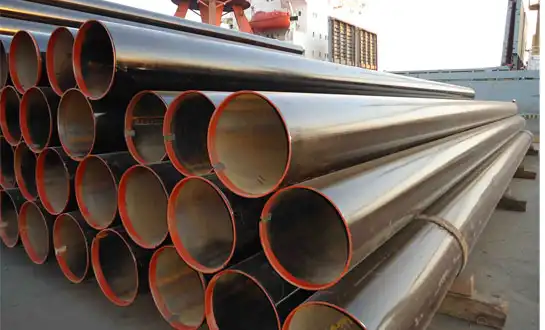
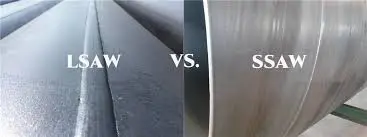
Seamless and LSAW pipes are made in very different ways and have very different structural qualities as a result. Through hot extrusion and rotary piercing, solid steel billets are turned into seamless pipes with an even spread of material that doesn't need to be joined with welds. This way of making things gets rid of the weak spots that can happen at welding seams. This makes the walls of the pipe structure uniformly thick and improves corrosion resistance. To start the seamless production process, steel billets are heated to about 1200°C and then pierced to make the first hollow shape. After that, rolling and drawing are done to get the end sizes while keeping the material uniform. Due to machine limitations, this method naturally limits the diameters of pipes that can be used, but it makes pipes that can handle a lot of pressure.
LSAW Manufacturing Process
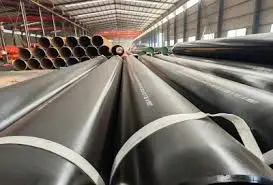
A different method is used to make LSAW pipes. Steel plates are bent, and lengthwise welds are made using submerged arc welding technology. This method lets makers make pipes with bigger diameters at reasonable prices while still keeping the structural integrity needed for most heavy pipeline uses. In the LSAW process, steel plates are bent into cylinder forms and then carefully welded together to make seams that are strong and reliable. Automated tools are used in the welding process to make sure that the quality and depth of the weld are always the same. During production, advanced checking methods like ultrasonic tests and X-rays check the integrity of the welds. Large-diameter pipes are often needed in transmission pipelines and industrial distribution systems. This way of making things makes it possible to make them cheaply.
Material Composition and Properties
When evaluating seamless vs. LSAW pipes, you will find that the steel grades used for both manufacturing types are often quite similar. The amount of carbon and alloying elements chosen depends on the needs of the application. Because of how they are made, seamless pipes usually have a more regular grain structure. LSAW pipes, on the other hand, may have small differences in the heat-affected area next to the weld seam. The tensile strength, yield strength, and wear resistance of a material are all affected by these differences. The two types have different levels of corrosion resistance, but seamless pipes have the same level of resistance all the way through. Weld zone safety is very important for LSAW pipes, especially in corrosive settings where corrosion may occur in the weld seam or heat-affected zone (HAZ) in aggressive environments. These things can be taken care of well with the right choice of materials and protective coats.
Seamless vs LSAW Pipes: Performance Comparison for Heavy Pipelines
Pressure Resistance and Structural Integrity
For big pipeline uses, performance is judged by how strong it is, how well it can handle pressure, and how reliable it is over time while it's being used. Seamless pipes usually have better strength-to-weight ratios and work best in high-pressure situations like oil and gas transmission lines, where the working pressure is higher than 1000 psi. Since there are no weld seams, there are no possible weak spots that could form under cyclic loads. When used in mild to high-pressure situations, LSAW pipes work very well and are much cheaper for installations with a large diameter. Modern quality control and welding methods make sure that the strength of the weld is comparable to the strength of the base material. This makes joints that are reliable and can handle large amounts of pressure. These pipes are often used in transmission systems designed for medium-to-high pressure applications, depending on wall thickness and steel grade.
Weight and Installation Considerations
Installation factors have a big effect on project prices and schedules, especially for big pipeline projects. When compared to LSAW pipes of the same length, seamless pipes usually weigh less per unit length. This makes them easier to move and install. But because of limits on diameter, high-capacity uses may need more than one parallel run, which could cancel out the weight benefits. LSAW pipes can fit bigger sizes in a single installation, which makes system design easier and cuts down on the number of fittings that need to be used. Even though separate pieces might be heavier than seamless options, the total weight of the system usually goes down because there are fewer parts. Installation crews, like those of LSAW pipes, offer standard ways to handle them and uniform joint setups.
Fatigue Resistance and Service Life
For pipeline uses that experience changes in pressure, long-term success under cyclic loading situations is very important. Seamless pipes are better at resisting fatigue because their structure is more regular and there are no stress clusters caused by welds. People who work in places where pressure or temperature changes often will find this benefit especially useful. Through controlled weld geometry and stress release processes, LSAW pipes are made in a way that addresses fatigue issues. Modern production standards make sure that pipelines have enough fatigue life for most uses, but seamless pipes still perform better in extreme cycle circumstances.
Procurement Insights: How to Buy Seamless and LSAW Pipes for Heavy Pipelines
Supplier Evaluation and Quality Assurance
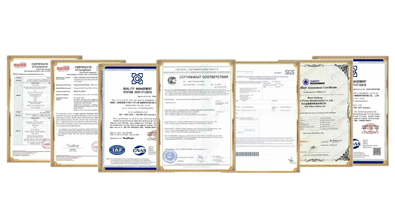
To do effective procurement, you need to buy from reliable makers whose goods are certified and meet the needs of the project and the rules. Buyers must rigorously verify supplier qualifications, ensuring they hold ISO 9001:2015 certification, possess the necessary API approvals, and maintain comprehensive, documented quality management systems. RAYOUNG keeps a lot of certifications, like GOST-R and SGS export compliance validation, to make sure that their goods meet foreign standards. Quality proof includes more than just licenses. It also looks at how the supplier makes things, where they test them, and how they keep an eye on quality. Site checks and supplier evaluations are useful ways to find out how consistent production is and how well quality assurance is working. The results of procurement are better when you work with suppliers who are committed to ongoing growth and expert help.
Bulk Ordering Strategies
Large-scale pipeline projects can benefit from smart bulk buying methods that keep materials available and keep costs low. When you buy materials affects the price, and changes in the price of steel commodities affect the costs of both seamless and LSAW pipes. For big projects with long lead times, procurement managers should keep an eye on market trends and think about forward purchasing contracts. Logistics planning is very important for large orders, especially when shipping plans need to be managed across multiple project stages. Suppliers who offer flexible shipping choices and inventory management services can make projects a lot easier to handle. Clear information about the specs of the materials, the testing standards, and the delivery dates keeps costs down and makes sure the materials get there on time.
Documentation and Compliance
For pipeline projects, detailed paperwork is needed, like test results for materials, certifications, and records of how they were made. Suppliers must give full paperwork packages that show the project follows all the rules and codes that apply, like ASME B31.4, B31.8, and API specs. Electronic document management systems make it easier to handle paperwork and meet reporting standards. For international projects to meet local regulations, they may need more certificates and inspection services. Suppliers with a lot of experience know what these standards are and can help with the project approval process by providing the right paperwork and review services.
Making the Right Choice: Which Pipe Type Fits Your Pipeline Needs?
Application-Specific Selection Criteria
Before choosing between seamless and LSAW pipes, you need to carefully look at the details of your project, such as the pressure needs, working temperatures, corrosion conditions, and space limitations for fitting. Seamless pipes are usually better for high-pressure uses above 1000 psi because they are stronger and don't wear down easily. Transmission pipelines that work at mild pressures often benefit from the lower cost and wider range of LSAW pipes. The environment affects the choice of material, and situations that are corrosive need stronger protection methods. Because their structure is regular, seamless pipes work better in corrosive settings than LSAW pipes, which need extra care to protect the weld zone. For both types of pipes, these problems can be fixed with the right sealing methods and cathodic protection.
Economic Considerations
Cost optimization means weighing the original prices of materials against the expected long-term costs of running the business, such as repairs and replacements. Even though seamless pipes usually cost more at first, their longer service life and lower upkeep needs may make the extra cost worth it in serious situations. LSAW pipes have instant cost advantages that help projects with limited funds without sacrificing performance in the right situations. A life-cycle cost study should look at how much it will cost to build, fix, and replace things over the course of the project's expected lifetime. Even though they cost more at first, seamless pipes may be better for projects that can't get to them for maintenance. On the other hand, LSAW pipes can work well in situations where they can be accessed for maintenance regularly with proper inspection and monitoring programs.
Technical Support and Service
The professional support that a supplier offers affects the long-term success of a project by helping with planning, fixing problems, and providing ongoing service support. RAYOUNG offers full professional support throughout the lifetime of a project, including engineering advice, help with choosing materials, and support for field service. This knowledge helps choose the best materials and solves any technical problems that come up during installation and use.
Conclusion
The decision between seamless vs. LSAW pipes is based on a balance of performance needs, cost considerations, and application-specific factors. Seamless pipes are more expensive than other types of pipes, but they are worth it because they are stronger and less likely to break under high pressure. LSAW pipes are a cheap way to place things with a large diameter that still meet the performance standards needed for most heavy pipeline uses. Both choices are important parts of modern pipeline infrastructure as long as they are properly matched to the needs of the application and the conditions of operation.
FAQ
1. What are the main advantages of seamless pipes over LSAW pipes?
Because they aren't welded together, seamless pipes have better structural stability. They can handle higher pressures and last longer without wearing out. They have consistent material qualities throughout their construction and work great in situations with pressures above 1000 psi. The even grain structure and lack of heat-affected zones make the material more resistant to corrosion and help it last longer in harsh settings.
2. How do manufacturing methods affect pipe durability and performance?
The ways pipes are made have a big effect on their properties and how well they work. Seamless pipes go through hot forming processes that make the material spread evenly and get rid of the need for welds. This makes the strength properties consistent. LSAW pipes use controlled welding methods, automatic tools, and thorough testing to make sure that the weld strength matches or exceeds the properties of the base material. This ensures that the pipes will work reliably in the right situations.
3. Are custom sizes and grades available for both pipe types?
Within the limits of production, both seamless and LSAW pipes can be made to fit special needs. Seamless pipes come in a wide range of sizes, from very small to very large (up to 24 inches in diameter), and come in different wall thicknesses and steel grades. LSAW pipes give you more options when it comes to big diameters (up to 60 inches or more), custom wall thicknesses, and different types of steel to meet the needs of your project.
Partner with RAYOUNG for Your Pipeline Solutions
RAYOUNG is ready to support your large-scale pipeline projects with a comprehensive range of premium seamless and LSAW pipes engineered for demanding industrial applications. If you are currently evaluating seamless vs. LSAW pipes for your specific project, our skilled engineering team is available to provide expert consultation. For competitive bulk pricing, detailed technical specifications, and highly reliable logistics solutions, email our experts at info@hb-steel.com. As a trusted and certified manufacturer of industrial steel pipes, we deliver quality-assured products backed by ISO 9001:2015, GOST-R, and SGS certifications, ensuring exceptional support throughout the entire lifecycle of your project.
References
1. American Petroleum Institute. "API 5L Specification for Line Pipe." 46th Edition, 2018.
2. Zhang, L. et al. "Comparative Analysis of Seamless and Welded Steel Pipes in High-Pressure Applications." Journal of Pipeline Engineering, vol. 15, no. 3, 2019, pp. 45-62.
3. Johnson, R.M. "Manufacturing Processes and Quality Control in Modern Pipe Production." Industrial Materials Review, vol. 28, no. 7, 2020, pp. 112-128.
4. International Organization for Standardization. "ISO 3183: Petroleum and Natural Gas Industries - Steel Pipe for Pipeline Transportation Systems." 3rd Edition, 2019.
5. Smith, D.A. and Brown, K.L. "Economic Evaluation of Pipeline Materials: Life-Cycle Cost Analysis." Pipeline Economics Quarterly, vol. 42, no. 2, 2021, pp. 23-41.
6. European Pipeline Research Group. "Performance Standards for Heavy Pipeline Applications in Industrial Environments." Technical Report EPRG-2020-15, 2020.

Need a quote? Want to see samples? Just say hello. We’re friendly. We’re fast. And we’re ready when you are.
Welcome to RAYOUNG – Strong Pipes, Stronger Promise