Top Ways to Cut Cost Buying Industrial Flanges in SEA
When buying industrial flanges in Southeast Asia, you need to plan ahead to find the best mix between cost and effectiveness. Companies all over the region are under more and more pressure to get the most out of their procurement budgets while still meeting safety standards and project deadlines. Smart buyers know that the best way to lower flange costs is not to pick the cheapest choice but to use complete strategies that lower the total cost of ownership. Some of these strategies are understanding flange specifications, choosing the right materials, using regional seller networks, and avoiding common mistakes in buying that drive up project costs.
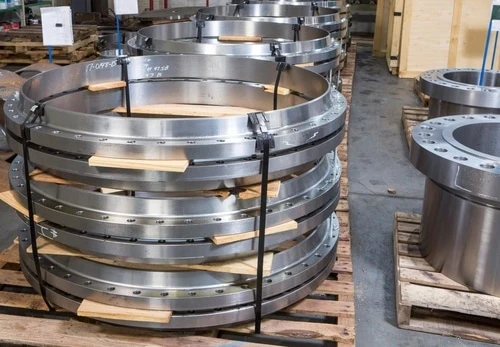
Understand Industrial Flange Basics to Avoid Overpaying
Master Flange Types and Their Applications
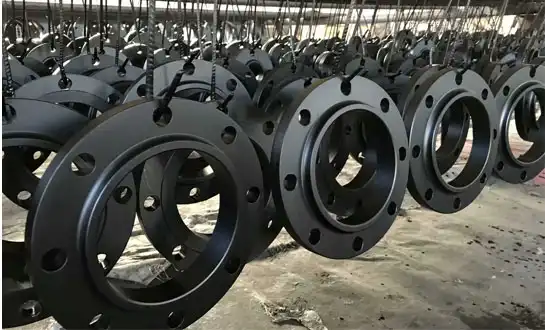
Knowing about the different flange setups keeps you from over-specifying, which can be expensive, and makes sure that the product works well for your needs. Weld neck flanges work well in high-pressure situations because their hubs are curved, which distributes stress evenly across the connection. These flanges are about 15–25% more expensive than slip-on options, but they offer better structural stability in tough situations.
Slip-on flanges are cheaper in low- to moderate-pressure systems because they are easier to install, which cuts down on labour costs. Because of how they're made, the pipe can slide through the flange bore, which makes welding easier and requires less-skilled work. When a pipeline ends or there is a need for repair access, blind flanges are used in certain situations. Threaded flanges, on the other hand, eliminate the need for welding in situations where fire hazards must be minimised.
Socket weld flanges are strong and cost-effective at the same time. They work especially well in smaller diameter situations where full-penetration welds aren't possible. Each type meets different practical needs, and choosing the right design based on what the system actually needs saves money that would have been spent on over-engineered solutions.
Navigate Critical Standards for Compliance and Cost Control
ANSI/ASME B16.5 standards are used for most projects in North America and many other countries. These standards have specific size requirements that affect how much things cost to make and how many are available. In SEA markets influenced by European engineering, DIN/EN standards remain the norm, while JIS standards are predominantly specified for Japanese-owned facilities and projects in the region. Knowing these standard differences helps buyers avoid problems with compatibility that require pricey repairs or replacements.
Pressure class grades are directly related to the cost of materials and the difficulty of making something. Class 150 flanges can handle working pressures up to approximately 285 psi at room temperature, depending on material and temperature conditions, and are suitable for most industrial uses. Class 300 and higher grades are more expensive because they require thicker materials and more complex machining. Many people who work in buying automatically request better ratings than are needed. This drives up costs by 30–50% without improving operations.
The specs for the face finish have a big effect on how well it seals and how well it works with gaskets. When normal gasket materials are used, raised face (RF) configurations provide reliable sealing, while flat face (FF) configurations work with certain equipment connections. Ring-type joint (RTJ) facings provide superior sealing performance in high-pressure applications, but they need special seals that make upkeep more expensive.
Compare Flange Types and Materials for Cost Efficiency
Carbon Steel vs. Stainless Steel Economic Analysis
Carbon steel industrial flanges are often 40–60% less expensive than stainless steel ones of the same size, which makes them a good choice for jobs that need to stay within a budget. ASTM A105 carbon steel has great strength and is good for most industrial uses. It also has good corrosion protection when it is properly protected. However, the tropical temperature and high humidity in SEA can speed up corrosion in carbon steel sites that aren't covered.
304L and 316L types of stainless steel are very good at resisting corrosion without the need for extra coatings. This could mean lower long-term upkeep costs. In places like coastal environments, chemical processing plants, and food-grade settings where pollution risks are higher than cost concerns, stainless steel flanges are often worth the extra money they cost at first.
Hot-dip galvanising protects carbon steel plates from rust well, but it typically adds approximately 10–15% to the base material cost, depending on specifications and market conditions. This protective layer makes things last a lot longer in damp places, so you don't have to use expensive stainless steel materials as much and stay within your budget.
Installation and Maintenance Cost Considerations
Weld neck flanges are harder to install because they have more steps, but they last longer and distribute stress better. The longer fitting time usually adds 20–30% to labour costs compared to slip-on options, but the longer durability often makes this investment worth it in serious situations. The right way to put something together makes sure it works perfectly and stops it from breaking down too soon, which would require expensive emergency repairs.
Slip-on flanges make installation easier because they require less complex welding, so they can be put together faster. Their design allows for welding by people with less experience, which can reduce labour costs, as they require less welding skill compared to weld neck flanges. But because of how they are built, they can't be used in high-stress situations where failure would cost more than the original saves.
With threaded flanges, you don't have to weld anything at all, which cuts down on installation costs and fire risks in some places. To keep these connections from leaking, the threads must be carefully prepared, and the right sealants must be used. However, the fact that they are replaceable makes upkeep and equipment changes easier without having to cut anything.
Leverage Regional Procurement Strategies to Maximise Savings
Identify Reliable Suppliers with Proper Certifications
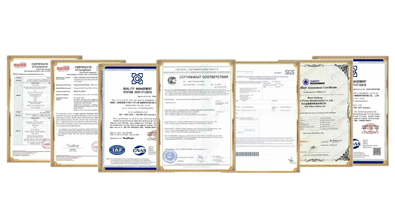
Manufacturers of flanges that have been around for a while in Southeast Asia usually offer affordable prices while still meeting international quality standards. Suppliers who have ISO 9001:2015 approval have shown that they are committed to quality control systems that make sure products have the same qualities. Validating chemical makeup and mechanical qualities, material test certificates (MTCs) are needed for many industrial uses because they provide tracking evidence.
CNC-machined sealing surfaces have very accurate measurements that make sure the gasket compresses properly, and the system works without leaks. This way of making things lowers the chance that the seals will fail, which can lead to expensive shutdowns and safety problems. To compete with makers from other countries, many local sellers are now buying high-tech machining tools.
Some of the benefits of regional buying are lower shipping costs, shorter wait times, and easier logistics planning. When compared to foreign sources that are far away, local sellers often offer more flexible payment terms and quick technical help. But sellers need to make sure that local providers keep up with the certifications and quality standards that are needed for their specific uses.
Optimise Order Timing and Quantities
When used for multiple projects or long periods of time, bulk purchasing can reduce unit costs, typically in the range of 10–25%, depending on order size and supplier terms. Many sellers offer discounts for buying in bulk at certain levels of quantity. This makes it beneficial to combine orders when warehouse space and cash flow allow. Knowing the minimum order amounts helps buyers plan their purchases so that they get the most out of any discounts that are offered.
Managing lead times keeps you from having to pay rush fees, which can significantly increase procurement costs depending on urgency and availability. When you plan your purchases ahead of time, providers can make the most of their production schedules and offer better prices. When buyers need to buy something quickly, they often have to accept higher prices from sources with lots of goods.
Demand fluctuations can affect industrial flange prices across SEA markets. During some times of the year, rates are better because there is less competition in the market. Knowing about these cycles helps buyers time their purchases to get the best deals on industrial flanges and make sure they have enough product for their projects.
Optimise Flange Specifications to Align Performance and Cost
Right-Size Pressure Ratings and Dimensions
Selecting the right pressure grade keeps you from over-specifying, which raises costs without improving performance. Class 150 flanges are suitable for many general industrial applications, but automatically specifying Class 300 or higher grades can make material costs double for no reason. The right rating is chosen by engineering analysis of the real working conditions, such as changes in temperature and pressure.
The correctness of the measurements ensures that the new tools will fit properly with the old ones and prevent the need for expensive changes during installation. When it comes to pipe schedule compatibility, flange bore sizes and hub configurations are affected. If they don't match, extra connections or machining processes are needed. When you use the right measuring tools and write down clear specifications, you can avoid buying mistakes that cause projects to take longer and cost more.
Face-to-face measurements affect how the whole system is laid out and may change how complicated the pipe route is. By understanding these connections during the planning process, you can avoid interference problems that need pricey changes to the field or replacement of parts.
Gasket Selection Impact on Total Cost of Ownership
Choosing the right gasket affects how well the system seals and how often it needs to be maintained over its lifetime. Compressed fibre gaskets are a cheap way to seal normal uses, but spiral wound gaskets work better when the temperature or pressure is higher. RTJ gaskets close better than other types, but they need to be handled carefully, and the flange face needs to be machined precisely.
Temperature changes and chemical interaction affect how long a gasket lasts and how often it needs to be replaced. By choosing gasket materials that are right for the service conditions, you can avoid early failures that require unexpected repair. Most of the time, the cost of emergency shutdowns is higher than the savings in gasket material from choosing the wrong option.
Different types of gaskets and flange configurations have different installation pressure requirements, which could change how things are put together and how quality control is done. Proper training makes sure that fitting methods are always the same, which improves seal performance and stops leaks.
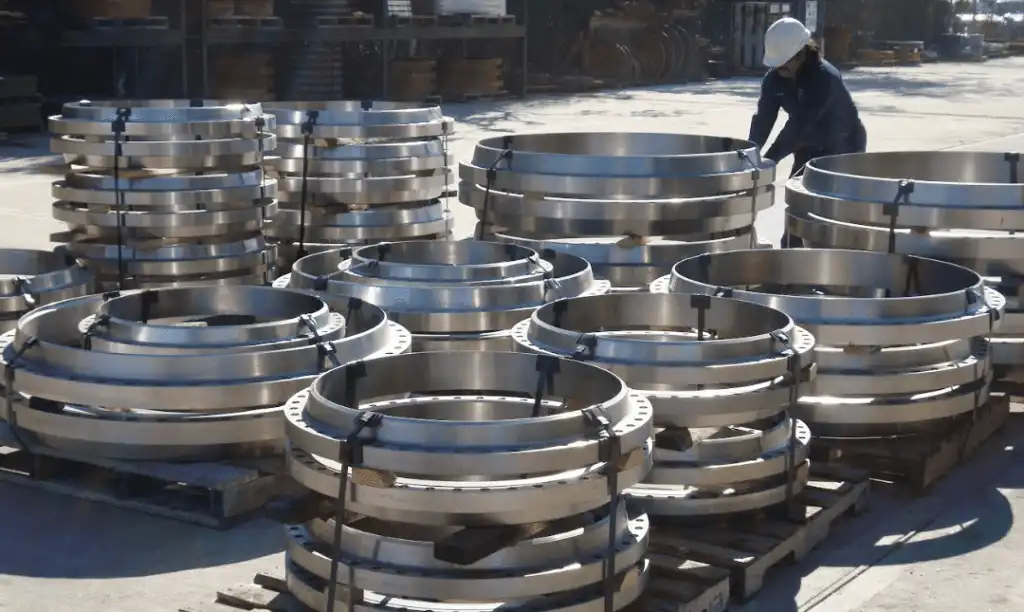
Avoid Common Pitfalls That Increase Industrial Flange Procurement Costs
Prevent Over-Specification and Compatibility Issues
Many buyers automatically specify higher-grade materials, elevated pressure classes, or dimensional tolerances beyond what the application actually requires, driving up costs without providing any practical benefits.An engineering review of the real service conditions helps find ways to improve standards while still leaving enough safety margins. When compared to options that are the right size, overly conservative methods can make buying costs 50–100% higher.
Checking for compatibility stops expensive delays in installation and changes made in the field. To make sure of the right assembly, the flange cutting patterns, bolt hole sizes, and face configurations must match the interfaces of other pieces of equipment. When dimension mismatches are found during installation, they usually need expensive fast purchases or custom machining services.
Standard verification makes sure that parts are available and that prices from different sources are fair. Specifications that aren't standard make it harder to find suppliers and usually cost more because they have to be made in a certain way. Knowing the common standards in a certain area helps buyers make sure their specs are best for the local market.
Quality Verification and Certification Requirements
Verification of certification keeps buyers safe from low-quality goods that might break down early or pose a safety risk. Certifications from API, ASTM, and ASME show that the materials and manufacturing methods meet well-known standards in the business. In competitive markets, fake or non-compliant goods are common, so verifying the seller is important for the project to succeed.
Material tracking paperwork makes sure that people are held accountable and lets quality investigations happen when problems arise. Full MTC paperwork includes chemical analyses, mechanical test results, and production records that show the product meets the standards. In many places, this paperwork is necessary for insurance claims and following the rules.
Third-party testing services can check the quality of a product before it is shipped. This lowers the chance of getting damaged materials that slow down projects. Even though inspection costs money, that money is usually a small part of what could be lost if parts that aren't up to par cause delays in the project or machine problems.
Conclusion
For strategic flange procurement in Southeast Asia, it's important to find the best balance of a number of things so that costs are kept as low as possible without affecting practical reliability. It is possible to save a lot of money by learning about flange basics, comparing different types of materials, using area supply networks, and avoiding common mistakes. Specification best practices, quality checks, and managing relationships with suppliers all play a part in successful buying results that meet project budget and timeline needs. These all-around methods help buyers lower their overall costs while still meeting the high standards of safety and efficiency needed for industrial activities.
FAQ
1. What are the main cost differences between carbon steel and stainless steel flanges?
Most of the time, carbon steel flanges are 40–60% cheaper than stainless steel ones. But stainless steel is better at resisting rust, which could lower long-term upkeep costs in humid SEA settings. Hot-dip galvanising can fill this gap by protecting carbon steel from rust for an extra 10 to 15 per cent of the cost.
2. How do ANSI, DIN, and JIS standards affect flange pricing?
Different standards affect how much it costs to make things and how many are available in different places.
ANSI/ASME standards dominate most international projects, while DIN/EN standards are common in European-influenced markets. JIS standards are typically required for Japanese-engineered facilities. Selecting the appropriate standard heavily influences supplier availability and overall pricing.
3. What certification requirements should buyers verify when purchasing flanges?
For quality control, ISO 9001:2015 is an important certification. For products and production, API, ASTM, and ASME compliance are also important. Material test certificates (MTCs) are proof of tracking that is needed in business settings. Before a package goes out, compliance can be checked by third-party inspection services.
4. How can bulk purchasing strategies reduce flange procurement costs?
At certain quantity levels, volume prices usually run from 15% to 25%. You can get these savings by combining orders from different projects or over longer periods of time. Knowing the minimum order amounts and regular patterns of demand helps you choose the best time to buy things to save the most money.
5. What are the hidden costs of over-specifying flange pressure ratings?
It is possible for over-specification to raise costs by 30 to 50 per cent without improving operations. Higher-pressure classes need thicker materials and better machining, so they cost more. The right rating is chosen by doing a proper engineering study of the real working conditions while keeping safety margins.
Partner with RAYOUNG for Cost-Effective Industrial Flange Solutions
RAYOUNG provides comprehensive industrial piping solutions designed to optimize your procurement budget without compromising on reliability. Our ANSI, DIN, and JIS standard flanges feature CNC-machined sealing surfaces, complete MTC traceability, and optional hot-dip galvanizing for superior corrosion resistance. As a trusted, ISO 9001:2015 certified and SGS-validated manufacturer of industrial flanges, we understand the critical balance between system performance and cost-effectiveness. Get in touch with our knowledgeable staff at info@hb-steel.com to talk about your unique project needs and find out how our low prices and reliable delivery services can help your SEA operations.
References
1. "Industrial Flange Procurement Strategies for Southeast Asian Markets," Volume 2023, Issue 1, Journal of Industrial Engineering and Management.
2. Smith, J.R., "Cost Optimisation in Industrial Piping Systems: A Comprehensive Analysis," Industrial Procurement Quarterly, Vol. 45, 2023.
3. South East Asian Industrial Standards Institute, "Material Selection Guidelines for Tropical Industrial Environments," 2023.
4. "Quality Assurance in Global Flange Manufacturing: Standards and Certifications," by L.M. Chen, was published in the International Manufacturing Review in 2023.
5. "Regional Supplier Network Analysis: SEA Industrial Components Market," published in the 2023 issue of the Industrial Supply Chain Management Journal.
6. "Corrosion Protection Strategies for Industrial Flanges in High-Humidity Environments," Materials Engineering International, 2023.

Need a quote? Want to see samples? Just say hello. We’re friendly. We’re fast. And we’re ready when you are.
Welcome to RAYOUNG – Strong Pipes, Stronger Promise