Seamless vs Welded: Inspection & Test Differences
The inspection and testing procedures for seamless vs welded pipes represent basic differences that have a direct impact on project safety, compliance, and cost management across industry applications. Because seamless pipes are manufactured with a uniform structure, they can go through a single structural analysis. But welded pipes need extra care to make sure the welds are strong, which is done using modern non-destructive testing methods. When procurement professionals understand these differences, they can make choices that meet practical needs, legal requirements, and budgetary limits in their supply chain management processes.
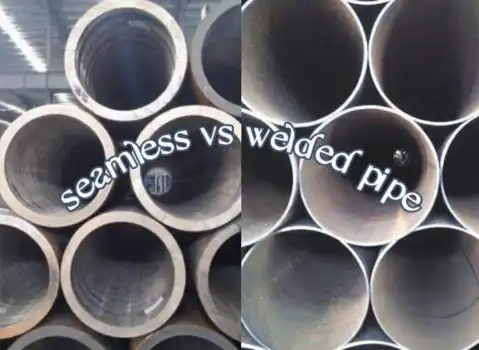
Understanding Seamless and Welded Pipes
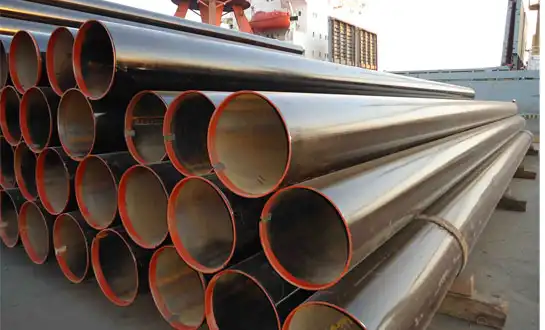
The different steps used to make something give it its own unique properties that change how it should be tested and inspected. Seamless pipes are manufactured without joints using processes such as hot extrusion or cold drawing. The walls of the pipes will be the same thickness, and the material will be the same all the way through the pipe body. This uniformity improves performance and simplifies the quality inspection process.
Manufacturing Process Impact on Structural Integrity
Electric Resistance Welding (ERW), Submerged Arc Welding (SAW), and other fusion techniques are used to manufacture welded pipes by joining steel plates or strips. These ways heat up areas along the weld lines so they are different mechanically from the base material. During welding, stress concentration areas may be created that require targeted inspection to ensure proper performance.
Things are made in different ways, which changes how strong they are and how likely they are to break. When you use seamless pipes, you don't have to worry about weld joints breaking because the grain structure stays the same. Welded pipes, on the other hand, are less expensive because they are made more quickly, but they need more quality control checks at the gaps.
Material Properties and Application Considerations
These types of pipes can withstand different pressure levels because their structures are different. Without joints, pipes can handle higher pressures and changes in temperature better. This makes them perfect for use in power plants, factories, and transportation systems with high pressures. While welded pipes perform well under low to moderate pressure, they are more cost-effective for large-diameter systems.
Inspection & Testing Methods of Seamless vs. Welded Pipes
Both seamless and welded pipes must meet strict industry standards, such as ASTM, API, and ISO requirements, backed by thorough quality assurance processes. These testing schedules take into account the different ways that each manufacturing method is vulnerable while keeping safety and performance standards the same across all industry uses.
Non-Destructive Testing Protocols for Seamless Pipes
The main goal of seamless pipe inspection is to find flaws in the production process, like holes, laminations, and changes in size that can happen during the extrusion process. Ultrasonic testing finds flaws inside the pipe wall that are spread out across its thickness, while eddy current testing finds surface cracks and changes in the material's properties. Hydrostatic testing verifies the pressure integrity of the pipe under specified test conditions.
Because seamless pipes have a uniform structure, these testing methods can find all defects without having to deal with weld zones. Radiographic testing (X-ray) identifies internal defects and density variations in the material, and a dimensional check makes sure that the diameter, wall thickness, and length standards are met.
Specialised Testing Requirements for Welded Pipes
Welded pipe inspection methods include extra tests that check the soundness of the weld seam and the qualities of the heat-affected zones (HAZ). Using Phased Array Ultrasonic Testing (PAUT), you can get a full picture of the seam's weld depth, fusion quality, and any possible flaws along its entire length. Radiographic testing reveals internal weld defects such as porosity, slag inclusions, and lack of fusion.
Welded pipe inspection is more complex because both the base material and the weld joint must be evaluated. Magnetic particle inspection finds flaws on the surface and close to the surface of ferromagnetic materials. Dye penetrant testing, on the other hand, finds surface breaks in non-magnetic alloys. These detailed procedures make sure that the quality of the weld meets operating needs and find weak spots before they are installed.
Certification and Compliance Standards
Both types of pipes have to meet strict third-party approval standards that prove the quality of production and testing. Mill Test Certificates (MTC) list the chemical composition, mechanical qualities, and inspection results. They give buying teams important traceability information for project paperwork and following the rules.
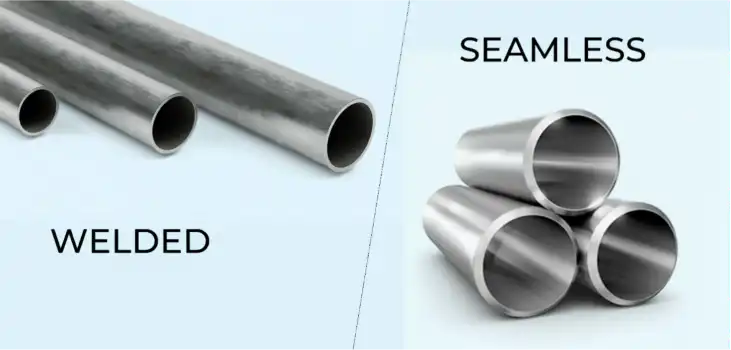
Comparing Seamless and Welded Pipes: Inspection & Test Differences
Quality assurance procedures show that each type of pipe has its own unique pros and cons that affect choices about what to buy and how to plan a project. Knowing these differences helps you make smart decisions about total costs, how often you need to check, and how well you expect the system to work in the long run.
Defect Detection Efficiency and Reliability
Seamless lines make it easier to find flaws because they have a uniform structure and don't have any weld joins that could hide internal breaks. This structure uniformity makes non-destructive testing more accurate and lowers the chance of flaws going unnoticed that could threaten operational safety. When compared to welded pipe inspection methods, testing techniques are generally less complex compared to welded pipe inspection.
Welded pipes are hard to check at the seam surfaces because different metallurgical zones create complicated electromagnetic and acoustic signals. Defects can be found with the help of advanced testing tools and specialised operator training. However, the more complex the weld analysis, the longer and more expensive the checking process becomes.
Cost and Time Considerations
The inspection costs show that pipe types are very different, which has an effect on project budgets and delivery times. Here are the most important economic factors that affect choices about what to buy:
- Testing Equipment Needed: Ultrasonic and X-ray machines can be used on seamless pipes, but welded pipes need special phased array systems and advanced imaging technology, which make inspections more expensive.
- Operator Training and Certification: To check welded pipes, technicians need to be certified in advanced weld evaluation methods. This means that labour costs will be higher and schedules may be limited.
- Length of Inspection: Full weld seam analysis takes longer than checking seamless pipes with equal structural evaluation.
- Rejection and Rework Rates: Welded pipes usually have higher rejection rates because of flaws in the weld, which means that new materials and schedule changes need to be planned for.
These economic factors show that welded pipes may have lower starting material costs, but the total investment in quality assurance may offset the initial cost advantages, based on the project requirements and acceptance standards.
Performance Validation and Long-term Reliability
Different testing methods offer various levels of performance confirmation that affect the costs and frequency of care over time. When comparing seamless vs welded pipes, seamless pipes behave more predictably during stress tests due to their uniform, monolithic structure.This makes it possible to accurately predict their service life and plan for upkeep. Welded pipes require periodic inspection of weld integrity during service, especially in high-stress situations where fatigue cycling could weaken the joint's trustworthiness.
Decision-Making Guide: Choosing Between Seamless and Welded Pipes
Strategic pipe selection involves a thorough analysis of operating needs, inspection capabilities, and overall cost effects that go beyond the original cost of materials. This method for analysis helps buying teams make sure that technical requirements are met within the budget while still leaving enough room for error and following all the rules.
Application-Specific Performance Requirements
Seamless pipe building and easier inspection procedures are helpful for critical uses that need the highest level of reliability. The extra money spent is worth it for high-pressure transportation systems, chemical processing plants, and power plants because they improve safety and need less upkeep. The uniform structure keeps working the same way even when temperatures and pressures change, which can be hard on welded joints.
For moderate-pressure uses, welded pipes can work well as long as thorough inspection processes confirm the quality of the weld and its fit for the job. Water delivery systems, structural uses, and low-pressure process lines are all low-cost places where welded pipes can be used without lowering safety or performance standards.
Total Cost of Ownership Analysis
A full cost analysis takes into account the prices of materials, the costs of inspections, the needs for installation, and the upkeep that needs to be done over time. While seamless pipes cost more to buy at first, they may be easier to check and have lower long-term upkeep costs. Welded lines are cheaper up front, but they may not be worth it in the long run because they need to be tested more often and have their soundness checked more often.
Working with Trusted Suppliers for Quality Assurance
Partnering with suppliers is an important part of making sure that quality is always the same, that testing paperwork is complete, and that deliveries are always on time, all of which are important for the success of a project. Established companies with a proven track record ensure that all inspection methods strictly meet industry standards. Furthermore, they offer expert technical support for specific engineering needs, such as guiding your decision when evaluating seamless vs welded pipes for your particular application.
Certification and Quality Management Systems
Suppliers with a good reputation keep their ISO 9001:2015 certification and use full quality management systems to make sure that the manufacturing processes are always the same and that testing methods are followed carefully. These quality frameworks give procurement teams faith that goods will meet specific needs and perform as expected for as long as they are in use.
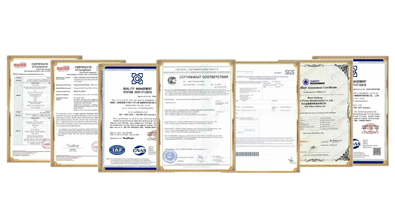
This dedication to quality is shown by RAYOUNG's GOST-R and SGS certificates, which prove that they meet export standards and production standards. Our quality management system makes sure that every product goes through strict testing procedures before it is shipped. We also give our customers full paperwork and records of where the products came from, which helps them meet project and regulatory requirements.
Technical Support and Customisation Capabilities
Suppliers with a lot of experience can help you choose the best pipes for your needs and make sure that the testing procedures match the needs of the project. This collaborative method lets testing methods, document forms, and delivery dates be changed to fit specific needs. This helps with the smooth running of projects and reduces risks.
Conclusion
The differences in checking and testing between seamless and welded pipes have a big effect on purchasing choices, the costs of quality control, and the long-term dependability of industrial uses. When it comes to important uses, seamless pipes are easier to test and have consistent structural features. On the other hand, welded pipes are cheaper for moderate-pressure systems when a full weld inspection confirms quality standards. Knowing these differences helps you make smart choices that balance performance goals, price limitations, and the need to follow regulations throughout the procurement process.
FAQ
1. How do manufacturing processes affect inspection requirements for seamless vs. welded pipes?
Different ways of making things give structures unique properties that decide the right way to study them. Because seamless pipes have a similar structure, they need to be tested in the same way all the way through, looking for production flaws like inclusions and differences in size. Welded pipes need special care at the weld seams, which can be done with advanced methods such as phased array ultrasound tests and x-rays of heat-affected areas.
2. What are some of the most common problems with smooth pipes compared to welded pipes?
Seamless pipes often have flaws caused by the manufacturing process, like defects, laminations, and changes in size from the extrusion process. There are more problems with welded pipes, such as lack of fusion, porosity, slag spots, and heat-affected zone embrittlement at the joints where the pipes were welded. Because of these different types of defects, inspection methods and acceptance standards need to be adjusted.
3. Are welded pipes suitable for high-pressure applications compared to seamless alternatives?
Welded pipes can be used in high-pressure situations as long as they pass strict quality standards and thorough testing. However, seamless lines can usually handle more pressure because their structure is more regular and there aren't any weak spots at the weld joints. What kind of application it works best for depends on the pressure needs, safety concerns, and checking skills.
Partner with RAYOUNG for Premium Seamless vs Welded Pipes Solutions
RAYOUNG offers complete pipe solutions that are backed by strict testing standards and quality certifications that can handle the toughest industrial needs. Our wide choice of products includes both seamless and welded options, along with full testing paperwork that helps procurement teams choose the best solutions for their needs. As a reliable manufacturer of both seamless and welded pipes, we deliver ISO 9001:2015 certified products, fully backed by GOST-R and SGS validation to guarantee uncompromised compliance and dependability. Email our technical team at info@hb-steel.com to talk about the details of your project and find out how our focus on quality can help you succeed in your purchase.
References
1. American Society for Testing and Materials. "Standard Specification for Seamless Carbon Steel Pipe for High-Temperature Service." ASTM International, 2023.
2. International Organization for Standardization. "Steel Tubes - Technical Delivery Conditions - Part 1: Non-alloy and Alloy Steel Tubes with Specified Room Temperature Properties." ISO 3183, 2022.
3. American Petroleum Institute. "Specification for Line Pipe: API 5L." 46th Edition, API Publishing Services, 2023.
4. British Standards Institution. "Steel Tubes for Pressure Purposes - Technical Delivery Conditions - Part 2: Non-alloy and Alloy Steel Tubes with Specified Elevated Temperature Properties." BS EN 10216-2, 2023.
5. Johnson, R.M., and Thompson, K.L. "Non-Destructive Testing Methods for Industrial Piping Systems: A Comparative Analysis of Seamless and Welded Construction." Journal of Industrial Materials Testing, Vol. 45, No. 3, 2023.
6. Chen, W., Rodriguez, M., and Patel, S. "Quality Assurance Protocols in Modern Pipe Manufacturing: Inspection Standards and Best Practices." International Conference on Industrial Materials Engineering Proceedings, 2023.

Need a quote? Want to see samples? Just say hello. We’re friendly. We’re fast. And we’re ready when you are.
Welcome to RAYOUNG – Strong Pipes, Stronger Promise