Weld-Neck vs Slip-On: Which Minimizes Leakage Risk
When choosing between weld-neck and slip-on flanges for important pipe systems, the best way to lower the risk of leaks is to understand how they are designed differently. The structural stability and full-penetration welding powers of weld-neck flanges make them much less likely to leak. The design of the tapered hub makes a smooth transition that evenly distributes stress. Slip-on flanges, on the other hand, are cheap for low-pressure uses but have inherent weaknesses that can lead to misalignment and compromised seal integrity in harsh operating conditions.
Understanding Weld-Neck and Slip-On Flanges
Design Characteristics and Material Considerations
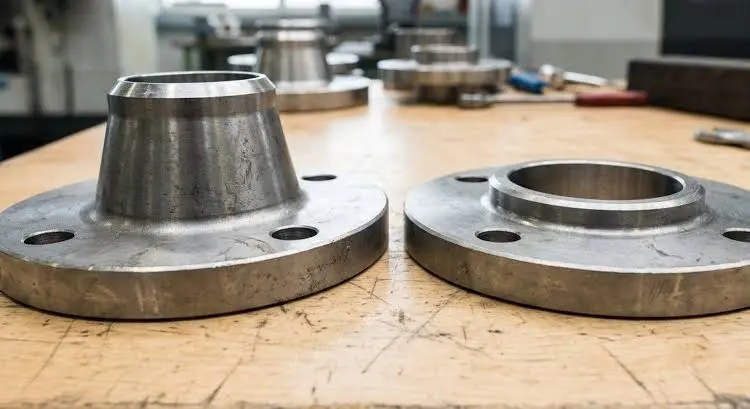
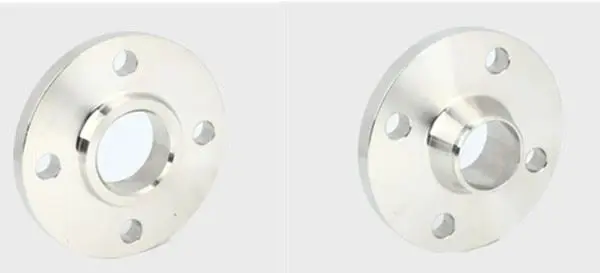
Weld-neck flanges are the best type of flange because they have a unique curved hub that sticks out from the flange ring and aligns with the inside diameter of the matching pipe. This complex design eliminates the internal ledge inherent in other flange types, creating a smooth bore transition that prevents flow erosion and turbulence. Forging methods with carbon steel, stainless steel, or special alloy materials are usually used to make these flanges, based on the needs of the application. The tapered profile of the hub serves a critical engineering purpose by gradually transferring mechanical loads from the flange face to the pipe wall, it does a great job of spreading stress. This design feature is especially useful in places with a lot of pressure and heat, where changes in pressure and temperature cause a lot of mechanical stress. The shape of the hub lets full-penetration butt welds happen, which makes a smooth joint that keeps the pipe's structural integrity along its length. Slip-on flanges, on the other hand, are designed in a way that makes fitting easier and saves money. These flanges fit over the outside diameter of the pipe, leaving a space between the flange hole and the inside diameter of the pipe. This design makes alignment easier and cuts down on installation time, but it also adds possible weak spots that could cause the system to fail in some situations.
Dimensional Standards and Manufacturing Specifications
Both types of flanges, including weld-neck and slip-on flanges, meet strict international standards, such as ASME B16.5, ASME B16.47, and DIN requirements. But because of design needs, their production tolerances are very different. Weld-neck flanges need precise hole matching to make sure they fit correctly with the joining pipe. This means that manufacturers have to keep a closer eye on the dimensions during the manufacturing process. For weld-neck flanges, the manufacturing specs list the hub length, taper angles, and welding preparation measurements that must be met. These factors have a direct effect on the flange's ability to reduce the chance of leaking by ensuring proper stress distribution and weld quality. The hub length is typically 1.5 to 3 times the nominal pipe wall thickness. This gives enough material for stress spread while keeping the weight in check.
Leakage Risk Factors in Weld-Neck vs Slip-On Flanges
Pressure and Temperature Vulnerability Analysis
There are many things that can cause flange joints to leak, but for procurement managers and engineers, the biggest worries are changes in pressure and temperature. The main difference between how it reacts to these situations decides which ones are best for which uses. Weld-neck flanges are better at stopping leaks caused by pressure because the material flows continuously from the pipe to the flange face. Since there are no internal breaks, there are no stress concentration points that usually happen in slip-on designs. The even spread of stress keeps the gasket from crushing or extruding under high pressure, so the seal stays intact during all operating cycles. Changing temperatures are another big problem for flange joints. When temperatures rise and fall, different parts of a flange move in different ways, which could affect how well the gasket works. Because they are made of a single piece, weld-neck flanges keep these effects to a minimum. This is because they don't allow for differential temperature expansion, which can cause seal failure.
Mechanical Stress Distribution Patterns
When practical loads are put on flange joints, the mechanical behavior shows big differences between slip-on and weld-neck designs. Finite element analysis (FEA) demonstrates that weld-neck flanges distribute stress far more evenly across the connection compared to slip-on designs, lowering peak stress levels that can lead to fatigue failure and leaks. There is a lot of stress in the weld areas of slip-on flanges, especially where the fillet weld ties the flange to the outside of the pipe. When there is repetitive pressure, these stress risers become a problem and could cause cracks to start and spread. Slip-on designs have a load path that breaks up at different points, which can lead to multiple failure modes that can weaken the system over time. Vibration-induced stress is another thing to think about when trying to stop leaks for both weld-neck and slip-on flanges. Weld-neck flanges are better at resisting wear in pipeline systems that are subject to mechanical vibration, temperature cycles, or pressure pulsations. The continuous material path and better stress distribution make it more resistant to wear caused by vibrations, which lowers the chance of long-term leaks.
Performance Comparison: Weld-Neck vs Slip-On Flange
Mechanical Strength and Pressure Handling Capabilities
The different types of flanges have different mechanical performance qualities that make them better for different kinds of applications. Weld-neck flanges work great in tough conditions where temperatures and pressures are higher than 400 degrees Fahrenheit and 600 pounds per square inch (PSI). The full-penetration weld connection makes a continuous load path from the pipe system through the flange connection, which gives it better structural stability.
Here are the main reasons why weld-neck flanges work better in high-pressure situations:
- Higher pressure ratings: weld-neck designs can handle pressure classes of up to 2500# and more, while slip-on flanges usually only work with 600#.
- Better resistance to fatigue: the continuous material path gets rid of stress concentration points that can cause cracks to form when the load is changed over time.
- Better structural reliability: full-penetration welding makes the joint properties uniform, so they match the properties of the base pipe material.
- Improved thermal performance: even heat spread stops localized thermal stress that can weaken seal integrity.
These improvements in performance directly lead to fewer repair needs and longer service lives for important pipe systems. In industries like petrochemical processing, power generation, and offshore oil and gas platforms, where system failure can have major safety and cost effects, the improved structural capability is very useful.
Installation and Maintenance Considerations
While weld-neck flanges offer superior long-term performance, slip-on designs are often preferred when rapid installation and lower initial costs are the primary objectives. Slip-on flanges' easier alignment process cuts down on installation time in the field. This is especially helpful for large-diameter pipe systems where exact fit-up can be hard. Another important thing to think about when planning for long-term operations is maintenance ease. Weld-neck flanges need the whole joint to be taken apart for maintenance or repair, but slip-on designs may let you do some maintenance without taking the whole joint apart. However, because weld-neck joints are more reliable, they usually need less upkeep, which makes up for the fact that they are harder to set up at first.
Practical Applications and Procurement Insights
Industry-Specific Application Guidelines
When choosing flange types for their pipe systems, different industries put different performance traits at the top of their lists. When buying, teams know about these application-specific needs, and they can make better sourcing choices based on business needs and safety concerns. Weld-neck flanges are usually required for important process lines in petrochemical and processing activities that handle dangerous materials at high temperatures and pressures. Environmental and safety rules in these businesses are very strict, and the leak-tight performance traits are in line with those rules. When there are process problems or emergencies, flange connections can be put through extreme operating conditions that are outside of their usual design parameters. This is why weld-neck designs are so important for safe operation. Similar problems arise in power plants, especially in steam service uses, where high temperatures and pressures make working conditions tough. The thermal cycling that happens during startup and shutdown puts more stress on flange joints, which is why weld-neck designs are better at resisting wear. For non-critical tasks where cost is more important than performance, water treatment and distribution systems often use slip-on flanges instead of weld-neck designs. Weld-neck flanges are being used more and more in key pump stations and major distribution lines to keep service interruptions to a minimum and lower long-term repair costs.
Sourcing Strategies and Supplier Evaluation Criteria
To successfully buy flange components, you need to carefully evaluate the skills of suppliers beyond just looking at price. To make sure that products always work well and that project risks are kept to a minimum, quality standards, manufacturing methods, and the dependability of the supply chain become very important. For industrial piping applications, comprehensive material traceability is mandatory. Certified sellers give full records of the materials used, how they were heated, and tests to make sure the sizes are correct. These quality control steps are especially important for weld-neck flanges because careful control of dimensions has a direct effect on how well they are installed and how well they work in the long run. Things that affect the reliability of the supply chain are managing wait times, making sure there is enough inventory, and being able to buy things quickly in a situation. Building ties with several qualified suppliers gives procurement teams the freedom to handle project plans and meet last-minute needs.
Conclusion
There is strong proof that weld-neck flanges are better at stopping leaks because of how they are built and how they are designed. Full-penetration welding, a continuous material path, and better stress distribution all work together to make a connection that stays strong even under tough operating circumstances. But the best choice between these types of flanges relies on the needs of the application, the available budget, and the practical objectives. Weld-neck flanges are necessary for high-pressure, high-temperature situations where stopping leaks is very important for safety and the environment. Their better resistance to fatigue and structural stability make up for the higher original cost by requiring less upkeep and lasting longer. For low-pressure uses where cost is more important than performance, slip-on flanges are still a good choice. When buying, however, procurement teams should carefully consider the total cost of ownership, which should include possible upkeep needs and limits on service life. Some important things to look for when buying something to lower the risk of leakage are compatibility with pressure ratings, choosing materials that will work in the area, and making sure the seller meets certification standards. Working with well-known manufacturers who can consistently show they can provide quality control and expert help guarantees that the product will work well for the whole time the system is in use.
FAQ
1. Can slip-on flanges be safely used in high-pressure applications?
Since they are made the way they are, slip-on flanges can only handle pressures of 600# or less. It is possible for them to work at higher pressures with the right engineering analysis, but their fillet weld joints and stress concentration points make them less reliable, so weld-neck flanges are better for tough jobs.
2. What materials are recommended for weld-neck flanges in corrosive environments?
For most chemical handling tasks, stainless steel grades 316 and 316L are very good at resisting corrosion. Duplex and super duplex metals, on the other hand, work better in harsh conditions. When choosing materials, you should think about the acidic media, temperature, and stress levels to make sure they work well and last a long time.
3. How frequently should flange connections be inspected for leakage?
How often you inspect relies on how the machine is used, the materials you choose, and the rules that apply. Critical uses usually need visual checks every three months and full checks once a year, which include checking the state of the gaskets and making sure the bolts are tight enough. Based on practical experience and failure mode analysis, service at high temperatures or with corrosives may need more frequent inspections.
Partner with RAYOUNG for Superior Flange Solutions
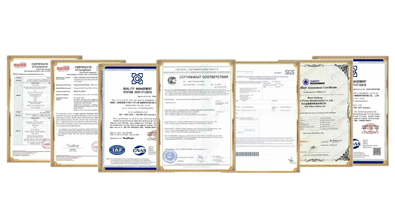
RAYOUNG stands as your trusted weld-neck and slip-on flanges supplier, delivering certified industrial pipe fittings that meet the most demanding leakage prevention requirements. Our wide range of products includes high-quality weld-neck and slip-on flanges that are made to meet ASME and international standards. They are backed by ISO 9001:2015 certification and strict quality control procedures. Get in touch with our technical team at info@hb-steel.com to talk about your unique needs and get expert advice on the best flanges to use for your important plumbing systems.
References
1. American Society of Mechanical Engineers. "ASME B16.5 - Pipe Flanges and Flanged Fittings: NPS 1/2 through NPS 24 Metric/Inch Standard." 2020.
2. Singh, R.K., and M. Kumar. "Stress Analysis and Fatigue Performance of Welded Flange Connections in High-Pressure Piping Systems." Journal of Pressure Vessel Technology, vol. 142, no. 3, 2020.
3. Peterson, L.M. "Comparative Study of Leakage Rates in Weld-Neck versus Slip-On Flange Connections Under Thermal Cycling Conditions." Process Safety and Environmental Protection, vol. 148, 2021.
4. International Organization for Standardization. "ISO 7005-1:2011 - Metallic Flanges - Method of Specifying Requirements for Flanges." Geneva: ISO Press, 2011.
5. Brown, T.J., and A.K. Thompson. "Material Selection and Performance Analysis for Flanged Connections in Corrosive Service Applications." Materials Performance, vol. 59, no. 8, 2020.
6. Wilson, D.R. "Economic Analysis of Total Cost of Ownership for Industrial Flange Selection in Petrochemical Applications." Chemical Engineering Progress, vol. 117, no. 4, 2021.

Need a quote? Want to see samples? Just say hello. We’re friendly. We’re fast. And we’re ready when you are.
Welcome to RAYOUNG – Strong Pipes, Stronger Promise