long radius and short radius elbow Differences Explained
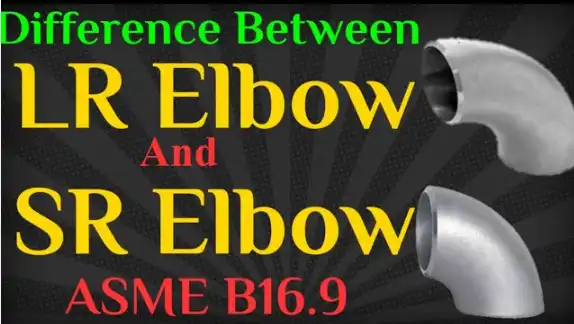
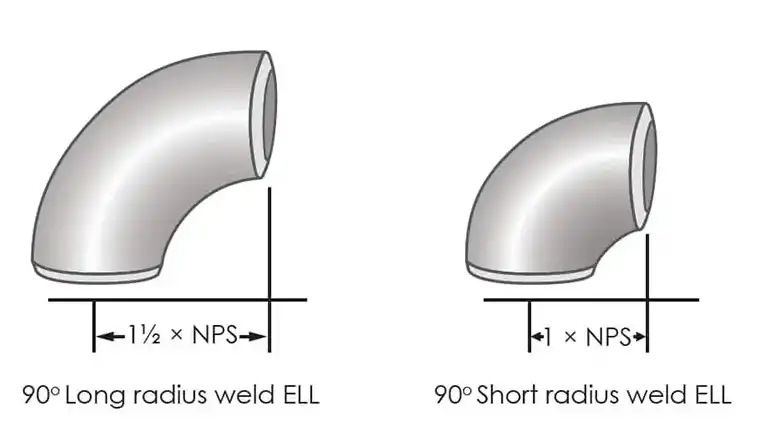
To understand the main differences between long radius and short radius elbows, you need to start with their basic shapes. A long radius elbow has a centerline radius of curve that is 1.5 times the standard pipe diameter (R=1.5D). A short-radius elbow, on the other hand, has a radius that is the same as the pipe diameter (R=1D). This difference in dimensions has a direct effect on flow characteristics, pressure dynamics, and overall system layout flexibility. Both designs allow pipe networks to change directions, but they perform very differently in terms of pressure drop rates, turbulence generation, and space needs, all of which have a big effect on how well the system works and how much it costs to run.
Introduction
Elbow pipe fittings are important parts of industrial plumbing systems because they allow fluid flow to go in different directions for a variety of uses. When the success of a project rests on improving system performance, keeping costs low, and ensuring long-term dependability, it's important to know the differences between long-radius and short-radius designs. There is more and more pressure on procurement workers to keep project risks to a minimum while still meeting strict deadlines and safety standards.
This complete guide explains the technical and practical differences between these two types of elbows, giving you useful information that will help you make a smart purchase choice. We look at the certification needs, size standards, fluid dynamics, and material details that are most important to EPC contractors, wholesalers, engineering firms, government projects, and industry end users. We give you the knowledge to easily handle complicated specification requirements by going over definitions, technical comparisons, selection criteria, buying strategies, and best practices for installation.
Whether you're in charge of big infrastructure projects or small stockist businesses, this resource will help you with your main concerns: lowering the total cost of ownership, avoiding downtime, ensuring regulatory compliance, and building relationships with reliable suppliers who provide consistent quality.
What Are Long-Radius and Short-Radius Elbows? Key Definitions and Applications
Understanding Long-Radius Elbows
Long radius elbows have a bending radius that is 1.5 times the standard pipe size. This makes a gradual curve that makes fluid changes smoother. This extended shape cuts down on friction losses and turbulence, which makes these fits especially useful in situations where steady flow rates are important. Industries that deal with thick fluids, large flow rates, or delicate chemical processes usually ask for long-radius setups to keep system efficiency and lower energy use over time.
Defining Short Radius Elbows
Because the bending radius of a short radius elbow is equal to the nominal diameter of the pipe, it can accommodate sharper direction changes in confined spaces. This tighter curve naturally leads to higher pressure drops and more turbulence than their long-radius peers. But these flaws are fair trade-offs when there isn't enough room for installation, there are problems with the structure, or money is tight. Short-radius elbows are frequently used in retrofit projects, confined plant settings, and cost-sensitive uses to change the flow direction without making major system changes.
Material Specifications and Pressure Ratings
Both types of elbows (long radius and short radius elbows) can be made from a variety of materials depending on the working conditions. Different types of carbon steel are used in general industry settings where middling corrosion resistance is enough. Stainless steel grades, on the other hand, are used in chemical processing, food production, and pharmaceutical settings where better hygiene and rust protection are needed. Specialty alloys, such as duplex stainless steel, nickel alloys, and chrome-moly compositions, can handle high pressure, harsh chemicals, and temperatures that are higher than what most materials can handle.
Pressure values are very different depending on the material used, the width of the walls, and the way the product was made. Dimensional tolerances and pressure ratings are governed by ASME B16.9 standards. This makes sure that all foreign supply chains are compatible. These standards help procurement teams make sure that the parts they choose meet the design parameters for the system while still leaving enough room for error.
Technical Comparison Between Long Radius and Short Radius Elbows
Dimensional and Structural Variations
The difference in centerline radius between long-radius and short-radius elbows has been measured to have effects on the total size and weight of the fitting. Long radius bends need longer installation lengths, which changes how pipes are laid out and where support structures are placed. This longer shape spreads bending loads more evenly across the fitting body, lowering the number of stress concentration points that could weaken the structure under repeated loading. Short-radius elbows take up less linear room, but focus stresses within tighter curves. This means that wall thickness requirements and material strength standards need to be carefully thought through.
Fluid Dynamics and Pressure Loss Characteristics
Flow behavior at pipe elbows is directly related to the radius of curvature, which leads to changes that can be measured in terms of pressure drop and turbulence strength. Long radius elbows usually exhibit significantly lower pressure loss—often in the range of 20 to 50 percent less than short radius fittings of the same size, depending on flow conditions. This means that long-term pumping processes use less energy. This performance edge is especially important in systems that change directions more than once, where the total pressure losses have a big effect on how well they work and how much power they use.
Patterns of turbulence are very different depending on the arrangement. Long radius elbows have a gentle bend that keeps the flow more laminar. This lowers the chance of fitting internal erosion of the fitting and keeps particles from settling in slurry applications. Short radius elbows make localized turbulence zones that can speed up wear in rough service conditions. This could shorten the life of the component and make it necessary to do maintenance more often.
Manufacturing Processes and Quality Standards
The way something is made affects how accurate the measurements are, how smooth the surface is, and how stable the structure is. Some methods of manufacturing, like hot forming and mandrel bending, make elbows without continuous weld lines. This means that there are no weak spots that could happen in high-pressure situations. These methods keep the wall thickness the same all the way around the bend, which supports reliable performance under practical stresses. Welded manufacturing methods are cheaper and can handle larger diameter needs, but quality control measures must be in place to make sure that full-penetration welds meet the standards of ASME Section IX.
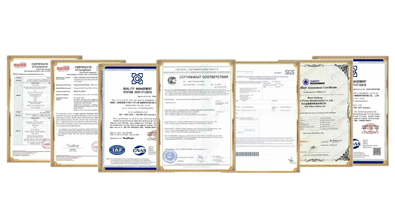
Standardized certification guidelines verify the mechanical integrity of both long-radius and short-radius elbows, boosting buyer confidence during procurement. Material test results show the chemical makeup and mechanical properties of materials, and ISO 9001:2015 quality control systems show that suppliers are committed to consistent production processes. Third-party inspection services, like SGS approval and GOST-R compliance, make sure that measurements are correct and that the product works as expected. This is especially helpful for foreign purchases and government projects.
When and Why to Choose Long Radius vs. Short Radius Elbows: A Decision Support Framework?
Evaluating System Pressure Requirements
Specifications for pressure have a big impact on which elbow type to choose. Systems that work above 600 psi usually do better with long-radius setups, which keep pressure drops to a minimum and lower the size of the pump that needs to be used. When lifetime energy savings and lower machine capacity needs are taken into account, the extra cost of long-radius elbows often turns out to be worth it. When you need Schedule 80 or thicker walls for high-pressure uses, long-radius shapes are best because they spread stress loads more evenly.
Addressing Space Constraints and Layout Challenges
Practical elbow decisions are often based on the installation surroundings, even if theoretically better elbows would work better. There are real limits on the routes that pipes can take because of existing structures, where equipment needs to be placed, and entry needs. Short-radius elbows let you set up tighter route setups in crowded plant areas, mechanical rooms, and retrofit situations where limited space severely limits routing flexibility. In these cases, it's okay to accept higher pressure drops in order to make installations possible within the limits of the project.
Calculating Total Cost Implications
When comparing prices, you can see that short-radius elbows are usually 15–25% less expensive than their long-radius counterparts. This makes them more appealing at first glance. Comprehensive lifetime cost analysis, on the other hand, often turns this benefit around. When there are high-pressure losses, energy use keeps going up over time. Depending on flow rates and working hours, this energy use could exceed the initial savings within two to three years of service.
Total costs are calculated by taking into account how often maintenance needs to be done. Long-radius elbows have lower rates of erosion and rust because the flow patterns are better. This means that they don't need to be replaced as often, and there is less downtime. When systems have set uptime and reliability goals, these operational benefits should be given a lot of weight when considering elbow specs.
Industry-Specific Application Guidelines
Chemical processing plants that use corrosive or abrasive fluids tend to prefer long-radius setups because they reduce the amount of turbulence that speeds up rust and erosion. Long radius elbows are commonly preferred in the pharmaceutical and food industries to facilitate cleaning and reduce areas where particles can accumulate and compromise hygiene. It is common for power plants and refineries to use long-radius fittings on their main process lines and save short-radius choices for secondary systems where they won't have a big effect on performance.
In the right places, municipal water treatment plants and industrial HVAC systems can usually handle long-radius and short-radius elbows, which means that installation costs can be kept low while still meeting operating efficiency needs. In these situations, flow rates are usually lower, and conditions aren't as rough, so there aren't big differences in how well different types of elbows work.
Conclusion
When deciding between long-radius and short-radius elbows, you have to weigh the technical performance needs against the cost and fitting limitations. In situations where there is enough room, long radius designs offer better flow efficiency, lower pressure losses, and longer service life. Short-radius elbows offer important freedom in tight spaces, but they come with some performance costs. For buying to go well, there needs to be clear spec practices, careful seller qualification, and a review of lifetime costs that go beyond initial purchase prices. When engineers and procurement teams understand these basic differences, they can make decisions that improve system performance, lower total ownership costs, and build solid supply partnerships that support long-term operational success.
FAQ
1. What is the most important change in size between these elbows?
Long radius elbows have a central radius that is 1.5 times the standard pipe diameter. Short radius elbows, on the other hand, have a radius that is the same size as the pipe diameter. This difference in shape has a direct effect on the length of the fitting. For example, long-radius elbows need about 50% more room along the pipe run for installation. In long-radius setups, the extended curvature spreads bending loads more evenly and makes flow changes smoother.
2. Can high-pressure jobs be done safely with short-radius elbows?
When properly designed with appropriate wall thickness and materials, short radius elbows may be used in high-pressure service in limited applications, although they are generally less preferred due to higher local stress concentrations. But the sharper curve causes higher localized loads that need to be carefully studied by engineers. A lot of high-pressure systems call for long-radius setups to lower stress concentration factors and make the system more resistant to wear. Ratings for pressure rely on the type of material used, the schedule, and the temperature. They are not just based on the radius, though long-radius designs usually have better mechanical performance under the same conditions.
3. How do I make sure that it will work with current pipe systems?
The first step in making sure something is compatible is to make sure that the nominal pipe size, schedule name, and end preparation needs are all the same. Dimensional guidelines set by ASME B16.9 make sure that qualified makers can use each other's products. To be materially compatible, the chemical makeup, mechanical qualities, and corrosion resistance of the new pipe must match or beat the standards for the old pipe. To make sure the joints are strong, the welding process specs must take into account any differences in the way fittings and pipes are made.
Partner With RAYOUNG for Reliable Elbow Fitting Solutions
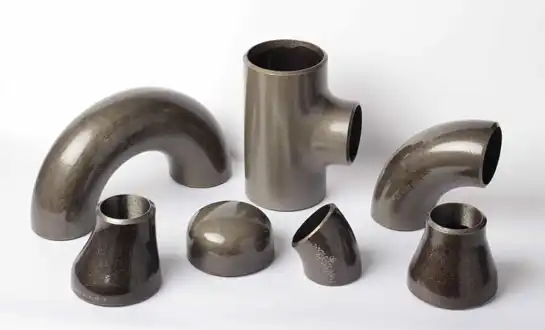
Getting reliable pipe fittings requires working with makers that can show they have a track record of quality, full licenses, and quick support. RAYOUNG has a large production capacity and can make buttweld steel elbows, reducers, and flanges that meet strict international standards. These standards include ISO 9001:2015, GOST-R, and SGS approvals. Our products come in a wide range of sizes and are made of carbon steel, stainless steel, and speciality alloys. We can meet both standard and unique requirements. We know that people who work in procurement need steady quality, fair prices, and reliable shipping plans that keep projects on track. Email our expert team at info@hb-steel.com to talk about your unique elbow needs and get price quotes. RAYOUNG is your reliable long radius and short radius elbow source. We offer performance, compliance, and value at every stage of a project. We can deliver long radius and short radius elbow fittings right away, or we can make unique designs for specific uses.
References
1. American Society of Mechanical Engineers. (2020). ASME B16.9: Factory-Made Wrought Buttwelding Fittings. New York: ASME Press.
2. Nayyar, M.L. (2019). Piping Handbook (8th ed.). New York: McGraw-Hill Education.
3. Antaki, G.A. (2018). Piping and Pipeline Engineering: Design, Construction, Maintenance, Integrity, and Repair. Boca Raton: CRC Press.
4. Mohitpour, M., Golshan, H., & Murray, A. (2017). Pipeline Design and Construction: A Practical Approach (3rd ed.). New York: ASME Press.
5. Singh, R. (2021). Applied Welding Engineering: Processes, Codes, and Standards (3rd ed.). Oxford: Butterworth-Heinemann.
6. Ellenberger, J.P. (2016). Piping and Pipeline Calculations Manual: Construction, Design Fabrication and Examination. Oxford: Butterworth-Heinemann.

Need a quote? Want to see samples? Just say hello. We’re friendly. We’re fast. And we’re ready when you are.
Welcome to RAYOUNG – Strong Pipes, Stronger Promise