How to Select Pipe Elbows for High-Pressure Systems?
When choosing pipe elbows for high-pressure systems, you need to think carefully about the strength of the material, the pressure rating, and the standards for making. The right choice has a direct effect on the safety of the system, its dependability during operations, and its long-term cost-effectiveness. Professionals need to look at things like whether the construction is seamless or welded, the right metal compositions, and whether the product meets ASME B16.9 or GOST standards. The right choice cuts down on the chance of downtime and makes sure that the product can work in harsh industrial environments where pressure changes and corrosive conditions are typical problems.
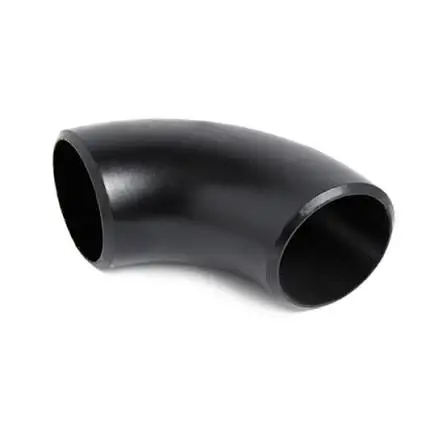
Understanding the Role of Pipe Elbows in High-Pressure Systems
Pipe elbows change the flow of fluid within industrial pipe networks. This keeps the system's stability even when it's working in harsh circumstances. These fittings let you change the direction of flow without affecting the ability to control pressure or improve flow efficiency. When pipe elbows are used in high-pressure places like oil pipelines, chemical plants, and power plants, their structural stability is very important to keep them from catastrophic failure.
Functional Purpose of Elbows in Industrial Applications
Pipe elbows change the direction of a pipeline without affecting its ability to carry water or hold its shape. They take in forces of thermal expansion and work with mounting restrictions in small areas. When compared to sharp turns, the design shape lowers turbulence. This keeps erosion and pressure drop across the fitting to a minimum. In places with a lot of pressure, pipe elbows spread mechanical stress equally along the pipe wall. This keeps stress from building up in one place, which could cause cracks or breaks. Upstream oil and gas operations depend on strong pipe elbow configurations at wellhead links and production pipelines. How well these configurations work directly affects how much oil and gas can be extracted.
Differentiating Elbow Types for High-Pressure Use
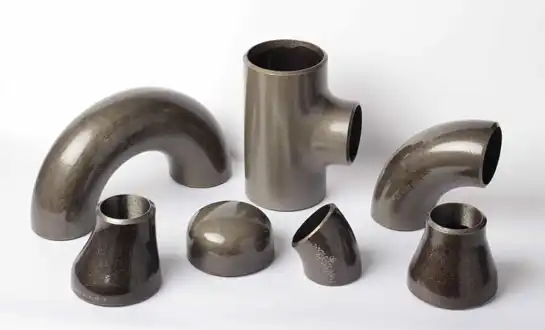
Figuring out the different angles helps you match fits to different system plans. A 90-degree design changes the direction of flow perpendicularly, which is good for making tight turns in equipment connections. On the other hand, 45-degree pipe elbows make flow shifts more gentle, which is good for long pipeline runs to reduce friction losses. The 180-degree return bends let the flow go in the opposite direction in heat exchanges and boiler systems.
Long radius pipe elbows have a central radius that is 1.5 times the standard pipe diameter. This makes the flow more even and the pressure drops less. Short radius models have a centerline radius equal to the pipe diameter, which reduces the installation envelope but increases turbulence. GOST 17375-2001 says that long-radius designs make intermediate pipeline systems more energy efficient while also reducing pressure loss by a large amount.
Material Selection and Pressure Capacity
When made to ASME B16.9 standards, carbon steel pipe elbows offer great value for money in moderately corrosive settings. These fittings can handle the bumps and changes in temperature that are typical in oil and gas work. Because they have more carbon in them, they can handle pressures up to 3000 PSI, based on the wall thickness and nominal diameter.
Stainless steel choices are better at resisting corrosion in chemical processes and sea settings. Alloy types like 316L don't rust when exposed to chloride, and their mechanical traits stay the same at a lot of different temperatures. For extreme situations with pressures above 5000 PSI, forged pipe elbows made from chromium-molybdenum metals last longer. The shaping process improves the structure of the grains, getting rid of any flaws inside that could make it harder to keep the pressure in during cycle loading.
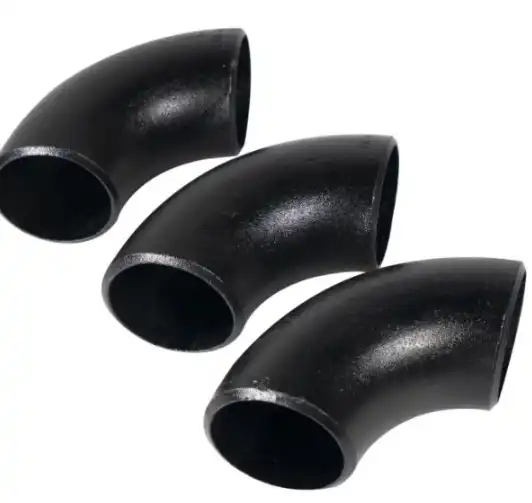
Key Criteria for Selecting Pipe Elbows in High-Pressure Systems
To pick the right parts, you have to carefully compare their technical specs to their working needs. Performance, safety, and lifetime costs are all affected by a number of interconnected factors. When making decisions, people have to find a mix between short-term budget concerns and long-term dependability concerns.
Pressure Ratings and ANSI/ASME Compliance
Pressure class numbers tell you the highest pressures that can be used at certain temperatures. The ASME B16.9 standard sets the sizes for butt weld fittings, and the B16.5 standard sets the pressure-temperature values for flange joints. Class 150 fittings can handle up to 285 PSI of pressure at room temperature, while Class 2500 fittings can handle up to 6170 PSI of pressure at the same temperature.
When engineers figure out what a system needs, they use safety factors that take into account things like water hammer, pressure spikes, and changes in how the system works. Pipe elbows that are certified to meet ASTM A234 standards for carbon steel or A403 standards for stainless steel make it possible to track the material. This approval shows that the chemical composition and mechanical testing requirements have been met, which is something that procurement teams need in order to submit bids and pass regulatory checks.
Sizing and System Compatibility
Accurate matching of dimensions keeps installations from taking too long and makes sure that the flow is right. Nominal pipe size (NPS) names make diameter measurements more consistent, while schedule numbers show how thick the wall is. Schedule 80 NPS pipe elbows have stronger walls than Schedule 40 NPS pipe elbows, so they can handle more pressure but have less internal flow area.
In accurate setups, angular tolerances are very important. ASME B16.9 allows ±1° of tolerance for 45° and 90° pipe elbows, ensuring they are precisely aligned during welding. Out-of-roundness limits keep the sealing ability of gaskets at bolted joints. These tight physical controls lower stress levels at weld joints, which increases the service life of systems that have changing pressures.
Mechanical Properties and Construction Methods
Seamless pipe elbows don't have lengthwise weld joints, so the strength is spread out evenly around the outside. When pipe pieces are hot-formed, they are shaped without adding heat-affected zones that could make them less resistant to rust. Because these seamless fittings perform better under cyclic stress than welded options, they are preferred for high-pressure applications where reliability is paramount.
When solid billets are die-pressed to make forged pipe elbows, they get very high densities and fine grains. Forging closes up tiny holes in the material and lines up the grain flow with the stress patterns, which makes it stronger against impact. Even though forged parts are more expensive than manufactured ones, the extra cost is worth it in situations where failure could pollute the environment or put people's safety at risk. Refineries that work with acidic materials at high temperatures depend on these high-quality parts to keep their operations running smoothly.
Comparing Pipe Elbow Options for High-Pressure Systems
When making choices about what to buy, it helps to compare different ways of making things and different grades of materials. Depending on the working conditions, budget, and performance standards, each choice has its own benefits. Knowing about these trade-offs helps you make a smart choice that fits the needs of your project.
Seamless Versus Welded Construction
Pipe elbows made from cut billets or extruded tubes don't have any lengthwise joints, so they don't have any weak spots that could crack from stress corrosion. This even structure spreads out pressure loads evenly, which makes it less likely that the structure will fail after being exposed to high pressure for a long time. The GOST 17376 standard for seamless pipe elbows makes sure that the quality is always the same by having strict rules on dimensions and metals.
Welded joints made from formed plate pieces are less expensive, but they need to be carefully checked for quality. The lengthwise join creates a heat-affected zone that could change the microstructure and make the material less flexible. Non-destructive testing, such as X-rays and ultrasonic checking, is used to check the stability of welds. This process takes longer and costs more. When the pressure is less than 1500 PSI, and there isn't much corrosion, properly approved welded elbows work well and cost less.
Carbon Steel Versus Stainless Steel Performance
Carbon steel pipe elbows are a cheap way to distribute water, run compressed air systems, and move hydrocarbons, as long as the rust rate is kept under control with coats. By keeping moisture and air away from the base metal, surface processes like sandblasting and epoxy sealing make it last longer. When stored or moved, black oxide coats guard against corrosion in a basic way.
Stainless steel types don't need to be coated on the outside and can fight chemical attacks from acids, alkalis, and salty environments. In general, Type 304 is good for resisting rust. Type 316, on the other hand, adds molybdenum to improve resistance to chloride in coastal and chemical processing settings. The higher original cost is balanced by lower upkeep costs and longer periods between replacements. In corrosive services, lifecycle cost analysis often favors stainless steel, even though its initial purchase cost is higher than carbon steel alternatives depending on the grade and market conditions.
Long Radius Versus Short Radius Flow Characteristics
Long radius pipe elbows, with bend radii 1.5 times the nominal diameter, make direction changes that are smooth and reduce noise and erosion. When compared to designs with short radii and the same flow speeds, the smooth flow path lowers pressure drop significantly compared to short-radius designs under similar flow conditions. When there is reduced turbulence, particles don't hit the fitting walls as hard, which increases their service life in slurry transport and abrasive fluid use.
When installing pipe elbows with short radii in tight areas, they make faster turns that make localized turbulence worse. The tighter curve focuses flow energy along the outer radius, which speeds up degradation in high-speed services. These small fittings work well in low-flow situations where room is more important than hydraulic efficiency. Short radius forms are often used in pump suction pipes and equipment lines to keep the size of the installation area as small as possible while allowing for slightly higher pressure losses.
Procurement Strategies for High-Pressure Pipe Elbows
Strategic buying methods lower the risks in the supply chain and make the total cost of ownership as low as possible. Quality guarantee, competitive price, and dependable delivery plans are all important parts of good buying. By working with certified makers, you can get access to professional know-how and the ability to make changes.
Identifying Reputable Manufacturers and Certification Verification
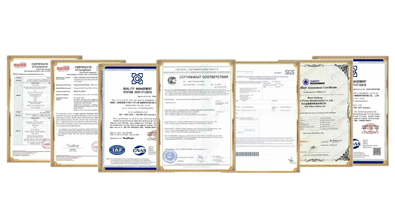
Suppliers who are qualified keep up with ISO 9001:2015 quality management systems that show consistent rules over production. In order to get this license, the methods for tracking materials, checking their dimensions, and testing their strength must be written down. The GOST-R certification shows that the product meets the standards of the Russian Federation, which is important for getting into the Eurasian market, and the SGS inspection records show that the product was checked by a third party.
Looking over the manufacturer's mill test results makes sure that the chemical make-up and mechanical qualities meet the requirements. These papers have heat numbers that let you track back to the original batches of steel. This helps with failure analysis if problems happen in the field. Pressure Equipment Directive (PED) approval shows that a product meets European safety standards and is required for installations in EU countries. Before making an order, procurement teams should ask for copies of the necessary certificates and check the authenticity of the documents on the websites of the granting authorities.
Negotiating Bulk Orders and Managing Lead Times
Buying in bulk takes advantage of economies of scale to lower the cost of each unit through more efficient production runs. Manufacturers often offer discounts on orders that are bigger than their minimum production sizes, which are usually 500 pieces for common setups. Annual blanket orders with planned releases balance the costs of keeping stockpiles against price benefits while making sure that pipe elbows are always available.
Custom measurements, such as angles that aren't standard, diameters that are too big, or special metal grades, make production wait times longer, from 4 to 6 weeks to 12 to 16 weeks. Critical path delays can be avoided by working with providers early on in the planning stages of a project. If the main specs aren't available, specifying other acceptable standards, like ASME or DIN equivalents, gives you more options for where to get the materials. Distributor partnerships are an addition to direct maker relationships. They allow for faster delivery of smaller amounts from stock that is kept on hand.
Cost Analysis and Warranty Considerations
The initial buying price is only one part of the total cost of owning. True economic value can be found by comparing estimated service life to repair frequency. Premium pipe elbows that are seamless or cast often last 2-3 times longer than welded ones, even though they cost 40–80% more. This means that the total cost of the facility will be lower over its 20–30-year lifecycle.
Warranty coverage changes a lot from one provider to the next for pipe elbows. Standard terms cover replacements for production flaws found within 12 months of delivery, while extended terms may cover failures for up to 60 months, provided the product is installed and maintained correctly. Knowing what kinds of things aren't covered by the guarantee, like damage from too much system pressure or wear and tear from harsh fluids, keeps disagreements from happening during the claim process. A lot of paperwork, like installation records and upkeep logs, helps with guarantee claims and gives information for figuring out how reliable something is.
Conclusion
To choose the right pipe elbows for high-pressure systems, you need to carefully look at the materials, how they are made, and the standards that they must meet. When you know the differences between seamless and welded construction, carbon and stainless steel types, and long and short radius shapes, you can make smart choices that balance cost and performance. Tough buying methods, like checking suppliers' credentials and making sure they have the right certifications, lower risks and make sure that requirements are met. The service life of a fitting is extended by using the right installation methods and regular upkeep. This protects investments and ensures operating safety in demanding industrial settings.
FAQ
1. What elbow type suits extreme pressure applications exceeding 5000 PSI?
When used in high-pressure applications, forged seamless pipe elbows made of high-strength metal steels work best. The shaping process gives these fittings a fine-grain structure, and smooth construction gives them uniform wall integrity. Some types of materials, like ASTM A182 F22 (chromium-molybdenum), have better tensile strength and creep resistance when heated. Pressure class values of 2500 or 3000 are used for high-pressure applications, with actual allowable pressures depending on temperature per ASME B16.5 pressure-temperature ratings.
2. How can buyers be sure that the material grade and approval are real?
If you ask for full mill test records with traceable heat numbers, you can check them through maker databases. Compliance is confirmed by comparing the chemical make-up and mechanical qualities to published ASTM standards. Fake documents can't be made by checking the validity of SGS inspection reports through the SGS verification site and using issuing body records to confirm ISO certification. Independent laboratories can perform material verification and mechanical testing on sample fittings to ensure compliance, which is important for critical applications.
3. Can elbows be customized for unique specifications?
Custom needs, such as non-standard angles, special radius ratios, and unique metal formulas, can be met by manufacturers. Custom configurations usually have minimum order numbers because of the costs of making the tools and setting them up. Accurate quotes can be made by sending thorough technical drawings with tolerances for sizes, material requirements, and testing needs during the request stage. Depending on how complicated they are, lead times for custom fittings are 8 to 12 weeks longer than for normal goods.
Partner with a Trusted Pipe Elbow Manufacturer
RAYOUNG makes approved, high-performance pipe elbows that are designed for challenging high-pressure uses in many different industries. We make buttweld and seamless pipe elbows that meet international, GOST 17375, and ASME B16.9 standards. Our products are backed by ISO 9001:2015 quality systems and GOST-R and SGS certificates that confirm they are safe for export. We know that purchasing managers and engineers need pipe elbow providers they can rely on to provide steady quality, fair prices, and quick technical support. Email our team at info@hb-steel.com to talk about the needs of your particular project, get full technical specifications, or get personalised quotes for large orders. Our engineering experts help you choose the best fittings so that they work with your system and your budget, and they do this quickly and efficiently.
References
1. American Society of Mechanical Engineers. (2018). ASME B16.9: Factory-Made Wrought Buttwelding Fittings. New York: ASME Press.
2. ASTM International. (2021). ASTM A234/A234M-21: Standard Specification for Piping Fittings of Wrought Carbon Steel and Alloy Steel for Moderate and High Temperature Service. West Conshohocken: ASTM International.
3. Russian Federal Agency on Technical Regulating and Metrology. (2001). GOST 17375-2001: Steel Welded Pipe Fittings with Butt Weld Ends. Moscow: Standartinform.
4. Nayyar, M. L. (2019). Piping Handbook (8th ed.). New York: McGraw-Hill Education.
5. Singh, R. K., & Solanki, V. S. (2020). Material Selection and Failure Analysis of High-Pressure Piping Components. Journal of Pressure Vessel Technology, 142(4), 041503.
6. Mohitpour, M., Golshan, H., & Murray, A. (2007). Pipeline Design & Construction: A Practical Approach (3rd ed.). New York: American Society of Mechanical Engineers.

Need a quote? Want to see samples? Just say hello. We’re friendly. We’re fast. And we’re ready when you are.
Welcome to RAYOUNG – Strong Pipes, Stronger Promise