Pipe Fittings, Oil and Gas Industry Applications Explained
Pipe fittings in the oil and gas industry, or pipe fittings oil and gas, require components that are made to survive high pressures, corrosive conditions, and continuous operation. Elbows, tees, reducers, and flanges are some of the most important connections that make upstream production, midstream transportation, and downstream refining possible. Choosing the right parts has a direct effect on the stability of the pipeline, the safety of the workers, and the cost of the project. This means that smart purchasing decisions are needed to avoid downtime and ensure long-term performance in tough industrial settings.
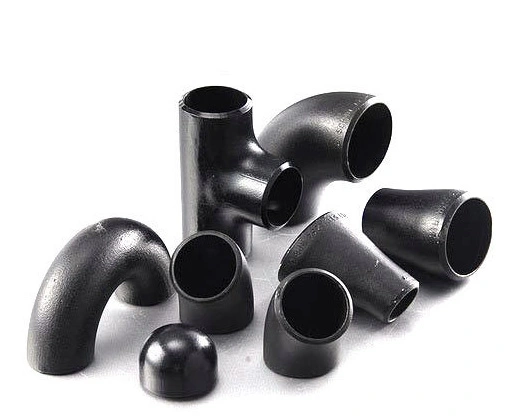
Understanding Pipe Fittings in the Oil and Gas Industry
Essential Component Functions Across Pipeline Networks
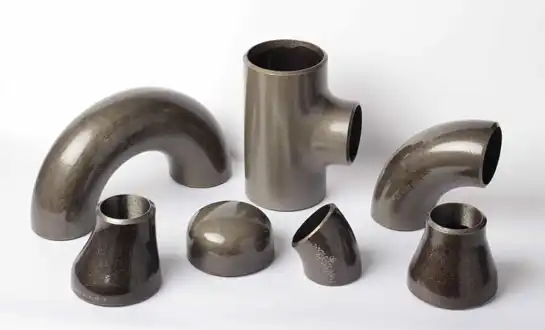
Pipeline networks depend on essential parts working together. In the energy industry, pipeline systems depend on special parts to handle changes in direction, branching points, and diameter changes in setups that are very complicated. Full-penetration welding makes parts as strong as the parent pipe, which is how buttweld fittings make lasting links. Different types of socket welds are commonly used for applications with a diameter of NPS 2 (2 inches) and below because they make installation easier without losing pressure integrity. Engineers can use these parts to make complex route setups that get around barriers, account for thermal expansion, and efficiently spread flow across production facilities, offshore platforms, and pipeline networks that span multiple countries.
Material Selection and Environmental Compatibility
When oil is extracted or processed, it has to be done in difficult conditions, so materials need to be able to withstand cyclic pressure loads, hydrogen sulfide corrosion, and changes in temperature. For mild service conditions, carbon steel fittings made to ASTM A234 standards are a cost-effective option. For high-pressure situations, alloy steel types offer better strength. Certain stainless steel grades, when compliant with NACE MR0175/ISO 15156, can be used in sour gas environments where carbon steel may suffer sulfide stress cracking.
Surface treatments, such as epoxy coatings or water-based anti-corrosion paints, protect fittings against atmospheric corrosion during storage, transport, and operation in harsh coastal or marine environments, significantly extending service life.
Key Considerations When Choosing Pipe Fittings for Oil and Gas Pipelines
Standards Compliance and Pressure Rating Requirements
Compliance with ASME B16.9, EN 10253, and GOST standards ensures dimensional consistency and verifiable performance, both of which are critical for high-integrity safety systems. These rules spell out the minimum and maximum wall thicknesses, bevel angles, and tolerances that must be met for proper fit-up during welding. Ratings for pressure and temperature must match the conditions of the system's design, taking into account surge pressures and operational upsets that are outside of regular service limits. Documentation, such as EN 10204 3.1 Material Test Reports, makes it possible to track everything from the heat number to the chemical makeup and mechanical testing results. This meets the quality assurance standards required by companies like NIOC, ADNOC, and PETROBRAS.
Corrosion Resistance and Service Life Optimization
Corrosion protection is a critical consideration for oil and gas piping systems because aggressive media containing chlorides, carbon dioxide, and hydrogen sulfide accelerate material degradation. You can choose between normal grades and specialized metals based on the specific corrosive agents that will be used in your project. The choice has a big effect on the total cost of ownership. For example, stainless steel fittings cost more at first, but they need less upkeep and last longer between replacements, so the cost is usually worth it. After hot forming, heat treatments like normalizing and solution annealing bring back the best grain structure. This makes sure that the parts meet the mechanical property standards for the whole time they are supposed to be used.
Installation Method and Maintenance Accessibility
Picking between butt weld and socket weld designs changes the amount of work that needs to be done, how inspections are done, and how reliable the product is in the long run. Butt weld joints require precise alignment and beveled ends, but they offer superior flow characteristics by eliminating internal ledges that cause turbulence and localized erosion. It's easier to put socket weld fittings on small-bore pipes, and they're strong enough for work that keeps pressure in check. Threaded connections can be taken off for repair, but they can create leak paths that aren't good for places that are underground or hard to get to. Custom shapes, such as reducing tees and large-diameter 90-degree elbows, can be made to fit specific design needs without affecting the structure of the system or needing a lot of work to be done in the field.
Comparative Analysis of Pipe Fittings for Oil and Gas Industry
Material Performance Trade-offs
When looking at material choices, there are clear benefits that are in line with certain operational objectives. For sweet service uses, carbon steel fittings are both cost-effective and resistant to corrosion. This is why they are commonly used in water injection systems and low-sulfur oil handling. When used in corrosive settings, stainless steel grades like 316L work better because they don't rust or pit, which are problems that happen with carbon steel. Alloy steels like ASTM A234 WP11 and WP22 can withstand high temperatures, which is important for process pipes and steam transport networks in refineries. When procurement teams understand these trade-offs, they can choose the best materials based on the type of media, the working temperature, and the budget they have available without losing safety margins.
Manufacturing Methods and Quality Assurance
Forged fittings have better mechanical properties than cast ones because they have a better grain structure and don't have any porosity flaws that can cause stress cracks. Hot forging yields a highly dense material structure with continuous, directional grain flow, enhancing mechanical strength and fatigue resistance under cyclic stress conditions.
Forged parts are more expensive, but their dependability in important service uses makes the cost worth it for EPC contractors and end users who value operating uptime. Manufacturers that have both ISO 9001 certification and CE/PED 2014/68/EU compliance show that they use structured quality management practices that lower the risk of buying things and make sure that products work the same way on big projects.
Installation Best Practices and Procurement Guidance
Welding Procedures and Quality Control
For a proper installation, the welding process standards must be followed. These include the preheat requirements, the interpass temperatures, and the post-weld heat treatment protocols. The typical bevel angle on buttweld fittings (commonly around 30–37.5 degrees) makes a V-shaped design that lets welders make multiple passes to reach full entry. Ensuring that the wall thickness schedules of the fittings and pipes match exactly prevents internal geometric steps that disrupt flow patterns and create localized erosion zones. Radiographic testing and ultrasonic testing (UT) are two non-destructive examination methods that check the quality of the weld before it is pressurized. These methods find any flaws that might lead to service failures.
Supplier Evaluation Criteria
To choose qualified pipe fittings oil and gas providers, you need to check their certifications, look at how well they've done in the past, and see how well they can provide expert help. Manufacturers that are accepted by big foreign companies have shown that they can meet strict quality and specification requirements. For jobs that need to be done quickly, being able to offer customized solutions like non-standard sizes, special materials, and faster shipping times is very helpful. Distributors who keep enough goods on hand make sure that projects don't get held up, which can cost a lot of money, and they can offer competitive prices by using established supply chains and big buying arrangements.
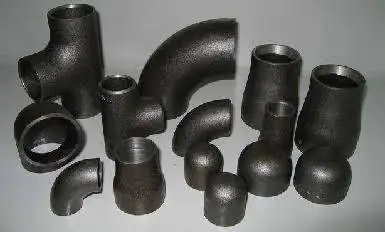
Trusted Brands and Suppliers of Oil and Gas Pipe Fittings
Manufacturer Capabilities and Global Recognition
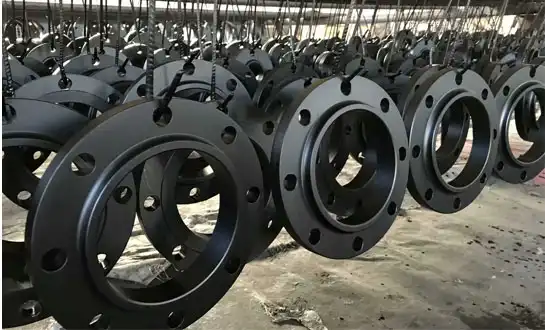
Leading providers stand out by offering a wide range of products, having skilled technical knowledge, and always delivering high-quality goods. As a well-known company that sells carbon steel pipes and pipe fittings for oil and gas to customers around the world, RAYOUNG is a great example of these qualities. They make buttweld steel elbows, steel reducers, and flanges that meet global standards. We can make things out of carbon steel, stainless steel, and specialized metals, and we can treat the surfaces in ways that are specific to the needs of the application. Certifications like GOST-R, SGS, and ISO 9001:2015 show that we are dedicated to quality management and export compliance. This gives procurement professionals peace of mind about the stability of the supply chain.
Documentation and Technical Support
Full technical paperwork, such as measurement sheets, material certificates, and test reports, speeds up the completion of a project by making it easier to check the plan and make sure the quality is good. Suppliers who offer technical advice can help you choose the best pipe fittings oil and gas based on the specifics of your application. This way, you can avoid making expensive mistakes in the specifications that slow down installation or lower performance. When you combine product knowledge with helpful customer service, you create partnerships that go beyond transactional relationships. These partnerships support long-term project success through reliable supply, competitive pricing, and working together to solve problems when unexpected problems come up during the construction or commissioning phases.
Conclusion
When choosing the right pipe fittings for oil and gas, you need to think about technical specs, material properties, cost, and how reliable the provider is. Knowing the differences between buttweld and socket weld setups, checking that materials meet ASME B16.9, EN 10253, and GOST standards, and analyzing their performance characteristics are all important parts of making sure that buying choices support the project's safety, schedule, and budget goals. Working with qualified providers who offer certified goods, detailed paperwork, and technical knowledge lowers project risk and meets the performance and dependability needs of energy infrastructure uses around the world.
FAQ
1. What standards govern pipe fittings used in petroleum applications?
The ASME B16.9 standard sets the sizes and specs for buttweld fittings, and the ASME B16.11 standard covers socket weld and threaded forms. These rules go along with material requirements such as ASTM A234 for carbon steel and A403 for parts made of stainless steel. Depending on the rules for buying things in that area, international projects may need to follow EN 10253 or get GOST approval.
2. How do I verify fitting quality before installation?
For each output lot, you should ask for EN 10204 3.1 material test reports that confirm the chemical make-up, mechanical qualities, and heat treatment. Check that the dimensions match standard requirements, that the writing includes a heat number that can be tracked, and that the surface finish meets the needs of the project. Nondestructive testing of finished welds is another way to make sure the quality is high.
3. Can different wall thickness fittings connect to pipes safely?
When you connect pipes that don't match, you create internal steps that stop flow and focus erosion, which could cause the system to fail early. Matching the wall thickness schedules of the fittings and pipes ensures the internal diameter remains uniform. This improves the flow characteristics and structural stability of the whole piping system.
Partner with RAYOUNG for Certified Pipe Fittings Solutions
RAYOUNG offers complete pipe fittings oil and gas manufacturing solutions that are backed by approvals from NIOC, ADNOC, and PETROBRAS. This makes sure that your projects meet the strictest international standards. Our buttweld steel elbows, reducers, and flanges are made to meet the standards set by ASME B16.9, EN 10253, and GOST. They come in carbon steel, alloy steel, and stainless steel, and you can choose from different surface treatments like grinding, anti-rust oil, and epoxy finish. Every package comes with full certificates, such as CE/PED 2014/68/EU, ISO 9001, and GOST-R. This gives your project the proof it needs for compliance and quality assurance. You can email our procurement experts at info@hb-steel.com to talk about your unique needs, get technical specs, or get cheap quotes for large orders with reliable delivery times.
References
1. American Society of Mechanical Engineers. (2020). ASME B16.9: Factory-Made Wrought Buttwelding Fittings. ASME International Standards Committee.
2. ASTM International. (2021). ASTM A234/A234M Standard Specification for Piping Fittings of Wrought Carbon Steel and Alloy Steel for Moderate and High Temperature Service. ASTM Standards Publication.
3. European Committee for Standardization. (2019). EN 10253: Butt-welding Pipe Fittings - Part 2: Non-alloy and Ferritic Alloy Steels with Specific Inspection Requirements. CEN Technical Standards.
4. API Publishing Services. (2018). API Standard 5L: Specification for Line Pipe. American Petroleum Institute Technical Standards.
5. Mohitpour, M., Golshan, H., & Murray, A. (2007). Pipeline Design & Construction: A Practical Approach. ASME Press Engineering Publications.
6. National Association of Corrosion Engineers. (2017). NACE MR0175/ISO 15156: Petroleum and Natural Gas Industries - Materials for Use in H2S-Containing Environments in Oil and Gas Production. NACE International Standards Committee.

Need a quote? Want to see samples? Just say hello. We’re friendly. We’re fast. And we’re ready when you are.
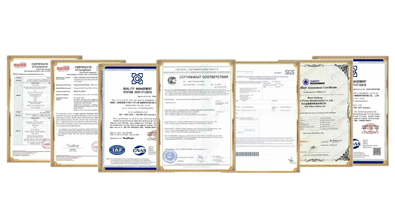
Welcome to RAYOUNG – Strong Pipes, Stronger Promise