Types of Pipe Fittings in the Oil and Gas Industry
In the oil and gas sector, selecting appropriate pipe fittings directly impacts operational safety, cost efficiency, and project longevity. These components—ranging from elbows and tees to reducers and flanges—form the backbone of fluid transport systems, connecting pipeline sections while accommodating directional changes, pressure variations, and sealing requirements. Understanding the distinct characteristics of each pipe fitting type enables procurement teams and engineering professionals to make informed decisions that minimize downtime, ensure compliance with ASME and API standards, and deliver reliable performance across upstream, midstream, and downstream applications.
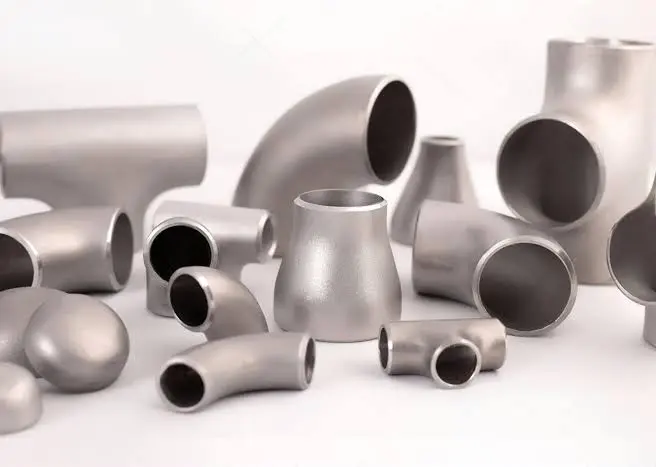
Overview of Pipe Fittings Used in the Oil and Gas Industry
Fittings are an important part of oil and gas infrastructure because they do specific jobs in complicated networks of pipes. If you make the right choice, your system will work perfectly even when the temperature and pressure are very high.
Core Pipe Fitting Categories
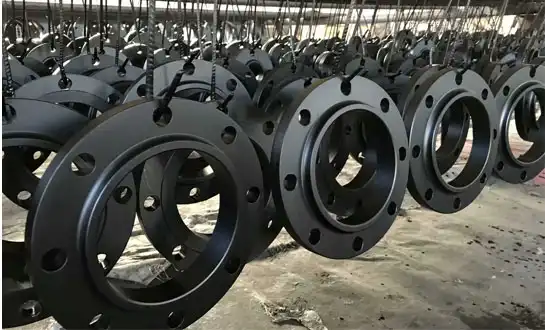
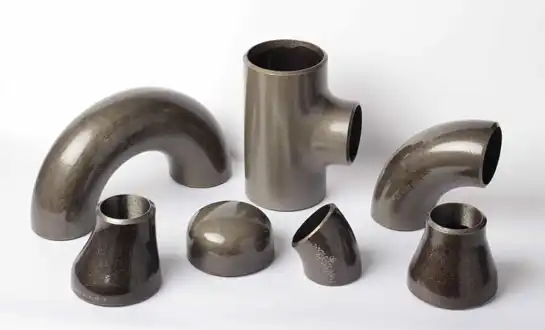
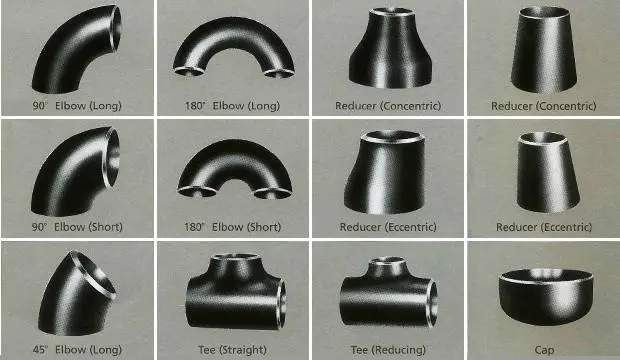
The business world relies on a few basic types of fittings, each made to meet specific needs for joining and flow control. Elbows change the direction of flow at angles, usually 45°, 90°, or 180°. This keeps hydraulic efficiency high and reduces turbulence. Tees make branch connections by dividing or combining fluid streams in a T-shape that lets you control flow in more than one direction. Reducers change the diameter of a pipe so that it can accommodate changes in flow volume while keeping the pressure stable. Flanges have fixed connection points that let you take things apart for repair without having to cut the pipes. Couplings securely join straight sections of pipe together, and the ends of the pipes are sealed with caps to stop leaks.
Each type of part is used for a different set of operating tasks. Tees make distribution networks possible, while elbows keep pressure drops to a minimum when the direction of flow changes. When pipe diameters change, reducers maintain controlled fluid velocity, while flanges provide accessible maintenance break points.
Material Standards and Compliance
The choice of material affects how well a part works in a variety of working conditions. Due to their high tensile strength and low cost, carbon steel fittings, especially those made to ASTM A234 WPB standards, are the most common choice for high-pressure uses. Options made of stainless steel that meet ASTM A403 can withstand the corrosive fluids that are typical in sour gas activities. Low-temperature carbon steel and alloy steel fittings manufactured to ASTM A420 retain their mechanical properties at low temperatures, making them suitable for liquefied natural gas (LNG) facilities.
Safety and interoperability are guaranteed by following international standards. For butt-weld fittings, ASME B16.9 sets the size tolerances, and MSS SP-75 specifies requirements for high-test wrought butt-welding fittings used in high-pressure transmission applications. In upstream activities, API 6A controls how wellhead and Christmas tree tools are connected. ISO 9001:2015 certification shows that a provider is committed to quality management systems. This lowers the risk of buying for EPC companies that are in charge of big projects that cost millions of dollars. Verifying compliance through mill test results and third-party inspections keeps project delays and risk to a minimum.
Detailed Types of Pipe Fittings: Properties and Applications
Buyers can perfectly match parts to practical needs by telling the difference between fitting types based on how they connect, the materials they are made of, and the pressure grades they have.
Welded Versus Threaded Connections
Butt-weld fittings are most common in places with a lot of pressure and heat where the integrity of the joint can't be compromised. Welding forms strong metal links that block possible leak paths. Seamless steel pipe fittings have no longitudinal weld seam and are often considered for critical high-pressure applications where weld-related inspection requirements are a concern. However, seamless and welded fittings manufactured to the same applicable standard may have equivalent pressure ratings, so the selection should be based on the project design and service requirements.
Threaded joints give you more installation options in low-pressure situations where parts need to be taken apart often. The threaded connection lets changes be made in the field without using special welding tools. This saves money on work costs for small setups. But because of the limitations of threaded connections, their use in high-pressure systems is limited by the applicable piping code, fitting rating, size, and service conditions. The right amount of thread sealant or thread compound and torque specs stop galling and keep the seal intact during thermal cycles.
Socket weld fittings fall in the middle of these two groups because they combine the mechanical strength of welding with easier alignment steps. The socket depth makes sure that the pipe is in the right place before welding, which cuts down on installation time while keeping pressure ratings the same as with butt-weld configurations. A pipe fitting with this design can therefore provide a practical balance between installation efficiency and joint strength.
Material-Specific Characteristics
Carbon steel fittings perform well and provide good corrosion resistance in non-corrosive environments. ASTM A234 Grade WPB fittings offer excellent weldability and structural strength, manufactured in schedules up to SCH 160 and XXS to handle severe pressure regimes within moderate temperature ranges. In corrosive settings, these parts need external protection systems to keep rust from forming.
In coastal settings, types of stainless steel, especially 304L and 316L, don't crack when chloride causes stress corrosion. The molybdenum in 316L makes it more resistant to pitting in salty environments. This means that subsea pipeline systems can last longer. As required by ASME, mechanical testing includes Charpy V-notch impact testing and tension testing to make sure the material is tough at low temperatures in cold conditions.
Fittings made of alloy steel that contains chromium and molybdenum keep their yield strength at temperatures above 1000°F. Catalytic cracking units and steam injection systems in refineries depend on these materials to keep them from deforming over time, even after decades of use.
Specialty High-Pressure and Corrosive Applications
Flow-accelerated corrosion problems in systems with a lot of speed need special answers.Lateral tees (45-degree lateral wyes) reduce flow resistance and pressure drop compared with standard 90-degree tees under high-velocity flow conditions. This shape keeps the walls of abrasive slurry pipelines and drilling mud circulation systems from wearing down as quickly. In field tests, this has been shown to significantly extend component service life in abrasive flow applications.
Sour gas conditions with hydrogen sulfide and carbon dioxide resist damage from high-nickel metal fittings made of Inconel or Hastelloy. These materials stop sulfide stress cracking, which is what happens in high-pressure sour wells and leads to catastrophic failures. The higher prices are worth it because they increase safety margins and lower the frequency of maintenance.
Installation Best Practices and Common Challenges in Oil and Gas Piping
The right way to install something has a direct effect on how reliable it is and how much it costs to maintain over its lifetime.
Installation Procedures and Specifications
As required by ASME B16.25, the first step in installing a butt weld fitting is to cut the ends of the pipes to 37.5° ±2.5°. The right bevel shape makes sure that the weld goes all the way through and makes radiographic viewing easier. To keep stress concentrations from starting fatigue cracks when pressure is cycled, alignment tolerances must not be more than 1/16 inch off.
ASME Section IX says that people who want to do welding must be qualified, and preheat temperatures are based on estimates of carbon equivalent. Post-weld heat treatment reduces leftover stresses in walls thicker than 1.25 inches, which keeps high-strength steels from breaking later. Nondestructive testing with ultrasonic testing finds subsurface discontinuities, and magnetic particle inspection detects surface-breaking discontinuities on the outer tension arc of elbows.
For a threaded fitting system to work, the force must be applied carefully. Too much torque can damage thread engagement, while too little torque can cause leaks when the temperature rises. Thread sealant or lubricant that is compatible with service fluids stops galling and adds extra protection. To get uniform gasket compression at flange connections, bolts must be tightened in a planned way using a star tightening pattern. Calibrated equipment must then be used to check the final torque values.
Leak Prevention and Corrosion Management
Gasket selection directly determines the sealing reliability of a flanged joint. In high-temperature service, spiral wound gaskets with graphite filler can handle thermal cycles. Ring-type joint gaskets, on the other hand, make metal-to-metal seals in API 6A wellhead equipment that can handle up to 20,000 psi. The right surface finish on the flange faces—usually 125 to 250 microinch Ra—makes sure that the gasket fits properly without being crushed.
External rust protection makes a pipe fitting last longer in underground and flooded situations. Fusion-bonded epoxy coats provide a dielectric barrier between the steel surface and the surrounding soil, and cathodic protection systems keep the surfaces of pipelines at negative potentials, which stops electrochemical corrosion. When added to production streams, internal corrosion inhibitors protect metal surfaces by forming protective films. This lowers the rate of corrosion in wet gas pipes from 50 mils per year to less than 2 mils per year.
Inspection and Maintenance Protocols
Regular inspections can identify degradation before it develops into a failure. Ultrasonic thickness measurements track wall loss caused by erosion and corrosion, allowing components to be replaced when the remaining thickness approaches the minimum design value. Magnetic flux leakage tools find external pitting in underground pipes, and intelligent pigs used for internal inspection map changes in shape and find cracks.
Maintaining a threaded connection means re-torquing it every so often to account for gasket creep and thermal relaxation. A visual inspection shows broken threads, rust products, and covering breakdown that needs to be fixed. Documentation systems keep track of when fittings are installed, when they need to be maintained, and what they find during inspections so that replacements can be planned better and unplanned shutdowns can be avoided.
How to Choose Pipe Fittings for Your Oil and Gas Project?
To get the best total cost of ownership, strategic selection criteria balance technical needs with business needs.
Technical Selection Parameters
Ratings for pressure and temperature show basic fitness. At room temperature, Class 150 flanges can handle pressures up to 285 psi, and Class 2500 configurations can handle 6,170 psi. As the service temperature rises, temperature derating factors lower the allowed pressure. This means that the system needs to be carefully analyzed against all possible working conditions, such as upset scenarios.
Material compatibility helps prevent premature failure. In acidic environments, carbon steel may corrode rapidly, while some elastomers can swell when exposed to hydrocarbons. Chemical resistance charts put out by material suppliers help with choosing the right product for different types of fluids, pH levels, and levels of contaminants.
Flow factors affect the choice of fitting shape. Long-radius elbows, with a centerline radius equal to 1.5 times the pipe diameter, generally have a lower pressure drop than short-radius elbows. This increase in efficiency means lower pumping costs over the life of the project, which justifies a higher initial investment in systems that will run nonstop for decades.
Procurement Strategy Considerations
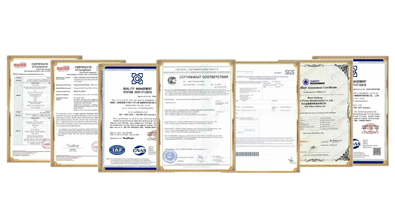
Supplier approval shows that the goods are made well and can be tracked. A registration under ISO 9001:2015 shows that quality systems are documented, and certifications from GOST-R and SGS show that the systems meet Russian and international standards. Positive Material Identification (PMI) records link the chemical make-up to heat numbers, which lets you look into failures and file guarantee claims.
Customization options meet the specific needs of each job. Custom production is often needed because of unique dimensions, rare metals, and non-standard pressure ratings. Suppliers who have their own testing facilities can cut down on lead times by doing mechanical testing and non-destructive examinations without having to wait for delays at an outside lab.
When you order in bulk, you can get discounts that range from 15% to 30%, depending on the amount and when you need it delivered. When packages are combined, freight costs are cut and planning for multi-site projects is made easier. But the savings per unit must be weighed against the costs of storage and the capital that is tied to the inventory.
Planning ahead for lead time stops key project delays. Standard carbon steel fittings usually ship in four weeks, but specialty alloy fittings need 12 to 16 weeks to get the raw materials and go through a special heat treatment process. Early involvement of suppliers in engineering design helps make schedules more realistic and find long-lead items that need to be ordered in advance.
Conclusion
To choose the best pipe fittings for oil and gas uses, you have to balance technical requirements with buying factors. Properly specified seamless steel fittings provide excellent strength and reliability for critical pressure applications. Making the right choice of material based on ASTM standards ensures it works with the working conditions. Installing the system according to ASME guidelines and doing regular inspections will make it more reliable and lower the costs over its lifetime. Project risk can be cut down by working with certified suppliers who can provide documented quality and quick service. When procurement professionals and engineering teams understand these factors, they can make strategic choices that improve safety, meet compliance requirements, and achieve long-term business efficiency.
FAQ
1. What materials are best suited for offshore pipeline fittings?
Materials that don't rust are needed for offshore settings. When exposed to salt water, stainless steel grades 316L and duplex alloys with chromium and molybdenum provide excellent resistance to pitting and chloride stress corrosion cracking. Cathodic protection systems and fusion-bonded epoxy coats are needed for carbon steel parts. The choice of material is based on the type of fluid, the operating temperature, and the expected service life, which for offshore platforms is usually 25 to 30 years.
2. How do I verify pressure ratings for critical fittings?
Pressure values can be found on the mill test records that come with certified fittings. For flanged components, verify pressure-temperature ratings against ASME B16.5 tables; for buttweld fittings, verify that the fitting schedule matches the design calculations of the straight pipe under ASME B31.3. These tables specify the maximum allowable pressure at the relevant working temperature. As the temperature rises, derating factors become more important. Integrity is checked by a third party using hydrostatic testing in accordance with the applicable ASME or API testing requirements before the fittings are placed into critical service.
3. Are threaded fittings safe for high-pressure gas applications?
When the pressure is less than 3,000 psi, threaded joints work well. Compared to full-penetration welded joints, threaded connections have lower mechanical fatigue resistance, making them prone to leakage under cyclic pressure fluctuations.For high-pressure gas service, you need butt-welded or flanged joints that have been shown to seal well. Threaded fittings are good for instrument tubing and other systems that need to be disconnected a lot.
Partner with RAYOUNG for Certified Pipe Fitting Solutions.
Our large catalog has heavy-duty flanges, precision-machined reducers, and seamless steel elbows that are designed to work in harsh oil and gas settings. With certifications from ISO 9001:2015, GOST-R, and SGS, RAYOUNG is a reliable source of carbon steel pipe fittings for EPC contractors, wholesalers, and industrial end users all over the world. Our professional team can help you choose the right material, figure out the pressure ratings, and make sure you meet all the regulations, whether you need standard parts or unique solutions. Discounts for large orders and flexible lead times help keep project costs down without sacrificing quality. To learn more about all of our products, email our buying experts at info@hb-steel.com. We can help you with your next project by providing safe and effective pipe fitting solutions. Send us your detailed specifications and project requirements, and our team can prepare a quotation tailored to your application.
References
1. American Society of Mechanical Engineers. (2020). ASME B16.9: Factory-Made Wrought Buttwelding Fittings. New York: ASME Press.
2. American Petroleum Institute. (2018). API Specification 6A: Wellhead and Christmas Tree Equipment. Washington, DC: API Publishing Services.
3. ASTM International. (2019). ASTM A234/A234M: Standard Specification for Piping Fittings of Wrought Carbon Steel and Alloy Steel for Moderate and High Temperature Service. West Conshohocken: ASTM International.
4. Manufacturers Standardization Society. (2017). MSS SP-75: Specification for High Test Wrought Welding Fittings. Vienna: MSS Standards.
5. Mohitpour, M., Golshan, H., & Murray, A. (2007). Pipeline Design and Construction: A Practical Approach (Third Edition). New York: ASME Press.
6. Special Piping Materials. (2021). Technical Guide to Seamless and Welded Pipe Fittings for Oil and Gas Applications. Manchester: SPM Technical Publications.

Need a quote? Want to see samples? Just say hello. We’re friendly. We’re fast. And we’re ready when you are.
Welcome to RAYOUNG – Strong Pipes, Stronger Promise