How to Choose ASTM Pipe Fittings for Reliable Piping Systems
Choosing the right ASTM pipe fittings is fundamental to building piping systems that deliver safety, efficiency, and long-term reliability. Whether you're an EPC contractor managing a large-scale infrastructure project or a small engineering firm working within tight budgets, selecting fittings that meet operational demands while ensuring compliance can significantly reduce project risks and costs. ASTM standards provide a trusted framework for material quality and dimensional accuracy, helping procurement managers and engineers make informed decisions. Understanding these specifications, along with material compatibility and supplier credentials, enables you to source fittings that prevent downtime, support regulatory adherence, and maintain performance under demanding conditions.
Understanding ASTM Pipe Fittings and Their Specifications
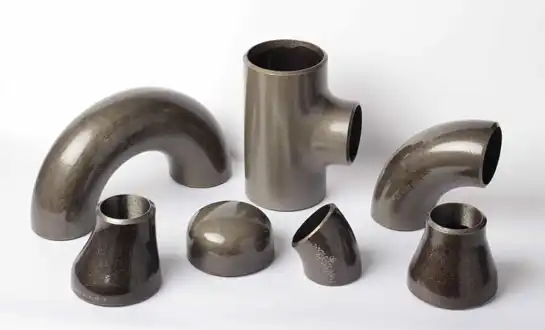
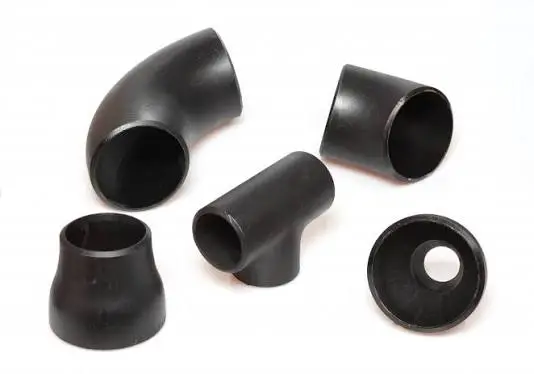
ASTM pipe fittings are the parts that connect pipes in a system. They allow for changes in direction, branch connections, and size changes while keeping the pressure intact. These fittings come in a range of styles, such as butt-weld elbows, tees, reducers, caps, and stub ends. Each is designed to do a specific job in a pipe network. ASTM standards set strict requirements for these parts' chemical composition, mechanical properties, manufacturing, and testing, while dimensional requirements are generally specified by applicable ASME or MSS standards. These rules make sure that the parts work the same way in all situations.
Key ASTM Standards Governing Pipe Fittings
For weldable parts, there are two main standards that are used to make specifications. The ASTM A234 standard covers wrought carbon steel and alloy steel parts made for mild to high temperatures. For general industrial services, Grade WPB is the industry standard. This standard covers fittings made by seamless or welded methods, with applicable forming, heat treatment, and cooling requirements depending on the material grade and manufacturing process. For chemical processing, food production, and pharmaceutical businesses, ASTM A403 specifies wrought austenitic stainless steel parts. Grades like WP304 and WP316 offer better corrosion resistance. These requirements cover chemical analysis, tensile testing, heat treatment, and applicable nondestructive examination and inspection requirements. They are the basis for quality assurance.
Common Fitting Types and Their Functions
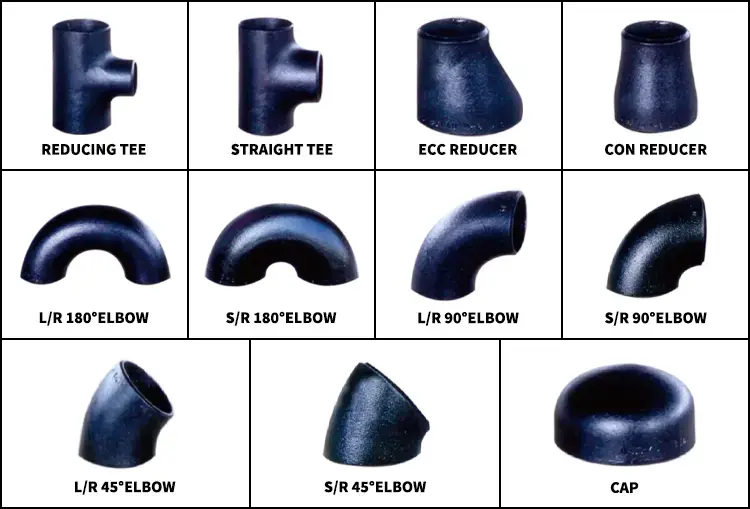
Knowing what each type of fitting does helps you match parts to the needs of the system. Elbows make it easy to change directions at different angles. Standard configurations include 90-degree and 45-degree angles. Long-radius elbows are suitable for high-velocity fluid systems because they reduce pressure drop and erosion. Tees connect branch lines, allowing fluid to flow into multiple pipelines. Reducers change the diameter of a pipe from one size to another. They come in two types of profiles, concentric and eccentric, so you can choose the right one for your needs. Caps keep pipe ends closed when the system is turned off or during maintenance. Stub ends, on the other hand, work with lap joint flanges to let you take systems apart for inspections that need to be done often.
Fittings with schedule designations such as SCH 40, SCH 80, or XXS should be selected to match the applicable pipe dimensions and pressure requirements so that the connection and internal transitions are suitable for the system. When dimensions or specifications do not match, the resulting mismatch can create flow disturbances and stress concentrations that accelerate erosion and weaken the joint. Material test reports prepared in accordance with EN 10204 Type 3.1 can provide traceability for each production lot, including heat numbers, chemical composition, and mechanical test results.
Core Criteria for Choosing the Right ASTM Pipe Fittings
To choose the right fittings, you need to carefully evaluate the operating conditions and supplier qualifications. This decision framework helps buying professionals find a good mix between performance needs and cost concerns while keeping project risks to a minimum.
Assessing Operational Parameters
Ratings for pressure and temperature are what you use to choose a fitting. As the temperature rises, the allowable stress values for each ASTM grade decrease, so it's important to evaluate the applicable ASME B31.3 pressure, temperature, and allowable-stress requirements. For example, systems that deal with high-pressure steam need parts that are thick enough and made of a material that can withstand thermal cycles without deforming over time. The type of fluid also affects the choice of material. Corrosive chemicals need stainless steel or special metal grades, while carbon steel can be used in water or petroleum service.
The outdoor corrosion potential is affected by the environment around the pipe system. Offshore installations that are exposed to saltwater spray need to be more resistant to corrosion, so ASTM pipe fittings made from grades of stainless steel or carbon steel with protective coatings are often able to meet these needs. Extreme temperatures can weaken a material. For example, materials used in low-temperature service need to be evaluated for impact toughness to keep them from breaking easily.
Comparing Standards and Material Compatibility
In North America, projects commonly use ASTM material specifications together with applicable ASME dimensional and design standards. Projects in other countries may also reference EN, DIN, or other regional standards. In addition to ASTM material requirements, ASME B16.9 sets the sizes for factory-made wrought parts. Understanding these connections keeps design disagreements from happening during the buying process. Different dimensional limits are used by DIN standards, which are common in European markets. You may need dimensional conversion or standardization checks to ensure compatibility.
Material suitability isn't just about the fitting; it's about the whole system of pipes. Galvanic corrosion happens when two different metals touch each other in a solution, which speeds up the breakdown of the materials. When connecting carbon steel parts to stainless steel pipe, you need to use separation methods or choose materials that keep electrochemical potential differences to a minimum.
Evaluating Supplier Credentials
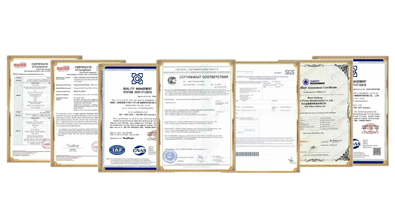
Supplier dependability has a direct effect on the success of a project, especially for contractors who have to meet tight deadlines and distributors who need to keep stock for local markets. An ISO 9001:2015 certification shows that a supplier is dedicated to quality management systems, and an API certification proves that the supplier has the skills to work in a certain industry. Reports from third-party inspection services like SGS or Bureau Veritas give you an independent check of the material's qualities and measurements.
Reliable suppliers are different from commodity vendors because they deliver on time and offer expert help. EPC contractors who are in charge of complicated projects gain when their providers offer technical help, help with choosing materials, and quick customer service. Stable supply lines help distributors keep stock on hand for their customers, cut down on wait times, and support just-in-time delivery models.
Comparison of ASTM Pipe Fittings: Materials, Standards, and Performance
Being aware of the detailed differences between material types and standards helps you make the best choice based on your needs and your budget.
Carbon Steel vs. Stainless Steel Fittings
Carbon steel fittings made to ASTM A234 WPB have good mechanical strength and aren't too expensive. This means they can be used in a wide range of industrial settings, such as distributing water, compressing air, and processing hydrocarbons. Their main weakness is that they are easily corroded, so they need protective coverings or cathodic protection in places where rust is likely to happen. Normalizing is one type of heat treatment that refines and homogenizes the grain structure and helps develop consistent mechanical properties throughout the fitting.
Fittings made of stainless steel that meet ASTM A403 standards have chromium-rich passive oxide layers that make them more resistant to corrosion. Grade WP304 has 18% chromium and 8% nickel, which makes it resistant to corrosion in most atmospheric and mildly corrosive conditions. Grade WP316 has molybdenum added to it, which provides superior resistance to chloride-induced pitting and crevice corrosion. This makes it a better choice for marine environments, chemical processes, and food production where chloride exposure is a concern. Even though stainless steel parts cost more to make, they usually have a lower total cost of ownership because they don't need as much upkeep and last longer.
Specialized Grades for Demanding Applications
Specialized metal types are needed in fields that work at high temperatures or with harsh fluids. As the temperatures rise in power plants and industrial plants, ASTM A234 WP11 and WP22 chrome-moly fittings keep their strength and resistance to creep beyond what carbon steel can do. For low-temperature or cryogenic service, ASTM A420 (such as Grade WPL6) specifies impact-tested wrought fittings, while ASTM A815 covers duplex and super duplex stainless steel fittings (e.g., UNS S31803 and S32750) for extreme offshore and corrosive chemical environments.
During the selection process, economic factors are weighed against performance requirements. Chemical companies that work with corrosive media should invest in stainless steel to avoid safety issues and unexpected shutdowns. When used in infrastructure projects with mild service conditions, carbon steel fittings with the right protective measures save money.
Procurement Strategies for Buying ASTM Pipe Fittings
Efficient buying strikes a balance between quality control and lowering costs, while also making sure that the supply chain is reliable so that projects can be finished on time.
Verification and Documentation Requirements
The first step in verifying ASTM pipe fittings is to have the right paperwork. Material test reports must include specific heat numbers that match the marks on each fitting. This makes it possible to link test results to production records. The chemical analysis results should comply with the applicable standard, and the mechanical test results should confirm the required tensile strength, yield strength, and elongation values. Dimensional inspection reports verify that fitting dimensions and geometries meet the tolerances specified by ASME B16.9, helping ensure proper fit-up during installation.
For critical applications, procurement specifications may require third-party inspection to provide independent verification beyond manufacturer certifications. This can reduce acceptance risks when sourcing from unfamiliar suppliers or for projects with strict compliance requirements.
Bulk Ordering and Custom Manufacturing Advantages
Large projects and distributors who keep goods in stock can save a lot of money by buying in bulk. Manufacturers may offer better prices for large orders, and combining shipping costs lowers the cost of operations. However, bulk purchasing requires accurate demand forecasting to avoid excess inventory and excessive storage costs.
Custom manufacturing meets the specific needs of each project in a way that standard catalog items can't. Specifications can be met with custom sizes, unusual materials, or non-standard pressure values, but it will take longer and cost more per unit. This flexibility is good for engineering firms that are in charge of different installations because it makes sure that the systems work well together.
Building Supplier Partnerships
Long-term relationships with suppliers give you benefits over transactional prices. Preferred supplier agreements make sure that supplies are given out first when they are in short supply, and joint partnerships make it possible to use value engineering to improve standards without lowering performance. Distributors who build strong supply networks keep their inventory sources reliable, keeping their own promises to customers and building a name for reliability in the local market.
Case Studies & Best Practices in Selecting ASTM Pipe Fittings for Reliability
Real-life examples show that choosing the right fitting and installing it correctly can have measurable benefits.
Chemical Plant Corrosion Mitigation
A chemical processing plant had problems with its pipe system that handled acidic solutions on a regular basis, which stopped production and raised safety issues. An investigation showed that the carbon steel fittings were not suitable for the corrosive environment. The plant switched to ASTM A403 WP316L fittings, which feature a low carbon content (max 0.030%) to prevent weld sensitization and intergranular corrosion in the heat-affected zone. This change to the material significantly reduced corrosion problems and extended the expected service life of the system. The initial investment in stainless steel parts paid off in a big way by lowering the cost of upkeep and making the system more reliable.
Best Practices for Installation and Maintenance
Using the right installation methods has a big effect on how well and how long a fitting lasts. Butt-weld fittings commonly use a beveled end preparation, often around 37.5°. The exact geometry should be determined according to the applicable dimensional standard and welding procedure to achieve the required joint performance. To prevent undesirable changes to the microstructure while getting full fusion, welders must keep the right amount of heat input. For some materials and sizes, a post-weld heat treatment may be needed to relieve residual stresses and restore material ductility in the weldment.
As part of routine inspections, the quality of the weld should be looked at visually, critical joints should be inspected for defects, and ultrasonic thickness measurements should be done on a regular basis to track the rate of erosion. Preventive maintenance programs identify patterns of wear and deterioration before they lead to failure, so replacements can be planned for planned downtime instead of last-minute fixes. When inspection results are written down, they become historical records that can be used to support predictive maintenance strategies and life-cycle planning.
Conclusion
You have to find the right balance between technical performance, regulatory compliance, and cost when choosing ASTM pipe fittings for your particular application. Procurement professionals can make decisions that lower project risks and support long-term system reliability when they know about ASTM standards, material properties, and supplier qualifications. If you're looking for fittings for a chemical processing plant that need to be resistant to corrosion or parts for building projects that need to be cost-effective, a thorough evaluation method will help you get the best results. Buying good fittings lowers the total cost of ownership because they last longer, need less maintenance, and keep expensive downtime from happening.
FAQ
1. How can I verify that pipe fittings meet ASTM standards?
Compliant ASTM fittings typically have markings stamped or otherwise applied to the surface of the part that show the ASTM standard, grade, heat number, and manufacturer's identification. Material test records that are certified to EN 10204 3.1 show that these marks are linked to the results of chemical analysis and mechanical testing. Before you accept these papers, ask for them and make sure that the heat numbers match the actual stamps.
2. What factors influence ASTM pipe fitting pricing?
The main factor affecting prices is the type of material used. For example, stainless steel grades cost more than carbon steel alternatives. The number of units ordered, the wall thickness, and the complexity of the dimensions all affect the unit cost. When compared to standard catalog items kept in seller inventory, unique specifications, additional certification requirements, and faster delivery times can increase prices.
3. Can ASTM fittings handle extreme temperature or corrosive environments?
Environmental suitability is based on the choice of materials. Carbon steel fittings work well in normal conditions, but they need special grades for high temperatures or coatings that protect them from corrosion. Some types of stainless steel, like WP316L, offer excellent corrosion resistance. Chrome-moly alloy steels, on the other hand, can provide good strength at elevated temperatures. Look at pressure-temperature values and test the compatibility of materials for your unique needs.
Partner With RAYOUNG for Reliable ASTM Pipe Fitting Solutions
Getting reliable suppliers of high-quality ASTM pipe fittings cuts down on buying risks and speeds up project timelines. RAYOUNG keeps a large stock of buttweld steel elbows, reducers, and other weldable fittings made to ASTM A234 and A403 standards. We serve EPC contractors, international stockists, and industrial end users worldwide. Our ISO 9001:2015 certification, GOST-R compliance, and SGS validation show that we are dedicated to quality control and being ready for export. Our engineering team can help you find parts that meet the exact needs of your application, whether you need standard schedules or unique specs. You can talk to our team at info@hb-steel.com about your project needs and get full quotes from a reliable ASTM pipe fittings maker.
References
1. American Society for Testing and Materials. "ASTM A234: Standard Specification for Pipe Fittings of Wrought Carbon Steel and Alloy Steel for Moderate and High-Temperature Service." ASTM International, 2021.
2. American Society for Testing and Materials. "ASTM A403: Standard Specification for Wrought Austenitic Stainless Steel Piping Fittings." ASTM International, 2020.
3. American Society of Mechanical Engineers. "ASME B16.9: Factory-Made Wrought Buttwelding Fittings." ASME Standards, 2018.
4. American Society of Mechanical Engineers. "ASME B31.3: Process Piping Design and Construction." ASME Code for Pressure Piping, 2020.
5. Becht Engineering. "Material Selection for Piping Systems in Corrosive Service: A Practical Guide for Engineers and Procurement Professionals. " Journal of Pipeline Engineering, 2019.
6. National Association of Corrosion Engineers. "Corrosion Control in Industrial Piping Systems: Best Practices for Material Selection and Installation." NACE International Publications, 2020.

Need a quote? Want to see samples? Just say hello. We’re friendly. We’re fast. And we’re ready when you are.
Welcome to RAYOUNG – Strong Pipes, Stronger Promise