Best Pipe Fittings for Industrial Fluid Systems
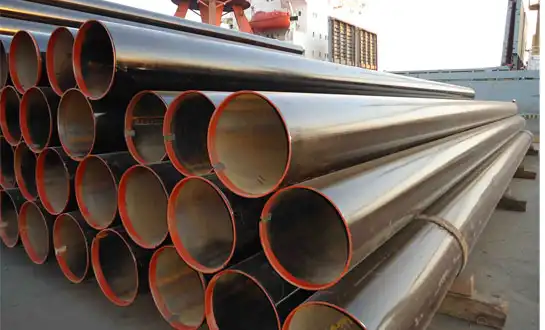
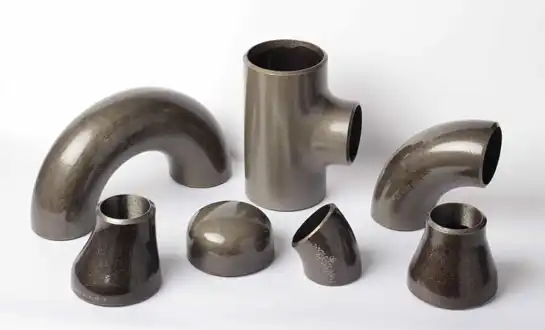
Selecting the best pipe fittings for industrial fluid systems requires balancing durability, compliance, and cost-effectiveness. Our experience shows that seamless steel fittings—including elbows, tees, and reducers—deliver superior performance in high-pressure applications compared to welded alternatives. These components form the backbone of reliable piping networks, minimizing project risk through proven material integrity while meeting ASME B16.9 and ASTM A234 standards that procurement professionals demand for industrial operations.
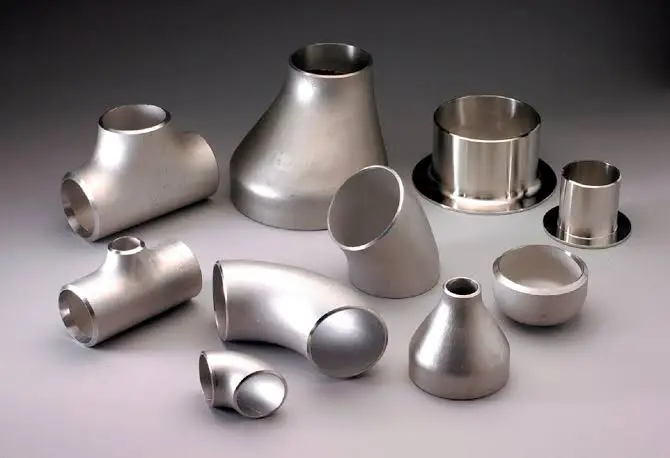
Understanding Pipe Fittings for Industrial Fluid Systems
Connectors for industrial pipe systems must be carefully chosen to ensure they work properly in a variety of situations. Knowing the properties of materials and the requirements for design helps people make decisions that don't lead to costly failures.
The Critical Role of Pipe Fittings in System Integrity
Pipe fittings change the flow direction, connect pipes of different sizes, and make branch lines in networks of industrial fluids. These parts have to be able to handle internal pressure, changes in temperature, and toxic media without putting the safety of the system at risk. One broken fitting can cause shutdowns that cost thousands of dollars an hour, so choosing the right materials is an important strategic buying factor. The American Society of Mechanical Engineers (ASME) sets standards for sizes that make sure products from different manufacturers work together. This makes installation easier for contractors who are working to tight deadlines.
Material Properties That Define Performance
Material choice has a direct effect on how well something resists rust, how much pressure it can hold, and how long it will last. Because they are strong and easy to weld, carbon steel fittings made to ASTM A234 WPB standards are most often used in oil and gas uses. In pharmacy and food processing facilities, stainless steel types (ASTM A403) can stand up to harsh chemicals, while alloy steel types can handle high temperatures in power plants. The chemical make-up of each type of material is different. The amount of carbon affects how hard it is, while chromium and nickel content dictate corrosion resistance in aggressive chemical environments. Positive Material Identification (PMI) reports should be checked by procurement teams to make sure that the alloy makeup fits the specs. This will stop the substitution problems that happen a lot when buying from other countries.
Advantages of Seamless Steel Pipe Fittings
Seamless construction gets rid of weld seams, which can become weak spots when the structure is loaded and unloaded over and over again. Made from solid billets using hot-forming methods, these fittings eliminate longitudinal weld seams and can provide consistent material properties when manufactured to the applicable specification. The continuous internal surface can help maintain consistent flow characteristics and minimize localized turbulence when the fitting is properly manufactured and installed. Industries that use abrasive slurries can benefit from seamless elbows with even wall thickness, which stops erosion-related thinning. Ultrasonic Testing (UT) can be used to examine internal discontinuities, while Magnetic Particle Inspection (MPI) is primarily used to detect surface and near-surface discontinuities. They provide documentation that meets government tender requirements for infrastructure projects.
Comparing Pipe Fitting Types for Industrial Applications
In different work settings, different connection methods work best. Matching the type of fitting to the pipe material and service conditions keeps construction costs low and guarantees long-term dependability.
Butt-Weld Fittings for High-Pressure Systems
Fusion welding makes butt-weld connections permanent, which is suitable for a wide range of pressure piping systems when properly designed and welded. For these fittings to work, the ends need to be cut at an angle of 37.5° ±2.5° so that full-penetration welds can be made. Installers need to follow the applicable requirements of ASME B31.3 for welding, including preheating and postweld heat treatment when required by the material, thickness, and qualified welding procedure. Although qualified welders and appropriate non-destructive examination may be required, properly designed and welded joints can provide the required mechanical integrity for the piping system. This method is preferred by EPC companies for petroleum plants that need to be leak-free, which means paying more for labor. Following the measurements in ASME B16.9 for center-to-face ensures a good fit, which cuts down on rework during construction.
Threaded and Grooved Couplings for Modular Systems
Threaded fittings are mechanical pipe fitting connections commonly used for smaller-bore piping, with allowable pressure determined by the fitting material, size, temperature, thread standard, and applicable product specification. NPT (National Pipe Thread) profiles make interference fits that seal through thread deformation. To stop leaks, pipe dope or PTFE tape is needed. This method works well for small-bore setups (less than 2 inches) where taking parts apart for repair gives the operator more options. Grooved couplings are an improvement for larger diameters. They use bolted housings to compress rubber gaskets. This method can reduce installation time compared with welding, which makes it appealing to mechanical workers who have to watch their labor costs. In exchange, the gasket must be inspected on a regular basis to make sure it stays compressed. This means that building managers have to plan for extra maintenance activities.
Specialized Fittings for Flow Optimization
Lateral tees (45-degree lateral wyes) split flow at a 45-degree angle instead of the conventional 90-degree branch.This makes high-speed systems less turbulent. Compared with standard tees, this geometry can reduce flow disturbance and pressure loss in some applications. This means that less energy is used for pumping in long pipelines. The gradual flow shift can also reduce wear in abrasive-media applications, which may extend fitting service life in slurry transport systems. When using reducers to connect pipes of different sizes, it's important to pay attention to the contraction angles. Concentric designs work best in gas systems where symmetrical flow is important, while eccentric designs keep liquid from pooling in horizontal runs. By understanding these details, engineering firms can choose parts that match hydraulic calculations and avoid performance problems.
Installation and Maintenance of Industrial Pipe Fittings
Using the right installation methods will keep you from having to redo work and make sure that the design pressure ratings are respected in the field. Maintenance plans make things last longer and cut down on unexpected downtime.
Step-by-Step Installation Best Practices
Getting leak-free links starts with getting ready. When installing pipes, installers need to make sure that the fittings are the right size and that the wall thickness schedules (Schedules 40 through XXS) are compatible. Beveled ends need to be checked for flaws—nicks or gouges create stress concentrations that can propagate into fatigue cracks under cyclic pressure loading.During tack welding, alignment tools keep things straight, which stops misalignment that causes bending stresses. Welding methods must follow approved WPS (Welding Procedure Specifications), which control the amount of heat used to keep grains from growing and weakening the metal. Visual inspection, dye penetrant tests for surface cracks, and X-rays of key joints are all parts of the post-weld inspection. Before the system is put into service, it is tested hydrostatically at the pressure required by the applicable piping code and project specifications to make sure it works properly. This is documented proof that meets insurance standards.
Essential Tools and Efficiency Techniques
For professional construction, you need special tools. Pipe beveling machines prepare the edges of multiple joints in the same way, which improves the quality of the weld and cuts down on grinding time. Alignment clamps keep the gap sizes the same while welding, which is especially useful for large-diameter headers that can't be adjusted by hand. For thick-wall materials, induction heating systems provide controlled warming, which gets rid of the uneven temperatures that cause warping that come from torch heating. Ultrasonic thickness gages check the sizes of all the walls in the system, finding any differences in the way they were made before they are installed. Medium-sized engineering firms that compete on fixed-price contracts should think about investing in calibrated tools to cut down on repair costs that eat away at project earnings.
Maintenance Strategies for Long-Term Reliability
Regular inspections keep small problems from getting worse and leading to failures. A visual inspection shows that the outside is corroding, the paint is wearing off, and there is mechanical damage from operations. Ultrasonic thickness monitoring detects wall loss in corrosive services and can trigger replacement planning before a through-wall defect develops. During turnarounds, bubble testing on threaded connections and dye penetrant application on weld heat-affected zones are two ways to find leaks in a pipe fitting. Vibration analysis finds links that aren't tight in pulsating flow systems, where threads loosen up because of repeated loads. Maintaining inspection logs that record what was found helps reliability-focused maintenance programs that choose the best time to intervene. Facilities that use ISO 55000 asset management systems use this information to plan their capital replacement funds, which helps them avoid having to buy expensive things in a hurry.
Procurement and Sourcing Strategies for Pipe Fittings
Strategic buying strikes a balance between making sure of quality and cutting costs. Using objective criteria to evaluate sellers lowers the risk in the supply chain and keeps projects on schedule.
Supplier Evaluation and Certification Verification
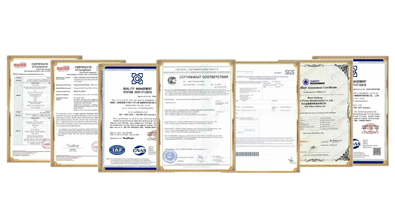
Manufacturers who are qualified have certifications that show they have quality management systems in place. Registration under ISO 9001:2015 means that there are written methods for controlling the process, tracking down materials, and taking corrective action. Pressure Equipment Directive (PED) conformity assessment is important for applicable pressure equipment projects in Europe, while applicable GOST or EAEU conformity requirements may be required for products supplied to the Russian and Eurasian markets. The buying teams should check mill test reports (MTRs) to make sure that the chemical analysis and mechanical qualities are within the limits set by the specifications. Third-party inspection services, like SGS or Bureau Veritas, offer independent confirmation, which is especially helpful when buying from sellers you don't know well. If there are problems in the field, suppliers who offer full traceability from the heat number to the finished product can help with quality reviews. This keeps project partners from being held legally responsible.
Pricing Structures and Volume Optimization
Fitting prices depend on the type of material, the range of sizes available, and the number of items ordered. Products made of carbon steel are the affordable standard. Stainless steel, on the other hand, generally costs more, with the price difference depending on the grade, alloy content, size, manufacturing process, and market conditions. Large-diameter fittings need special forming tools, which makes production more difficult and drives up unit prices by a huge amount for sizes bigger than 24 inches. Volume savings may apply as order quantities increase, with discount levels depending on the supplier, product mix, and order size. Distributors who keep goods in-house can deliver quickly, but they charge more than what the mill would charge directly. To find the best balance between lead time and carrying costs, you need to look at the project schedules. For example, early procurement may secure better pricing but ties up working capital, while just-in-time delivery can increase exposure to schedule delays. Suppliers who work on multiple projects in the same area can combine orders to get better prices based on volume, which is helpful for smaller companies who don't have the buying power to do it on their own.
Warranty and After-Sales Support Criteria
Products from reputable sources come with guarantees that cover material flaws and non-conformance with dimensions. Warranty terms vary by supplier and contract, so buyers should confirm the coverage period, exclusions, and claim procedures before placing an order. For an extra fee, you can get longer coverage. Quick technical support answers questions about installation in the field, avoiding delays when specifications need to be interpreted. When suppliers offer manufacturing services like custom beveling or coating application, it's easier for EPC workers to coordinate with all the different vendors they work with. When it comes to damaged packages and wrong items, return policies should let buyers get credit without having to pay refund fees. This protects buyers from the risk of freight damage. By looking at these parts of the service along with the price, you can make total cost comparisons that show you the real value.
Conclusion
To choose the best pipe fitting parts for an industrial fluid system, you have to balance technical requirements with the limits of the project. Seamless steel fittings made to ASME B16.9 standards have been shown to be reliable in tough situations, and choosing materials that are right for the job keeps them from breaking down too soon. Strategies for buying that focus on seller approval, volume optimization, and total cost analysis make sure that good products get delivered on time and within budget. We've been working with EPC contractors, facility managers, and distributors in the oil, gas, chemical, and power industries for decades. The information we've gathered helps us make confident decisions about parts that support operational excellence.
FAQ
1. How often should industrial pipe fittings undergo maintenance inspection?
The number of inspections depends on how hard the service is. For example, corrosive or high-temperature environments may require more frequent visual checks and periodic ultrasonic thickness measurements based on the applicable inspection program and risk assessment. Low-risk water systems may allow longer inspection intervals when supported by the applicable regulations, asset condition, and risk assessment. Applicable piping codes and regulations specify inspection and examination requirements. The frequency of in-service inspections should be established based on service conditions, risk, degradation mechanisms, asset condition, and applicable regulations. Inspection frequency may need to increase when degradation rates or operating risks become more significant.
2. What pressure rating should procurement specify for steam systems?
For use with steam, fittings must be rated for the temperature of fully saturated steam at the working pressure plus a safety cushion. For a 150 PSI steam system operating at approximately 366°F, the appropriate pressure class should be selected based on the material, design pressure, design temperature, and applicable ASME pressure-temperature ratings. Consult the ASME Steam Tables and the applicable piping design code (such as ASME B31.1 or B31.3) to calculate the required wall thickness, then select the matching pipe schedule (such as Schedule 80 or 160) that safely handles the design pressure and temperature. The material you choose—such as ASTM A234 WP1 or WP11 chromium-molybdenum alloys where appropriate—must have sufficient high-temperature strength and creep resistance for the intended service conditions.
Partner with RAYOUNG for Your Industrial Pipe Fitting Needs
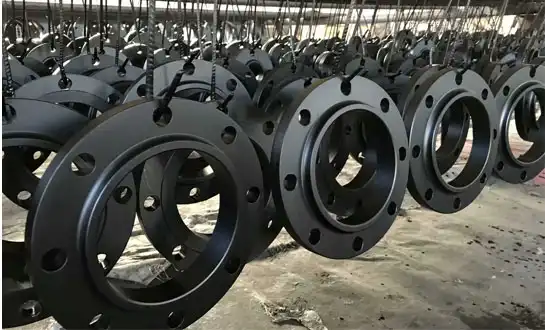
EPC contractors, distributors, and plant managers can source certified carbon and stainless steel pipe fittings from RAYOUNG that they can trust and that come with full quality paperwork. Our butt-weld elbows, tees, reducers, and flanges are made to meet ASME B16.9 and ASTM A234 standards. They come with mill test results, GOST-R certifications, and SGS certifications to help with project compliance around the world. We have been supplying the oil, gas, chemical, and power industries for decades, so we understand the complexities of sourcing high-integrity piping components while also meeting safety standards and cost limits. Email our technical team at info@hb-steel.com to talk about project details, get prices on special fabrication, or set up a third-party inspection for large sales.
References
1. American Society of Mechanical Engineers (2020). ASME B16.9: Factory-Made Wrought Buttwelding Fittings. New York: ASME Press.
2. ASTM International (2021). ASTM A234/A234M: Standard Specification for Piping Fittings of Wrought Carbon Steel and Alloy Steel for Moderate and High Temperature Service. West Conshohocken: ASTM International.
3. Nayyar, M.L. (2019). Piping Handbook, 8th Edition. New York: McGraw-Hill Education.
4. American Society of Mechanical Engineers (2018). ASME B31.3: Process Piping. New York: ASME Press.
5. Manufacturers Standardization Society (2017). MSS SP-75: Specification for High Test, Wrought, Butt Welding Fittings. Vienna: MSS.
6. Special Piping Materials (2022). The Complete Guide to Seamless and Welded Pipe Fittings in Industrial Applications. Manchester: SPM Technical Publications.

Need a quote? Want to see samples? Just say hello. We’re friendly. We’re fast. And we’re ready when you are.
Welcome to RAYOUNG – Strong Pipes, Stronger Promise