Top Long-Term Contracts: Flanges for Saudi Projects
The business sector in Saudi Arabia has long-term deals for flanges. These deals are part of long-term relationships that help oil, gas, and petrochemical companies finish projects successfully. Supply lines will always be the same, and high-quality standards will always be met thanks to these deals. This is important for building important infrastructure. When you're in charge of projects worth billions of dollars that have to meet strict international safety standards and work perfectly, it's important to find reliable flange sources that have done this before.
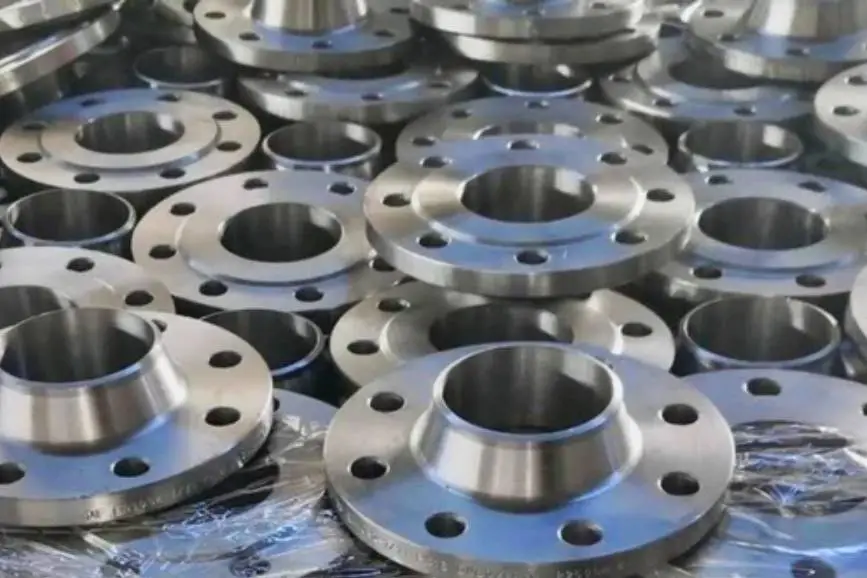
Understanding Flanges in Saudi Project Applications
The industrial setting of Saudi Arabia means that the country needs high-quality building solutions that can last in tough conditions. A big part of the world's energy supply comes from the oil and gas business in the kingdom. It depends on complicated pipe systems that are held together with flanges.
Critical Role in Petrochemical Infrastructure
In complicated pipe networks, flanges are key links that make it easy to put things together and fix them. They also help keep pressure in check in many cases. These parts make it easier to connect pipes, valves, and other pieces of equipment in places like pipelines, chemical plants, and remote platforms where stable operations are important for safety and production efficiency.
Standards Compliance and Quality Assurance
Saudi projects must carefully follow international standards such as ANSI, ASME, API, and the rules set by Saudi Aramco and other big players in the area. By following these rules, you can be sure that flanges meet the strict safety rules and long-lasting standards needed for them to work well for a long time. Products that are approved have to pass strict tests that show they can work in difficult conditions like high temperatures, pressure, and corrosion that are common in industrial settings in Saudi Arabia.
Material Compatibility Considerations
When picking supplies, it's important to pay close attention to their traits to make sure they'll work for the job. If the environment is tough, stainless steel flanges will last longer against rust. For everyday uses, carbon steel flanges are cheaper. Materials that are duplex or super duplex are used when strength and resistance to rust are very important.
Selecting the Right Flanges for High-Pressure and Corrosive Environments
Because working conditions are so bad in Saudi Arabia, there are some problems that can only be solved by people with a lot of advanced material science and engineering knowledge. It's important to be very careful when picking the flanges and materials you use when there are high temperatures, acidic substances, and big changes in pressure. This will help them last a long time.
Pressure Rating Classifications
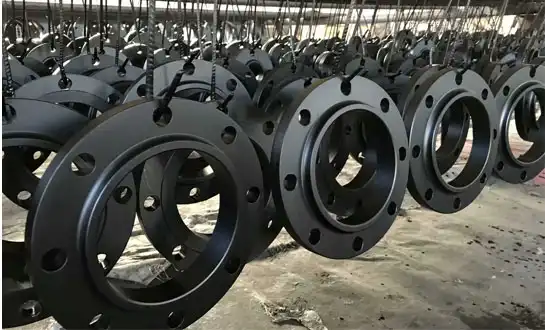
To pick the right flanges for work in Saudi Arabia, you should know how much pressure they can handle. For classes 150, 300, 600, 900, 1500, and 2500, the pressure is different. The application gets harder as the class level goes up. Weld neck flanges are stronger than slip-on choices most of the time. This makes them great for situations with a lot of pressure where the structure's rigidity can't be lost.
Corrosion Resistance Strategies
Because of things like high humidity, salt exposure, and chemical handling in the Gulf area, better corrosion defense methods are needed. 316L and other types of stainless steel are very good at not rusting. Inconel and Hastelloy are two other types of steel that work better in places where very strong chemicals are present. What kind of products you use directly impacts how much upkeep is needed and how much the whole job costs.
Design Configuration Options
When there is a lot of heat and pressure, weld neck flanges work great because they spread the stress out better and don't break easily. Slip-on flanges save money and make fitting easier for lower-pressure uses. Blind flanges, on the other hand, separate the system and make maintenance easier. Socket weld flanges are great for smaller lines, where it can be hard to get to the join area.
Procurement Insights: Securing Quality Flanges for Long-Term Saudi Contracts
If you want to buy things for Saudi projects, you need to know a lot about the market, what providers can do, and how transportation affects the costs and schedules of projects. So that you can stay ahead of the competition in this market, it's important to build relationships with qualified makers who always deliver on time and show quality.
Supplier Qualification Criteria
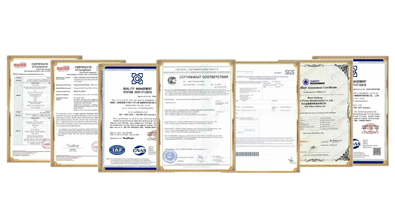
Before you choose a provider, you should check their production skills, flange quality certifications, and past work on projects like yours. An important step toward quality assurance is ISO 9001 certification. Other certifications, such as API 6A compliance and ASME standards compliance, show that the business knows a lot about important uses. They also need to make sure they have the right export licenses and know the rules of international trade that apply to Saudi goods.
Volume Pricing and Contract Structures
Long-term contracts save a lot of money most of the time because they lock in costs and volume for a long time. Most of the time, these deals include changes to the prices of materials, the plans for getting them, and the rules for making sure the quality is good. When you understand how order amounts, production wait times, and price structures all work together, you can better plan your budget and keep track of your stock.
Logistics and Delivery Considerations
It costs more and takes longer to send things in Saudi Arabia because of its geography and facilities. Direct shipping to major ports like Dammam and Jeddah is often the most cost-effective way to send large packages. It is important for providers and project teams to speak easily with each other and carefully plan their deliveries so that they don't conflict with important project dates. This will help avoid costly delays.
Installation, Maintenance, and Measurement: Best Practices for Flange Longevity
The right way to place and take care of flanges directly affects how well they work and how long they last in Saudi Arabia's harsh industrial settings. You will get the most out of your investment and keep things going as easily as possible if you do things like installation, inspection, and maintenance in a planned way.
Installation Standards and Procedures
There are steps to make sure the links don't leak when fitting a flange. Pay close attention to the bolt torque requirements, the choice of seal, and the positioning steps. This is often the case with Saudi projects, where mistakes made during installation can have very bad effects. It is possible to avoid problems like seal blowout, bolt failure, and damage to the flange face by following the manufacturer's directions and best practices in the field.
Preventive Maintenance Strategies
Setting up regular review times can help you find issues before they cause the system to break down. Look for rust, worn seals, and loose bolts when you visually check. These are common in places with a lot of rusting and high temperatures. Keeping track of repair jobs in a structured way lets you find trends and makes replacement plans better.
Measurement and Quality Control
When you install or fix something, make sure that everything fits together and lines up correctly by using accurate measuring tools. When you need to be very precise, like when you check the face finish, bolt circle width, and flange thickness, digital calipers and other specialized measuring tools are commonly used. These readings help make sure the parts are up to par and help you figure out which ones might need to be changed.
Flange Pressure Ratings and Material Selection Explained for Procurement Decisions
It is easier to buy things and be sure that the new system will work with the old one if you know the technical details that decide which flange to use. It is important that working factors, material values, and gasket needs all match up for the best performance and safety.
Pressure Rating Classifications and Applications
There are standard pressure numbers in ASME B16.5 that show the largest pressures that can be used at certain temperatures. Class 150 flanges work well for low pressures up to 285 PSI at 100°F (38°C). Class 2500 flanges, on the other hand, work better for high pressures up to approximately 6170 PSI at 100°F (38°C). To pick the right grade, you need to think about the steady and moving pressures over the whole range of operations.
Material Selection Guidelines
Carbon steel flanges made from ASTM A105 material are a cheap choice for everyday uses where rust is not a big issue. It costs more, but stainless steels like 304, 316, and duplex are less likely to rust. When temperatures are high, carbon steel might lose some of its strength, so alloy steel flanges are used instead.
Gasket Compatibility and Selection
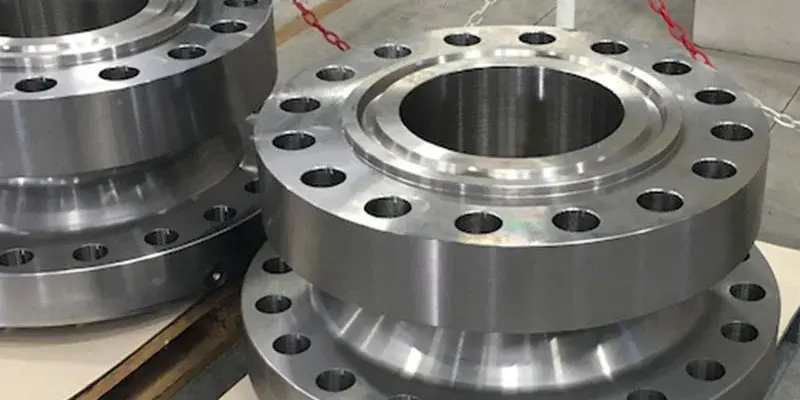
When picking a gasket for a flange, you need to think about how well it works and how well it works with chemicals. When the temperature changes, spiral-wound gaskets with stainless steel windings and a PTFE face work great. When there is a lot of pressure, RTJ gaskets provide superior sealing performance, but they require specially machined grooves in the flange faces.
Conclusion
For Saudi projects, long-term contracts for flanges are a good idea because they improve the project's safety and how well it goes. Good performance for a long time is guaranteed by picking skilled sources, the right goods, and the right way to put them all together. If you know about pressure levels, material qualities, and maintenance needs, you can make better buying decisions that meet both performance and cost needs. To do well in this tough market, you need to care about quality, stick to international standards, and work with partners who have been in business for a long time and know how to solve the problems that only come up in Saudi industrial settings.
FAQ
1. What are the typical lead times for custom flanges in Saudi projects?
It can take anywhere from 6 to 12 weeks to make a custom flange, depending on how quickly the seller can get the parts and how hard the job is. Standard sizes may be in stock or have lead times of only two to four weeks. People who sign long-term contracts often keep a strategic backup on hand in case of a disaster.
2. How do Saudi flange standards compare to international specifications?
ANSI, ASME, and API are some of the foreign standards that most Saudi projects follow. That being said, big businesses like Saudi Aramco have their own needs. Most of the time, these standards are higher than what is needed by international law to make sure they work in the hard weather that can happen in the area.
3. Are slip-on flanges suitable for high-pressure applications in Saudi projects?
Weld neck flanges are better for high-pressure work because they spread the stress better and don't wear out as quickly. Slip-on flanges can be used for light pressure. The choice is based on the pressure, temperature, and repeated stress that will be present during operation.
Partner with RAYOUNG for Your Saudi Project Flange Requirements
RAYOUNG has a range of full flange choices that were made to work in Saudi Arabia's tough industrial environment. Our manufacturing processes are certified to ISO 9001:2015, which means they always meet the needs of other countries' standards like ANSI, ASME, and API. For long-term project success, we know how important it is to have stable supply lines and low prices. We've worked with many large EPC companies and industry operators. Email us at info@hb-steel.com to talk about your flange source needs and find out how our experience can help your next project in Saudi Arabia.
References
1. American Society of Mechanical Engineers. "ASME B16.5 Pipe Flanges and Flanged Fittings: Standards and Applications in Industrial Projects." ASME International Standards, 2020.
2. Saudi Arabian Standards Organization. "Industrial Piping Standards for Oil and Gas Applications: Compliance Requirements and Quality Assurance Protocols." SASO Technical Publication, 2021.
3. International Association of Oil & Gas Producers. "Flange Selection and Installation Guidelines for Harsh Environment Applications." IOGP Technical Report, 2019.
4. Middle East Industrial Development Council. "Long-term Procurement Strategies for Critical Infrastructure Components in Gulf Cooperation Council Countries." MEIDC Research Publication, 2022.
5. American Petroleum Institute. "API 6A Specification for Wellhead and Christmas Tree Equipment: Material Selection and Performance Standards." API Standards Committee, 2020.
6. Gulf Petrochemical Industries Association. "Best Practices for Industrial Equipment Procurement in Middle Eastern Petrochemical Projects." GPCA Industry Guidelines, 2021.

Need a quote? Want to see samples? Just say hello. We’re friendly. We’re fast. And we’re ready when you are.
Welcome to RAYOUNG – Strong Pipes, Stronger Promise