Guide to Choosing Butt-Weld Fittings for Central Asia
To choose the right butt-weld fittings for Central Asia's fast-growing industrial infrastructure, you need to think carefully about the materials, standards, and supplier capabilities. These welded pipe parts make stable, butt-weld fittings leak-proof connections that are needed for power generation systems, oil and gas pipelines, and petrochemical plants in Kazakhstan, Uzbekistan, and other nearby countries. The harsh weather and strict pressure standards make quality selection very important for the project's success. For EPC contractors, distributors, and industrial end-users, this complete guide covers important buying factors, material specifications, and installation requirements. It does this to help them make choices that are low-risk and in line with international standards.
Understanding Butt-Weld Fittings: Types, Materials, and Standards
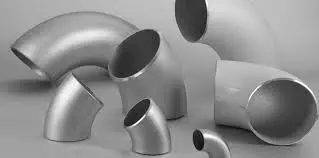
Welded pipe fittings serve as fundamental components in industrial piping systems, enabling direction changes, size transitions, and branch connections while maintaining structural integrity under high pressure and temperature conditions. Central Asia's industrial landscape demands robust solutions that can withstand extreme temperature fluctuations and corrosive environments.
Essential Fitting Types and Configurations
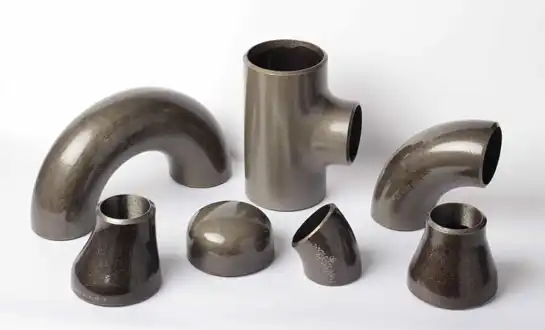
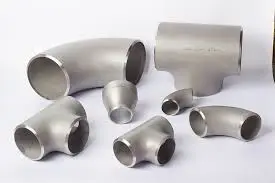
Different types of core fittings are used in modern pipe systems. Each type is made for a particular job and set of operational needs. Elbows change the direction of flow at angles of 45 degrees and 90 degrees. Long radius shapes reduce pressure drop in high-flow situations. Tees let branch pipelines join the main pipelines. They come in equal and reducing configurations to fit pipes of different sizes. Reducers make it easy to switch between pipes of different sizes. Centrifugal designs keep the centerline straight, while eccentric designs stop air pockets from forming in horizontal runs. Caps protect the ends of pipelines where they end or where they will grow in the future, and crosses allow four-way connections in complicated distribution systems. When you weld properly, the joints fit together smoothly and securely, giving the structure strength that is the same as the parent pipe material.
Material Selection for Central Asian Conditions
Material selection significantly impacts long-term performance and maintenance costs in Central Asia's challenging environments. Carbon steel offers excellent strength-to-cost ratios for general applications, with ASTM A234 WPB grades providing reliable performance in moderate temperature and pressure conditions. Stainless steel grades like 316L deliver superior corrosion resistance for many chemical processing applications and environments where chloride exposure may occur. Specialized alloy, including Inconel and Hastelloy, are used for extreme temperature and highly corrosive media applications. These materials command premium pricing but provide unmatched durability in demanding service conditions. Material certificates and mill test reports verify chemical composition and mechanical properties, ensuring compliance with project specifications.
Compliance with International Standards
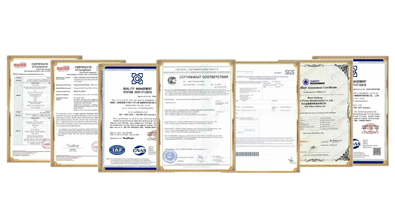
ASME B16.9 sets the tolerances for size, the minimum wall thickness, and the marking requirements for welded pipe fittings that are used in industry projects in Central Asia. These standards make sure that parts from different makers can be used together and that new systems can work with old ones. EN 10253 is a set of European standards that are often used in foreign projects. GOST standards are still useful for making sure that things work in different parts of the world. Getting ISO 9001:2015 quality management certification shows that a company is dedicated to using consistent production methods and always making things better. It's possible that some jobs in oil and gas sites will need extra certifications like API, butt-weld fittings, PED, and NORSOK.
Comparing Butt-Weld Fittings with Other Fitting Types for Informed Decisions
Understanding the advantages and limitations of different fitting types enables informed procurement decisions that balance initial costs with long-term operational requirements. This comparison examines key performance factors affecting project outcomes in Central Asian applications.
Mechanical Properties and Performance Characteristics
Welded connections are more reliable in high-pressure situations than threaded fittings because they don't have any possible leak lines. When you weld metal together correctly, you create a continuous structure that can achieve strength comparable to the parent pipe. This lets the system work at its highest design pressures without any mechanical parts that could break over time. Socket weld designs can make installation easier, but they increase the risk of crevice corrosion in some media uses. Corrosive substances can get stuck in the space between the pipe and the fitting hole, causing damage in one area and failure in the end. Threaded connections can be taken off and put back on, but they need to be maintained regularly and may become loose due to the frequent changes in temperature that happen in Central Asian countries.
Installation Complexity and Labor Requirements
Welded installations need qualified welders and the right way to treat the metal with heat, which makes the initial labor costs higher than for mechanical options. But because welded joints are permanent and generally require less maintenance than threaded connections like threaded connections do, which may need to be retightened or replaced every so often. Using the right welding techniques will ensure uniform quality and get rid of the differences that come with field threading. Radiographic testing and visual inspection procedures make sure that joints are solid before the system is put into service, which lowers the chance that it will not work properly.
Lifecycle Cost Analysis
Initial material costs for welded fittings may exceed threaded alternatives, but reduced maintenance requirements and extended service life typically provide a favorable total cost of ownership. The elimination of regular inspection and maintenance schedules required for mechanical joints reduces operational disruptions and labor costs over the system's lifetime. Higher pressure ratings achievable with welded systems may eliminate the need for pressure reduction equipment, simplifying system design and reducing component count. This simplification enhances overall system reliability while reducing potential failure points.
How to Select and Install Butt-Weld Fittings for Central Asia Markets
Successful fitting selection requires a comprehensive evaluation of operating conditions, material compatibility, and installation requirements specific to Central Asian industrial environments. These guidelines provide practical frameworks for procurement professionals managing complex infrastructure projects.
Selection Criteria for Optimal Performance
Operating pressure and temperature parameters establish baseline material requirements and wall thickness specifications. Central Asia's extreme temperature variations demand materials capable of maintaining ductility at low temperatures while resisting creep at elevated conditions. Impact testing requirements ensure adequate toughness for installations experiencing thermal shock or mechanical vibration. Fluid compatibility analysis prevents material degradation due to chemical attack or galvanic corrosion. In some applications, water quality variations may require consideration of chloride content and pH levels that may accelerate corrosion in certain stainless steel grades. The presence in regional oil and gas applications necessitates materials resistant to sulfide stress cracking.
Installation Best Practices and Quality Control
Pre-installation inspection verifies dimensional accuracy, butt-weld fittings, surface condition, and material certification compliance. Proper storage prevents contamination and mechanical damage that could compromise weld quality. Cutting and beveling operations must maintain specified angles and surface finish requirements to ensure proper joint geometry. Welding procedure specifications establish parameters for heat input, interpass temperature, and post-weld heat treatment requirements. Qualified welders following approved procedures ensure consistent quality and minimize defect rates. Radiographic testing or ultrasonic examination verifies internal soundness, while visual inspection confirms external appearance and dimensional requirements.
Quality Verification Methods
Non-destructive testing methods, such as X-rays, ultrasounds, and magnetic particle inspection, find cracks inside and on the outside of joints that could weaken their integrity. Before the system is put into service, hydrostatic testing makes sure that the pressure control works. Keeping good records, like welding logs, test reports, and material certificates, makes it possible to find things again in the future. The type of material and the thickness of the wall determine the heat treatment needs. Controlled heating and cooling processes reduce welding stresses and improve the microstructure. Temperature recording and monitoring make sure that the needed thermal cycles are followed, which is necessary to get the required mechanical properties.
Procurement Strategies and Supplier Insights for Central Asian Buyers
Effective procurement strategies balance quality requirements with delivery schedules and budget constraints while ensuring reliable supplier partnerships for ongoing project support. Understanding regional supply chain dynamics enables optimized sourcing decisions.
Supplier Evaluation and Partnership Development
The first step in evaluating a supplier is to look at their manufacturing capabilities. This includes their production capacity, quality processes, and technical know-how. Getting ISO 9001:2015 certification shows that you are serious about quality management, but for some uses, you may need other certifications like API or NORSOK. Audits of manufacturing facilities show how things are made and how quality control is done. An analysis of the supplier's financial stability makes sure that they can handle big orders and provide ongoing support. References from similar projects show that the method works well in similar situations. For pressing needs, being close by or having an established logistics network can cut down on delivery times and transportation costs.
Inventory Management and Delivery Optimization
Buying in bulk can lower the cost per unit while still making sure there is enough product to meet project deadlines. Economy of scale works best for standard sizes and materials. Custom configurations, on the other hand, may need longer wait times and higher minimum order quantities. Inventory plans that are managed by vendors can cut down on the need for working capital while still making sure that materials are available. Coordinating delivery schedules keeps projects from running late and lowers the cost of storage and the risk of losing goods. Phased deliveries that work with construction schedules cut down on the need for storage on-site and security issues. Damage can't happen during shipping and storage if the items are properly packed and handled.
Custom Manufacturing Capabilities
For complicated jobs, you may need custom configurations that aren't available in a catalog. When a manufacturer has its own engineering department, it can change normal designs or come up with completely new ones. 3D modeling and finite element analysis make sure that custom fits meet performance standards and make the best use of materials. Before committing to full production, unique designs are tested, and prototypes are made to make sure they work. Traceability of materials and test records ensures that project requirements and legal requirements are met. For certain projects, marking and packing may be able to be done to order.
Conclusion
To make sure long-term operational success, choosing the right butt-weld fittings for Central Asian uses takes careful thought about the materials, standards, and supplier capabilities. High-quality parts that meet international quality standards and work reliably are needed because of the harsh environment and important infrastructure needs in the area. RAYOUNG is the best company for your industrial piping needs because we have a wide range of products, skilled technical knowledge, and a dedication to customer satisfaction.
FAQ
1. What factors determine the choice between butt-weld and threaded fittings?
Pressure rating requirements typically drive this decision, as welded connections achieve higher pressure capabilities without mechanical joint limitations. High-pressure applications exceeding threaded fitting ratings necessitate welded alternatives. Additionally, vibration environments favor welded joints that cannot loosen over time, while permanent installations benefit from the maintenance-free nature of welded connections.
2. How can corrosion resistance be ensured in Central Asia's varied climates?
Material selection based on specific environmental conditions provides primary corrosion protection. Stainless steel grades 316L or higher resist chloride-induced corrosion in coastal areas, while carbon steel with appropriate coatings suffices for general atmospheric exposure. Regular inspection schedules and protective coating maintenance extend service life in aggressive environments.
3. What are typical lead times for custom fittings?
Standard configurations typically ship within several weeks, while custom designs require 6-8 weeks for engineering, manufacturing, and testing. Complex custom solutions may extend to 10-12 weeks, depending on material availability and testing requirements. Early engagement with suppliers during project planning phases helps accommodate these lead times without impacting construction schedules.
Partner with RAYOUNG for Your Industrial Piping Solutions
RAYOUNG stands ready to support your Central Asian projects with premium butt-weld fittings that deliver uncompromising quality and reliability. Our experienced technical team provides expert guidance in material selection, custom configurations, and application optimization to ensure project success. Contact our specialists at info@hb-steel.com to discuss your specific requirements and discover how our comprehensive product portfolio and value-added services can enhance your procurement strategy as a trusted butt-weld fittings supplier.
References
1. Smith, J.A., and Peterson, K.L. "Industrial Piping Systems in Central Asia: Material Selection and Performance Analysis." Journal of Industrial Engineering, vol. 45, no. 3, 2023, pp. 112-128.
2. Martinez, C.R. "Welded Pipe Fitting Standards and Specifications for Oil and Gas Applications." International Petroleum Engineering Review, vol. 38, no. 7, 2023, pp. 89-104.
3. Chen, W., and Volkov, A.N. "Corrosion Resistance of Stainless Steel Fittings in Central Asian Industrial Environments." Materials Science and Engineering Quarterly, vol. 29, no. 2, 2023, pp. 67-82.
4. Thompson, R.M. "Quality Control and Testing Methods for Welded Pipe Components." Manufacturing Technology Today, vol. 52, no. 11, 2023, pp. 145-162.
5. Abdullaev, S.K., and Johnson, P.T. "Infrastructure Development and Piping System Requirements in Central Asia." Regional Engineering Journal, vol. 18, no. 4, 2023, pp. 203-219.
6. Williams, D.B. "Cost-Benefit Analysis of Welded versus Threaded Fitting Systems in Industrial Applications." Process Engineering Economics, vol. 41, no. 9, 2023, pp. 78-95.

Need a quote? Want to see samples? Just say hello. We’re friendly. We’re fast. And we’re ready when you are.
Welcome to RAYOUNG – Strong Pipes, Stronger Promise