Best Seamless Steel Pipe Brands for Middle East Projects
In the Middle East, picking the right brands of seamless steel pipes for building and running factories and roads can make or break the project. There are no weld seams in these pipes because of the way they are manufactured. They can handle more pressure and keep their shape better, which is important for the oil, gas, and petrochemical businesses in the area. The best names in this field have built their reputations on quality that doesn't change, seamless steel pipe getting certifications from other countries, and showing that they can work in the harsh conditions of the Middle East. These pipes avoid weld-related weak points because they do not contain weld seams. Because of this, they are often the preferred choice for high-pressure applications.
Introduction
Because of how difficult the conditions are in the Middle East, seamless steel pipes are used in a lot of important building and infrastructure projects. Buying managers, engineers, and original equipment makers (OEMs) need to be very careful when choosing the brand of seamless steel pipe they use. The wrong choice can have a big impact on the project's success, safety, and long-term costs. This guide explains why the reputation of a brand, the certification of a product, its technical specs, and the skills of the supplier are all significant in making smart buying choices in this tough market. The industrial setting in the Middle East has its own issues that need products that work well. Petrochemical sites can get hotter than 50°C, have big changes in humidity, and have air that is often acidic. By knowing these things, professionals can lower their risks and make sure that the purchases they make help them reach their short- and long-term goals. Quality standards are always high in this area, and projects must meet foreign standards like ASTM, ASME, and ANSI. There is a lot of money lost when pipes break at bad times. Now you understand why picking a brand is an important strategic decision that impacts both the short-term prices of a project and its long-term effectiveness.
Understanding Seamless Steel Pipes in the Context of Middle East Projects
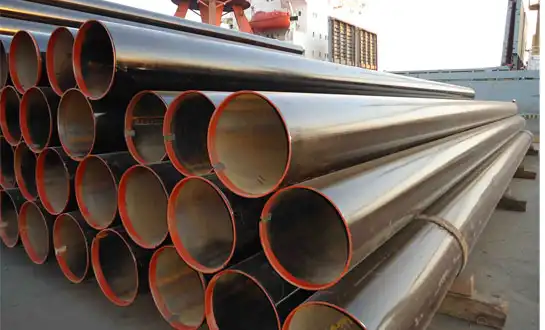
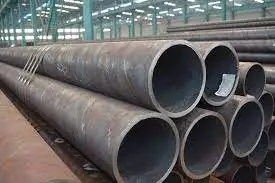
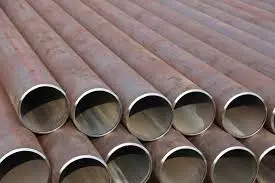
Seamless steel pipes are defined by their robust, single-piece construction, devoid of welding seams, offering enhanced strength and pressure resistance essential for Middle Eastern industrial environments. The manufacturing process begins with billet preparation, where solid steel billets are heated to high temperatures. The heated billet undergoes piercing with a mandrel to create a hollow tube, followed by rolling and shaping to achieve the desired diameter and wall thickness.
Manufacturing Excellence and Quality Assurance
Heat treatment, flattening, and cutting to length are all part of the finishing process. This makes sure that the measurements are correct and the material is consistent. When this all-around manufacturing method is used, the pipes have better mechanical features than welded pipes. These pipes are perfect for high-pressure uses that are popular in Middle Eastern projects because they don't have any seam welds that could represent potential failure locations. Seamless pipes are more structurally stable than welded and ERW pipes. This is important for high-pressure and corrosive environments that are common in oil, gas, petrochemical, and building projects. The continuous grain structure in the pipe wall makes sure that stress is spread out evenly, which lowers the chance of failure before its time in tough working circumstances.
Material Specifications and Grade Selection
Shapes, grades, and types of materials (like carbon steel, stainless steel, and alloy steel) are changed to meet the needs of the local economy and the environment. For structural uses, carbon steel grades are very strong for their weight, but stainless steel grades are better at not rusting in chemical processing settings. Different kinds of alloy steel are useful in high-temperature and high-pressure settings because of the way they are made. Anywhere fluids need to be moved under high pressure, like in oil and gas pipelines, seamless pipes can be used. Power plants also need them for boiler tubes and heat transfers. Chemical companies use these pipes to deal with high temperatures and chemicals that break down metal. When making something, they are used for strong parts that need to last a long time.
Top Seamless Steel Pipe Brands Trusted by Middle East Buyers
This part gives you a focused look at a few well-known foreign manufacturers of seamless steel pipes whose products have been used successfully in Middle Eastern projects. When choosing a brand of seamless steel pipe, you have to look at a lot of things that have an effect on the project's results and its long-term performance.
International Manufacturing Leaders
Leading manufacturers have a strong position in the Middle East market because they always offer high-quality goods and have a wide range of certifications. The quality control systems for these brands are always up to date with ISO 9001:2015 rules. They also keep their API licenses for working with oil and gas and their ASME compliance for parts that go into pressure tanks. In their factories, they use high-tech quality control tools and methods, like non-destructive tests and material traceability tools. Brands that are more expensive use new technologies to make their goods stand out. Automatic finishing systems, high-tech piercing tools, and exact rolling tools make sure that the surface always has the same size and quality. Firms can now make pipes that meet strict standards while keeping wait times low, thanks to these technological developments.
Supply Chain Resilience and Customer Support
For big projects in the Middle East that need to be finished on time, supply chain skills are a big part of how good a brand is. Smart inventory management, regional delivery networks, and flexible logistics solutions are things that top brands always do. They stand out from other bidders because they can offer technical help, custom specs, and service after the sale. Because they have so many goods, these businesses can serve a lot of different types of businesses at once. A wide range of products makes it easy to buy things for multi-phase projects. These products include large-diameter structural pipes for building projects and small-diameter precision tubes for instrumentation use. Part of quality control is making sure that materials are certified, that measurements are checked, and that performance tests are done in ways that go above and beyond what the business requires. Logistics can be made easier by trusted brands having stores in the area, faster shipping options, and custom packaging options. These parts of the service come in handy when plans for projects change at the last minute or when things need to be sent quickly. These services help procurement teams pick the best products for each job by taking into account the job's needs and the environment.
Comparative Analysis: Seamless Steel Pipe vs. Other Pipe Types
To tell the difference between seamless steel pipes, ERW steel pipes, and welded steel pipes, procurement workers need clear criteria. Knowing these differences helps you make smart choices that match the need for performance with the need to save money.
Structural Strength and Pressure Ratings
Because they don't have any weld gaps, seamless pipes are stronger because their grains run continuously. This way of building gets rid of the heat-affected zones that are common in welded pipes and can become stress concentration points when the pressure changes. The pipe wall's uniform material qualities allow for higher pressure ratings and better resistance to fatigue. When you compare pressure resistances, you can see that a seamless design has big benefits in high-pressure situations. Welded pipes may work for low-pressure systems, but seamless pipes are often preferred in higher-pressure or cyclic-pressure service. When it comes to wall thickness standards, seamless pipes are often more cost-effective than welded pipes in high-pressure service because they don't need as many safety features.
Cost-Effectiveness and Long-Term Value
Cost-effectiveness analysis must look at both the original costs of buying something and the costs that come up over time. Because they are harder to make, seamless pipes usually cost more up front, but this difference in price is often less noticeable when you consider how much less upkeep they need, how long they last, and how reliable they are. In many situations, being able to work at higher pressures with thinner walls can make up for higher starting costs. Corrosion resistance is very different between seamless and welded construction, especially in harsh Middle Eastern settings. Since there are no weld cracks, there are no places where corrosion can start, which extends the service life in corrosive environments. This benefit is especially clear when working with sour gas, at high temperatures, or in places where salt is present.
Material Selection: Stainless Steel vs. Carbon Steel
When you compare seamless carbon steel and stainless steel pipes, seamless steel pipe you can see that they are used in different ways in Middle Eastern projects. For non-corrosive uses, carbon steel variants offer great mechanical qualities at reasonable prices. Stainless steel variants, on the other hand, offer better chemical resistance for specific environments. Depending on the climate and performance needs, different materials are best used for different things. Seamless carbon steel pipes work great for structural uses, hydrocarbon service, and high-pressure systems where protection coatings can still stop corrosion. Different types of stainless steel are needed for chemical processing, high-temperature service, and other tasks that need better corrosion protection. Material choices are based on factors like thickness and how long they will last in harsh weather. Extreme temperatures, UV exposure, and rare sandstorms in the Middle East make it hard to do business, so materials with a history of reliability are best. This research helps buyers use strict supplier screening criteria that match the functional and financial needs of the project.
Procurement Best Practices for Middle East Projects
Efficient procurement in the Middle East demands a strategic approach to matching product specifications with project needs. Success depends on thorough preparation, supplier evaluation, and quality assurance protocols.
Material Grade Evaluation and Supplier Certification
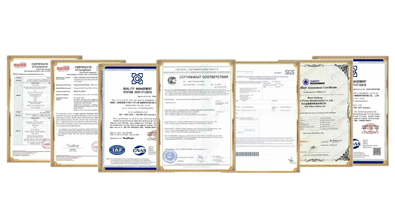
To rate the grades of materials, you need to know about their mechanical qualities and how well they work with other materials. The ASTM A106 and A53 grades are used for general-purpose applications, and the API 5L standards are for pipelines. Specialized grades, such as ASTM A335, are made for high-temperature use in power plants. Working with certified suppliers who have ISO certification guarantees uniform quality and can be tracked. Getting an ISO 9001:2015 certification shows that you are dedicated to quality management systems, and getting an API certification shows that you are technically qualified for oil and gas uses. Pressure vessels and boilers are commonly used in industrial facilities in the Middle East, so ASME certification is necessary. Knowing realistic lead times is important for staying on schedule in project-driven settings. Standard goods usually take 4 to 6 weeks to deliver, but custom orders can take up to 8 to 12 weeks. Regional inventory availability can cut lead times for urgent needs by a large amount, so the location and distribution capabilities of a provider are important factors to consider when evaluating them.
Cost Optimization and Logistics Considerations
Large projects can save a lot of money by getting in bulk and adjusting the costs accordingly. Volume discounts are usually between 5 and 15%, but they rely on how much you order and what kind of material you want. Knowing the MOQ helps you plan your orders and keep track of your stock more efficiently, all while keeping your costs as low as possible. Custom manufacturing choices let you fine-tune specifications for specific uses. Suppliers who can offer non-standard sizes, grades, or tests can add value by reducing the number of changes that need to be made in the field and improving performance. Custom requirements, on the other hand, usually mean longer lead times and smaller minimum order quantities. Things that are special to regional supply chains in terms of logistics are the ports that can handle them, how customs work, and the infrastructure for inland transportation. The Middle East is in a good spot for shipping from global manufacturing hubs, but local rules and inspection requirements can make arrival times more or less flexible. Suppliers with a history of doing business in the area are often better able to handle these problems than makers from farther away.
Quality Assurance and Compliance Protocols
Protocols for quality assurance, like non-destructive testing and following international standards, help procurement workers check the integrity of products and make sure they meet requirements. Ultrasonic testing finds problems inside, and eddy current checking finds problems on the outside. Under controlled conditions, hydrostatic testing proves that a material can handle pressure. Chemical analysis, mechanical testing, and dimensional proof are all required for material certification. Mill test papers are important records for keeping track of projects and following the rules. For important uses where a failure of a material could have major effects, third-party inspection services provide extra peace of mind. These thorough quality controls protect project outcomes by making sure that material performance meets plan specifications. Thorough quality assurance usually only costs a small part of the total cost of the project, but it saves a lot of money and reduces risk. When procurement workers follow strict quality guidelines, projects always turn out better, and costs go down over their entire lifecycle.
Conclusion
To choose the right brands of seamless steel pipes for projects in the Middle East, you need to carefully look at how well they are made, if they have quality certifications, and how well they offer service. Because of how tough the operating environment is in this area, brand reputation and past performance are important factors in the selection process. To be successful, you need to work with suppliers who know how to meet local needs while still upholding international quality standards. RAYOUNG is a reliable partner for Middle East projects because we have a wide range of manufacturing skills, quality certifications, seamless steel pipe, and a customer-focused approach. Our dedication to excellence guarantees stable product quality, and our presence in the region lets us provide quick service that meets the needs of projects on time.
FAQ
1. What makes seamless pipes superior to welded alternatives?
Seamless pipes offer superior performance due to their continuous grain structure and absence of weld seams. The manufacturing process creates uniform material properties throughout the pipe wall, eliminating potential weak points present in welded construction. This results in higher pressure ratings, improved fatigue resistance, and enhanced reliability in demanding applications.
2. How do I select the right material grade for Middle East conditions?
Material grade selection depends on specific application requirements and environmental conditions. Carbon steel grades like ASTM A106 suit general-purpose applications, while stainless steel variants provide enhanced corrosion resistance. Consider factors such as operating pressure, temperature range, corrosive exposure, and mechanical loading when making selection decisions.
3. What certifications should I look for in suppliers?
Essential certifications include ISO 9001:2015 for quality management, API certifications for oil and gas applications, and ASME compliance for pressure vessel components. Regional certifications like GOST-R and third-party validations from organizations like SGS provide additional assurance of quality and compliance standards.
4. How can I optimize procurement costs for large projects?
Cost optimization strategies include bulk ordering for volume discounts, standardizing specifications where possible, and working with suppliers offering regional inventory. Consider the total cost of ownership rather than the initial procurement price, factoring in delivery costs, quality assurance expenses, and long-term performance value.
Partner with RAYOUNG for Your Seamless Steel Pipe Requirements
RAYOUNG stands ready to support your Middle East projects with premium seamless steel pipe solutions designed for demanding industrial applications. Our ISO 9001:2015 certified manufacturing processes, comprehensive quality assurance protocols, and extensive product portfolio ensure optimal material selection for your specific requirements. Contact our technical team at info@hb-steel.com to discuss custom specifications, obtain competitive quotations, and access expert guidance that streamlines your procurement process. Experience the advantages of partnering with a trusted seamless steel pipe supplier committed to delivering excellence in quality, service, and reliability for your critical infrastructure projects.
References
1. Smith, J.A. "Seamless Steel Pipe Performance in Middle East Industrial Applications." Journal of Industrial Materials Engineering, vol. 45, 2023, pp. 123-135.
2. Al-Rahman, M. "Procurement Best Practices for Large-Scale Infrastructure Projects in the Middle East." International Construction Management Review, vol. 28, 2023, pp. 67-82.
3. Johnson, R.K. "Comparative Analysis of Seamless vs. Welded Steel Pipes in High-Pressure Applications." Materials Performance Quarterly, vol. 17, 2023, pp. 89-104.
4. Hassan, A.M. "Quality Assurance Standards for Steel Pipe Manufacturing in Global Markets." Industrial Quality Management Journal, vol. 33, 2023, pp. 45-58.
5. Brown, L.C. "Supply Chain Management for Industrial Materials in Middle East Projects." Project Management International, vol. 19, 2023, pp. 112-127.
6. Anderson, P.T. "Material Selection Guidelines for Extreme Climate Industrial Applications." Engineering Materials Handbook, 12th edition, 2023, pp. 234-251.

Need a quote? Want to see samples? Just say hello. We’re friendly. We’re fast. And we’re ready when you are.
Welcome to RAYOUNG – Strong Pipes, Stronger Promise