Flat Face Pipe Flange Uses in Water and Pump Systems
Flat face pipe flanges serve as fundamental connection components in water and pump systems, delivering dependable performance across municipal water treatment facilities, industrial pumping stations, and commercial building infrastructures. These specialised flanges feature a completely flat sealing surface that creates optimal contact with full-face gaskets, making them particularly effective in low-pressure water applications. The flat face flange design eliminates the raised surface found in standard flanges, allowing for even pressure distribution across the entire gasket interface. This configuration proves essential for systems utilising plastic piping, cast iron components, and applications where gentle sealing pressure prevents damage to brittle materials.
Understanding Flat Face Flanges: Design, Standards, and Materials
Core Design Characteristics and Applications
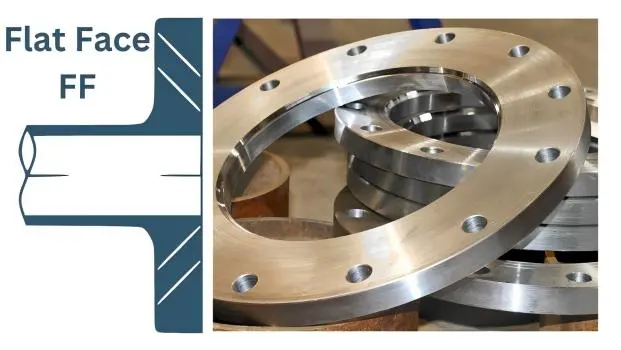
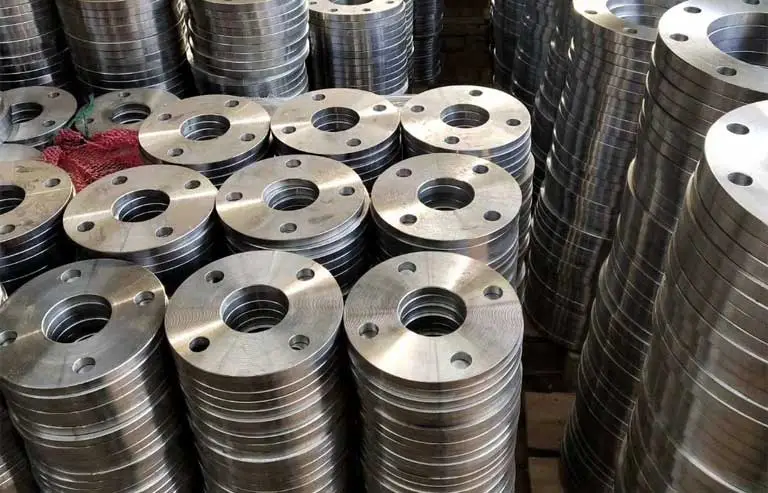
Flat face flanges distinguish themselves through their smooth, completely flat sealing surface that extends across the entire flange face. Unlike raised face flanges that feature a slightly elevated sealing area, flat face designs distribute clamping forces evenly across the full gasket surface. This design approach proves particularly beneficial in water systems where brittle materials like cast iron or plastic require gentle, uniform pressure to prevent cracking or deformation. The manufacturing process involves precision machining to achieve perfectly flat surfaces within tight tolerance specifications. CNC-machined sealing surfaces ensure consistent flatness across the entire flange face, eliminating potential leak paths that could develop from surface irregularities. This attention to detail becomes crucial in water systems where even minor leaks can lead to significant operational issues and environmental concerns.
Material Selection and Standards Compliance
Carbon steel represents the most common material choice for water system flanges due to its excellent strength-to-cost ratio and compatibility with standard gasket materials. Stainless steel variants offer superior corrosion resistance in harsh water environments or systems handling treated water with chemical additives. Both materials comply with established industry standards, including ASME B16.5, DIN 2501, and JIS B2220, ensuring global compatibility and reliable performance. ANSI standard flanges with FF (flat face) configurations provide the foundation for most North American water system installations. DIN standards offer metric sizing options popular in international projects, while JIS standards serve Asian markets with specific dimensional requirements. Full MTC traceability accompanies premium flange products, documenting material composition, heat treatment records, and dimensional inspection results throughout the manufacturing process.
Pressure Ratings and Dimensional Considerations
Water and pump systems typically operate within pressure ranges that align well with flat face flange capabilities. Standard pressure classes include Class 150, Class 300, and Class 600 ratings, covering everything from gravity-fed water systems to high-pressure pump discharge applications. The flat face design is typically applied in lower-pressure services compared to many raised face application alternativess, making proper pressure class selection essential during system design phases. Hot-dip galvanising options provide enhanced corrosion protection for outdoor water systems, extending service life in challenging environmental conditions. This coating process adds minimal thickness while delivering decades of protection against rust and corrosion that could compromise system integrity.
Application and Installation of Flat Face Flanges in Water and Pump Systems
Primary Use Cases in Water Infrastructure
Municipal water treatment facilities rely heavily on flat face flanges for connecting large-diameter pipes in distribution systems. These flanges excel in applications involving ductile iron pipes, where the flat sealing surface prevents stress concentrations that could crack brittle pipe materials. Pump stations utilise these flanges at suction and discharge points, where the even pressure distribution helps maintain seal integrity despite cyclic pressure variations. Industrial cooling water systems benefit from the flat face design when connecting with equipment with flat-faced nozzles or when interfacing with plastic piping systems. The ability to accommodate full-face gaskets makes these flanges ideal for systems requiring complete chemical compatibility or electrical isolation between metallic components.
Installation Best Practices and Common Pitfalls
The first step in a proper fitting is to carefully check both flange faces to make sure they stay flat and aren't damaged during shipping and handling. Any cuts, gouges, or raised spots can make the seal less effective, so they need to be fixed properly before they can be put together. The process of choosing the gasket is very important. Full-face gaskets work best when they cover the whole flange surface. When tightening bolts, extra care must be taken to keep the gasket from becoming too compressed while still ensuring enough closing force. A star pattern tightening sequence spreads clamping loads out evenly, which stops gasket warping that could lead to leaks. The torque specifications should be based on what the maker says, taking into account the properties of the gasket material and the conditions of use. Putting raised face gaskets on flat face flanges is a common mistake that can lead to gasket expansion and failure before it should. People often make the mistake of overtightening nuts to try to stop small leaks, which makes the problem worse by damaging the gasket or flange surface.
Performance Benefits in Water Applications
Even pressure distribution is a feature of flat face flanges, which means that gaskets last longer and water systems need less upkeep. This way of designing reduces the stress that builds up around raised face shapes, which means that service intervals are more reliable and the total cost of ownership is lower. Another big benefit is that flat face flanges are easier to maintain because they don't need to be precisely aligned when they're put back together, as other types of flanges do. This feature is useful for repair work that needs to be done in the field, where perfect alignment tools might not be available.
Comparing Flat Face Flanges with Other Flange Types for Procurement Decisions
Flat Face versus Raised Face Performance
Whether to use a flat face or a raised face configuration relies on the needs of the application and how the system is being used. When attaching to brittle materials or equipment with flat-faced nozzles, raised face flanges could be a problem because they focus the sealing pressure on a smaller surface area. This makes them good for higher-pressure situations. When gentle sealing pressure is needed, full-face gaskets can be used, or the link needs to be made to equipment with flat sealing surfaces; flat face designs work best. Universal compatibility of flat face flanges is a big plus when buying things because water systems often use equipment from different makers.
Comparison with Weld Neck and Slip-On Alternatives
Although weld neck flanges are stronger because their necks are built in, they need special welding techniques and take longer to make. Weld neck flanges work well with higher temperatures and pressures, but their extra cost is usually not worth it for water system uses unless there are specific structural needs. Slip-on flanges are a cheap option for low-pressure water applications. They make installation easier but weaken the structure a bit. Most of the time, the decision between slip-on and flat face configurations comes down to whether the application needs the sealing properties of the flat face design instead of just pressure limits. Ring Type Joint (RTJ) flanges are the best choice for situations with high pressure and temperatures, but they aren't needed in most water system uses. Because they need special gaskets and to be machined very precisely, RTJ flanges are very expensive unless they close very well and are worth the extra money.
Cost-Effectiveness Analysis for Water Systems
When making a purchase choice, the initial costs must be weighed against the long-term costs of performance and maintenance. When used in water uses, flat face flanges usually have reasonable prices and reliable performance. Standard full-face gaskets make inventory less complicated and make sure new parts are always easy to find. As more corrosion-resistant materials are used in water systems to make them last longer, compatibility with plastic pipe systems becomes more important. Plastic pipe flanges fit easily with flat face flanges, so you don't need any special adapters or gasket solutions.
Procurement Insights: Sourcing Flat Face Flanges for Industrial Use
Critical Supplier Evaluation Factors
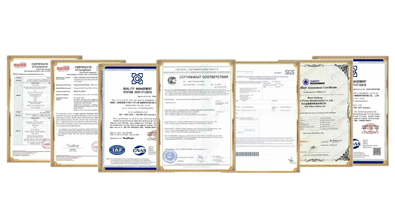
A good procurement process starts with a careful evaluation of the seller, paying special attention to their production skills, quality control systems, and delivery reliability. When suppliers offer CNC-machined sealing surfaces, it shows that they care about accurate manufacturing, which has a direct effect on how well the flange works. With ISO 9001:2015 certification, you can be sure that the quality management practices will be the same throughout the whole production process. Access to certified raw materials with full MTC traceability paperwork should be part of the manufacturing process. This ability to track back is very important for projects that need to certify materials or for regulatory compliance that needs full records of the materials' past. For important projects, suppliers who can give specific material test certificates and dimensional inspection reports are more useful.
Customisation and Technical Support Capabilities
Customised solutions are often needed for water system projects because they must meet specific installation requirements or working conditions. Suppliers who offer engineering help during the decision process help make sure that the flange specifications chosen are the best ones for the job. When projects call for unusual pressure ratings, special materials, or dimensions that aren't normal, this technical help is especially helpful. When installing outdoor water systems or things that will be exposed to corrosion, the ability to hot-dip galvanise is an important thing to think about. Suppliers that do their own galvanising usually have better quality control and shorter wait times than those that use outside coating services.
RAYOUNG's Specialised Flange Solutions
Over the years, RAYOUNG has become very good at making high-quality flat face flanges that are used in water and pump systems. Our wide range of products includes standard ANSI, DIN, and JIS flanges with different facing choices, such as flat face, raised face, and RTJ configurations that can meet a wide range of pressure needs. We have state-of-the-art CNC machining centres in our manufacturing facilities that make precise sealing surfaces that meet strict flatness standards. Each flange comes with full MTC paperwork that shows the materials' journey from being certified at the steel mill to being inspected at the end, making sure they fully meet project requirements and government rules. The hot-dip galvanising choice protects against corrosion better for harsh outdoor settings, increasing service life and lowering maintenance costs. Protocols for quality assurance include a full review of the dimensions, confirmation of the surface finish, and, if needed, pressure testing. Our quality management system, which is ISO 9001:2015 certified, makes sure that the quality of our products is always the same, and our experienced team helps with application issues throughout the whole procurement process.
Conclusion
Flat face flanges are the best choice for water and pump system uses because they seal well, work with a wide range of materials, and are inexpensive. Because of the way they're made, they work especially well with systems that use plastic pipes, materials that are easily broken, or equipment that needs gentle closing pressure. It has a longer service life and needs less upkeep because the pressure is spread out evenly, and it works with full-face gaskets. When making a purchase decision, it's important to look at what the provider can do, like precise manufacturing, quality certifications, and technical support services, to make sure the system works well and is reliable in the long term.
FAQ
1. What makes flat face flanges ideal for water systems?
Flat face flanges excel in water applications due to their even pressure distribution across the entire gasket surface, preventing damage to brittle materials like cast iron pipes. The flat sealing surface accommodates full-face gaskets effectively, creating reliable seals in low to moderate pressure water systems while maintaining compatibility with various equipment types and piping materials.
2. How do flat face flanges compare to raised face alternatives in pump applications?
Flat face designs distribute clamping forces more evenly than raised face flanges, reducing stress concentrations that could damage equipment connections. While raised face flanges handle higher pressures through concentrated sealing pressure, flat face alternatives prove more suitable for pump systems with cast iron components or when connecting to equipment manufactured with flat sealing surfaces.
3. What certifications should buyers seek when purchasing flat face flanges?
Essential certifications include compliance with ASME B16.5, DIN 2501, or JIS B2220 standards, depending on regional requirements. Quality management certifications such as ISO 9001:2015 ensure consistent manufacturing practices. Material certifications with full MTC traceability provide documentation of chemical composition, mechanical properties, and manufacturing history for critical applications.
Partner with RAYOUNG for Premium Flat Face Flange Solutions
RAYOUNG delivers exceptional flat face flange manufacturing expertise backed by advanced CNC machining capabilities and comprehensive quality assurance protocols. Our extensive inventory includes ANSI, DIN, and JIS standard configurations with various materials and pressure ratings to meet diverse water system requirements. Every flange features precision-machined sealing surfaces with full MTC traceability documentation, ensuring compliance with the most demanding project specifications. Contact our experienced technical team at info@hb-steel.com to discuss your specific requirements and discover how our flat face flange supplier capabilities can optimise your water system performance while reducing the total cost of ownership.
References
1. American Society of Mechanical Engineers. "Pipeline Flanges and Fittings: Standards and Applications in Water Infrastructure." ASME Press, 2023.
2. Chen, Michael K. "Sealing Technology in Municipal Water Systems: Design Principles and Performance Analysis." Journal of Water Engineering, vol. 45, no. 3, 2023, pp. 127-145.
3. Industrial Piping Association. "Flange Selection Guidelines for Water Treatment Facilities: A Comprehensive Technical Manual." IPA Publications, 2022.
4. Martinez, Sarah L. "Corrosion Prevention in Water Distribution Systems: Material Selection and Surface Treatment Options." Water Technology International, vol. 38, no. 7, 2023, pp. 82-94.
5. Peterson, James R. "Economic Analysis of Flange Types in Industrial Water Applications: Cost-Benefit Assessment Over System Lifecycle." Procurement Engineering Quarterly, vol. 29, no. 2, 2023, pp. 56-71.
6. Thompson, David A. "Installation Best Practices for Pipe Flanges in Critical Water Infrastructure Projects." Engineering Maintenance Solutions, vol. 41, no. 4, 2022, pp. 203-218.

Need a quote? Want to see samples? Just say hello. We’re friendly. We’re fast. And we’re ready when you are.
Welcome to RAYOUNG – Strong Pipes, Stronger Promise