Raised Face Pipe Flange Benefits for Industrial Sealing
Industrial sealing systems demand precision, reliability, and durability to maintain operational safety and efficiency. Raised face flanges have emerged as a cornerstone solution for critical piping applications, offering superior sealing performance through their engineered design. The raised face configuration creates an optimal gasket contact surface that ensures leak-proof connections under demanding pressure and temperature conditions. These specialised flanges provide enhanced sealing integrity compared to standard flat face designs, making them indispensable for industrial projects where system reliability cannot be compromised.
Introduction
Across the United States, industry, energy, and infrastructure projects depend on industrial piping systems to keep them running. In these complicated networks, raised face pipe flanges are very important connection points that keep the system working well and make sure it stays intact. How well and how often these sealing parts work directly affects how long a project takes, how safe it is, and how much it costs to maintain in the long run. More and more, procurement workers and engineers are under pressure to choose parts that keep project risks to a minimum while still staying within strict budgets. To make smart choices about where to get things, you need to know about the technical and practical benefits of raised face flanges. This guide covers everything that EPC contractors, distributors, engineering firms, government projects, and industrial end users need to know about reliable sealing options. The goal of this study is to give buying teams useful information about raised face flange requirements, performance traits, and preferred suppliers. Readers will learn how to choose the best components and work with suppliers by looking at the technical benefits, physical considerations, and comparative advantages. The information in this article helps you make smart buying choices that meet practical needs and ensure you follow industry standards.
Understanding Raised Face Flanges and Their Industrial Sealing Benefits
Design Characteristics and Sealing Mechanism
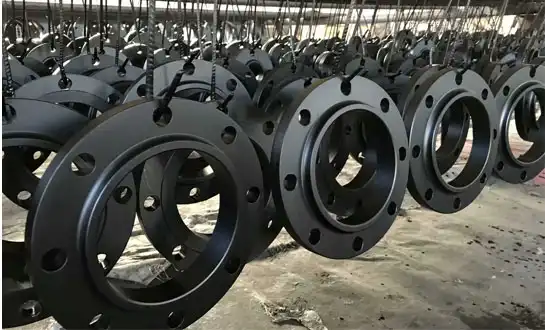
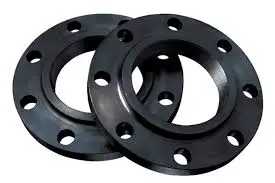
Raised face flanges have a perfectly machined sealing surface that goes above the flange face. This makes a large area for the gasket to compress against. Depending on the size of the flange and the pressure grade, this raised surface is typically 1.6 mm for Class 150–300 and 6.4 mm for Class 400–2500. Because the contact area is small, higher gasket seating stress is generated. This stops common leak paths that can happen with other types of flanges. The raised face design accommodates different gasket materials, like spiral wound, compressed fibre, and metal ones. Because they are so flexible, engineers can choose the most suitable gasket materials for each job based on things like temperature, pressure, and chemical compatibility. The standard sizes make sure that products from different makers work the same way and can be used with existing pipeline systems.
Superior Pressure Containment Capabilities
These days, many industrial uses need containment capabilities for high pressures that go beyond what standard flat face designs can do. In these tough conditions, raised face flanges work better because they distribute bolt loads more effectively. The smaller contact area allows more effective gasket compression under the standard bolt load. This keeps the flange from warping and the sealing intact for longer periods of time. For raised face designs, ASME B16.5 and DIN 2633 standards say that pressures can reach up to Class 2500, depending on material and temperature. These rates are good for heavy manufacturing, petrochemical processing, and other places where system pressures regularly go above 600 PSI. Better safety margins and less maintenance are directly related to the increased pressure containment potential.
Material Options and Corrosion Resistance
Choosing the right base materials has a big effect on how long the system lasts and how much it costs to own. Carbon steel raised face flanges are very strong and can be used in a wide range of industrial settings. They are also very cost-effective for big projects. Stainless steel versions are better at resisting corrosion in chemically harsh settings, which means they last longer and need to be replaced less often. Alloy steel grades, such as chromium-molybdenum and duplex, are available for particular uses that involve high temperatures or certain corrosive substances. When choosing materials, you need to think about how they will be used, how easy they are to maintain, and how much they will cost over their whole time. In corrosive environments, the right material design can increase the service life of a flange from around 15–20 years to 25–30 years.
Key Raised Face Flange Dimensions and Types for Optimal Procurement Decisions
Critical Dimensional Parameters
Accurate dimensional specifications ensure that current pipeline systems fit and seal correctly. The raised face height changes based on the size of the flange, going from 1.6 mm for smaller widths to 6.4 mm for bigger ones. The raised face dimensions are standardised to match gasket seating areas defined by the applicable flange specification. This way, the bolt holes don't get in the way of the sealing. To avoid assembly problems and stress concentrations, the bolt circle diameter and hole placement must be exactly aligned with the mating parts. The flange thickness affects the weight of the whole system and how much support it needs. This is especially important for installing pipes in the ceiling. These measurements affect how much the materials cost, how easy they are to ship, and how hard they are to install.
Weld Neck Configuration Advantages
Weld neck raised face flanges are the strongest and most resistant to fatigue of all the configurations that are offered. The tapered hub design gradually changes the thickness of the pipe wall to the thickness of the flange. This keeps stress concentrations to a minimum when the temperature and pressure change. This design works well for systems that are under a lot of pressure or subject to significant temperature fluctuations. The smooth hole transition gets rid of flow restrictions and lowers erosion caused by turbulence. Installation takes skilled welding techniques, but the connections are permanent and reliable, and they can handle tough working conditions. The initial cost of buying weld neck flanges usually pays for itself over time because they require less upkeep and last longer.
Slip-On and Blind Flange Applications
When compared to weld neck designs, slip-on raised face flanges are easier to install and cost less at first. When installing, the slip-on design makes it easy to line up, and the strength is good enough for moderate pressure uses. These flanges work well with designs that are easy to maintain and may need to be taken apart every so often. Blind flanges can be used to close off pipeline lines permanently or temporarily. The raised face design keeps the sealing consistent with other parts of the system and gives you access for future repair or expansion. Because blind flanges hold pressure, being able to track materials and maintain pressure test records becomes critical for these uses.
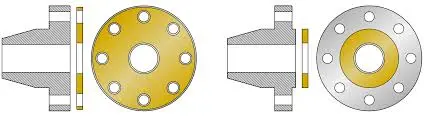
Raised Face Flange vs. Alternative Flange Types: Choosing the Best for Industrial Sealing
Performance Comparison with Ring Type Joint Flanges
Ring Type Joint (RTJ) flanges excel in extreme pressure and temperature applications but require specialised gaskets and precise machining tolerances. The metallic sealing mechanism provides excellent chemical compatibility but generates higher installation costs and complexity. Raised face flanges offer comparable performance for pressures up to 2500 PSI while maintaining lower total installation costs and greater gasket material flexibility. RTJ configurations become necessary when operating pressures exceed 2500 PSI or when specific API standards require metallic sealing. The decision between RTJ and raised face flanges face designs often depends on project specifications, operating conditions, and long-term maintenance capabilities. Raised face flanges provide optimal value for the majority of industrial applications within standard pressure ranges.
Cost-Effectiveness Analysis
The initial purchase cost represents only a fraction of the total cost of ownership over a 20-year service life. While raised face flanges are typically more expensive than flat face flanges, they offer significant cost savings through reduced maintenance requirements and extended gasket service life. Higher sealing reliability minimises unplanned downtime and associated production losses. In remote or hazardous areas, the savings in maintenance costs are particularly pronounced due to the need for specialised equipment or personnel. The enhanced sealing performance of raised face flanges, under typical operating conditions, reduces the frequency of gasket replacements. These longer maintenance intervals directly translate into lower maintenance costs and greater operational reliability.
Installation and Maintenance Considerations
Raised face flanges can be installed using standard industry practices. The raised face design provides clear gasket positioning, which cuts down on fitting mistakes that can cause the part to fail early. Standard specifications match the torque requirements for the bolts, making sure that they can be used with current maintenance methods. Changing gaskets is easier with the higher face design because it makes things easier to reach and line up. The exact placement of the gasket cuts down on installation time and ensures that the sealing works every time. Because of these useful benefits, labour costs are cheaper, and systems are down less often during maintenance.
Procurement Guide for Sourcing Raised Face Flanges Efficiently and Cost-Effectively
Supplier Evaluation Criteria
Identifying reliable suppliers requires assessment of manufacturing capabilities, quality certifications, and export compliance documentation. ISO 9001:2015 certification demonstrates systematic quality management practices that indicate established quality management systems. Additional certifications such as API 6A or ASME Section VIII indicate specialised expertise in pressure vessel and piping applications. Manufacturing capabilities should include CNC machining facilities for precise dimensional control and surface finish requirements. Material traceability systems must provide complete documentation from the raw material source through final inspection. Export compliance documentation becomes essential for international procurement, requiring proper certification and shipping procedures.
Here are the essential evaluation criteria for supplier selection:
- Quality Certifications: Verify ISO 9001:2015, ASME, and relevant API certifications to ensure manufacturing standards compliance and consistent product quality.
- Material Traceability: Confirm complete Material Test Certificate (MTC) documentation from raw material source through final inspection for regulatory compliance.
- Manufacturing Capabilities: Assess CNC machining capabilities, surface finishing equipment, and dimensional inspection facilities to meet precision requirements.
- Export Experience: Evaluate international shipping capabilities, customs documentation expertise, and compliance with export regulations.
These criteria help procurement teams identify suppliers capable of delivering consistent quality while meeting project timelines and regulatory requirements.
Pricing Factors and Volume Considerations
Material grade selection significantly impacts pricing, with carbon steel options providing cost-effective solutions for general applications. Stainless steel and alloy steel grades command premium pricing but offer superior performance in demanding environments. The total cost analysis must consider material costs, manufacturing complexity, and expected service life to determine optimal value. Volume purchasing provides opportunities for significant cost savings through economies of scale. Suppliers typically offer tiered pricing structures that reward larger order quantities with reduced per-unit costs. Strategic procurement planning can leverage these volume discounts while maintaining appropriate inventory levels and cash flow management. Lead time considerations become particularly important for project scheduling and just-in-time delivery requirements. Early procurement planning and framework agreements can help mitigate schedule risks while maintaining competitive pricing.
Conclusion
When it comes to industrial sealing jobs that need to balance dependability, performance, and cost-effectiveness, raised face flanges are the best choice. Better sealing, a choice of materials, and standard sizes make it easy for procurement workers to find solutions that meet a wide range of operational needs. Knowing the technical benefits and real-world benefits helps you make smart choices that lead to project success and long-term operating efficiency. Strategically choosing suppliers and buying in bulk can lower the total cost of ownership while also making sure quality is uniform and supply chains are reliable.
FAQ
1. What distinguishes raised face flanges from other flange types?
Raised face flanges feature a machined sealing surface that extends 1.6mm to 6.4mm above the flange face, creating concentrated gasket contact pressure. This design provides superior sealing performance compared to flat face flanges and accommodates various gasket types. The raised surface ensures uniform pressure distribution and reduces the bolt load required for proper sealing.
2. How does material selection affect corrosion resistance and service life?
Carbon steel flanges provide excellent strength and cost-effectiveness for general applications, typically lasting 15-20 years. Stainless steel options offer superior corrosion resistance, extending service life to 25-30 years in chemically aggressive environments. Alloy steel grades address specialised high-temperature or corrosive applications with enhanced metallurgical properties.
3. What are typical lead times and pricing considerations for bulk orders?
Standard raised face flanges in common materials require 4-6 weeks delivery, while custom specifications may take 8-12 weeks. Volume purchasing typically provides 10-25% cost savings through tiered pricing structures. Material grade, size complexity, and customisation requirements significantly impact pricing, with stainless steel commanding 2-3 times carbon steel costs.
4. Which pressure ratings and standards apply to raised face flanges?
ASME B16.5 and DIN 2633 standards specify pressure–temperature classes from Class 150 to Class 2500 for raised face configurations. These standards ensure dimensional compatibility and performance consistency across manufacturers. Higher pressure applications may require RTJ flanges or specialised designs beyond standard raised face capabilities.
Partner with RAYOUNG for Premium Raised Face Flange Solutions
RAYOUNG stands ready to support your industrial sealing requirements with high-quality raised face flanges manufactured to exacting standards. Our experienced team provides technical consultation, competitive pricing, and reliable delivery schedules that align with your project timelines. Contact our specialists at info@hb-steel.com to discuss your specific requirements and discover how our comprehensive product range can optimise your procurement strategy. As a trusted raised face flange supplier, we combine decades of manufacturing expertise with modern quality systems to deliver consistent performance and value for your critical applications.
References
1. American Society of Mechanical Engineers. "ASME B16.5-2020: Pipe Flanges and Flanged Fittings NPS 1/2 Through NPS 24 Metric/Inch Standard." New York: ASME Press, 2020.
2. Deutsches Institut für Normung. "DIN 2633-1991: Flanges for Pipes, Valves, Fittings and Accessories with PN Designation." Berlin: DIN Standards Committee, 1991.
3. Bickford, John H. "Gaskets and Gasketed Joints: Second Edition." New York: Marcel Dekker Inc., 1998.
4. American Petroleum Institute. "API 6A-2019: Specification for Wellhead and Christmas Tree Equipment." Washington, DC: API Publishing Services, 2019.
5. International Organisation for Standardisation. "ISO 7005-1:2011: Metallic Flanges - Part 1: Steel Flanges." Geneva: ISO Press, 2011.
6. Brown, Rip. "Flanges: Selection, Installation and Maintenance Guidelines for Industrial Applications." Houston: Process Equipment Publishers, 2017.

Need a quote? Want to see samples? Just say hello. We’re friendly. We’re fast. And we’re ready when you are.
Welcome to RAYOUNG – Strong Pipes, Stronger Promise