The Ultimate Guide to Industrial Pipe Flanges: Types, Facings, and Applications
Industrial pipe flanges are important parts of piping systems because they allow pipes, valves, pumps, and other equipment from many different industries to connect securely. A steel pipe flange is a machined or cast part that is meant to make assembly, maintenance, and inspection easier while still keeping its leak-proof integrity under tough operating conditions. Procurement pros can lower project risks, keep costs down, and make sure safety standards are met throughout the lifetime of a system by understanding flange types, facing configurations, and application-specific needs.Understanding Steel Pipe Flanges – Types and Standards.
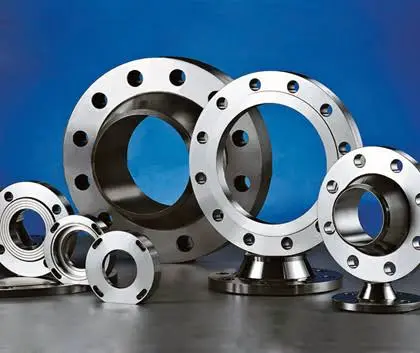
What Defines a Steel Pipe Flange?
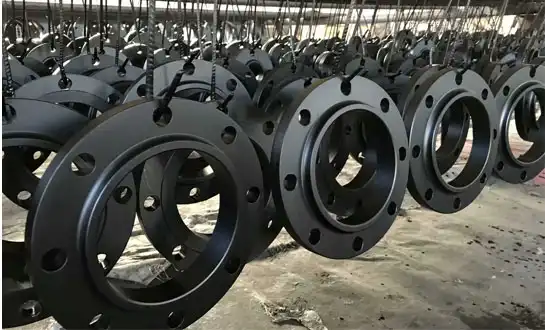
Steel pipe flanges are designed connection devices made from alloys, carbon steel, or stainless steel that are used to connect pipe parts in industrial systems. Most of the time, these parts have bolt holes all the way around them and a machined sealing surface that accommodates gaskets. Dimensions are based on the standard pipe size (NPS) number. For example, the outer diameter of a 6-inch steel pipe flange can be anywhere from 11 inches for Class 150 to larger sizes for higher pressure classes. There are two main ways to make steel: forging and casting. For high-stress uses, forging provides superior mechanical strength.
Choice of material has a direct effect on performance and durability. Carbon steel types that meet ASTM A105 are inexpensive options for low-temperature settings. Stainless steel grades like ASTM A182 F304 and F316 offer better corrosion protection, which is important for chemical processing and marine uses. Alloy steel mixtures are used in places with very high temperatures where regular steels aren't strong enough. Heat treatment methods such as normalizing can refine grain structure and improve mechanical properties. ASTM A105 material is specified with a minimum yield strength of 36 ksi, while low-temperature impact performance depends on the material grade and service requirements.
Common Flange Types and Their Advantages
There are different flange designs that meet different construction and operating needs. Knowing these differences helps procurement teams choose the right parts that balance the cost of the original investment with the performance over the long run.
- Weld Neck Flanges: These parts feature long, tapered hubs that are butt-welded directly to the ends of the pipes. This makes stronger joints that can handle high temperatures and pressures. The slow change lowers stress concentration, which makes weld neck designs perfect for important jobs in power plants and industrial plants. The strength of their structure allows for pressure levels from Class 300 to Class 2500, but this comes with higher costs for materials and labor.
- Slip-On Flanges: Slip-on versions are easy to install because they slide over the ends of the pipe before being welded. These parts can be used in low-pressure water treatment systems and HVAC setups because they are easier to line and don't cost as much to make. But because they aren't as strong as weld neck options, they are most commonly used in Class 150 and Class 300 applications where stress levels are relatively low.
- Blind Flanges: These are solid discs that don't have any holes in the middle. They are used to close off the ends of a pipeline or make room for future growth. When testing, cleaning, and making changes to a system, maintenance teams like using blind flanges. Their ability to separate parts of the system without shutting it down completely cuts down on the costs of downtime in factories.
- Threaded Flanges: Internal threading lets you connect things mechanically instead of welding, which is critical in hazardous areas where hot work (welding) is prohibited or could damage nearby equipment. Instrumentation systems often use threaded connections for small-diameter pipes, but they can't handle as much pressure as welded connections, so they're not as useful.
- Socket Weld Flanges: These have inset holes that can fit pipe ends. They are strong enough for small-diameter high-pressure lines and are easy to install. The socket depth makes sure that the parts fit correctly before they are welded, which cuts down on installation mistakes that could weaken the joint.
Compliance with International Standards
Following well-known standards makes sure that global supply lines work together and meet legal requirements. Dimensions, limits, and pressure-temperature values for flanges through NPS 24 are governed by ASME B16.5; these are the basic standards that are used all over North America. In Europe, markets use DIN and EN standards, and API specs are for the oil and gas business. JIS standards are used in Asian markets, mostly in the Japanese industry sector.
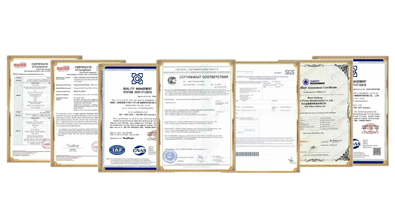
Certification paperwork verifies the chemical composition, mechanical properties, and dimensional accuracy of the flanges. ISO 9001:2015 quality control systems show that a company is dedicated to using consistent output methods. Exporting to Russian markets is possible with GOST-R approval, and SGS inspection reports provide important third-party validation for government infrastructure projects and EPC contractors in charge of operating multinational installations.
Facings of Pipe Flanges: Types and Their Applications
Raised Face (RF) Configurations
Raised face flanges have round protrusions around the bolt circle area that focus the sealing pressure on the gasket contact areas. For flanges in Classes 150 to 600, the raised area usually goes out 1/16 inch. For higher pressure classes, it goes out 1/4 inch. Surface finishes between 125 and 250 AARH (Average Arithmetic Roughness Height) make jagged patterns that improve seal grip and stop blowouts when temperature and pressure change.
When spiral-wound and sheet gaskets are compressed inside raised face grooves, they make good covers for use with water, steam, and oil. Refineries and chemical processing plants use RF flanges for general service lines that work below 600°F and only need to hold mild pressure. Because raised face configurations work with all normal gasket materials, they are the first choice for wholesalers who keep stock for a wide range of customers.
Flat Face (FF) Applications
With flat face shapes, there are no high areas, so the bolt load is spread across the whole flange face. This design keeps stress from building up in weak materials like cast iron and some plastics. This is why FF flanges are necessary when linking to equipment that doesn't have a lot of crush resistance. For large-diameter water mains that mostly use ductile iron valves and fittings, municipal water systems often ask for flat-face flanges.
In flat-face systems, full-face gaskets go beyond the bolt rings to provide more sealing area that makes up for lower unit pressure. But careful torque control is needed for seal compression to keep the shape from distorting. Because of the limits of the materials that are usually used with flat-face designs, applications stay below 300°F, and pressures don't go above Class 150 ratings.
Ring-Type Joint (RTJ) for Extreme Conditions
Ring-type joint flanges have circular holes that are machined to exact sizes to fit metal rings, which are usually oval or octagonal in shape. When the bolt is compressed, the ring material, which is usually soft iron or stainless steel, deforms. This makes metal-to-metal bonds that can stay strong at high-temperature and high-pressure services where metal-to-metal sealing is required.
Offshore oil platforms and underwater pipes depend on RTJ connections in places with a lot of hydrogen sulfide and petroleum service. These connections must be completely leak-proof. The higher starting cost compared to raised-face options is due to the need for specialized drilling and ring costs. However, over time, the costs go down because the gasket doesn't need to be maintained as often as it used to. To get the right sealing stress without damaging the groove surfaces, installation requires carefully placing the rings and controlling the steps of tightening the bolts.
Tongue and Groove Alternatives
Tongue and groove designs put together male and female faces that fit together and center seals automatically during assembly. This self-aligning feature cuts down on installation time and keeps the gasket from blowing out in situations where there is shaking or heat expansion. Refineries use tongue and groove flanges on lines that need to be disconnected often for maintenance.
The gasket stays in place while the bolt is tightened because it is confined between two concentric bumps in a steel pipe flange. But the complexity of the cutting makes it more expensive to make, and it's harder to keep track of supplies because male and female parts have to be kept separate. These applications typically involve highly corrosive chemicals or hazardous slurries, where any gasket displacement could lead to catastrophic contamination or safety hazards.
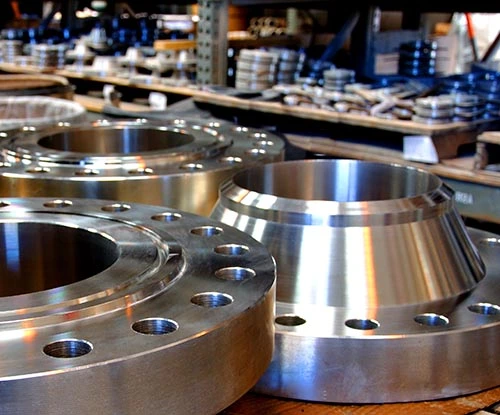
Comparing Steel Pipe Flanges: Making the Right Choice
Weld Neck Versus Slip-On Analysis
Whether to buy weld neck or slip-on flanges depends on how much pressure is needed, how much money is available for fittings, and how reliable you want the product to be in the long run. Weld neck designs are stronger because the hub shape is curved, which makes the wall thickness gradually go down from the pipe to the flange face. Because this structural continuity performs better under cyclic loading, weld neck flanges can be used in Class 600 through Class 2500 situations where the failure effects are high enough to support the higher price.
Slip-on options cost 20 to 30 percent less than similar weld-neck parts because they use less material and are easier to make. As alignment gets easier, installation work goes down because the pipe just slides into the flange hole, locking it in place before spot welding. Slip-on flanges are often used for building services and low-pressure process lines where operating demands are low. These are often specified by small engineering companies and local installers who are watching the budget for projects.
Stainless Steel Versus Carbon Steel Considerations
The choice of material has to match the need for corrosion protection with the need to stay within budget. When made to ASTM A105 standards, carbon steel flanges work well in non-corrosive settings and can handle temperatures from -20°F to 650°F. Their lower material cost—usually 40 to 60 percent less than stainless steel alternatives—makes them appealing to industry end users and factories that value initial capital investment over long-term service life.
ASTM A182 types F304 and F316 of stainless steel don't rust, pit, or crack when they are exposed to acidic, chloride-rich, or marine environments. Chemical plants that use sulfuric acid, food preparation plants that need to be clean, and desalination systems that are open to seawater all require steel flanges, even though they cost more to buy. When replacement times, maintenance shutdowns, and contamination risks are taken into account, the total cost of ownership formula moves in favor of stainless steel.
Protective coatings can significantly extend the service life of carbon steel flanges in mildly corrosive environments. Three-layer polyethylene systems, epoxy powder coating, and hot-dip galvanizing all protect against water and chemicals. Coated carbon steel is often used for water transport networks and wastewater treatment facilities in government building projects that have to balance budget constraints with durability standards.
Conclusion
Industrial pipe flanges are an important part of the infrastructure that connects plumbing systems in the power generation, chemical processing, oil and gas, and water treatment industries. To be good at procurement, you need to know about the different types of flanges, such as weld neck, slip-on, blind, threaded, and socket weld, as well as the different types of facings, such as raised face, flat face, and ring-type joint designs. When choosing a material, people weigh the cost, resistance to rust, and mechanical strength. This helps them decide between carbon steel, stainless steel, and alloy mixtures. Following the rules set by ASME, DIN, API, and ISO makes sure that everything works together and is safe for activities around the world. Project risks can be reduced, and lifecycle costs can be optimized by choosing qualified providers with expert support, flexible minimums, and detailed quality systems.
FAQ
1. What distinguishes slip-on from weld-neck flanges?
For Class 150 and Class 300 low-pressure uses, slip-on flanges are easier to install and cost less because they slide over the ends of the pipes before they are welded. Weld neck flanges have tapered hubs that are bonded straight to pipes. This makes them stronger for high-pressure applications up to Class 2500. Weld necks are the best choice when safety factors and cycle loads demand maximum reliability, even though they cost more in material and labor.
2. How do I determine proper flange sizing and pressure ratings?
Sizing is based on standard pipe size (NPS) numbers that match the pipes that are joined. To choose the right pressure class, you must first figure out the highest working pressure and temperature and then look at the ASME B16.5 pressure-temperature tables to find the right grades. To account for pressure spikes and future capacity growth, safety margins usually call for flanges that are one class above the estimated minimums. Consulting engineers should check their figures against the relevant rules.
3. Can flanges be customized beyond standard specifications?
Non-standard materials, special coatings, unique facing configurations, and specific measurement needs are some of the ways that you can customize. Reliable makers offer engineering help that looks at the feasibility and cost consequences. Custom production usually adds 4 to 8 weeks to lead times compared to standard parts, so it's important to plan your purchases early on. For unique designs in regulated apps, proof of code compliance becomes very important.
Partner with RAYOUNG for Reliable Industrial Flange Solutions
RAYOUNG is ready to be your reliable source for steel pipe flanges. We offer approved parts that are made to strict ASME, DIN, and API standards. Our GOST-R license and ISO 9001:2015 quality management system prove that we make high-quality products that help EPC contractors, wholesalers, and industry end users all over the world. We have a standard inventory, but we also offer customised solutions to meet the specific needs of each project. We offer expert advice to make sure that the best materials are chosen and that the facings are set up correctly. You can stick to your project schedules and reduce the risks of buying with competitive prices, flexible minimum order amounts, and reliable transportation networks. Email our team at info@hb-steel.com to talk about your unique needs and get quotes that come with full material certifications and dimensional paperwork.
References
1. American Society of Mechanical Engineers. (2021). ASME B16.5: Pipe Flanges and Flanged Fittings: NPS 1/2 through NPS 24 Metric/Inch Standard. New York: ASME Press.
2. Becht, C., & Roberts, W. (2018). Pressure Vessel Design and Analysis: Guidelines for Flange Connections. Journal of Pressure Vessel Technology, 140(3), 45-62.
3. Davis, J. R. (2020). Materials Selection for Piping Systems: Carbon and Alloy Steels in Industrial Applications. Materials Park, OH: ASM International.
4. European Committee for Standardization. (2019). EN 1092-1: Flanges and Their Joints - Circular Flanges for Pipes, Valves, Fittings and Accessories. Brussels: CEN Publications.
5. Mohitpour, M., Golshan, H., & Murray, A. (2022). Pipeline Design and Construction: A Practical Approach to Flange Selection and Installation. New York: McGraw-Hill Professional.
6. Singh, R., & Kumar, P. (2023). Corrosion Resistance in Industrial Piping: Comparative Analysis of Flange Materials and Coating Systems. International Journal of Pressure Vessels and Piping, 198, 104-119.

Need a quote? Want to see samples? Just say hello. We’re friendly. We’re fast. And we’re ready when you are.
Welcome to RAYOUNG – Strong Pipes, Stronger Promise