Choosing a Seamless Pipe Company for Export Orders
Choosing the right seamless pipe company for export sales has a direct effect on the success of the project, the ability to stick to the budget, and the long-term dependability of operations. A qualified provider makes sure that foreign standards are followed, that quality is maintained across all shipments, and that delivery dates are met without compromising safety requirements. When procurement professionals oversee major infrastructure projects or industrial installations, working with a certified seamless pipe company lowers project risk and sets the stage for long-term supply chain success across multiple contract cycles.
Understanding Seamless Pipes and Their Manufacturing Process
What Makes Seamless Pipes Different from Welded Alternatives?
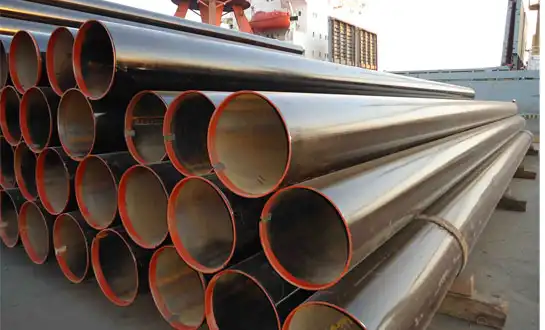
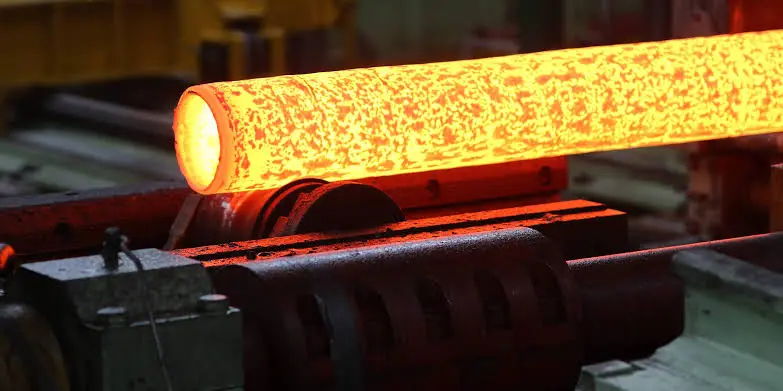
Seamless steel pipes are made without any seams or parts that are welded together. This is what makes them truly different from welded pipes. To start the process, a solid block of steel is heated to very high temperatures, and then a mandrel is used to pierce it to make a hollow tube. The lack of longitudinal welds gets rid of the weaker part of welded pipes, making seamless pipes stronger and more reliable when they are under a lot of pressure. Industries that work in harsh conditions, like chemical processing plants, oil pipelines, and power plants, rely on this structure's strength to keep it from falling apart. Even small leaks can be very dangerous and cost a lot of money.
Core Manufacturing Methods That Ensure Pipe Integrity
There are several precise steps in the seamless making process that help make the result better. Once the billet has been prepared and pierced, the hollow tube goes through rolling and forming steps to meet certain diameter and wall thickness requirements. Heat treatment, flattening, and cutting to length are all steps in the finishing process. Each step is carefully controlled to keep the measurements accurate. This way of making pipes makes them all the same thickness, so they can hold the same amount of weight and work the same way every time. While seamless production is more expensive than welded options, the extra money spent pays off in situations where dependability is needed under extreme temperatures, vibrations, and changes in pressure.
International Specifications and Grade Standards
Professionals in procurement have to understand a lot of different foreign standards to make sure they work with project needs. ASTM A106 seamless pipe is the world standard for high-temperature service. It is made from killed steel that goes through a deoxidation process that makes sure the structure is regular and doesn't have any pores. ASTM A53 seamless pipe is commonly used for mechanical and pressure applications, as well as for steam, water, gas, and air service in moderate-pressure systems. For chemical industry uses that need to be resistant to corrosion, there are more standards, such as ASTM A312 for stainless steel and ASME SA790 for duplex materials. By knowing the differences between these grades, buyers can match the features of the material to the needs of the application. This keeps them from over-specificating, which drives up costs, or under-specificating, which cuts into safety margins.
Key Considerations When Choosing a Seamless Pipe Company for Export
Certifications That Validate Quality and Compliance
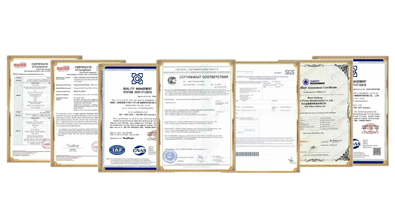
As concrete proof that a seamless pipe company follows strict manufacturing standards and international trade rules, quality certificates are a must. ISO 9001:2015 certification shows that quality management is applied consistently throughout all production steps, and API certifications prove that goods can be used in the oil and gas business. Compliance with the Pressure Equipment Directive (PED) makes sure that the product is suitable for use in applicable European pressure equipment applications, and GOST-R approval lets it be sold in Russia. In addition to these basic standards, SGS inspection records give a third-party confirmation of the composition and mechanical properties of the material. When procurement teams look at possible sources, they should ask to see current certifications and make sure they cover the whole range of products. This is because some makers only hold certifications for a small range of products, not all of their products.
Manufacturing Capabilities and Material Range
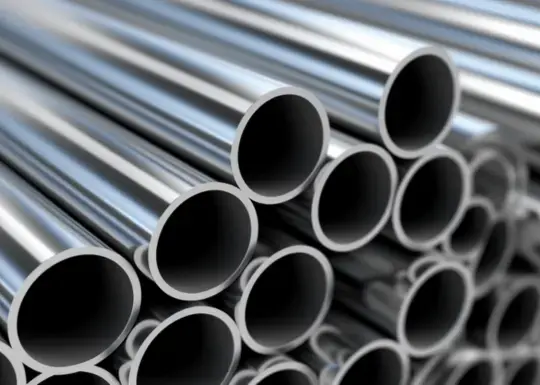
To meet the needs of a wide range of projects, a good seamless pipe company needs to be able to work with a variety of material types and standards. Carbon steel pipes are used in general industrial settings where cost-effectiveness is important. Stainless steel pipes are used in chemical processing where corrosion is a problem, and alloy steel pipes can handle very high temperatures in power plants. Engineers can choose the right pressure levels without having to wait for custom orders because wall thicknesses range from Schedule 40 to Schedule 160. Another important thing to think about is the diameter range. Most mills can economically produce seamless pipes up to about 24 inches in diameter, while larger sizes are generally more expensive and may have more limited manufacturing availability. Options for customization, such as beveled sides, threading, and special finishes, increase the number of uses and decrease the amount of work needed for installation.
Supply Chain Reliability and Lead Time Management
To meet project goals, suppliers must be able to keep contact open during the procurement cycle and complete orders within the time frames agreed upon. A trustworthy, seamless pipe company gives clear lead time estimates based on their present production capacity, the supply of materials, and the logistics of shipping. For EPC workers who are working on multiple projects at the same time, suppliers with storage programs or consignment inventory arrangements can help keep their schedules from getting messed up. Distributors and stockists like working with partners who can keep up a steady supply of goods to support local sales without having to wait a long time for deliveries. When evaluating suppliers, procurement teams should inquire about the percentage of time that production capacity is actually used, backup manufacturing partnerships, and past on-time delivery performance to get a sense of how reliable the seller is in a range of demand situations.
Comparing Top Seamless Pipe Manufacturers and Suppliers Globally
Regional Strengths and Specialization Areas
Different regions have their own strengths in the global seamless pipe market, which affects choices about where to get pipes. Chinese makers have put a lot of money into building modern factories. They can give competitive prices and a wide range of material grades while still meeting ASTM and ASME standards. Indian manufacturers are experts in both alloy steel and stainless steel, and they supply the petroleum and pharmaceutical industries with certified specialized materials. European suppliers have a premium place because they are experts in advanced metalworking and follow strict quality standards. They are chosen for important nuclear and aerospace uses. When purchasing managers know about these regional specializations, they can find suppliers whose main skills match the needs of a certain project. This could help them get better expert support and better prices within the supplier's speciality areas.
Interpreting Pricing Structures Beyond Initial Quotes
When buying seamless pipes, it's not enough to just look at the price per tonne; you also need to look at how approval affects the price, material grade rates, and volume discount structures. Base prices usually show how much regular steel costs, but upgrades like killed steel processing, special heat treatment, or third-party checking raise base prices by 15 to 30 percent. A reputable seamless pipe manufacturer might offer a 20% volume discount on orders exceeding 50 tonnes compared to spot purchases. Minimum order numbers have a big impact on unit economics. There are some hidden costs that can add $500 to $2,000 to each package. These include export packaging, fumigation certification for wooden boxes, and paperwork fees. Smart buyers ask for all-inclusive pricing that takes these factors into account. This lets them make accurate budget projections and avoids unexpected costs during contract execution.
Evaluating Supplier Responsiveness and After-Sales Support
How a seamless pipe company answers questions, fixes problems, and helps customers after the initial delivery determines the long-term value of a relationship. Responsive suppliers give each customer a dedicated account manager who knows the details of the project and can quickly meet urgent needs without having to go through a lot of paperwork. Technical support services, such as help with choosing materials, figuring out pressure ratings, and suggesting welding procedures, are very useful for smaller engineering companies that don't have their own experts on staff. After-sales service that covers warranty claims, refunds, and repairs shows that the seller is confident in the quality of the product and wants the customer to be happy. During the quotation process, procurement teams should test how responsive a company is, keeping in mind things like response time, the technical knowledge of sales engineers, and the company's willingness to meet special needs as signs of a possible long-term relationship.
Navigating Procurement Logistics for Export Orders
Minimum Order Quantities and Volume Optimization
Most companies that make seamless pipes have minimum order quantities that range from 5 to 25 tonnes, based on the type of material and the diameter requirements. These limits are based on the economics of production efficiency: setup costs for mill runs are spread out more evenly across bigger batches. Strategic buys group together needs from several projects or work with other departments to get bulk discounts, which can cut unit costs by 12–18%. Stockists and distributors can get smaller amounts by drawing from warehouse stock, but they have to pay more per unit to cover the costs of moving the goods and the extra freedom that comes with that. When the government is building infrastructure projects that are spread out over time, blanket purchase deals with staggered delivery windows help handle cash flow and volume economics.
Freight Options and Delivery Method Selection
When you choose between sea freight and air freight, you have to weigh the costs and the speed of arrival. Ocean shipping is the most cost-effective way to order large amounts of seamless pipe. You can choose from 20-foot and 40-foot containers that can hold different lengths and amounts of pipe. Transit times from Asian ports to U.S. destinations are usually 25 to 35 days, so building plans need to be taken into account ahead of time. Air freight cuts arrival time to 5–7 days, but it costs 8–12 times more. This extra cost is only worth it for urgent replacements or high-value speciality metals. Options in the middle, like express ocean routes, offer 15-day travel at only slightly higher costs. A good seamless pipe company gives buyers a choice of shipping options with clear cost breakdowns. This lets them choose the best option based on the urgency of the job and their budget.
Export Documentation and Regulatory Compliance
For international deals involving seamless pipes, it is necessary to provide a lot of paperwork to meet customs rules and contract terms. Important papers include commercial invoices that list product details and values, packing lists that show what's inside a package, and certificates of origin that show where the goods were made so that tariffs can be calculated. Material test reports, or MTRs, compare the chemical make-up and mechanical features of a product to the standards that were given. They are permanent records of the quality that was achieved. For some uses, extra approvals, such as mill test certificates (MTCs) that meet EN 10204 3.1 standards or inspection records from a third party, make it easier to track. As a standard service, experienced suppliers prepare the paperwork and work with freight forwarders to make sure that full packages get to customs officials and project sites on time so installation schedules don't get thrown off.
Conclusion
To find the right seamless pipe company for export sales, you have to weigh a lot of things, such as their certifications, their manufacturing skills, the stability of their supply chain, and their willingness to work with you. Successful buying teams compare more than just prices. They also look at the full value of the provider, which includes professional help, correct paperwork, and a commitment to working together for a long time. When procurement teams understand international standards, compliance procedures, and manufacturing processes, they can make strategic choices that lower project risk and keep total cost of ownership low. The industrial pipe sector values strategic supplier partnerships based on open communication, consistent delivery of high-quality goods, and shared investments in ongoing efforts to improve.
FAQ
1. What distinguishes seamless pipes from welded alternatives in industrial applications?
When seamless pipes are made, there are no longitudinal welds. This means that there are no weak spots in the structure where welded joints could fail under pressure or heat stress. This seamless construction makes it stronger, more reliable, and better at withstanding pressure in harsh settings like power plants and oil and gas facilities. Welded pipes are cheaper for bigger sizes and lower-pressure uses, but seamless pipes are still needed when there is no risk of seam failure for safety reasons.
2. How do international standards impact seamless pipe quality and compliance?
Standards like ASTM A106, ASTM A312 (or ASME SA-312), and API 5L spell out exact rules for the chemical composition of materials, their mechanical qualities, and how they should be tested. These standards make sure that seamless pipes meet basic performance standards for their intended uses. They also make global trade easier by using the same technical language. Buying from certified makers makes sure that you are following the rules, makes getting projects approved easier, and gives you legal options if the goods don't live up to your expectations.
3. What strategies minimize risk when placing bulk seamless pipe orders?
Getting rid of risk starts with carefully checking out potential suppliers. This can include verifying their certifications and qualifications, visiting their facilities, and calling past customers for references. Phased shipping plans lower risk by letting you check the quality of the goods before the whole order is finished. Third-party inspection services make sure that standards are met in an unbiased way. Letters of credit are a safe way to make payments because they link the release of funds to proof that the goods were shipped correctly and meet quality standards.
Partner with RAYOUNG as Your Trusted Seamless Pipe Company Supplier
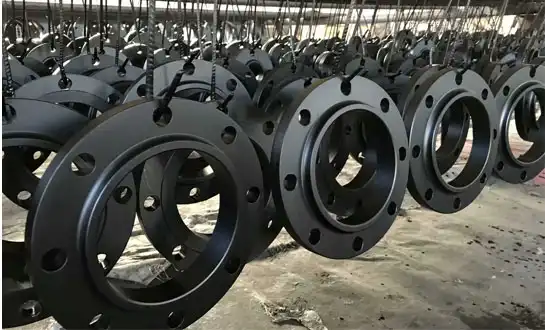
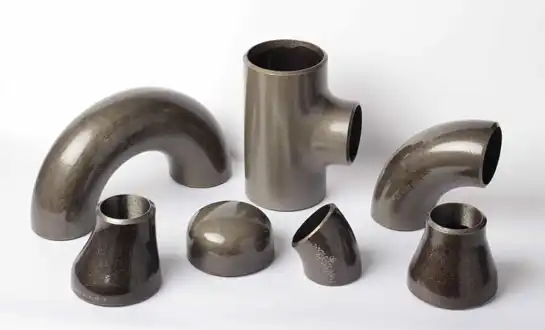
RAYOUNG can help you with even the most difficult industrial pipe jobs by combining high-quality manufacturing with a wide range of service options. We make seamless pipes out of carbon steel, stainless steel, and alloys that meet ASTM, ASME, and ANSI standards. We also sell buttweld fittings like elbows, reducers, and flanges that make sure your systems have safe connection points. We keep our ISO 9001:2015, GOST-R, and SGS export compliance certificates up to date. This shows that we are committed to meeting international quality standards. Our technical team can help you choose the right materials, figure out the pressure ratings, and come up with solutions that are perfect for your needs, whether you are an EPC contractor overseeing the construction of a refinery, a distributor serving regional markets, or an industrial end-user planning to upgrade a facility. Get in touch with our experts at info@hb-steel.com to talk about your seamless pipe needs and find out why top global contractors choose RAYOUNG as their preferred seamless pipe manufacturer for consistent quality, low prices, and reliable service.
References
1. American Society for Testing and Materials. (2021). Standard Specification for Seamless Carbon Steel Pipe for High-Temperature Service. ASTM International.
2. Chen, H., & Wang, L. (2020). Manufacturing Processes and Quality Control in Seamless Steel Pipe Production. Industrial Materials Research Journal, 45(3), 112-128.
3. International Trade Administration. (2022). Steel Pipe and Tube Global Market Analysis: Supply Chain and Export Considerations. U.S. Department of Commerce.
4. Johnson, R. M. (2019). Procurement Best Practices for Industrial Piping Systems: A Comprehensive Guide for Engineering and Construction. Professional Engineering Publishers.
5. Patel, S., & Kumar, A. (2021). Comparative Performance Analysis of Seamless versus Welded Pipes in High-Pressure Applications. Journal of Mechanical Engineering and Materials Science, 38(2), 89-104.
6. World Steel Association. (2023). Global Seamless Pipe Manufacturing: Regional Capabilities and Quality Standards Compliance. Steel Industry Research Institute.

Need a quote? Want to see samples? Just say hello. We’re friendly. We’re fast. And we’re ready when you are.
Welcome to RAYOUNG – Strong Pipes, Stronger Promise