Testing Methods for High-Temperature Steel Pipes
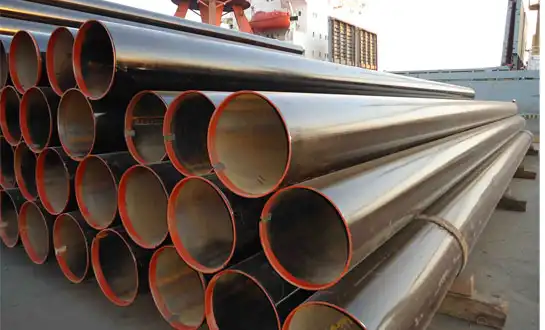
When testing high-temperature pipes, the main goals are to make sure they are strong, that the welds are good, that they have the right chemicals, and that they will last for a long time under heat and pressure. In real life, this means using non-destructive tests like ultrasound and radiographic testing, mechanical tests like tensile and impact testing, and metallurgical checks that confirm the chemistry and microstructure of the alloy. I believe these tests are very important for keeping factories safe, especially in places like power plants, refineries, and process systems where a broken pipe can stop work and pose a big risk. When I buy high-temperature pipes for a job, I want to see clear test records, know that the material meets all standards, and be sure that it will work exactly as promised.
Introduction
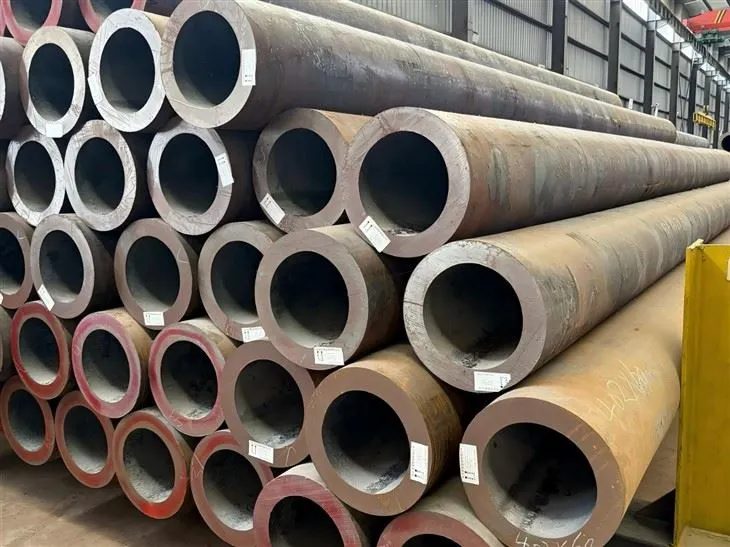
Some of the toughest industrial tasks in the world are carried out with high-temperature pipes. They move steam, gas, oil, and harsh process media through systems that are very hot and under a lot of pressure. Testing is more than just a quality step in this case. It keeps people, schedules, and budgets safe by reducing risk.
When evaluating a pipe supplier, professional buyers look at more than just price and lead times. How was the pipe tested? What standards were used? Were the welds checked? How does the maker show that they followed the rules? That's what makes an investment that will last a long time different from a normal buy.
Understanding the Importance of Testing High-Temperature Steel Pipes
Why does testing matter in critical industries?
If a pipe in a high-temperature pipe service line breaks, it can lead to shutdowns, high replacement costs, safety problems, and delays in contracts. That's why testing is such an important part of both buying and product review. Even a small flaw can get worse in fields like petroleum processing, power generation, and industrial manufacturing where heat cycling, internal pressure, and rust are common.
Steel pipes are an important part of modern infrastructure because they reliably move fluids and gases and support structures in many fields. We guarantee consistent quality and dependable performance because we have been exporting steel pipes since 2006 and have strong relationships with factories.
As a result? Pipe systems that are strong and don't break down under extreme conditions or high pressure will keep your projects running smoothly for years to come.
Standards buyers usually look for
Most buyers in the US and around the world expect tests to be in line with established standards. Some common examples are ASTM material standards, ASME Boiler and Pressure Vessel Code requirements, ISO quality systems, and, when applicable, API inspection objectives. These guidelines help everyone—the buyer, the maker, the inspection agency, and the end user—speak the same language.
Proper testing ensures compliance with project tenders, insurance standards, plant approvals, and regulatory paperwork. For procurement teams, having full mill test reports (MTRs) and third-party verification can shorten approval times and justify purchasing decisions internally.
Common Testing Methods for High-Temperature Steel Pipes
Non-destructive testing for surface and internal defects
NDT, which stands for "non-destructive testing," lets buyers check out pipes without breaking them. This is very important for production lots and finished things that haven't been put into use yet. Ultrasonic testing looks for flaws inside and even wall thickness; X-ray testing checks the quality of the weld; magnetic particle testing finds cracks on the surface and close to the surface of ferromagnetic materials; and eddy current testing finds breaks in some tube and pipe applications.
In industrial procurement, NDT records verify that the manufacturer has effectively managed production risks. They also make it easy to compare vendors when the project needs a full-body check, a seam examination, or help with hydrostatic testing.
Destructive testing for strength and toughness
The service state and the mechanical performance must match. Tensile testing proves both the yield strength and the tensile strength. Hardness testing helps figure out how resistant something is to wear and limited distortion. When the standard calls for it, Charpy V-notch testing is often used for impact testing. This helps show how the material handles quick loads and stress caused by temperature changes.
These tests help me a lot when I need to be sure about the materials used in pressure pipes that will be exposed to changes in temperature, load, or start-up and shutdown cycles. Destructive testing is often used along with NDT to see if the base metal and welded parts can work within the expected range.
Chemical and metallurgical evaluation
Heat resistance, creep strength, rust behavior, and the ability to weld are all affected by the chemical makeup. Optical emission spectroscopy checks to verify that alloying elements meet grade requirements. A metallographic study looks at the structure of the grains, any flaws, heat-affected zones, and other microstructural features that might affect how long something will last in service.
This is important because a pipe may look fine on the outside but have problems with its chemistry or construction that make it unfit for high-temperature service. When it comes to high-heat uses, I always see chemistry proof as more than just a lab practice.
Advanced and Emerging Testing Technologies
Digital inspection tools are improving speed and accuracy
The way checks are done in modern industry is changing because of digital radiography and automatic ultrasonic testing. They make the quality of the images better, let you review them faster, and cut down on human differences. This can help with tracking and shorten review times for big jobs.
This helps me a lot when I have jobs with a lot of different sizes, high-temperature pipes, dates, and heat numbers. Automated systems help with repeatability, and digital records make it easier for EPC workers, wholesalers, and end users to keep track of paperwork.
Thermal monitoring and predictive maintenance
Infrared thermography and thermal imaging can help find holes in insulation, strange hot spots, and places where running systems might be leaking. Monitoring with IoT adds another level by keeping an eye on things like temperature, sound, pressure, or wall state while they are being used. This backs up planned maintenance over fixing after the fact.
When buyers are thinking about the total cost of ownership, they care about more than just the incoming inspection. Lifecycle dependability is what they want. Monitoring in real time can help plant teams find damage earlier and cut down on unplanned downtime.
Standards and Compliance in Testing High-Temperature Steel Pipes
Key standards that shape procurement decisions
People know that ASTM A335 is a standard for seamless ferritic alloy steel pipe for high-temperature service. The ASME rules are still very important in boiler and pressure pipe systems. ISO 9001:2015 helps make sure that the quality management system is consistent between the testing and output processes.
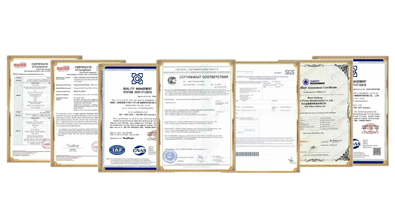
It's important to get certified because it builds trust. RAYOUNG is trusted by many businesses to provide high-quality carbon steel pipes to customers in both the United States and other countries. See our GOST-R and SGS certificates to make sure we follow export rules and make sure of the quality of our work. Steel pipe fittings and pipes offer performance, safety, and long-term resilience for a wide range of buildings, from houses and businesses to factories and industrial sites. Our fittings work perfectly with all kinds of flow systems, from water to gas lines. As one of the biggest companies that makes pipes and fittings, we know how important it is to have uniform quality, ISO 9001:2015, and new ideas in every application.
Why third-party testing strengthens supplier credibility?
An outside check can help prove what the mill says and keep disagreements from happening in the future. When the project involves government contracts, cross-border purchases, or mission-critical industry service, I've found that third-party review is even more important.
People are more likely to trust a supplier who shares publicly their certificates, test methods, and inspection reports than one who only gives out price sheets.
How to Choose the Right Testing Method for Your High-Temperature Pipes?
Match the test plan to the service condition.
The best way to test a pipe relies on its grade, how it was made, the temperature and pressure at which it will be used, its rust risk, and whether it is seamless or welded. A steam header in a power plant might need a different set of inspection tools than a general process line in a chemical plant.
Before placing an order, procurement teams should evaluate the following factors:
- I review the application temperature range, pressure load, code requirement, and the consequences of failure. For high-temperature pipes that are used between 400°C and 700°C, it is important to pay close attention to the alloy's chemistry, its ability to fight creep, its weld soundness, and its heat-treatment records. If the line is in a process setting that is corrosive, I also need a corrosion review or supporting material data that matches the service conditions and the amount of time I expect to spend on upkeep.
- The cost of testing is weighed against the project's danger and its release date. Full radiographic testing, advanced ultrasonic inspection, and third-party witness inspection all take more time and cost more money, but they can save a lot more by keeping the work from being rejected, interrupted, or redone. This balance is often what separates suppliers who can really help with the project from those who can just quote it for EPC buyers and OEM teams.
Choose suppliers that support the full piping system.
Partnering with a comprehensive pipe supplier simplifies the procurement process for complex industrial projects.
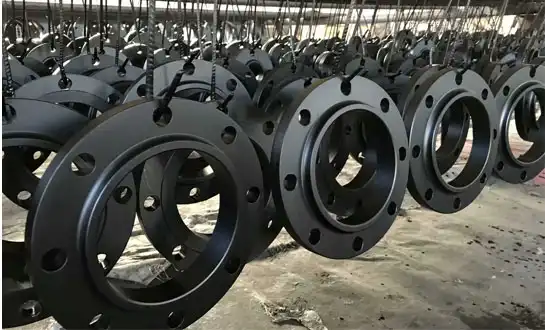
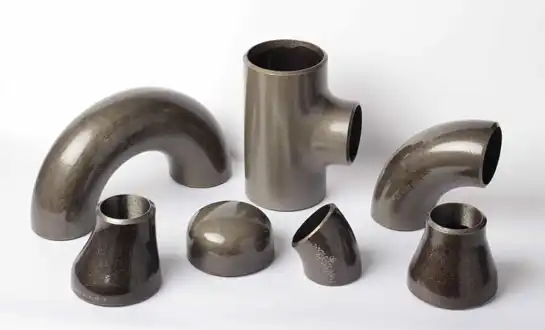
It is also helpful if the provider can handle more than just straight pipe when it comes to connection integrity. We offer a range of industrial pipe fittings, such as buttweld steel elbows, steel reducers, and flanges, that make sure connections are safe. Our product line has options for all kinds of design needs, from simple straight lines to complicated curves to flexible joints.
Conclusion
There is a lot more to testing high-temperature pipes than just making sure they pass inspection. It makes sure of the power, consistency of the material, integrity of the weld, and long-term dependability in tough work. I think that the best choices about what to buy are made when the right test methods, well-known standards, and clear supplier documents are all used together. Buyers lower project risk, improve compliance, and protect the whole pipe system's lifecycle value when they match testing to real-world working conditions.
FAQ
1. What temperature range is typical for high-temperature steel pipes?
A lot of high-temperature pipe service lines work between 400°C and 700°C, but this depends on the metal, the design code, the wall thickness, and the application. The exact limit is set by the type of material and the way the system is built.
2. How often should high-temperature pipes be tested?
Testing frequency depends on whether it is a pre-shipment inspection or in-service monitoring. Before they are shipped, new pipes generally meet all the requirements of the design and code. In use, how often something needs to be inspected depends on how stressed it is, how likely it is to rust, how the temperature changes, and how the plant is maintained.
3. Can corrosion resistance be evaluated during testing?
Yes. Chemical research, metallurgical assessment, wall-thickness checking, and some non-destructive testing methods can be used to check corrosion resistance. In operating systems, keeping an eye on data and checking in on a regular basis helps make long-term decline clearer.
RAYOUNG High-Temperature Pipe Solutions | Get Reliable Supply & Fast Quote from RAYOUNG
In need of a trustworthy provider of high-temperature pipes for your next project? RAYOUNG helps buyers around the world by providing tested steel pipes, fittings, and paperwork that is ready to be exported. Email us at info@hb-steel.com to talk about prices, approvals, and specs. No matter what kind of high-temperature pipes you need, our team is ready to help you find one with stable quality and quick service.
References
1. ASTM International, ASTM A335/A335M Standard Specification for Seamless Ferritic Alloy-Steel Pipe for High-Temperature Service
2. ASME, Boiler and Pressure Vessel Code
3. ASME, B31.1 Power Piping
4. ASME, B31.3 Process Piping
5. ISO, ISO 9001:2015 Quality Management Systems — Requirements
6. American Welding Society, Welding Inspection Handbook

Need a quote? Want to see samples? Just say hello. We’re friendly. We’re fast. And we’re ready when you are.
Welcome to RAYOUNG – Strong Pipes, Stronger Promise