Manufacturing Tolerances in Seamless Steel Pipes
Manufacturing tolerances in seamless steel pipes are the changes that can be made to the pipe's size, form, length, wall thickness, and surface quality without affecting its safety or ability to meet standards. In real projects, these standards are important because even small changes in size can affect how well things fit together, how well they flow, how well they weld, and how reliable they are in the long run. This is one of the most important things that buyers of seamless steel pipes should do. This is especially true in industries like oil and gas, power, chemical processing, infrastructure, and mechanical systems, where accuracy, compliance, and supply certainty all have real effects on cost and safety.
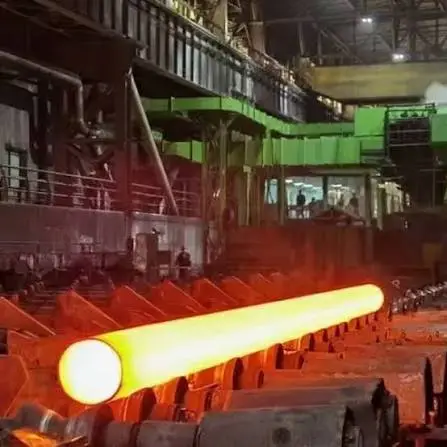
Understanding Manufacturing Tolerances in Seamless Steel Pipes
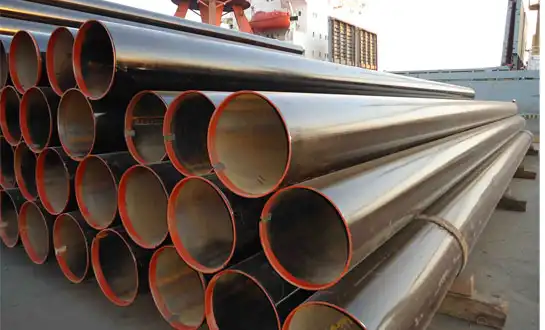
Seamless steel pipes are made without any seams or welded joints. It is made by drilling holes in a solid piece of steel and then hot or cold rolling it into a pipe shape. This manufacturing process provides exceptional structural integrity and high-pressure resistance, making seamless pipes suitable for demanding applications.
What do tolerances usually cover?
When evaluating pipe specifications, procurement teams must pay attention to several main types of tolerances:
- Outer diameter tolerance affects the pipe's ability to connect to fittings, flanges, and other equipment. If OD moves too far, it slows down installation and can affect how well pressure systems seal. Most of the time, buyers who are working on EPC projects or shutting down refineries see OD control as both a quality and a timing problem.
- Wall thickness tolerance has a direct effect on weight, pressure grade, and corrosion allowance. A pipe with a wall that is too thin or too thick can pose a compliance risk; excessive wall thickness can make the pipe more expensive, heavier, and harder to manufacture. This is very important when buying ASTM A106, ASTM A53, and line pipes.
- Length, straightness, and end finish tolerance affect field handling, cut planning, threading, beveling, and welding output. When the job is big, these factors affect the number of hours worked more than most buyers think. Tolerance control that works well cuts down on repairs and helps teams keep up their installation speed.
Why do standards matter?
Standards like ASTM, ASME, ISO, and EN are often used by global buyers to figure out what tolerance levels are accepted. These standards give engineering teams, inspectors, and sellers a way to talk to each other in the same language. This is a common area for procurement errors: buyers may specify what grade and size they want but forget to make sure that the expected measurement tolerances are right for the job.
Tolerance control should never be overlooked if the system works with media that is toxic, under high pressure, or at high temperatures.
Factors Influencing Manufacturing Tolerances
There are different ways to make seamless steel pipes that can't all keep the same level of accuracy in size. The path of the process, the grade of the material, and the way it is finished all affect the end result.
Manufacturing process and dimensional control
Usually, the steps in the manufacturing process are preparing the billet, cutting it, rolling and forming it, and then finishing it. When a solid steel billet is being prepared, it is heated to a high temperature. During piercing, a mandrel or piercing tool is used to create a hollow shell from the billet.
Rolling and forming the tube makes it smaller until it has the right outside diameter and wall thickness. Finishing can include smoothing, cutting, inspecting, and testing, as well as heat treatment.
There are different ways that different methods affect accuracy:
- Rotary piercing and hot rolling help with fast production and a wide range of sizes. However, hot-formed goods usually need careful finishing and checking to reduce the range of sizes.
- Cold drawing or cold finishing can improve the dimensions, surface finish, and straightness. This makes it useful for mechanical tubing and close-tolerance uses.
- Pilgering and stretch reduction help improve dimensional accuracy for certain high-performance needs.
Heat treatment and steel grade
Heat treatment does more than just make things stronger. It can help keep measurements stable, lower residual stress, and make results more uniform across a production lot. The things you choose also matter. When they are bent or cooled, carbon steel, stainless steel, and alloy steel all react in different ways. Stainless types may need more precise process control because the end size is affected by thermal expansion and work hardening.
That's why buyers should make sure that the tolerances they expect are right for both the grade and the end use, not just the stated sizes on the plan.
Seamless Steel Pipes vs. Other Pipe Types: Tolerance Comparison
When evaluating piping options, procurement professionals typically compare price and mechanical strength when they compare seamless and welded pipe.Dimensional consistency must receive equal attention.
Seamless vs. welded pipe
Because they don't have a lengthwise weld seam, seamless steel pipes usually have walls that are more regular. This shape that is all the same can be very helpful in high-pressure pipes, boiler tubes, hydraulic systems, and important process lines. It is still possible for welded ERW pipe to work very well in many situations, but it is made in a different way, and the way it handles tolerances can change depending on the quality of the strip, how it is formed, and how well the weld bead is controlled.
A practical comparison looks like this:
- Seamless pipe is often the best choice in safety-critical, high-pressure, and high-temperature situations where consistency, pressure containment, and material quality are most important. Buyers in chemical plants, power plants, and factories often choose it when the lower project risk is worth the higher cost and longer production time.
- Welded pipe may be a good option for services that aren't very demanding, when larger diameters are required, or when cost and availability are the main factors in choosing a pipe. Even so, buyers should still look at the tolerance standards, NDT requirements, and end-use pressure conditions before making a choice.
Carbon steel vs. stainless seamless pipe
Seamless carbon steel pipe is often chosen because it is strong, cheap, and can be used in many industries. When rust protection is important, seamless stainless pipe becomes a good choice. Different materials may be subject to different tolerance requirements because they react differently when they are processed. During procurement, engineering teams must evaluate the entire specification package, including the service temperature, medium, rust limit, pressure class, and way the item was made.
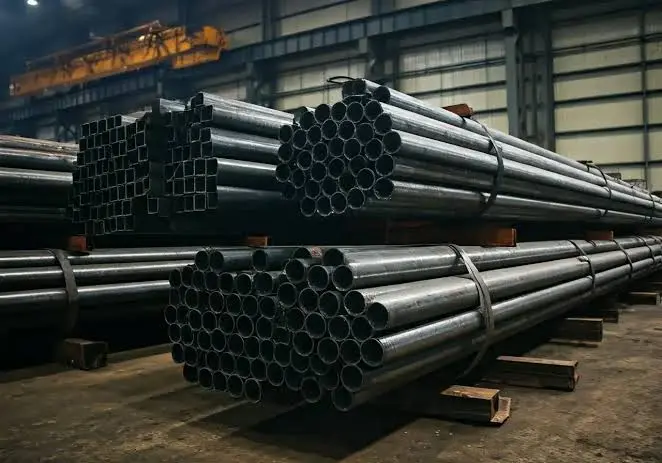
Quality Assurance and Testing for Tolerances
Tolerance control that you can rely on comes from disciplined review, not just papers. Quality is built into the production process by serious providers of seamless steel pipes, who check it several times.
Inspection methods buyers should expect
Some common tools used for quality control are ultrasonic testing, x-ray inspection when needed, laser or mechanical measurement of dimensions, hydrostatic testing, visual inspection, and checks for straightness. Traceability records and mill test certificates help make sure that the given product meets the requirements.
Practical field experience demonstrates this clearly. In many projects, a minor variation in wall thickness has caused fit-up delays at prefabrication shops, not a big flaw. Sometimes, pipe ends needed more work because the OD or bevel uniformity wasn't handled well enough. These issues cost a lot of money because they impact work, schedules, and sometimes compliance.
What to verify in a supplier?
Procurement teams should verify the following capabilities:
- QC processes that are written down and lot tracking
- meeting standards set by ASTM, ASME, ISO, EN, or projects
- Getting measuring tools calibrated
- inspections during the process, not just at the end
- history of approvals and ability to comply with export requirements
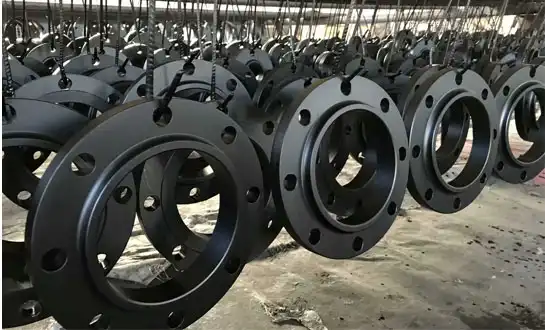
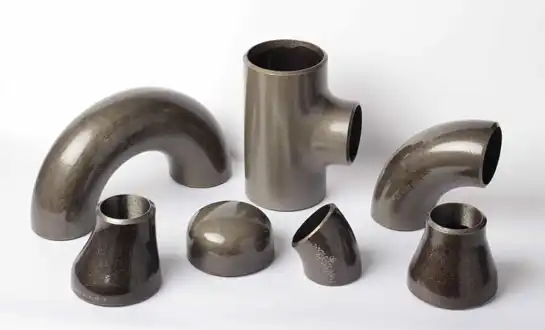
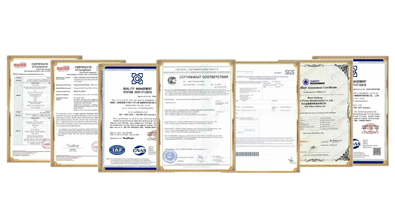
We offer a range of industrial pipe fittings, such as buttweld steel elbows, steel reducers, and flanges, that make sure connections are safe. Our product line has options for all kinds of design needs, from simple straight lines to complicated curves to flexible joints. RAYOUNG is trusted by many businesses to provide high-quality seamless steel pipes and carbon steel pipes to customers in both the United States and other countries. Buyers can look at our GOST-R and SGS certificates to make sure they are export-friendly and to check the quality. In residential, industrial, and commercial flow systems, our steel pipe fittings and steel pipes range from supporting performance and safety to long-term durability. They are backed by ISO 9001:2015 quality management.
Procurement Considerations: Ensuring Optimal Manufacturing Tolerances
More than just engineering is affected by tolerance standards. Cost, wait time, buying strategy, and project risk are all affected by them.
Cost, lead time, and supply planning
Tighter tolerances generally mean more control over the process, more time for checking, and sometimes more steps for finishing. That could make the unit price go up and the wait time get longer. It is crucial for procurement specifications to clearly define when tight tolerances are necessary and when standard commercial tolerances are enough. This keeps the budget safe without lowering the level of safety or usefulness.
Bulk planning can help wholesalers, stockists, and project workers make sure that all of their lots are more consistent. Clear tolerance wording in tender papers for government and infrastructure work cuts down on disagreements during inspection and delivery.
How can buyers reduce risk?
These things are part of a useful sourcing strategy:
- Write precise specifications: Provide clear specifications. List the required standard, grade, size, delivery requirements, dimensional tolerances, testing scope, end preparation, and certifications. When buy orders aren't clear, quality issues come up later, and packages don't match up as often as they should.
- Assess total cost, not only pipe price: Look at the whole cost, not just the pipe price. Better control of tolerances can lower the risk of field changes, scrap, clearance delays, and downtime. In the long run, this usually means less money spent on the pipe system by industry end users.
- Choose suppliers with stable production capacity and effective communication: Pick providers who can communicate well and keep their output of seamless steel pipes stable. For foreign sales, it's almost as important that the paperwork is correct, the deliveries are reliable, and the packaging is of good quality. A seller that buyers can trust helps them meet schedules and keep end users' trust.
Conclusion
Tolerances in the manufacturing process of seamless steel pipes affect safety, fit-up, pressure containment performance, cost control, and the time frame for a project. They're not just a technical detail; they are a critical procurement consideration. When buyers make sure that standards, process capabilities, material grades, and testing needs are all in line, it makes installation easier and increases long-term dependability. When it comes to pipes and fittings, the best results come from working with providers who have strict production rules, written quality control, and quick customer service.
FAQ
1. How do manufacturing tolerances affect seamless steel pipe performance?
They change the weight that can be put on seamless steel pipes, how well it flows, how much rust it can handle, and how well it fits together. Lack of quality control can lead to delays in installation, extra work during manufacturing, or problems during early service.
2. Do tighter standards make something more resistant to corrosion?
Not right away. Corrosion protection is mostly based on the material type, service environment, surface condition, and corrosion allowance. Controlling the thickness of the walls does help keep the corrosion allowance and service life that were planned.
3. Which standards should buyers verify?
People who want to buy something should look at the ASTM, ASME, ISO, or EN standard that is related to the job. Some common examples are ASTM A106, ASTM A53, ASTM A312, and ASME B36.10M or B36.19M, based on the material and use.
RAYOUNG Seamless Steel Pipe Supplier – Reliable Global Supply & Fast Custom Quotes
RAYOUNG helps customers all over the world by manufacturing and supplying reliable seamless steel pipes and matched parts for full piping systems. For a personalized quote and expert advice on seamless steel piping solutions, please email our team at info@hb-steel.com. We offer tight spec control, approved quality, and quick delivery support.
References
1. ASTM International, ASTM A106/A106M Standard Specification for Seamless Carbon Steel Pipe for High-Temperature Service
2. ASTM International, ASTM A312/A312M Standard Specification for Seamless, Welded, and Heavily Cold Worked Austenitic Stainless Steel Pipes
3. ASME, ASME B36.10M Welded and Seamless Wrought Steel Pipe
4. ASME, ASME B36.19M Stainless Steel Pipe
5. API, API Specification 5L Line Pipe
6. ISO, ISO 3183 Petroleum and Natural Gas Industries — Steel Pipe for Pipeline Transportation Systems

Need a quote? Want to see samples? Just say hello. We’re friendly. We’re fast. And we’re ready when you are.
Welcome to RAYOUNG – Strong Pipes, Stronger Promise