Pipe Beveling Standards for Welding Preparation
Pipe beveling standards for welding preparation spell out the angle, root face, and end condition that are needed to join steel pipes together in a way that is strong and meets code requirements. In real life, ASME B16.25, API 5L, ISO 9692, and similar EN rules are the most commonly used standards. These standards help buyers and producers make sure that pipe end prep matches up with the way pipes are welded, inspected, and used. When evaluating a beveling requirement, procurement and engineering teams must pay attention to the weld depth, fit-up accuracy, material type, and project code. This is because a small mistake at the pipe end can cause delays, extra costs, or weld flaws later on.
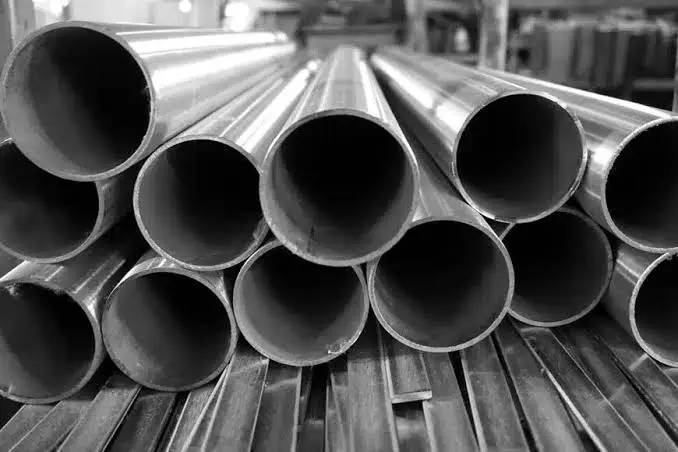
Understanding Pipe Beveling and Why It Matters
When a pipe end is beveled, it is machined or cut into a specific shape so that the welder can make a good joint. Beveling is needed for a lot of industrial jobs, not just small ones in the shop. It is a quality checkpoint that is closely linked to safety, following the rules, and getting work done.
Common bevel types in welding preparation
The V bevel, U bevel, and J bevel are the most popular types of bevels. There are many uses for a V bevel because it is easy to set up and works well in many carbon steel situations. It is common for U and J bevels to decrease the amount of weld metal, which can lower the amount of heat needed and the time it takes to weld thicker-walled pipe. However, they generally need to be machined more precisely.
In terms of the buyer, the shape of the edge affects:
- weld penetration
- filler metal consumption
- welder access
- fit-up consistency
- final weld cost
Why does bevel quality affect project performance?
An accurate curve makes fusion better and helps control the quality of the root pass. The welder might have trouble maintaining proper penetration if the angle is too high, too narrow, or the root face isn't level. This risk is higher in areas where following the rules is important, like oil and gas lines, water infrastructure, industrial systems, and pressure piping systems.
Steel pipes are an important part of modern infrastructure because they reliably move fluids and gases and support structures in many fields. We guarantee consistent quality and dependable performance because we have been exporting since 2006 and have strong relationships with factories. The result is long-lasting pipe systems that stay together even under extreme temperatures and high pressure, keeping projects running smoothly for years.
Overview of International Pipe Beveling Standards and Specifications
For professionals seeking to understand what standard governs pipe beveling for steel pipes, the answer is straightforward: ASME B16.25 is the primary standard for preparing butt-welding ends, and API 5L, ISO 9692, and EN standards add requirements that depend on the material and the purpose.
Key standards buyers and engineers should know
The primary standard for butt-welding end preparation is ASME B16.25. It talks about root faces, bevel angles, and end prep measurements for pipe and fitting ends that are used for welding. API 5L is for line pipe that is used in pipeline transportation systems. It includes standards for size and finish at the end that are related to beveling, especially for buying line pipes. ISO 9692 tells you how to prepare an edge for welding and lists the types of joints and sizes that are used in international manufacturing. EN standards may be used in European or project-specific settings, especially when bid papers say that the products must meet area standards.
What do these standards usually control?
Along these lines, I pay attention to:
- bevel angle and range of error
- root face or land size
- end squareness
- surface condition and burr removal
Seamless steel pipes often have more uniform wall thickness, which can make fit-up easier. Welded pipe may need extra care around the seam to keep the bevel shape uniform. Stainless steel and corrosion-resistant alloys may also need tighter control to keep the weld quality high and prevent contamination.
Inspection and verification before welding
Cutting is not the only thing that good beveling does. Before welding starts, quality teams often check the size and state of the surface. Non-destructive testing may help support acceptance criteria for important projects, especially when the quality of the end prep affects the soundness of the final weld. In welded pipe systems, radiographic and ultrasonic testing are commonly used for weld inspection. However, visual and dimensional checking is still the primary method for verifying bevel preparation.
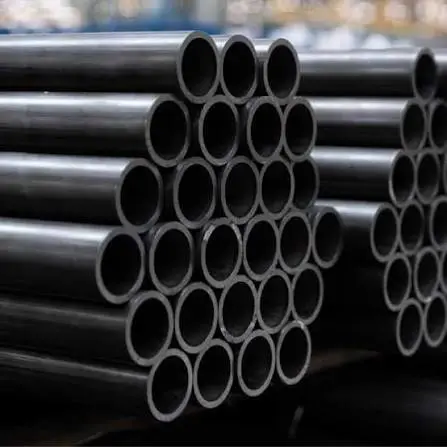
How to Choose the Right Beveling Method for Different Applications?
The material, wall thickness, location, and output number all affect which beveling method is best.It is crucial to ensure that the process aligns with both the technical objectives and the project budget.
Matching methods to material and service
There are a lot of different ways to bevel carbon steel pipes, such as mechanical cutting, flame beveling, and portable end-prep tools. To keep the surface from getting damaged or contaminated, stainless steel generally requires better process control and better heat control. Coatings on galvanized steel can change how it is prepared and how it is welded, so it may need to be handled in a certain way. High consistency is important for building pipelines. When installing things in the field or maintaining plants, flexibility may be more important than automation.
Manual, CNC, and thermal beveling compared
Repair work, small runs, and making changes on-site can all be done with manual and compact beveling tools. They are flexible, but a lot depends on how skilled the user is, how well the tools are set up, and how good the tools are. CNC and machine beveling methods are ideal for high-volume production, maintaining tight tolerances, and ensuring strict repeatability. They make things more consistent, cut down on repairs, and help weld fit-up better on tough projects like power, industrial, and infrastructure construction. Machine beveling is typically preferred for critical projects because it minimizes fit-up issues and weld repairs.
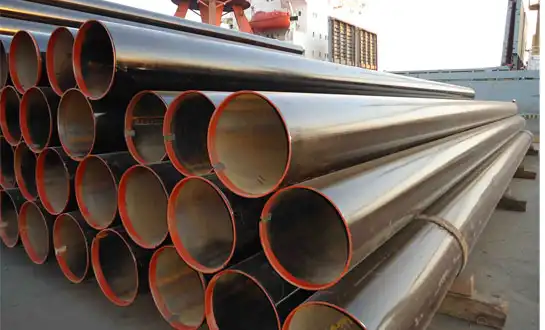
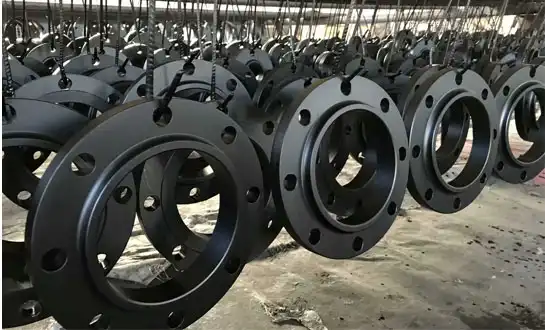
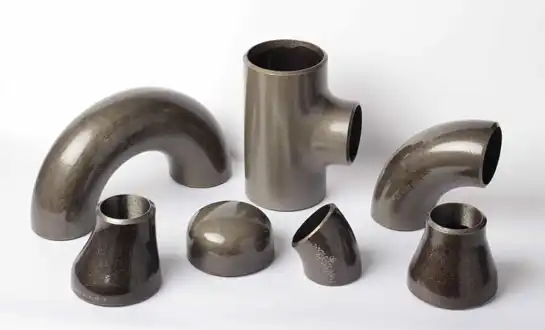
At RAYOUNG, we offer a range of industrial pipe fittings, such as buttweld steel elbows, steel reducers, flanges, and steel pipes, that make sure connections are safe. Our product line has options for all kinds of design needs, from simple straight lines to complicated curves to flexible joints.
Common Challenges and How to Avoid Beveling Errors?
Most beveling mistakes are caused by bad measurements, worn-out tools, poor process control, or not enough training for the user. There is a chance that these problems will cause undercut risk, mismatch, lack of penetration, and weld rejection.
Typical beveling defects
Common issues include the wrong angle, an uneven root face, rough surfaces, warping caused by heat, and ends that are not straight. Root gap problems can be caused by even small changes in dimensions. These problems slow down fit-up crews and raise the rate of weld repairs.
How I reduce bevel-related welding risk?
A simple control plan is what I suggest:
- Verify the bevel angle and land with calibrated tools
- Inspect surface finish and remove burrs.
- Check wall thickness variation before prep
- Confirm seam orientation on the welded pipe
- train operators on code-specific acceptance limits
- Maintain beveling tools on a regular schedule
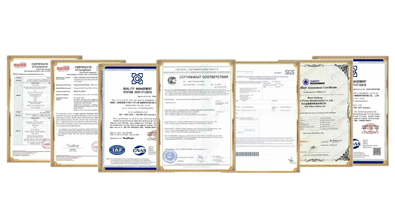
RAYOUNG is trusted by many businesses to provide high-quality steel pipes to customers in both the United States and other countries. Buyers can look at our GOST-R and SGS certificates to make sure they are export-friendly and to check the quality. Our fittings work perfectly with all kinds of flow systems, from water to gas lines. As one of the biggest companies that makes pipes and fittings, we know how important it is to have uniform quality, ISO 9001:2015, and new ideas in every application.
Procurement Guide: Selecting Steel Pipes and Beveling Services
Risk, compliance, timeliness, and total cost are usually what make EPC companies, distributors, local installers, government projects, and industry end users decide what to buy. The quality of the beveling affects all four.
What to include in your purchase specification?
RFQs and purchase orders for steel pipes should clearly specify the following:
- material grade and pipe standard
- length, diameter, and pipe end type
- bevel angle, root face, and tolerance
- shop or field beveling requirement
- applicable code, like ASME B16.25 or API 5L
- inspection documents, MTCs, and certification needs
- packaging and end protection for shipment
How to evaluate a supplier’s beveling capability?
A good provider should have control over the whole process, documented inspection records, the ability to track goods, and real-world experience exporting steel pipes. I also want stable manufacturing relationships, quick contact, and the ability to provide full sets of pipes and fittings. That makes teamwork less risky and helps projects stay on schedule.
Conclusion
The standards for pipe beveling before welding are more than just technical features. They are a straight link between buying steel pipes and how well they weld. As long as checking methods, root faces, and bevel angles are in line with standards like ASME B16.25, API 5L, and ISO 9692, projects will have better welds, a smoother fit-up, and fewer costly delays. When buyers are clear about what kind of edge they need, choose qualified sources, and check the preparation before welding starts, projects achieve the best results.
FAQ
1. What is the standard bevel angle for carbon steel pipes?
A normal butt-weld pipe bevel is about 37.5 degrees on each side when prepared in the ASME way, which makes an angle that is included close to 75 degrees. Because exact sizes can change depending on the code, wall thickness, and welding method, buyers should always make sure that the bevel requirement matches the project requirements for steel pipes.
2. Can pipe beveling be done onsite instead of in the factory?
Yes. For tie-ins, repairs, and fitting changes, beveling is often done on-site. Most of the time, factory beveling is more consistent, faster, and easier to check, while field beveling is more adaptable when the job site's measurements change. The best choice relies on the time frame, the ease of access, the quality standards, and the tools that are accessible.
3. How does pipe material affect the beveling method and quality control?
Material makes a big difference. There are several ways to bevel carbon steel that are usually easier. Stainless steel requires careful handling to prevent surface contamination. Corrosion-resistant or high-alloy materials often need more accurate machining and checking because they are more difficult to weld and more expensive to repair.
RAYOUNG Precision Steel Pipe Manufacturer – Trusted Supply with Beveling & Export Support
Need a reliable steel pipes supplier with precision beveling support? RAYOUNG helps buyers source compliant pipe and fittings with dependable quality, export experience, and responsive service. Email info@hb-steel.com to discuss your project, request a quote, or compare options from a trusted steel pipes manufacturer ready to support your schedule and budget.
References
1. ASME B16.25, Butt-Welding Ends
2. API Specification 5L, Line Pipe
3. ISO 9692-1, Welding and Allied Processes — Types of Joint Preparation
4. ASME Boiler and Pressure Vessel Code, Section IX, Welding, Brazing, and Fusing Qualifications
5. AWS D1.1/D1.1M, Structural Welding Code—Steel
6. EN ISO 5817, Welding — Fusion-Welded Joints in Steel, Nickel, Titanium and Their Alloys — Quality Levels for Imperfections

Need a quote? Want to see samples? Just say hello. We’re friendly. We’re fast. And we’re ready when you are.
Welcome to RAYOUNG – Strong Pipes, Stronger Promise