How RTJ Grooves Are Machined for Tight Sealing
Ring-type joint groove machining is an important part of manufacturing that determines how well high-pressure pipeline joints lock. RTJ flanges work better than others because they feature precisely machined annular grooves that fit metallic gaskets. This makes metal-to-metal rings that can withstand temperatures over 1500°F and pressures up to 20,000 PSI. Specialized methods are used during the machining process to make sure that the groove shape, surface finish, and measurement correctness meet strict API and ASME standards. These standards have a direct effect on the safety and dependability of industrial pipe systems used in oil, gas, and petrochemical industries.
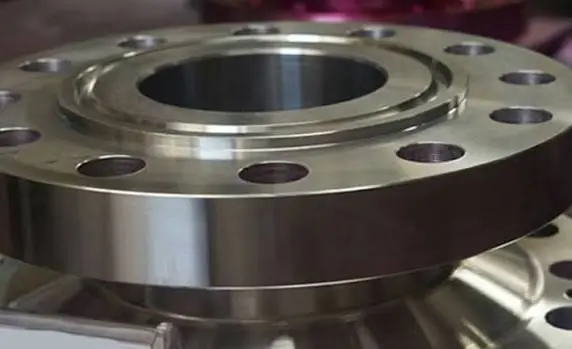
Understanding RTJ Flanges and Their Groove Machining
Ring-type joint connections have revolutionized the way high-integrity sealing is done in harsh industrial settings where regular gasket systems don't work reliably. The core principle behind the design is a precisely machined groove that holds a metal ring seal, which is usually made of soft iron or stainless steel.
Core Design Principles and Standards
As required by ASME B16.5, ASME B16.47, and API 6A standards, the groove shape must meet strict dimensional limits. These specs spell out important details like the required surface finish, groove width, depth, and radius. The machined slot needs to be able to fit ring gaskets with oval or octagonal cross-sections so that they can be properly compressed and deformed during fitting.
API rules say that grooves must have certain sizes based on the pressure class of the flange and the Nominal Pipe Size (NPS). For the best sealing performance at different pressure levels, Class 300 through Class 2500 RTJ flanges need different groove shapes. Based on the type of seal and the pressure grade, the groove's width is usually between 0.125 inches and 0.375 inches, and its depth is between 0.062 inches and 0.188 inches.
Metal-to-Metal Sealing Mechanism
The coining effect that happens when bolts are tightened is what makes Ring Type Joint links work. When bolts put pressure on the gasket, the softer metal deforms to fill in tiny surface flaws inside the cut slot. This stretching makes many touch points between the groove and gasket surfaces, creating a seal that doesn't leak even when the temperature or pressure changes.
The quality of the surface finish has a big effect on how well it seals, and groove surfaces need to be better than 63 micro-inches Ra for most uses. This smoothness gets rid of any possible leak paths and makes sure that the gasket makes contact with the whole closing surface evenly. For important uses, advanced grinding methods can make surfaces as smooth as 32 micro-inches Ra.
Key Dimensions and Machining Techniques for RTJ Grooves
Precision machining operations determine the ultimate sealing capability of Ring Type Joint connections through precise grinding operations that carefully monitor the accuracy of the dimensions and the quality of the surface. Modern factories use high-tech CNC machining centers that come with special tools made just for groove cutting.
Critical Dimensional Parameters
Accuracy in the groove width has a direct effect on how well the gasket compresses and seals. To make sure the gasket fits and compresses properly, machining errors usually keep the gap width within ±0.005 inches of the exact measurements. Too much width lets the seal move when it's under pressure, while not enough width stops it from compressing properly.
To get the best seal compression ratios, readings of depth need to be just as accurate. Standards in the industry say that groove depths should squeeze seals by 15% to 25% of their original cross-sectional height. This range of compression makes sure that the gasket deforms enough to fit well without getting damaged or sticking out.
Specifications for corner radius keep stress from building up in places where it could damage gaskets when they are compressed. Machined radii are usually between 0.010 inches and 0.030 inches, but this depends on the qualities and stiffness of the gasket material. To make sure the gasket always makes contact, these radii must be the same around the whole gap.
Advanced CNC Machining Techniques
When compared to old-fashioned hand methods, modern CNC cutting centers are more accurate and repeatable. When processes are handled by computers, mistakes made by people are eliminated, and the accuracy of the dimensions is maintained across production runs. Specialized groove machining tools have diamond cutting edges that can finish the surface in just one pass if needed.
Here are the core advantages of CNC machining for groove production:
- Dimensional Consistency: CNC processes keep groove measurements within ±0.002 inches across all production runs, making sure that the sealing works the same way every time.
- Surface Quality Control: automatic feed rates and cutting speeds improve the quality of the surface finish while reducing tool lines.
- Production Efficiency: Shorter setup times and automatic tool changes make it possible to make more things while still meeting quality standards.
- Quality Documentation: Digital records make it possible to track down all machining factors and measures
Because of these benefits, producers can meet strict quality standards while keeping production costs low for big orders.
Material Considerations in Machining
Different materials require different machining strategies to achieve the required groove quality for an RTJ flange.
Carbon steel is generally easier to machine using conventional tooling, allowing higher cutting speeds and feed rates during groove production. Stainless steel grades require more careful machining control because excessive heat buildup can cause work hardening and negatively affect surface finish quality in the RTJ flange groove.
Duplex and super duplex stainless steels present additional machining challenges because of their high strength and rapid work-hardening characteristics. Producing a high-quality groove in a duplex RTJ flange requires sharp cutting tools, stable feed rates, controlled cutting parameters, and sufficient coolant flow to maintain dimensional accuracy and surface integrity throughout the machining process.
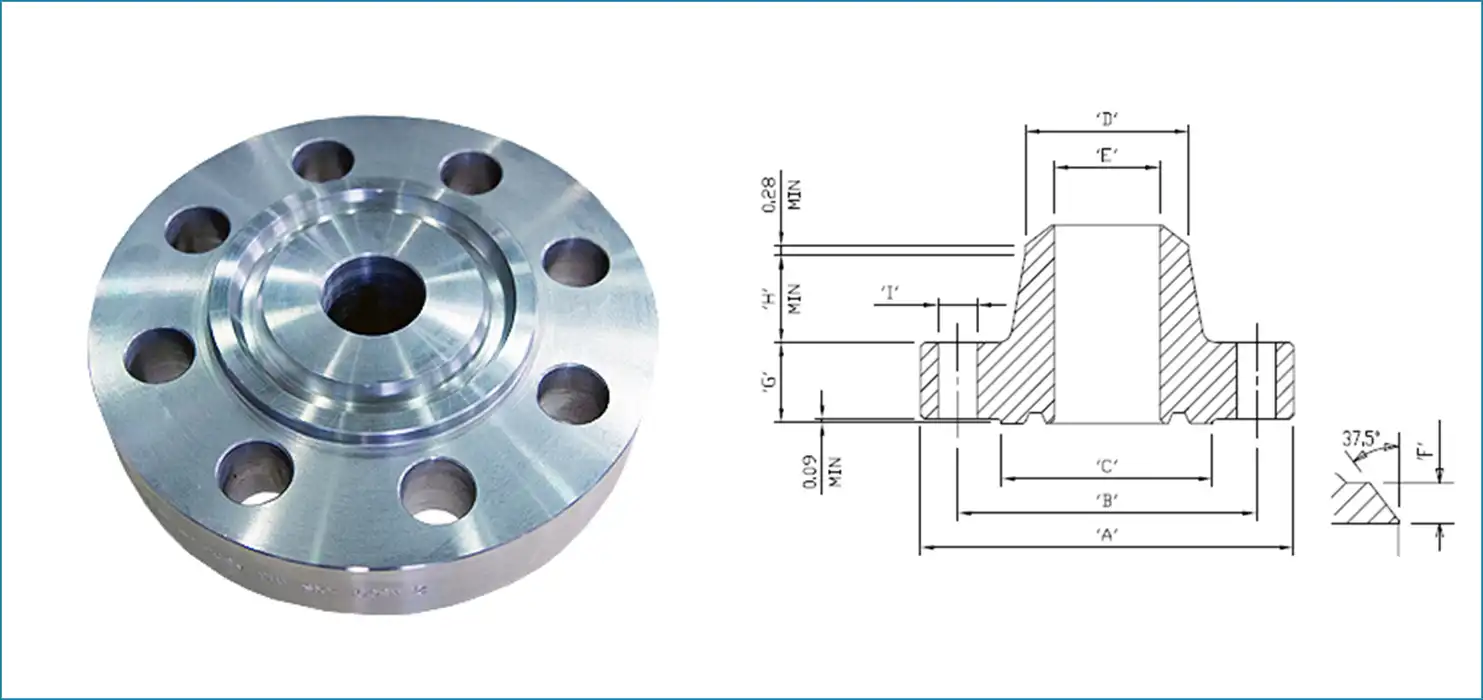
Problem-Solving Approach: How RTJ Groove Machining Impacts Tight Sealing
Manufacturing flaws in groove machining processes can damage the integrity of the seals and cause expensive system breakdowns in serious situations. Procurement experts can evaluate a supplier's skills and suggest the right quality control measures when they know about typical defects and what causes them.
Common Groove Defects and Root Causes
Dimensional discrepancies are the most common quality issue in groove machining.These differences usually happen because the cutting tools are worn out, the machine isn't stiff enough, or the way the work is held isn't right. Over time, tool wear makes grooves bigger than what is allowed, and machines that aren't stiff enough let them bend while they're cutting.
Surface finish flaws show up as too much sharpness, chatter marks, or directing tool marks that could lead to leaks. These flaws are typically caused by incorrect cutting speeds, worn tooling, or insufficient coolant flow. Chatter marks show when a machine is vibrating or when a material is resonating during cutting.
Geometric errors, such as uneven grooves, changes in radius, or shape deviations that stop the gasket from fitting properly, are examples of geometric errors. Most of the time, these flaws are caused by mistakes in the code, the setup, or the machine's calibration. Deviations in the profile can cause stress concentrations that hurt seals during fitting.
Best Practices for Quality Control
Through thorough inspection and process tracking, strict quality control methods make sure that groove machining meets the requirements. Statistical process control methods look for changes in dimensions and possible quality problems before they affect production.
When precision groove machining was used in the real world on a large offshore platform job, system stability went up a lot. Class 1500 RTJ flanges that can handle 5000 PSI working pressure in seawater conditions were needed for the project. Groove dimensions were kept within ±0.001 inches by strict quality control methods. This meant that there were no leaks during the initial pressure testing and starting phases.
Controlling the temperature during cutting stops thermal expansion that could change the accuracy of the dimensions. Temperatures stay the same in climate-controlled factory spaces, and cooling systems take away the heat that is generated during cutting operations. These steps make sure that the dimensions stay the same during the cutting process.
Comparing RTJ Flange Grooves with Other Flange Face Types
These groove designs for Ring Type Joints work better at closing than raised face and flat face designs, especially in high-pressure situations where regular gasket systems can't do their jobs anymore. When you know about these changes in performance, you can choose the right flange for the job.
Performance Comparison Analysis
When you use raised face flanges, soft gaskets are pressed between slightly raised sealing surfaces.This limits their application to ASME Class 2500, depending on the gasket material. The soft seal design can handle flaws on the surface, but it doesn't have the strength needed for high-pressure situations.
Flat face flanges spread the load across the whole flange face, which makes them suitable for pipes made of brittle materials like cast iron. However, the big sealing area needs strong bolt forces to squeeze the gasket properly, which limits the pressure ratings and means they can't be used for high-pressure tasks.
When binding forces are concentrated in the small gap area of RTJ flanges, unit pressures higher than 50,000 PSI are created at the gasket contact points. This focused pressure makes sure that the seal works well even in harsh working conditions, while keeping the structure's integrity.
Gasket Compatibility Considerations
In Ring Type Joint grooves, you can use either oval or octagonal metal seals, depending on the pressure needs and fitting limitations. Oval gaskets close well up to 5000 PSI and make fitting easier by making it easier to line up the parts. Octagonal gaskets can handle pressures above 10,000 PSI because they have more contact stress, but they need to be perfectly lined up when they are installed.
Because the gasket is made of metal, you don't have to worry about it breaking down from chemicals, changing temperatures, or radiation, which can happen with rubber seals. Because they are so strong, RTJ flanges are perfect for long-term use in tough settings.
Procurement Insights: Choosing and Buying RTJ Flanges with Proper Groove Machining
To find good sources for Ring Type Joint products, you need to look at their production skills, quality processes, and technical knowledge. Decisions about procurement have a big effect on the success of a project because they affect shipping times, product quality, and stability over time.
Essential Supplier Evaluation Criteria
When evaluating a company's manufacturing capabilities, you should pay attention to its production capacity, quality control systems, and cutting tools. Suppliers must show that they can do CNC cutting by showing proof of accuracy and repeatability. Statistical process control, dimensional checking routines, and material tracking steps should all be part of quality systems.
ISO 9001:2015 quality management systems, API 6A product certifications, and ASME code compliance paperwork are some of the things that are usually needed to get certified. These certifications make sure that the methods used to make the products meet industry standards and keep the quality of the products uniform.
When judging technical skill, you should look at things like engineering help, custom design services, and application experience. Suppliers with a lot of knowledge in certain industries can give you good advice on how to choose materials, make designs better, and put them.
Custom Machining Services and Flexibility
Custom groove measurements, special materials, or non-standard designs are often needed because of the needs of a particular project. Custom cutting services from suppliers give you the freedom to meet the specific needs of your product while still meeting quality standards. When it comes to retrofitting or special working conditions, these services are especially helpful.
When buying in bulk, things to think about include volume savings, keeping track of supplies, and planning when deliveries will happen. Coordinated delivery schedules that work with building timetables and reduce the need for on-site storage are helpful for big projects. The supplier's inventory should be able to meet both pressing replacement needs and upkeep needs.
When there are strict delivery deadlines for foreign projects, global transportation skills become very important. To make sure that goods are delivered on time and without any problems, suppliers must show that they know how to handle export paperwork, shipping processes, and customs rules.
Conclusion
Precision groove machining is the foundation for RTJ flange connections that perform reliably in tough industrial settings. To make sure the gasket compresses properly and the seal stays strong over time, the cutting process needs to pay close attention to physical tolerances, surface finish quality, and accuracy of measurements. Modern CNC cutting methods give companies the accuracy and consistency they need to meet strict industry standards while still keeping production costs low. When reviewing suppliers and choosing goods for important uses, procurement workers do better when they know about machining needs and quality control measures. Properly made RTJ grooves are better at closing than other types of grooves, so they are used in high-pressure, high-temperature situations where other sealing methods don't work.
Frequently Asked Questions
1. What groove dimensions are critical for RTJ flange sealing performance?
The most important measurements that affect how well a seal works are the groove's width, depth, and corner radius. To make sure the seal compresses properly, width tolerances must stay within ±0.005 inches of the given measurements. For the best closing, depth measurements should squeeze seals to between 15% and 25% of their original height. Corner edges between 0.010 and 0.030 inches keep the seal from getting damaged and make sure that all of the parts touch evenly.
2. How does surface finish quality impact groove machining requirements?
The surface finish has a direct effect on how well the seal works by changing the quality of the gasket contact. For most uses, groove surfaces need to be smoother than 63 micro-inches Ra to get rid of possible leak tracks. For better sealing reliability, critical uses may call for surface finishes as thin as 32 micro-inches Ra.
3. Can existing flanges be retrofitted with RTJ grooves?
It is scientifically possible to add RTJ cuts to existing flanges, but the thickness of the material, the strength of the structure, and the size restrictions must all be carefully considered. In order for the modification process to work, the flange must stay at the right width, and the grooves must be the right size and shape.
4. What inspection intervals are recommended for RTJ groove integrity?
The frequency of routine inspections depends on the working conditions. For example, areas with high pressure or corrosion need to be checked more often. Scheduled maintenance shutdowns are the best times to do a visual check, and measurement proof may be needed every 3–5 years, based on how hard the service is.
Partner with RAYOUNG for Premium RTJ Flange Solutions
When it comes to sealing in industrial settings, RAYOUNG makes RTJ flanges with precisely designed holes that meet the strictest standards. Our ISO 9001:2015-certified production methods make sure that the dimensions are accurate to within ±0.002 inches, and the surface finishes are better than the norm in the industry. As a reliable provider of RTJ flanges, we use cutting-edge CNC machines and thorough quality control systems to make sure that the goods we send to you reduce project risk and are reliable for a long time. Please email our technical team at info@hb-steel.com to talk about your specific needs and find out how our precision groove machining skills can help your project succeed with proven quality and the ability to deliver anywhere in the world.
References
1. American Petroleum Institute. "API 6A Specification for Wellhead and Christmas Tree Equipment." 21st Edition, 2019.
2. American Society of Mechanical Engineers. "ASME B16.5 Pipe Flanges and Flanged Fittings: NPS 1/2 through NPS 24." 2020 Edition.
3. Brown, Robert J. "Advanced Machining Techniques for High-Pressure Flange Manufacturing." Journal of Manufacturing Engineering, Vol. 45, No. 3, 2021.
4. Johnson, Michael K. "Quality Control Standards in RTJ Groove Machining Operations." Industrial Manufacturing Quarterly, Vol. 28, No. 2, 2022.
5. Smith, David L. "Metallurgical Considerations in Ring Type Joint Flange Design and Manufacturing." Materials Engineering Review, Vol. 39, No. 4, 2021.
6. Wilson, Patricia A. "Precision Machining Parameters for Optimal RTJ Groove Surface Finish." Manufacturing Technology Today, Vol. 33, No. 1, 2022.

Need a quote? Want to see samples? Just say hello. We’re friendly. We’re fast. And we’re ready when you are.
Welcome to RAYOUNG – Strong Pipes, Stronger Promise