Pipe Ovality Issues in Thin-Wall Pipes
Issues with pipe ovality in thin-wall pipes can cause them to not fit properly, flow unevenly, have fitting issues, and have a shorter service life. This problem comes up most often when buyers only care about the girth, grade, and price and not the pipe's roundness. Even small changes in shape can have an effect on how well welding, joint alignment, and pressure perform in real projects. Because they are not as rigid as normal or thick-wall choices, thin-wall goods pose a greater risk. To mitigate project risks, procurement and engineering teams must understand what ovality is, its root causes, governing standards, and how QC protocols handling, and inspection by the provider work together to control pipe geometry.
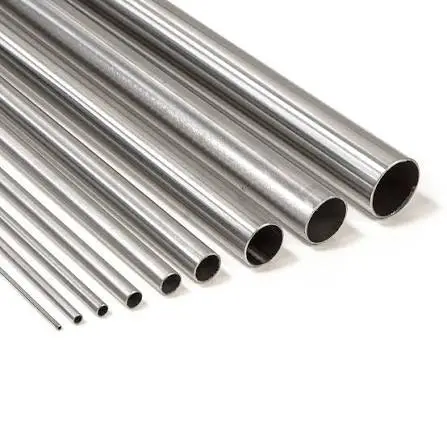
Understanding Pipe Ovality in Thin-Wall Pipes
When a pipe is manufactured, its cross-section may not be perfectly round. In real life, it is usually determined by measuring the difference between the maximum and minimum outside diameters, often expressed as a percentage of the nominal outside diameter. This isn't just a matter of dimensions. It changes assembly efficiency, how well gaskets sit, how well welds are done, and how reliable the system is.
Why ovality matters in real applications?
Roundness helps keep loads evenly distributed and joints working properly in water systems, oil and gas lines, process pipes, and building structures. When ovality exceeds allowable tolerances, the following operational challenges typically arise:
- Difficulty inserting fittings or aligning butt weld joints, which can slow down production, lead to additional field rework, and cost more in labor. This is very important for EPC workers and local installers who have to stick to tight schedules, since one pipe that isn't round can delay an entire spool assembly and cause delays in activities further down the line.
- Uneven stress around the pipe wall, which can make it less durable over time when it is under pressure, shaking, or temperature changes. This is important for infrastructure projects, factories, and end users because problems with regulations, upkeep, and shutdowns often cost a lot more than the pipe itself.
Standards and measurement methods
Dimensional tolerances and dimensions for steel pipes are specified by standards such as ASTM, ISO, API, and ASME, while ASME piping codes provide requirements for piping design, fabrication, and pressure systems. Calipers, circumference tapes, pipe gauges, and more modern laser scanning systems are often used to check ovality for better quality control. For critical high-spec applications, it is essential that manufacturers maintain detailed inspection records traceable by heat number, batch lot, and size range.
In industrial applications, pipe ovality refers to the out-of-roundness of the pipe cross-section. It is typically caused by manufacturing limitations, bending, welding, or improper handling. Uncontrolled ovality compromised fit-up alignment, sealing performance, and overall structural reliability.
Causes and Contributing Factors of Ovality in Thin-Wall Pipes
When the wall is thin, there is less resistance to distortion. That makes process control much more important, from mill production to the delivery of the finished product.
Manufacturing-related causes
The roundness of a pipe can be affected by extrusion, roll forming, welding, sizing, and bending. The pipe section may experience minor dimensional distortion because the weld seam may shrink. During bending, tension on the extrados and compression on the intrados naturally tend to flatten the pipe cross-section, inducing ovality. If the rolls aren't lined up right or there isn't enough size control, the pipe may have an uneven outside diameter. When they are being formed, stainless steel and carbon steel act in different ways, but both need careful process settings when the wall thickness is low, especially for thin-wall pipes.
Handling, storage, and transport risks
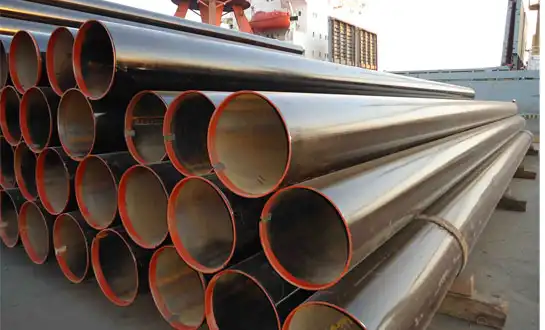
After being made, even a well-made pipe can lose its round shape. Procurement teams should evaluate transportation and handling protocols just as strictly as they review mill test reports (MTRs). Thin-wall materials can crumple if they are not bundled well, stacked too high, hit during loading, or stored without support for long periods of time. Changes in temperature during shipping and storage can add stress, especially if the pipes are left outside for a long time before they are installed.
This is where B2B buyers often miss costs that aren't obvious. Cheap unit prices don't help if the pipe ends arrive out of round and crews have to spend time fixing the fit on-site.
Comparing Thin-Wall Pipes' Ovality with Standard and Thick-Wall Pipes
Thin-wall pipes have many advantages, including being lighter, easier to handle, cheaper, and faster to put in many systems. The trade-off is that it is less resistant to distortion.
Why thin-wall pipes deform more easily?
A thicker pipe wall is generally more resistant to deformation. In other words, standard and thick-wall goods tend to keep their shape better while being formed, transported, and put in place. Under relatively small external forces, thin-wall pipes can ovalize. Strict dimensional control is required from the outset if the application involves mechanical stress, frequent support gaps, or tight bending requirements.
Material choice and procurement impact
Stainless steel often performs well in corrosive environments, although resistance to ovality depends primarily on pipe geometry, wall thickness, manufacturing quality, and handling conditions. Carbon steel, on the other hand, remains a cost-effective alternative for large industrial projects. The best choice relies on factors like pressure, rust exposure, how the item is handled, and its total cost over its entire life.
From a procurement perspective, the following lifecycle factors must be carefully evaluated:
- While lighter pipes reduce transport and material expenses, they require more rigorous quality checks more quality checks, careful packing, and better reception inspection. Thin-wall inventory can be helpful for distributors and stores, but only if it supports return sales and lowers claims from end users.
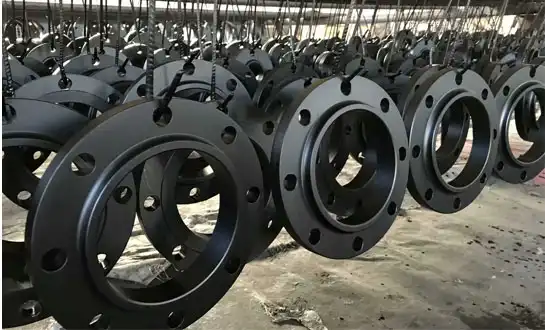
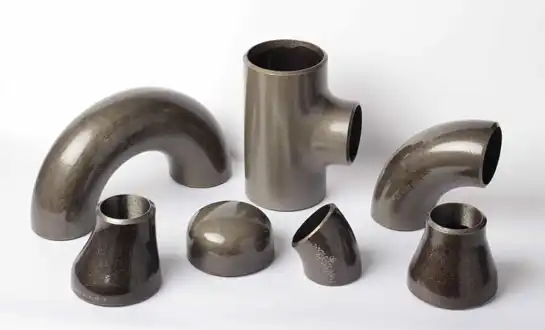
- Application suitability, including whether the pipe will join to flanges, bends, reducers, threaded ends, or pre-made spools. When tolerances build up across the whole system, ovality becomes more important. This is especially true in building projects and process plants where every connection point has to work safely over time.
Solutions and Best Practices to Minimize Ovality in Thin-Wall Pipes
If you want to get rid of ovality, you should look at it as a problem in the whole supply chain, not just in the mill. It's important to pay attention to design, production, inspection, packing, and fitting.
Manufacturing and quality assurance controls
Procurement teams should source from manufacturers who utilize properly calibrated tools for shaping and measuring thin-wall pipes, controlled welding methods, and dimensional checks all the way through production, not just when the finished product is sent out. Real-time inspections help find drift before a whole batch goes too far. Non-destructive testing helps make sure the pipe is solid overall, and dimensional inspections help verify thin-wall pipe roundness.
Handling and installation best practices
Therefore, ovality control is directly linked to field fit-up performance. Quality can be lost after the mill. Deformation risk can be lowered by using safe packing, the right way to lift, supported storage, and careful stacking. During installation, workers should check the ends of the pipes before they are welded or fitted together. This is especially important for longer shipping routes or packages of different sizes.
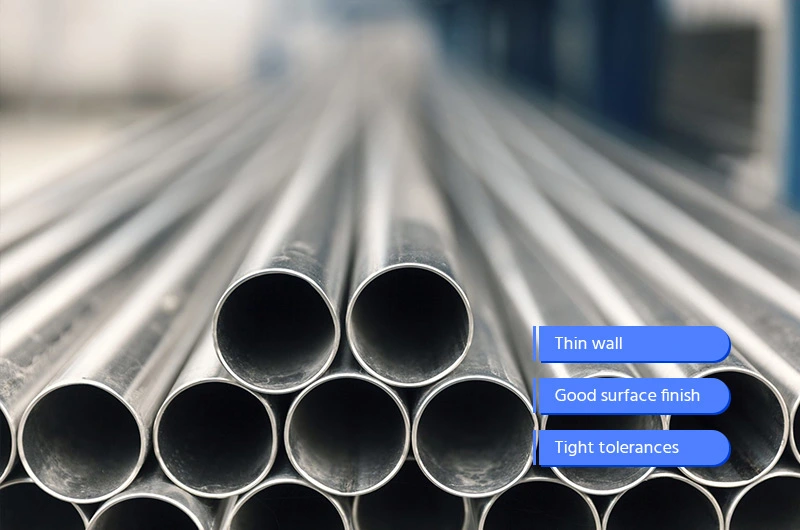
Procurement and Supplier Selection for Ovality-Resistant Thin-Wall Pipes
When sourcing ovality-sensitive piping, experienced buyers look far beyond unit price and lead times to verify how the manufacturer ensures roundness and protects their shape during delivery.
Key Supplier Verification Parameters?
I pay attention to mill certifications, how to check dimensions, how to package, how well exports have gone in the past, and how consistent output lots are. Strong providers in the US, Europe, and China can all meet tough needs as long as they follow strict process control and paperwork. I also check to see if they understand project specs that are based on ASTM, ASME, ISO, or auction rules.
Cost, logistics, and total project value
Although a tighter ovality tolerance can raise the price, it usually pays for itself in fewer rejects, easier fit-up, and less chance of downtime, especially when working with thin-wall pipes. That's important for companies, wholesalers, government buyers, and EPC firms alike. It's not always best to buy the cheapest ton. It's the one that keeps the plan, safety, and life-cycle value safe.
Conclusion
Pipe ovality in thin-wall goods is a real quality problem that affects how well they fit together, seal, flow, and work reliably. I lower my risk by checking standards, going over factory controls, planning the right way to handle things, and picking sources who can show that their products are the same size. If the roundness of the thin-wall pipes stays within the right range for the job, they can be a great deal. With a good procurement plan, ovality goes from being a secret risk to a variable that can be managed.
FAQ
1. How is pipe ovality measured?
Most of the time, it is found by measuring the pipe cross-section's largest and smallest outside diameters. If the project calls for it, inspectors may use laser measurement tools, calipers, circumference tapes, gauges, or laser measurement devices.
2. Why are thin-wall pipes more sensitive to ovality?
When compared to thicker-walled pipe, they are not as stiff. That means that stress during production, bending operations, shipping loads, and storage can change the shape of the pipe more easily.
3. Can ovality affect welding and fittings?
Yes, out-of-round pipe can make it hard to line up joints, leave uneven root gaps, have sealing issues at flanges, and need more field adjustment during installation.
4. What should buyers ask suppliers about ovality control?
Buyers should inquire about the actual dimensional tolerances, the frequency of inspections, the measuring tools used, packaging methods, shipping protection, and the availability of batch-specific inspection records.
RAYOUNG Thin-Wall Pipes: Request a Quote for Reliable Export Supply and Quality Assurance
Want to buy thin-wall pipes from a dependable thin-wall pipes supplier that has a history of exporting and strong quality control? RAYOUNG helps industrial buyers with tough uses by providing steel pipes, fittings, and proof of compliance. If you are looking for thin-wall pipes for sale or need a reliable thin-wall pipes manufacturer partner, please email us at info@hb-steel.com to talk about your project requirements and shipping needs.
References
1. ASTM International, ASTM A999/A999M, Standard Specification for General Requirements for Alloy and Stainless Steel Pipe
2. ASTM International, ASTM A530/A530M, Standard Specification for General Requirements for Specialized Carbon and Alloy Steel Pipe
3. ASME, B36.10M, Welded and Seamless Wrought Steel Pipe
4. ASME, B31.3, Process Piping
5. ISO, ISO 1127, Stainless Steel Tubes — Dimensions, Tolerances and Conventional Masses per Unit Length
6. API, API Specification 5L, Line Pipe

Need a quote? Want to see samples? Just say hello. We’re friendly. We’re fast. And we’re ready when you are.
Welcome to RAYOUNG – Strong Pipes, Stronger Promise