A Step-by-Step Guide to Weld Neck Flange Installation
Weld neck flange installation is the most important part of making sure that industrial piping networks perform reliably. Weld neck flanges are designed in a way that passes stress to the pipes instead of concentrating it at the flange base. They are perfect for places like power plants, chemical processing plants, and the oil and gas business, where system integrity can't be compromised because of this. By learning the right way to place your pipes, you can make sure that they work well for decades without leaking and meet strict safety standards.
Introduction
Components for industrial piping systems need to be able to work in harsh situations and still be completely reliable. Weld neck flanges are important connection points in high-pressure and high-temperature environments. For safety, longevity, and best performance, they must be installed correctly. We know that procurement managers, project engineers, and EPC workers are always under pressure to keep project risks to a minimum, make sure they follow all the rules, and meet tight targets without lowering quality.
This detailed guide covers all the technical and useful information about weld neck flange installation that business-to-business decision-makers need when choosing and buying pipe parts. Following established best practices in your industry lowers operating risks, avoids expensive downtime, and ensures compliance with ASME B16.5, ASME B31.3, and foreign standards, whether you're in charge of big building projects or manufacturing plants. This knowledge helps you make sure that your system ensures long-term operational efficiency and optimizes total cost of ownership (TCO) throughout the project lifecycle.
Understanding Weld Neck Flanges and Their Installation Essentials
Design Features That Differentiate Weld Neck Flanges
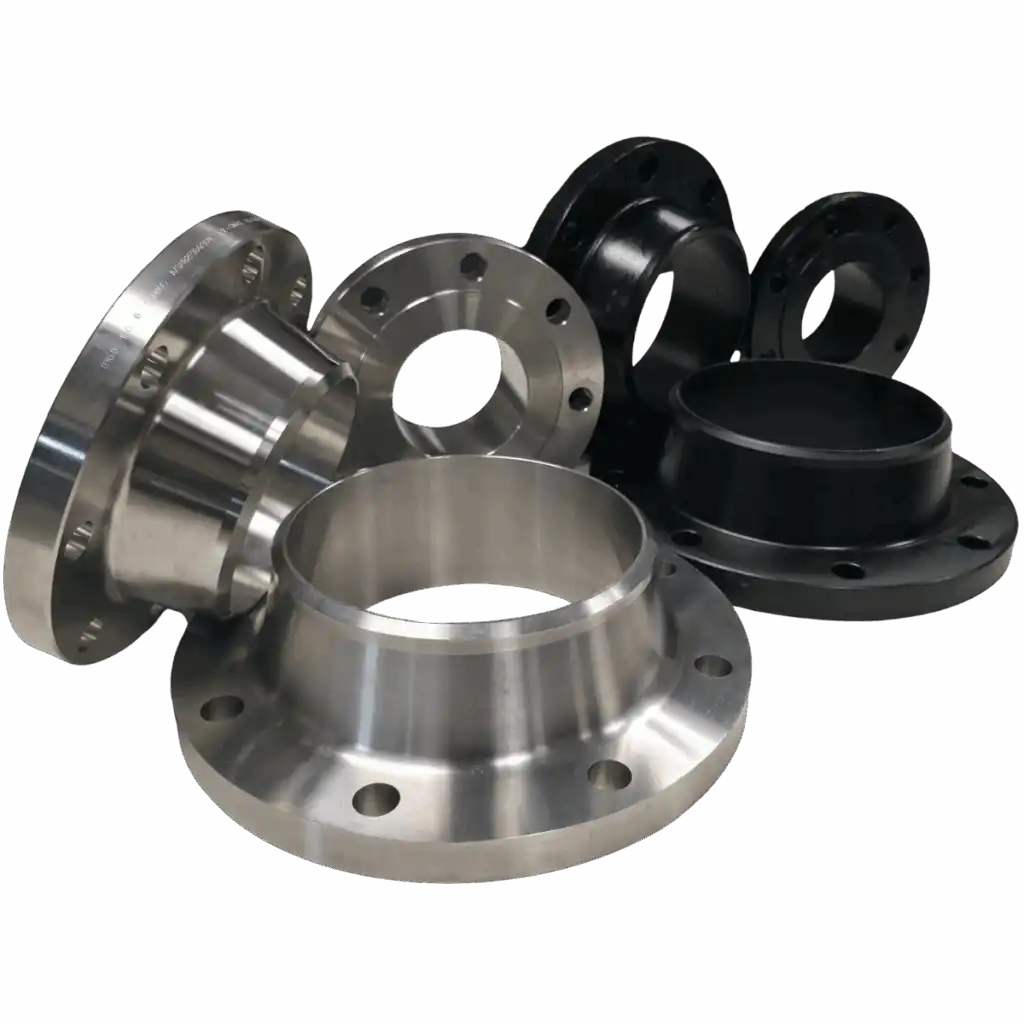
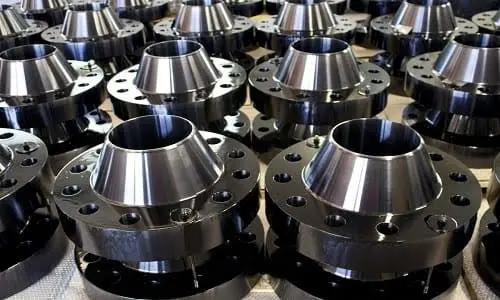
Weld neck flanges have a curved hub that goes from the flange ring to the welding end. This makes the pipe wall and the flange meet more gradually. This shape better distributes stress than other types of flanges, which lowers the risk of fatigue failure and stress concentration in demanding conditions. The butt-welding connection makes a smooth joint that doesn't have the problems with noise and corrosion that come with socket-type connections.
Common Installation Challenges
Most of the time, alignment problems happen during weld neck flange installation. To keep stress from being distributed unevenly and pipes from breaking too soon, the flange bore and the pipe must be perfectly concentric. Welding defects such as incomplete penetration, porosity, or undercuts make the joint less strong and less resistant to leaks. Controlling the temperature during welding is especially important when working with materials that have a lot of carbon or parts that have thick walls that need to be heated up and their temperatures checked between passes.
Essential Tools and Equipment
To do a job correctly, you need more than just welding gear. Line clamps keep things in place precisely while welding, stopping movement that could cause them to become out of line. Calibrated torque wrenches set to the project specifications make sure that bolts are tightened correctly without putting too much stress on the fasteners. Bevel protractors make sure that the weld preparation angles are right, and non-contact infrared thermometers keep an eye on the preheat and interpass temperatures while the welding is going on.
Step-by-Step Weld Neck Flange Installation Procedure
Pre-Installation Inspection and Preparation
Before you start weld neck flange installation, check both the pipe and the joint for flaws in the way they were made, damage from shipping, or contamination that could affect the quality of the weld. Check that the material certifications meet the project requirements and use precise measuring tools to make sure the measurements are correct. Get rid of mill scale, rust, oil, and moisture that are on any surface within two inches of the weld zone. These can cause problems with the welding.
Check the side of the flange during weld neck flange installation for any scratches, dents, or other surface flaws that could stop the gasket from closing properly.Check the bolt holes for deformities or burrs and ensure they align perfectly by inserting two bolts at opposite positions. This preliminary check keeps problems from being found after welding has already been done, which takes time.
Alignment Methodologies and Fit-Up Techniques
To get the right alignment, you must first hold both the pipe and the flange on their own to keep them from sliding or warping. In the direction shown on the technical plans, place the flange so that the bolt holes cross the centerline. Check the distance between the pipe and the flange, making sure that the distance is the same all the way around within the tolerances set by welding processes.
If you are welding thin-wall pipes susceptible to deformation, use interior alignment clamps or backing rings. External alignment clips add extra support without getting in the way of welding. Tack weld in four evenly spread spots, making sure the spacing is correct after each tack before moving on to the next one. These temporary welds stay in place during the final welding steps and are still small enough to be fully integrated into the final joint.
Welding Best Practices for Joint Integrity
Long-term efficiency and safety are directly affected by the welding process. Results are consistent and free of flaws when qualified welders follow the rules for an accepted welding process. The material grade, wall thickness, and ambient temperature affect how much preheating is needed. When the width is more than three-quarters of an inch or the temperature outside drops below 50 degrees Fahrenheit, carbon steel components may require preheating depending on carbon equivalent, thickness, and code requirements.
Apply the root pass using controlled settings that allow for full penetration without burn-through. The next fill passes should meet by a third to a half of the width of the bead, and the temperature between passes should stay within certain ranges. The last cap pass makes the shape smooth, which makes checking easier and stops corrosion from starting. If post-weld heat treatment is not needed by code or standard, let the weld cool on its own.
Bolt Tightening Sequences and Torque Specifications
Place the matching flange and seal after welding and letting them cool for enough time. Tighten the bolts by hand to make sure the threads connect easily and don't cross-thread. Lubricant should be put on threads and bearing surfaces unless the instructions say not to. Tighten the bolts in a star shape, working across the edge instead of around it. This process properly presses down on the seal, which stops it from distorting or leaking.
Progressive tightening passes gradually increase the torque values to the final specification. In the first pass, all of the bolts are tightened to about 30% of their final torque. In the second pass, they are tightened to 60%, and so on until they hit the full standard. After finishing the steps, check the end torque on all the nuts to make sure that none of the fasteners came loose during the process.
Post-Installation Inspection and Testing
Any non-destructive or destructive testing must be performed after a visual check. Check the finished weld for flaws on the surface, such as cracks, undercuts, excessive reinforcement, or holes. Make sure the seal is properly compressed and that it stays in the right place in the flange face. Make sure that the nuts don't show any signs of damage or give way.
Non-destructive testing methods check the strength of the internal weld. Radiographic testing keeps a lasting record of how sound a weld is and shows internal cracks that can't be seen from the outside. Ultrasonic testing is a compact option that can find laminations, lack of fusion, and porosity without worrying about nuclear safety. Surface-breaking flaws that need to be fixed before the system goes into service are found by magnetic particle or dye penetrant tests.
Comparing Weld Neck Flange Installation with Other Flange Types
Installation Complexity and Time Requirements
It's easier to get a slip-on flange to fit than a weld neck design because the pipe can slide inside the flange hole. But this design needs two fillet welds instead of one butt weld, which could make the work take longer. Socket weld joints make it easy to line up small-bore pipes, but they can only be used in low-pressure situations. For weld neck flange installation, more work needs to be done on the machine, and the fit needs to be tighter. However, the better performance is worth it in serious situations.
Pressure Rating and Long-Term Performance
When it comes to high-pressure applications, like weld neck flange installation, weld neck flanges work better than other types of flanges. The tapered hub is stronger and can handle repeated loads without cracking from wear. Slip-on flanges put most of the stress at the base of the flange ring, which makes it easy for them to break when temperatures or pressures change. In some service situations, contaminants can get stuck in the space between the pipe and the socket weld flange, which can lead to rust.
Cost and Application Suitability
Because of the cost of materials and labor, weld-neck flanges are more expensive to buy at first than slip-on or socket-weld options. But when you figure out the total cost of ownership, you should include the labor costs for installation, the inspections that need to be done, the frequency of upkeep, and the projected service life. People working on projects that need to follow ASME B31.1 or B31.3 for process or power lines usually ask for weld neck flanges for temperatures or pressures higher than 400 pounds per square inch gauge.
The choice of gasket and the way the flange faces affect how well it seals for all types of flanges. For most general uses, raised face flanges work well, while ring-type joint facings seal metal to metal in situations with high pressure or temperature. When you match the material of the cover to the properties of the process fluid, you stop chemical attacks or temperature changes that cause leaks.
Procurement Tips and Reliable Suppliers for Weld Neck Flange Installation
Identifying Trusted Suppliers and Certifications
Quality control starts with choosing the right provider. Look for companies that have ISO 9001:2015 approval, which shows that they follow regular quality management practices. ASME approval means that you can make pressure-retaining parts that meet the requirements of the code and have the right paperwork. Every order should come with a material test record that confirms the chemical makeup and mechanical qualities.
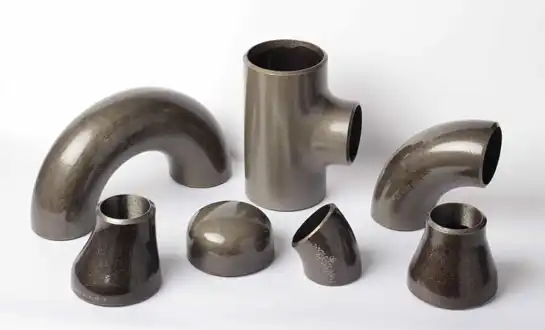
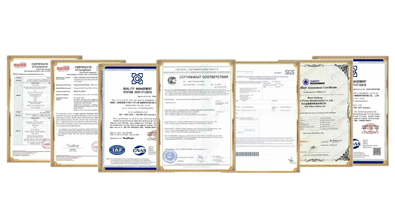
RAYOUNG has strong quality systems that are backed up by GOST-R and SGS certifications. These systems make sure that our goods meet the standards for export compliance and approval. Before they are sent out, all of our carbon steel pipe fittings, like buttweld elbows, reducers, and flanges, go through a lot of tests. These certificates give your projects the proof they need to pass inspection and review by the government.
Evaluating Installation Service Providers
When projects need hired construction help for weld neck flange installation, make sure that the welders have up-to-date certifications that meet the standards of AWS D1.1 or ASME Section IX. Ask for copies of the welding procedure specs and procedure approval records that show the proposed methods produce results that are up to code. Seek examples from projects that are similar to yours and make sure that the insurance coverage is enough for the size of your project.
Equipment and Tool Procurement
Professional torque tools that have been adjusted within the last twelve months make sure that the bolts are tightened correctly. When digital models can log data, they can be used to keep quality records. Alignment tools made just for installing flanges speed up the fit-up process and make it more accurate. Buying the right tools will save you time and money because you won't have to redo as many welds that don't work.
Common Mistakes to Avoid and Best Practices for Long-Term Performance
Frequent Installation Errors and Prevention
Misalignment leads to uneven stress distribution, which speeds up the failure due to wear. This problem can be avoided by checking the line several times around the outside before joining. When the welding process is sped up without proper preheating or interpass temperature control, microstructures that are hard and rigid and likely to crack are created. Following standard weld neck flange installation methods gets rid of this risk, even if time is tight.
Maintenance Recommendations for Extended Service Life
As part of regular inspections, flanged joints should be looked at visually for signs of leaks, rust, or mechanical damage. During planned shutdowns, check the tightness of the bolts and re-torque them if needed after taking into account the tension of the gasket. Protect uncovered flange surfaces and bolt threads from rust in harsh settings by using the right coatings.
Monitoring bolt stress relaxation and weld neck flange installation is helpful for systems that go through changes in temperature. Materials used for gaskets wear out over time, especially when they are exposed to high temperatures or chemicals that are harsh. Planning replacements during planned repair keeps operations from breaking down without warning. Writing down what was found during inspections and upkeep tasks creates useful historical records that help with choices about replacements and make things more reliable.
Training tools like welding certification programs, maker installation workshops, and online tutorial films help employees stay up to date on the latest best practices in the business. The American Welding Society (AWS) and ASME offer technical standards, training classes, and chances for professional growth that make teams stronger and improve the quality of installations.
Conclusion
For weld neck flange installation to go smoothly, you have to pay close attention to every step, from the first check to the final testing. The unique ways that these flanges distribute stress, which make them perfect for tough jobs, depend on how they are installed correctly. By following these steps, you can make sure that your projects are safe, reliable, and last a long time, which is what everyone wants. By knowing the differences between flange types, choosing good suppliers, and staying away from common mistakes, your company will be able to get better results while keeping costs low and meeting schedules. When pipe systems are installed correctly and maintained regularly, they can work safely for many years.
FAQ
1. What Torque Values Should Be Applied to Flange Bolts?
Recommended bolt torque values depend on bolt size, material grade, and flange pressure rating. Based on these factors, ASME B16.5 provides dimensional and pressure rating requirements, while bolt torque values typically depend on engineering calculations, gasket type, bolt material, and assembly guidelines such as ASME PCC-1. For project-specific needs, you should always look at the manufacturer's specs and engineering plans. Temperature and the presence of a fluid have a big effect on these numbers.
2. Does Preheat Need Application Before Welding?
How much preheating is needed depends on the thickness, carbon level, and temperature of the object. Materials made of carbon steel that are thicker than three-quarters of an inch or have a carbon equivalent above 0.45 usually need to be heated up to 200 to 400 degrees Fahrenheit. When there is low temperature or a lot of pressure, more preheating is needed. The welding procedure specs that are made during the procedure certification testing spell out exactly what you need for your application.
3. How Can Proper Flange Alignment Be Verified?
Check the distance between the pipe end and the flange four times around the outside to make sure it is the same all the way around during weld-neck flange installation. Cross a straightedge across the flange face to make sure the centerline of the pipe is straight with the axis of the flange hole. Measuring the joint's internal width proves that it has concentricity. These easy checks, done before welding, keep expensive repairs from having to be done and make sure the joint works perfectly.
Partner with RAYOUNG for Quality Weld Neck Flange Solutions.
RAYOUNG delivers comprehensive piping component solutions backed by decades of manufacturing expertise and an unwavering commitment to quality. Our diverse industrial pipe fittings, including buttweld steel elbows, steel reducers, and weld neck flanges, provide secure connection points that meet the most demanding specifications. As a dependable weld neck flange supplier, we serve EPC contractors, distributors, engineering firms, and industrial end-users throughout domestic and global markets with products certified to international standards.
When your projects demand reliable performance, contact our technical team at info@hb-steel.com. We provide detailed specifications, material certifications, and application support that help you select optimal components while controlling project budgets. Our ISO 9001:2015 certified manufacturing processes ensure consistent quality across every order, supporting your commitment to safety, compliance, and long-term system reliability.
References
1. American Society of Mechanical Engineers. ASME B16.5-2020: Pipe Flanges and Flanged Fittings NPS 1/2 through NPS 24 Metric/Inch Standard. New York: ASME Press, 2020.
2. American Society of Mechanical Engineers. ASME B31.3-2020: Process Piping. New York: ASME Press, 2020.
3. American Welding Society. AWS D1.1/D1.1M:2020 Structural Welding Code—Steel. Miami: American Welding Society, 2020.
4. Becht IV, Charles. Process Piping: The Complete Guide to ASME B31.3. New York: ASME Press, 2019.
5. Ellenberger, J. Piping and Pipeline Calculations Manual: Construction, Design Fabrication and Examination. Oxford: Butterworth-Heinemann, 2014.
6. Nayyar, Mohinder L. Piping Handbook, Eighth Edition. New York: McGraw-Hill Education, 2016.

Need a quote? Want to see samples? Just say hello. We’re friendly. We’re fast. And we’re ready when you are.
Welcome to RAYOUNG – Strong Pipes, Stronger Promise