Steel Pipe Grades Used in Power Generation
Some types of steel pipes used in power plants include carbon steel grades such as ASTM A106 and SA210, low-alloy grades like P11 and P22, and high-performance alloy grades like P91 for the hottest and most pressurized systems. Grade choice affects safety, lifespan, upkeep, and cost because steel pipes in power plants have to deal with steam, water, gas, and chemicals in harsh circumstances. When evaluating steel pipes for boilers, superheaters, reheaters, and major steam lines, procurement professionals must pay attention to how well they can handle high temperatures, high pressures, corrosion, following the rules, and making sure the provider checks the quality of the pipes.
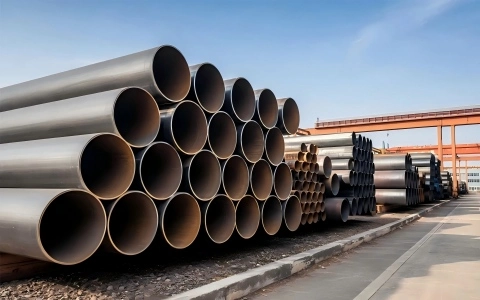
Introduction
In power generation facilities, a pipe failure is never a small problem. It can make commissioning take longer, cost more to do, and pose major safety risks. That's why choosing the right steel pipe grade is so important for EPC workers, plant planners, distributors, and people who buy steel for factories.
Steel pipes are an important part of modern infrastructure because they reliably move fluids and gases and support structures in many fields. We guarantee consistent quality and dependable performance because we have been exporting steel pipes since 2006 and have strong relationships with factories. As a result, long-lasting pipe systems stay together even under extreme temperatures and high pressure, keeping projects running smoothly for years.
Understanding Steel Pipe Grades in Power Generation
Buyers researching this topic generally want to know which grades are best for which applications, how seamless and welded choices differ, and which standards are the most important. That means the best answer should be tech-savvy, clear, and easy for the buyer to understand.
Common grades used in power plants
A few grades show up over and over again in both thermal and electric power projects:
-
ASTM A106 / ASME SA106 are seamless carbon steel pipes that are primarily used for high-temperature service.Grade B is popular because it is strong, easy to find, and can be welded. It shows up a lot in utility, steam, and process lines where temperatures are high but not in the alloy range. People who are buying it often compare it to A53, but A106 is better for high-temperature pressure service.
- ASME SA210 is commonly used for boiler and superheater tubes. It is made to work at medium to high temperatures and is used in heat-transfer areas where precise dimensional control and efficient heat transfer performance are important. When used in boiler-related situations, this type provides reliable heat performance.
- ASTM/ASME P22 is a chromium-molybdenum alloy steel that is known for being stable at high temperatures and having a strong creep strength. It is often chosen for heads, hot reheat lines, and other high-temperature jobs where carbon steel might not be strong enough over time.
- ASTM/ASME P91 is a premium alloy grade for advanced high-temperature power plant equipment. It offers excellent creep strength and high-temperature long-term stability, which makes it a popular choice for main steam and hot reheat pipes in modern plants.
Seamless vs. welded pipes
Both types can be used to make electricity. When high pressure and high temperatures are needed, seamless pipe is generally the best choice because it has a uniform structure and no weld seams. Welded pipe can still work in many plant systems as long as it meets the code, passes non-destructive testing, and is suitable for the working circumstances. The service class, design code, and risk rating of the line should be used to make the choice.
Key Criteria for Selecting Steel Pipe Grades for Power Generation
It's not just a technical step to pick the right steel pipe material. It's a business choice that depends on uptime, compliance, and the total cost over the lifecycle.
Temperature, pressure, and corrosion exposure
There is a specific operating window and service limit for each type of steel pipe. Many utility systems typically operate effectively with carbon steel, but when temperatures and pressures rise, alloy steel is needed. Material choice is also affected by corrosive media, oxygen level, water chemistry, and flue gas contact. These factors can be very different between processes in coal, gas, biofuels, and combined-cycle plants.
These checks are usually part of a real decision process:
- Operating temperature and pressure limits must guide the grade choice from the start. A line carrying high-temperature steam cannot be treated the same as a line carrying cooler feedwater or drain water.
- When creep resistance and long-term microstructural stability are important, grades like P22 or P91 are better choices. Grades like A106 may be good for mild high-temperature service. This keeps both speed and code compliance safe.
- Mechanical properties should match the real service load, not just the picture. In a power plant, tensile strength, yield strength, flexibility, toughness, and creep resistance are all important. Even if a pipe meets basic pressure needs on paper, it might still have problems with temperature changes, stress in the weld zone, or long hours of use. When buyers look at more than just price, they often lower the risk of replacement and the chance of a shutdown.
Certifications and traceability
In B2B procurement, material certifications are not just paperwork to be kept in a file box. They are tools for managing risk. Compliance with ASTM, ASME, ISO, and API standards shows that the material was made, tried, and recorded according to well-known rules. Buyers can check the chemistry and mechanical qualities before installing by using mill test certificates, heat numbers, and tracking records.
Manufacturing Processes and Their Impact on Steel Pipe Quality
Quality in manufacturing affects dependability in the real world. Two steel pipes of the same size can work in very different ways depending on how they are processed, heated, and inspected.
How does a production route affect performance?
The grain structure and physical accuracy are all affected by hot rolling, cold finishing, continuous piercing, and welding. For steel used in power plants, heat treatment is very important. When normalizing, hardening, or post-processing is done correctly, creep strength, toughness, and fatigue resistance all improve.
Inspection methods for certified makers also help build trust. Key requirements include hydrostatic testing, ultrasonic or eddy current examination, checking the dimensions, surface inspection, and making sure the paperwork is correct. These steps make it less likely that secret problems will get into a crucial steam or boiler line.
Why supplier capability matters?
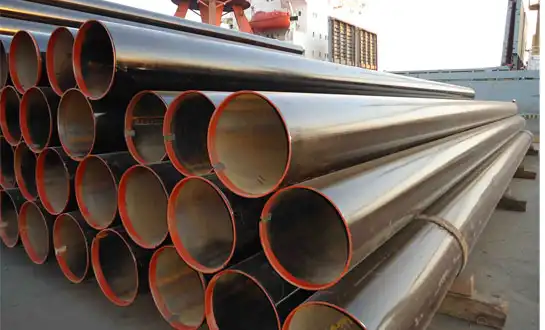
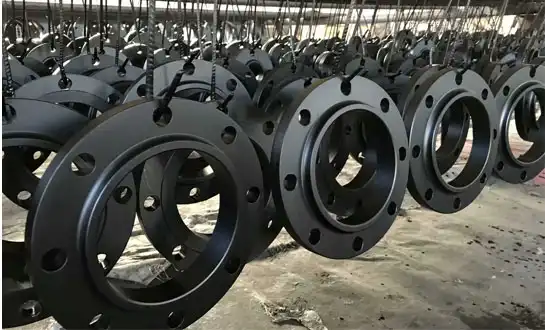
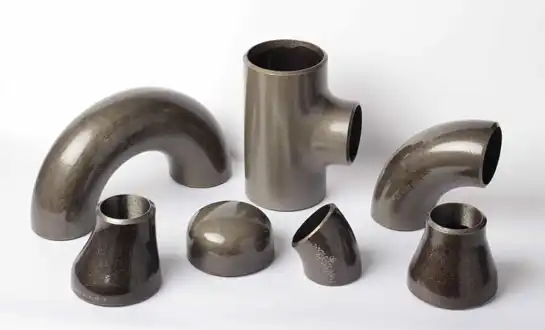
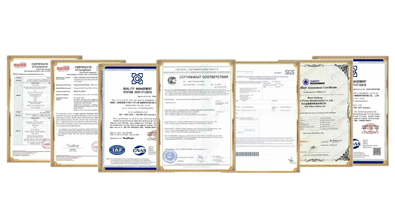
We offer a range of industrial pipe fittings, such as buttweld steel elbows, steel reducers, steel pipes, and flanges, that make sure connections are safe. Our product line has options for all kinds of design needs, from simple straight lines to complicated curves to flexible joints. RAYOUNG is trusted by many businesses to provide high-quality carbon steel pipes to customers in both the United States and other countries. Buyers can look at our GOST-R and SGS certificates to make sure they are export-friendly and to check the quality. Our range of steel pipe fittings and steel pipes is high-performing, safe, and long-lasting for buildings ranging from homes and businesses to factories and industrial sites. As one of the biggest companies that makes pipes and fittings, we know how important it is to have uniform quality, ISO 9001:2015, and new ideas in every application.
Comparative Analysis of Steel Pipe Grades for Power Generation
Before going into a more in-depth study of the specifications, procurement teams often need to do a quick comparison. A high-level summary of material properties can be helpful: carbon steel pipes are a cost-effective choice, alloy steel works better at high temperatures, and stainless steel, while more expensive, resists rust better.
Carbon steel, alloy steel, and stainless steel
Carbon steel pipes are cost-effective and easy to find. Steel grades like A106 are good for a lot of different uses and can handle moderately elevated temperatures. They're good when money is tight, and service conditions stay within the rules. In exchange, they are less resistant to long-term creep and oxidation than alloy grades.
Alloy steel pipes such as P11, P22, and P91 are frequently the best option for high-pressure steam pipelines, superheaters, and reheater systems. Chromium and molybdenum improve high-temperature strength, are less likely to rust, and last longer over time. P91 is the best in advanced thermal service, but it needs more careful control during manufacturing and heat treatment.
Stainless steel pipes are highly resistant to corrosion and oxidation. In systems with harsh chemicals or where cleaning and defense against corrosion are more important than the original cost, they are helpful. Because it costs more, stainless steel is often only used in certain areas of a power plant and not all over the plant.
Procurement Best Practices for Steel Pipes in the Power Generation Industry
Going for the lowest price isn't the best way to lower lifetime costs; good procurement is. When it comes to power plant piping, avoiding a single forced outage is far more valuable than saving a small amount on upfront material costs.
What smart buyers verify before ordering?
Assessing suppliers is the first step in reliable buying. Check out their credentials, project examples, manufacturing relationships, ability to check, packaging standards, and experience exporting. Steel pipes are important parts of many industrial processes, especially for big building projects that need to last and work well. In addition to moving oil and gas, they are used in water distribution systems, structural uses, mechanical systems, and industrial processing, such as in chemical plants, power plants, mining operations, building sites, and oil refineries.
Comparing competing bids and digital sourcing tools can make things clearer, but expert review should still be the most important part. A good seller can handle special lengths, schedules, beveling, testing papers, and the compatibility of steel pipes and parts while still delivering on time. Distributors, EPC buyers, and local engineering companies that need to meet schedules without losing compliance care about that mix.
Conclusion
When used in power plants, steel pipe grades must meet real-world requirements for temperature, pressure, corrosion resistance, and regulatory compliance. A106 and SA210 are used in a lot of popular plant systems. P22 and P91, on the other hand, are better suited for high-temperature service and creep resistance. When buyers weigh the performance of the materials, the quality of the making, the certifications, and the dependability of the seller, they always get the best results. This method helps keep budgets safe, makes business operations safer, and lowers the chance of long-term upkeep.
FAQ
1. Why is P91 steel pipe widely used in power plants?
P91 has a high creep strength, stays stable at high temperatures, and works well in high-pressure, high-temperature steam systems. It's often used in main steam and hot reheat lines because it lasts a long time.
2. How can I be sure that a supplier's credentials are real?
Ask for mill test certificates, ISO 9001 records, inspection reports that you can track the heat number with, and third-party confirmation from a company like SGS. You should also make sure that the material standard listed on the papers fits the requirements for the buy.
3. Can welded steel pipes be used in high-pressure power generation systems?
If the application, design code, manufacturing method, and testing needs allow it, then yes. The pipe has to meet the standards and inspection guidelines, and it has to be safe to use in the working circumstances.
RAYOUNG Steel Pipe & Fitting Supply for Power Plant Projects
Need a reliable company to make and supply steel pipes for your power project? You can email RAYOUNG at info@hb-steel.com to get approved material choices, expert help, and cheap prices on steel pipes, elbows, reducers, and fittings. We can help you find the right grade for your plant's budget, performance, and compliance needs.
References
1. ASME Boiler and Pressure Vessel Code, Section II, Part A
2. ASME B31.1 Power Piping
3. ASTM A106/A106M Standard Specification for Seamless Carbon Steel Pipe for High-Temperature Service
4. ASTM A335/A335M Standard Specification for Seamless Ferritic Alloy-Steel Pipe for High-Temperature Service
5. ASTM A210/A210M Standard Specification for Seamless Medium-Carbon Steel Boiler and Superheater Tubes
6. ISO 9001:2015 Quality Management Systems Requirements

Need a quote? Want to see samples? Just say hello. We’re friendly. We’re fast. And we’re ready when you are.
Welcome to RAYOUNG – Strong Pipes, Stronger Promise