Selecting Pipe Types for Sour Service Conditions
One useful tip for picking the right sour service pipes is to make sure that the pipe material is compatible with the H₂S, CO₂, pressure, temperature, and stress levels in your system. Next, make sure that the pipe material meets standards like NACE MR0175/ISO 15156 and the appropriate API specifications. In sour places, broken pipes are rarely a small problem. It could stop output, put people in danger, and raise the cost of ownership over its whole life. Procurement professionals must evaluate corrosion resistance, cracking risk, mechanical strength, traceability, and source stability when comparing pipe choices for business-to-business projects. This ensures long-term safe operation, not only during initial installation.
Introduction: Why Sour Service Pipe Selection Matters?
Hydrogen sulfide can damage metal and cause cracks in oil and gas pipelines, chemical processing, power generation, and water-related industry systems. This is commonly referred to as "sour service," meaning environments containing hydrogen sulfide (H₂S). Most of the time, buyers in manufacturing, transportation, EPC firms, and local engineering firms care about the same things: safety, compliance, stable delivery, and keeping costs low.
When people search for this topic, they mostly want a clear answer to one question: Which pipe material is the best mix of being resistant to rust, meeting requirements, and being affordable for sour-service environments? That's the main idea behind this guide.
I also understand that procurement teams do not simply purchase pipes. They procure materials to ensure long-term project stability.If you choose the wrong material, you could end up with sulfide stress cracks, rust damage, extra inspection costs, and repair work that causes delays.
Understanding Sour Service Conditions and Material Challenges
What makes an environment “sour”?
When hydrogen sulfide (H₂S) is present in a system, it is usually called "sour." Carbon dioxide (CO₂), chlorides, the chemistry of the water, and the way it flows can all make the problem worse in many situations. CO₂ often leads to general rusting, while H₂S can help sulfide stress cracks happen. The efficiency of a material is even more important when pressure, temperature, and tension stress all go up.
Common failure mechanisms in piping
There are several ways that material damage can happen in sour service pipe systems:
- Sulfide stress cracking (SSC) occurs in susceptible high-strength or high-hardness steels under tensile stress, and H₂S is present. It can happen even when rust in general seems to be limited. This makes it dangerous for lines that are under a lot of pressure or are safety-critical. Buyers often don't think about this risk enough when they only look at the stated strength or base price and not the hardness control, heat treatment, and compliance papers.
- Hydrogen-induced cracking (HIC) and stress-oriented hydrogen-induced cracking (SOHIC) happen when atomic hydrogen gets into steel and gathers at flaws inside the metal. These mechanisms are important in pipes, pressure-containing systems, and process lines exposed to wet H₂S. If the steel cleanliness, chemical composition, and manufacturing quality are not well managed, the risk goes up, and the long-term dependability goes down.
Here, international rules are important. NACE MR0175/ISO 15156 tells you how to choose materials for sour service pipes in oil and gas production settings that contain H₂S. Also, buyers should look over project-specific needs that are linked to ASME, API, or end-user standards.
Key Criteria for Selecting Pipes for Sour Service
Material compatibility and mechanical performance
Corrosion resistance alone is not sufficient when selecting materials for sour service pipes/pipelines. It's the one that fits the service situation and project price the best. I usually look at these things together:
H2S partial pressure and the presence of water
- The amount of CO₂ and salt
- Pressure, temperature, and speed of flow
- pipe diameter, and information about the weld
- Needed levels of strength, hardness, and heat treatment
- Needs for inspection, approval, and tracking
Carbon steel can be used in some controlled sour situations as long as the process conditions, corrosion control limits, and inhibitor approach are clear. As corrosion and cracking risks rise, stainless steel, duplex stainless steel, and nickel metals become more appealing.
Why do compliance documents matter in procurement?
Performance on paper doesn't mean much without proof. Procurement professionals should check mill test certificates, hardness data, heat treatment records, NACE fit (if needed), and the ability to track goods from the time they are made to the time they are shipped. This is very important for high-stakes projects that are based on bids.
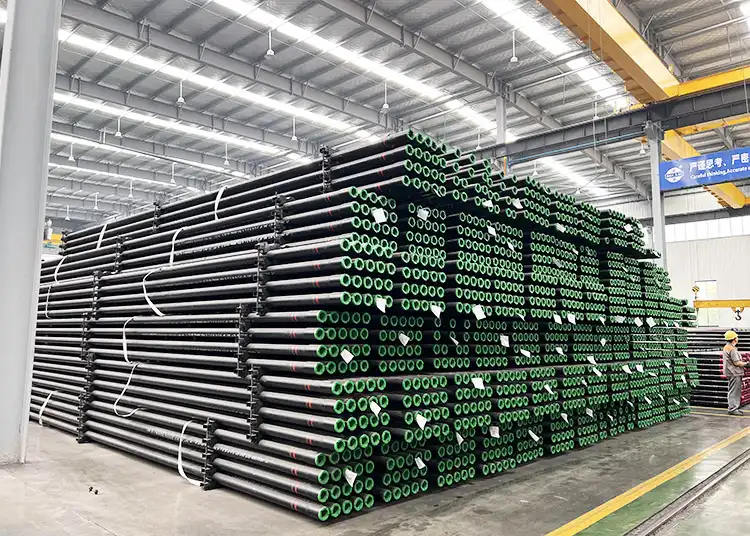
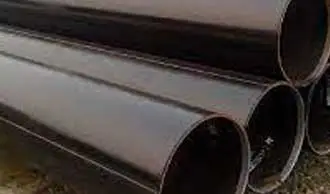
They reliably move fluids and gases and support structures in many fields. We guarantee consistent quality and dependable performance because we have been exporting steel pipes since 2006 and have strong relationships with factories.
As a result? Pipe systems that are strong and don't break down under extreme conditions or high pressure will keep your projects running smoothly for years to come.
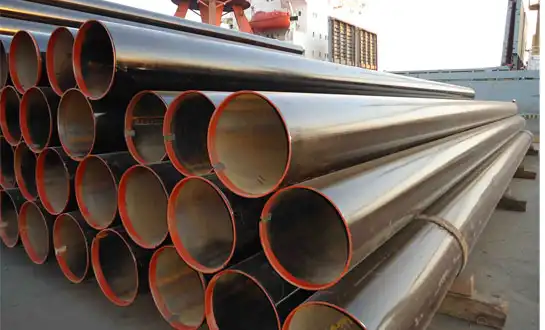
Steel pipes, including sour service pipes, are used to move oil and gas; for water distribution; for building structures; in mechanical systems; and in industry processing. Some examples are oil refineries, chemical plants, power plants, water treatment plants, mining activities, and building projects.
Comparison of Pipe Materials for Sour Service Conditions
Carbon steel, stainless steel, duplex, and nickel alloys
Carbon steel is still appealing because it is cheap and easy to get. It works well for many projects as long as the level of service stays within accepted limits and there is good corrosion control. Its limitation is a higher susceptibility to general corrosion and sulfide-related cracking if the chemistry, hardness, or working conditions are not tightly managed. This choice is often good for projects that are trying to stay within their budget, but it needs careful engineering study and planning for upkeep.
Stainless steel and duplex stainless steel are better at resisting rust and some damage caused by sour substances. Duplex grades make things stronger, which means that in some forms, wall thickness can be lowered. A lot of people buy these materials because they have a better lifetime value. This is especially true in uses that deal with aggressive production fluids or offshore applications.Even though they cost more up front, they often reduce risk and upkeep costs.
Nickel-based alloys are used in the worst sour environments, where regular steels might not be strong enough to protect. These metals can handle very harsh mixtures of H₂S, CO₂, chlorides, and high temperatures. Because they are more expensive, buyers generally only put them on vital lines where the risk of failure makes the investment worthwhile and where long-term dependability is more important than the price of the material at first for sour service pipes.
Some projects also look into improved lined systems or corrosion-resistant options that help reach sustainable goals by making things last longer and need to be replaced less often. The total cost of ownership, not just the price of the item, tells you which choice is best.
Best Practices for Installation and Maintenance of Sour Service Pipes
Installation controls that protect pipe integrity
Without proper handling and installation practices, even the best sour service pipe materials can fail. There needs to be tight control over handling, storing, welding, and inspecting. The way you weld should follow the accepted instructions, and the conditions after the weld should stay within the strength and material limits set by the project or standard. Long-term function can also be affected by surface harm, contamination, and exposure to moisture while being stored.
External coatings, internal rust control plans, and cathodic protection may all be used as protective measures. Each measure shouldn't just be added to a list; it should be tailored to the specific business setting.
Maintenance strategies that reduce downtime
Sour service pipeline maintenance should be planned rather than reactive. Ultrasonic testing (UT), magnetic particle testing (MT), and radiographic testing (RT) help find flaws before they become problems. Teams doing inspections should also keep an eye out for rust under insulation, localized attack, and areas that are likely to crack near welds, supports, and stress points.
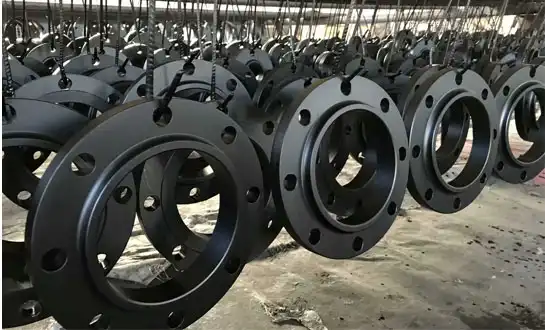
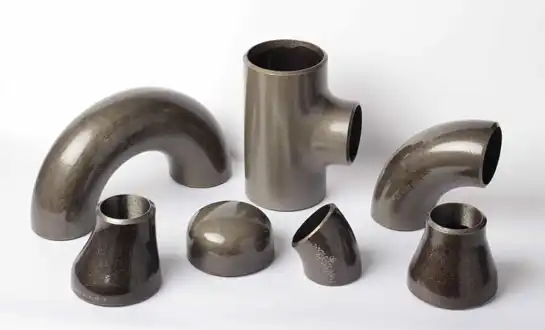
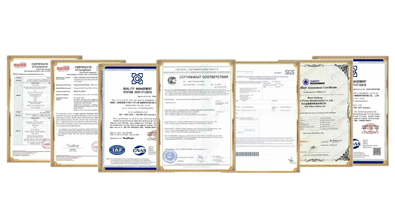
This is another place where having a full system supply helps. We offer a range of industrial pipe fittings, such as buttweld steel elbows, steel reducers, and flanges, that make sure connections are safe. Our product line has options for all kinds of design needs, from simple straight lines to complicated curves to flexible joints. RAYOUNG is trusted by many businesses to provide high-quality carbon steel pipes to customers in both the United States and other countries. See our GOST-R and SGS certificates to make sure we follow export rules and make sure of the quality of our work. Steel pipe fittings and pipes offer performance, safety, and long-term resilience for a wide range of buildings, from houses and businesses to factories and industrial sites. Our fittings work perfectly with all kinds of flow systems, from water to gas lines. As one of the biggest companies that makes pipes and fittings, we know how important it is to have uniform quality, ISO 9001:2015, and new ideas in every application.
Procurement Considerations for Sour Service Pipes
How B2B buyers can lower project risk?
I don't just look at price when I judge a supplier's sour service pipes' quality. A reliable supplier should offer stable manufacturing quality, help with paperwork, the ability to track products, reliable shipping, and quick responses to technical questions. This is even more important for EPC workers who can't afford to be late with their work and for wholesalers and stockists who need a steady supply.
A good review of the buying process should include things like product standards, testing coverage, needs for coating or packaging, fitting compatibility, and help after the sale. Prices may go down if you buy in bulk, but if the application is safety-critical, stability in quality across batches is more important than a small price drop per unit.
Cost versus lifecycle value
The cheapest pipe isn't always the best choice for the long term of a job. If a higher-grade material lowers the risk of shutdown, the number of upkeep tasks, or the time between replacements, it may give a better return on investment. This makes a lot of sense, especially for government projects, factories, chemical plants, and industry end users where uptime and following the rules are very important to the bottom line.
People who are looking to buy often review sour service pipes, sour service pipe suppliers, NACE-compliant steel pipe, H₂S-resistant pipe, and duplex pipe for corrosive service applications before issuing RFQs. That purpose can be turned into an inquiry with the help of clear documents and technical trust.
Conclusion
When choosing pipe types for sour service conditions, you have to think about how to balance things like resistance to rust and cracking, mechanical strength, compliance, and lifetime cost. Carbon steel, stainless steel, duplex steel, and nickel metals can all be used in the right situations, but only if they are matched to the seriousness of the service and are installed and maintained correctly. The optimal approach to procuring sour service pipes is to combine a good technical review with solid paperwork, tracking, and shipping help from the seller. This method cuts down on downtime, keeps workers safe, and raises the long-term value of the project.
FAQ
1. Which material is best for sour service pipes?
There isn't just one type of material that works best in sour environments. When conditions are managed, carbon steel might work well. But when H₂S, CO₂, chloride, pressure, or temperature is present, stainless steel, duplex stainless steel, or nickel metals are usually better choices.
2. How can I be sure that NACE MR0175 or ISO 15156 is being followed?
Ask the seller for mill test certificates, material specifications, hardness records, information on the heat treatment process, and compliance paperwork that is relevant to the project. A lot of buyers also want full tracking and review by a third party.
3. What is the main risk in sour service piping?
One of the biggest risks is sulfide stress cracking, which happens most often in steels that are weak when they are under tension stress in wet H₂S conditions. Pay close attention to general rust, HIC, SOHIC, and weld problems as well.
4. Do pipe fittings need the same level of sour service review?
Yes, pipe bends, flanges, welded joints, and reducers can become weak spots if the material, strength, or quality of the welding doesn't meet the system's sour service requirements.
RAYOUNG Sour Service Pipe Solutions for Reliable Industrial Projects
Want to buy sour service pipes from a dependable company that has a lot of experience exporting and offers approved quality support? RAYOUNG can help you with your next job by giving you custom pipe and fitting solutions, expert advice, and competitive quotes. Email us at info@hb-steel.com to talk about specs, pricing, and getting sour service pipes made just the way you want them from a reputable maker.
References
1. NACE MR0175/ISO 15156 sets the standards for materials used in oil and gas production sites that contain hydrogen sulfide (H2S).
2. Specification 5L for line pipes from the American Petroleum Institute
3. American Society of Mechanical Engineers ASME B31.3 refers to process piping.
4. Volume 13C of the ASM Handbook is called "Corrosion: Environments and Industries."
5. Third Edition of Uhlig's Corrosion Handbook by R. Winston Revie
6. The American Petroleum Institute (API) released API Technical Report 939-C, which includes tips for keeping oil refineries safe from sulfide corrosion failures.

Need a quote? Want to see samples? Just say hello. We’re friendly. We’re fast. And we’re ready when you are.
Welcome to RAYOUNG – Strong Pipes, Stronger Promise