Steel Tees: Equal vs Reducing — When to Use Each?
Picking the correct steel tees for your pipe system has a direct effect on the safety of the job, the control of costs, and the performance over time. All three holes on an equal tee have the same size outlet, which makes them perfect for systems that need to distribute flow evenly and move load evenly. On the other hand, reducing tees have a smaller branch exit than the main run. This makes it possible to switch between pipe sizes without using any extra fittings. Procurement managers can save money on construction costs, make systems simpler, and make sure they meet pressure and structural requirements in industry, infrastructure, and manufacturing settings by knowing when to use each type.
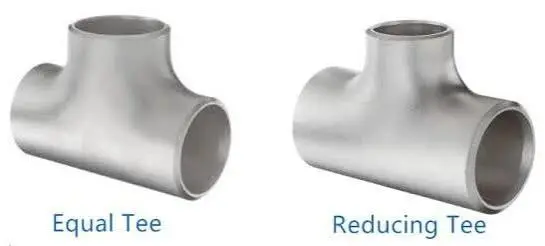
Understanding Steel Tees: Basics and Properties
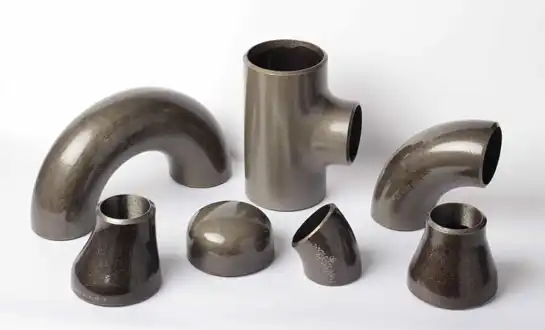
Steel tees are important places where two networks of pipes meet. They let fluids or loads on structures split off at right angles. These fittings are made to standards like ASME B16.9 and come in two main types: equal (straight) tees, where all three holes are the same size, and reducing tees, where the branch outlet is smaller than the run. Because they can do so many things, they are essential in many fields, from industrial companies to public water systems.
Material Composition and Manufacturing Standards
Because they are strong, easy to make, and cheap, carbon steel tees are the most common type used in industry. Grades like ASTM A234 WPB work well in temperatures ranging from room temperature to 400°C. Alloy steel types (ASTM A234 WP11, WP22) can handle higher temperatures and corrosive situations. Stainless steel grades (ASTM A403 WP304/316) offer excellent corrosion resistance in food processing and pharmaceutical applications. Each choice of material affects the system's ability to fight rust, its maximum pressure, and its total cost of ownership over its entire life.
Dimensional Standards and Manufacturing Processes
Buttweld tees have bevelled ends that meet ASME B16.25 standards. This allows for full-penetration welds that remove the risk of leaking that comes with threaded connections. Hot-rolled seamless tees are more regular in their strength, but welded fabrications are cheaper for bigger sizes. The pressure capacity is directly related to the wall thickness standards (Sch 40, Sch 80, XXS). At the same temperatures, a Sch 80 tee can generally handle significantly higher pressure than a Sch 40 tee due to its greater wall thickness. To make sure it works with current infrastructure and meets pressure needs, procurement teams must define both nominal pipe size (NPS) and schedule.
Mechanical Properties Affecting Performance
How tees handle operating stress is based on their tensile strength, yield strength, and elongation rates. ASTM A234 WPB carbon steel usually has a tensile strength of around 60,000 psi and a stretch of 30%. This makes it flexible enough to handle heat expansion without breaking. When compared to sharp-angled fabrications, radiated crotches (the internal transition zone where a branch meets a run) cut down on noise and stress gathering points by 40%. In places with a lot of vibration, like compressor stations or hydraulic systems that are going through pressure spikes, these design traits become very important.
Equal Steel Tees vs. Reducing Steel Tees: Detailed Comparison
When it comes to hydraulics, the main difference between equal and reducing steel tees is how their dimensions are set up. Equal tees have three ports with the same nominal pipe size, while reducing tees have a branch link that is smaller. This difference, which seems small, has big effects on how the system is designed, how hard it is to install, and how well it works.
Dimensional Differences and Structural Impact
Equal tees spread internal pressure stress evenly across junction points, making them ideal for systems requiring balanced flow distribution, such as high-pressure steam headers. A 6-inch uniform tee keeps the flow area constant, which lowers the pressure drop across the branch link. Using reducing tees, like a 6x6x4 arrangement, puts more stress on the transition zone but gets rid of the need for separate reducer fittings. This combination can reduce the number of weld joints compared with using a separate tee and reducer, which speeds up installation and eliminates possible leak paths in complicated pipe systems.
Mechanical Strength and Load-Bearing Capabilities
Due to their uniform shape, equal tees are better at handling loads that come from different directions, as shown by finite element analysis. Equal tees generally provide more uniform stress distribution when branch and run sections are subjected to similar loading conditions, when both the branch and the run experience pressure spikes at the same time. This happens a lot in reciprocating pump discharge lines. Branch connections should be evaluated in accordance with the reinforcement requirements of ASME B31.3, where applicable, which makes engineering more difficult. The smaller branch exit has a faster flow rate, which could cause erosion in slurry or particle-filled flows, which is something to think about in mine or cement plant settings.
Manufacturing Techniques and Cost Implications
Standardized production tools help make equal steel tees cheaper to make by 15 to 20 percent compared to making fewer versions. When you make a lot of the same sizes (2 inches to 12 inches), the lead time is usually shorter—4-6 weeks instead of 8–10 weeks for special cutting configurations. System-level cost analysis, on the other hand, usually supports cutting costs, even if it means higher unit prices. By getting rid of different concentric reducers, you can save money on materials, make it easier for distributors to keep track of supplies, and cut down on field fabrication work. Either a reducing tee or an equal tee plus reducer is needed for a 10-inch to 6-inch change. The combined option can reduce installation costs by eliminating additional fittings and welds.
When to Use Equal Steel Tees and When to Choose Reducing Steel Tees?
Strategic fitting choice strikes a balance between hydraulic performance, structural needs, and the overall cost of the project. Procurement managers can choose the best setup without over-engineering or lowering safety margins when they know what the application needs.
Ideal Applications for Equal Tees
Equal steel tees work great in heads for distribution headers where even flow splitting is important. They are used at the start of service branches by municipal water systems to keep the pressure the same in all neighborhoods. Equal tees are used in cooling water loops at chemical plants to keep the flow even and avoid hot spots in the heat exchangers. Equal flow measurements are crucial in fire protection systems at sprinkler branch points, where code compliance requires minimal pressure differentials between outputs. Equal tees are used in fire safety systems at sprinkler branch points, where code compliance requires that the pressure difference between outputs be as small as possible.
Optimal Scenarios for Reducing Tees
When transitioning between pipe diameters, reducing tees are highly advantageous, especially when piping arrangements are constrained by space. Offshore sites use them a lot to cut down on weight and the number of welds, which are important in marine settings. Process plants use reducing tees to split instrument connections (usually 1 inch or smaller) from main process lines (4-inch to 24-inch), so they don't have to use a bunch of different reducer fittings. Reducing tees at zone takeoffs, where branch flows make up 20 to 40 percent of main line capacity, is good for HVAC systems. The combined size shift keeps workers who are handling multiple project sites at the same time from having to keep as much inventory on hand.
Decision-Making Factors for Procurement Managers
Initial selection is based on load conditions; equal tees for even stress distribution and fewer tees where branch loads are much lower. Connection compatibility with existing infrastructure often determines choices; repair projects must match historical measurements to avoid having to make expensive changes to the field. Because of limited funds, it is better to use similar tees for common setups and smaller tees for systems that need to switch between different sizes. When it comes to delivery times, they matter. Equal tees can be sent out within days from stock at a distributor, but special reducing setups may need mill orders. Long-term worth is affected by how easy it is to do maintenance. For example, reducing tees make piping layouts more compact, though future inspections might become more difficult if pipe racks are heavily congested.
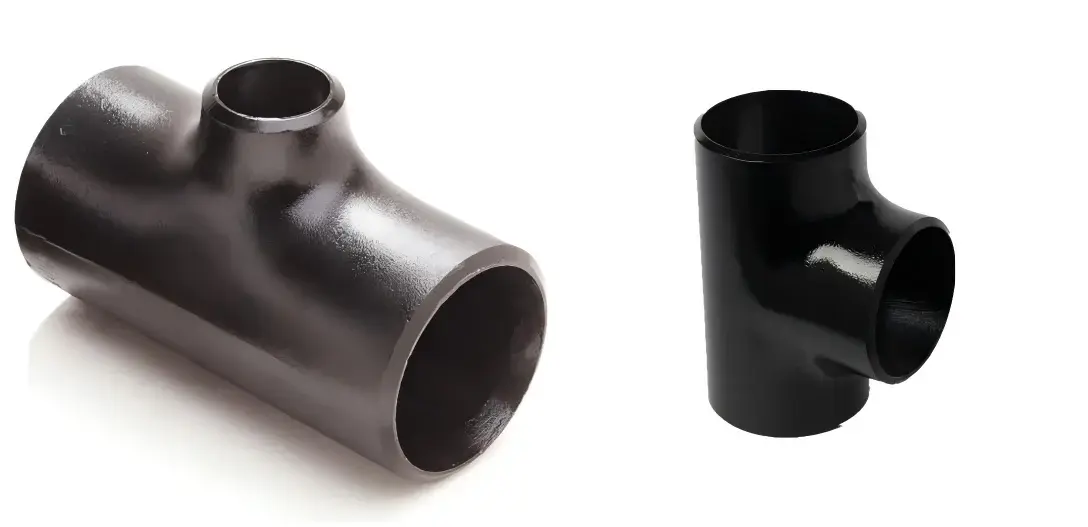
Procurement Guide: Sourcing Steel Tees for Your Project
Aside from unit price, strategic sourcing also looks at how reliable the source is, how consistent the quality is, and how efficient the logistics are. Building ties with reputable steel producers guarantees that materials can be tracked, deliveries are made on time, and there is expert help throughout the lifecycle of a project.
Essential Criteria for Supplier Selection
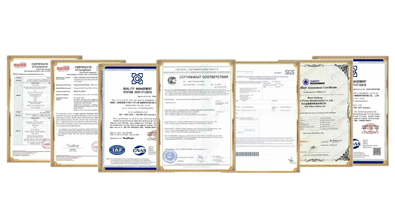
Certifications like ISO 9001:2015 quality management systems, ASME code stamps, and third-party inspection approvals from companies like SGS or Lloyd's Register are the first thing that people notice about a supplier. These certifications demonstrate compliance with international manufacturing standards, significantly reducing the risk of rejection during project inspections. Material test records (MTRs) that list the chemical composition, mechanical properties, and history of heat treatment provide the traceability needed to meet pressure vessel code requirements. Exports to Russian markets are made easier by suppliers with GOST-R certification, and distribution in the European Union is made easier by CE marking in accordance with the Pressure Equipment Directive (PED). These are important things for foreign EPC contractors who are in charge of projects in more than one area to think about.
Logistics and Bulk Ordering Considerations
Lead times depend a lot on the type of goods and the number of orders. Standard equal steel tees in popular sizes can be shipped from stock at a wholesaler in 5 to 7 business days. Reducing steel tees or non-standard schedules, on the other hand, takes 6 to 10 weeks to ship from the mill. When you order in bulk, you can get savings of 15–30%, but you need to be able to accurately predict demand to avoid having to pay for storage costs. Optimizing containers is important. Depending on dimensions, a 40-foot container typically holds 18 to 22 tons of steel tees; consolidating orders to fill these capacities significantly optimizes freight efficiency. Delivery schedules should be in sync with building goals. Deliveries that arrive too early make it hard to store things on the job site, and delays cause expensive project delays.
Customization Options and Technical Communication
When it comes to RAYOUNG, we know that normal sizes don't always work for every job. To work with unusual pressure ratings, corrosive conditions, or limited space, custom wall thickness, special material grades, and non-standard branch angles can be used. For technical communication to work, you need to include specifics like the normal pipe size for all three exits, the schedule or wall thickness, the material grade according to ASTM standards, the type of end preparation (beveled, plain, or threaded), and any special testing (hydrostatic or radiographic). Giving isometric models makes it clearer how to align reducing tees, which keeps expensive field repairs from having to be done again. Before production, our engineering team looks over the specs to find any possible interface problems. This saves time and money during the installation process.
Conclusion
To choose between equal and reducing steel tees, you need to carefully look at the hydraulics of the system, the structural needs, and the cost of the project. Equal tees offer balanced performance for even flow distribution and expected load transfer, while reducing tees make layouts simpler when size changes are needed. To be successful at procurement, you need to know about the properties of materials, processing standards, and the skills of suppliers. Working with certified manufacturers makes sure that foreign standards are met, that quality is maintained, and that there is expert help throughout the project. Strategic design, which means matching performance needs with budget limits, lowers the total cost of ownership while keeping safety and dependability high for decades of use.
FAQ
1. What are the pros of steel tees over manufactured branch connections?
Steel tees made to ASME B16.9 standards have uniform quality and radiused crotches that spread stress and can be installed more quickly than branches that are made on-site. Threaded connections can leak in high-vibration settings, but butt-welded tees remove that risk. Standardized dimensions also ensure predictable hydraulic performance. Fabricated branch connections require more engineering analysis and quality control, which makes the job more difficult and increases the number of places where it could go wrong.
2. How do I decide between equal and reducing tees for my application?
Equal tees work well with systems like distribution headers and building frames that need even flow distribution and equal structural loads. Using reducing tees instead of separate reducer fittings makes setups better when the branch flow is much lower than the main line capacity. When making choices, think about the amount of room you have, the hydraulic needs, and the total cost of installation, which includes labor and materials. Talk to providers with knowledge to get advice that is tailored to your application.
3. What factors most significantly impact steel tee pricing?
Prices change depending on the type of material, the size requirements, and the size of the order. Exotic alloys may cost three to five times more than carbon steel, and non-standard sizes need special tools that cost an extra forty to sixty percent. Wall thickness increases directly affect weight and material costs. Bulk orders get savings of 15 to 30 percent, and if you can be flexible with your wait time, you can avoid the high expedite fees that add 25 to 50 percent to small purchases.
Partner with RAYOUNG for Reliable Steel Tee Solutions
RAYOUNG offers certified butt-weld steel tees that are backed by ISO 9001:2015 quality processes and full material tracking. We have equal and reducing shapes in carbon, alloy, and stainless steel types that meet ASME B16.9 material specs and dimensional standards. As an established supplier of steel tees to EPC contractors, distributors, and industrial end-users, we understand the critical importance of on-time delivery and competitive pricing. Email our team at info@hb-steel.com to talk about your unique needs, get full quotes, or get access to technical catalogues. Let us help you reach your buying goals by giving you reliable goods and quick service.
References
1. American Society of Mechanical Engineers (2018). ASME B16.9: Factory-Made Wrought Buttwelding Fittings. New York: ASME Press.
2. ASTM International (2020). ASTM A234/A234M: Standard Specification for Piping Fittings of Wrought Carbon Steel and Alloy Steel for Moderate and High Temperature Service. West Conshohocken: ASTM International.
3. Nayyar, M.L. (2017). Piping Handbook, 8th Edition. New York: McGraw-Hill Education.
4. Singh, R. & Kumar, S. (2019). Stress Analysis in Pipe Branch Connections: A Comparative Study of Tee Fittings versus Fabricated Branches. Journal of Pressure Vessel Technology, 141(3), 031401.
5. American Society of Mechanical Engineers (2020). ASME B31.3: Process Piping. New York: ASME Press.
6. Mohitpour, M., Golshan, H., & Murray, A. (2007). Pipeline Design and Construction: A Practical Approach, 3rd Edition. New York: ASME Press.

Need a quote? Want to see samples? Just say hello. We’re friendly. We’re fast. And we’re ready when you are.
Welcome to RAYOUNG – Strong Pipes, Stronger Promise