Steel Pipe Applications: Uses, Benefits, and Industry Standards
Steel pipe applications span critical infrastructure systems worldwide, delivering proven performance in oil and gas transmission, water distribution networks, structural frameworks, HVAC installations, and industrial processing facilities. These versatile components form the backbone of petroleum refineries, chemical plants, power generation stations, water treatment operations, construction sites, and mining complexes. Since 2006, we've partnered with leading manufacturing facilities to supply durable piping systems that maintain integrity under high pressure and extreme conditions, ensuring projects stay on schedule and within budget across residential, commercial, and industrial sectors.
Common and Industry-Specific Applications of Steel Pipes
Oil and Gas Infrastructure
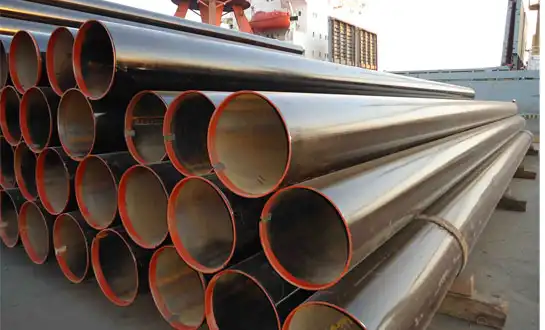
Petroleum transmission networks are widely made of steel pipes because they can handle high pressures and can be protected against corrosion through appropriate material selection and corrosion-control measures. For cross-country and transmission networks, carbon steel line pipes—including ERW, LSAW, and SSAW conforming to API 5L—are deployed to transport hydrocarbons safely across long distances and demanding terrains. In natural gas distribution systems, pipe fittings connect different sections of pipelines. Stopping leaks is very important for both safety on the job and protecting the environment. Refineries use these parts to process crude oil, and transport ports use galvanized versions to protect against the harsh conditions at the coast.
Water Distribution and Treatment Systems
ASTM A53 steel pipes can be used in municipal water networks when they meet the applicable project and potable-water requirements. Over decades, these pipes have been able to handle changes in temperature and soil pressure while delivering potable water from treatment plants to neighborhoods. Chemical dosing systems in treatment plants use stainless steel versions because they need to be able to handle chlorine and other disinfectants without rusting. Steel can also be recycled, supporting long-term infrastructure development and aligning with the growing emphasis on green procurement in government projects.
Structural and Construction Projects
Steel pipes do more than just carry fluids; they also hold the frames of buildings, bridges, and factories. Their high strength-to-weight ratio makes them suitable for load-bearing structures and scaffolding systems. The predictable performance characteristics set by ASTM standards are appreciated by construction teams because they make engineering calculations and risk assessments easier. Medium-sized and small engineering companies often ask for carbon steel pipe options to meet building codes and keep structures strong without spending a lot of money on materials.
HVAC and Mechanical Systems
A53 pipes move air, water, and refrigerants around industrial buildings and factories as part of heating, ventilation, and air conditioning systems. Because these lines have good thermal conductivity and predictable thermal expansion characteristics, they can be used reliably for climate-control systems within their specified operating temperature ranges. Power plants use seamless pipes and suitable fittings in high-pressure steam systems that feed turbines and other equipment. The elevated-temperature mechanical strength and creep resistance of these pipes prevent catastrophic ruptures that could jeopardize personnel safety and trigger costly unplanned outages.
Industrial Processing and Chemical Plants
Chemical handling settings need materials that can stand up to harsh chemicals without breaking down. Pipe fittings made of stainless steel can handle both acidic and basic liquids in the medicinal, food, and petrochemical industries. Some types of pipes are manufactured without longitudinal weld seams, which eliminates weld-related discontinuities that may require additional inspection or corrosion-control considerations. This makes the pipes last longer and require less maintenance. Mining operations move slurries and rough materials through pipe configurations that don't wear out easily. This keeps replacement costs low over the life of a project.
Benefits of Using Steel Pipes in Industrial Applications
Superior Mechanical Strength and Durability
The mechanical benefits of steel pipes are instantly clear when we compare them to options made of plastic or concrete. Steel can handle impact loads during installation and operation, which means it breaks less often and projects don't run behind schedule. The ductility of the material lets it bend under stress without breaking into brittle pieces, giving early warning signs before a catastrophic split. In high-stakes situations where a quick pipe failure could put people in danger or stop production, this feature is very helpful.
Total Cost of Ownership Advantages
The original price is only a small part of the total costs over the product's lifetime. Steel pipe applications span many systems where long-term durability and low maintenance are important. Steel pipes last for decades and don't need much upkeep. This can differ from some plastic systems that may degrade under prolonged UV exposure without adequate stabilization or protection, or from concrete pipes that may crack under certain loading and installation conditions. Less frequent repairs mean lower labor costs and fewer problems with running the business. When a building installs certified steel piping systems, documented compliance with applicable standards can support risk-management and insurance assessments.
Compliance and Quality Assurance
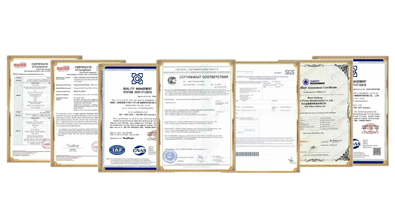
Adhering to standards like ISO 9001:2015, ASTM, API, and EN gives buying pros a way to measure quality. Third-party certificates from groups like GOST-R and SGS confirm how products are made and what materials are used. This is important paperwork for government building projects that have strict rules about following the tender. These quality standards take the guesswork out of choosing a supplier. This lets EPC contractors easily set performance criteria and hold vendors responsible while the project is being carried out.
Versatility Through Customization
Modern steel pipe manufacturing can meet a wide range of needs, from standard schedule ratings to custom sizes for unique installations. Surface processes like galvanization, epoxy coating, and heat protection make it possible to use in a wider range of climates. Different types of carbon steel are good for a wide range of uses, while alloys are better for dealing with specific problems like corrosion or high temperatures. By giving engineers this much freedom, they can choose the best materials for the job without sacrificing safety or going over budget.
Because they are strong, last a long time, and can be changed easily, steel pipes are the best choice for industrial end users and companies that want to avoid downtime and keep total ownership costs low. These performance qualities directly address the main concerns of people who make buying decisions and have to make sure they are safe, meet schedules, and keep project budgets in check.
How to Choose the Right Steel Pipe for Your Application?
Assess Operational Parameters
To start the selection process, practical demands are summed up. These include maximum pressure ratings, temperature extremes, fluid properties, and exposure to the environment. A chemical plant that moves toxic materials needs different rules than a water company that manages a city's supply. Use engineering data sheets to keep track of these factors. This makes it easier for suppliers to talk to each other and compare quotes. When you don't account for pressure or temperature differences, you end up with safety risks and legal problems that are much worse than any initial cost savings.
Material Selection Framework
For uses that don't corrode and work well in mild temperature ranges, carbon steel pipes are a cost-effective choice. Stainless steel versions are worth the extra money in places where rust protection keeps things from breaking down too soon. Alloy steels are used in specific situations where better mechanical properties at high temperatures are needed. Check the material certificates to make sure that the chemicals used meet the relevant ASTM standards. This will protect the system from low-quality goods that could damage it.
Seamless Versus Welded Construction
Seamless pipes don't have longitudinal weld joints, which eliminates weld-related discontinuities and can be advantageous in certain high-pressure applications. This makes them suitable for demanding systems used in power generation and petrochemical processes. The manufacturing method produces better stability in size and smoothness on the inside. Welded pipes, such as ERW (Electric Resistance Welded) types, are widely used when their specified grade, dimensions, manufacturing quality, and pressure rating meet project requirements. Their cost-effectiveness also makes them suitable for building projects and low-pressure delivery networks. Knowing about these trade-offs helps you balance the need for performance with the limitations of your budget.
Supplier Evaluation Criteria
To find reliable suppliers for steel pipe applications, you need to look at their certifications, production capacity, and quality control standards. Ask for mill test reports that verify the chemical composition and mechanical properties. Check how reliable the lead time is by getting references from projects that are similar to yours. Keep in mind that delivery delays can affect construction schedules and contractual obligations. Distributors and trading companies that keep local stock on hand provide supply stability that protects against interruptions in manufacturing, which is very important for steel pipe applications that need to be completed quickly.
Trial Orders and Relationship Building
Smaller trial orders are a good way for procurement workers in charge of big building projects to start working with suppliers. This method checks the quality of the product and how well it delivers before committing to big purchases. Write down the results of the inspection and be clear about your feedback. This will set quality standards for future orders. Strong relationships with suppliers allow for better prices, faster production schedules, and expert help while specifications are being made.
Industry Standards and Quality Assurance in Steel Pipe Applications
Global Standard Frameworks
Pipes used to get oil and gas to and from the ground are regulated by API (American Petroleum Institute) standards. ASTM International publishes standards for many steel pipe products that specify material requirements, manufacturing requirements, dimensions, and testing methods. European Norm (EN) standards provide harmonized technical requirements for applicable products and markets within the European standards framework. In purchase orders, procurement teams should include references to relevant standards. This creates quality standards that can be enforced and protects against non-conforming material.
Critical Inspection Techniques
Ultrasonic examination, radiography inspection, and magnetic particle testing are all non-destructive testing methods that can find flaws inside a pipe without damaging it. Hydrostatic pressure testing verifies pressure integrity under proof loads, ensuring weld and base-metal containment before the pipe is released for field installation. Chemical composition analysis proves that the grades of alloys meet the requirements. This stops material substitution, which could cause the material to fail prematurely. Suppliers with a good reputation give detailed test records that show how each batch of pipes was made and delivered.
Supplier Audit Importance
Site audits of factories show more about quality management than just the paperwork that comes with certifications. Keep an eye on how the production equipment is maintained, how employees are trained, and how the raw materials are stored. Go over the steps for taking corrective action for past nonconformances. These audits provide greater confidence in the supplier's capabilities and help identify potential risks before they affect project delivery. For government building projects, supplier checks are often required as part of the bidding process. This is important research that must be done in order to be eligible to bid.
Procurement Best Practices and Market Insights for Steel Pipes
Strategic Supplier Partnerships
For buying to be successful, it's not enough to just buy things; you need to work together with reliable providers. Clear pricing structures get rid of hidden costs that make it hard to plan a budget. Long-term contracts lock in production capacity when the market is tight and use volume agreements to get better rates. Distributors and stockists who keep regional supplies cut down on wait times for projects that need to be done quickly and avoid paying fees that take away from the cost advantages.
Inventory Management Strategies
To find the right balance between investing in inventory and the risk of running out of stock, you need to plan out project timelines and coordinate when to buy things. Just-in-time transport cuts down on storage costs but makes it more vulnerable to problems with the supply chain. Keeping extras of important sizes on hand guards against sudden increases in demand or delays in production. EPC contractors who are working on multiple projects at the same time can get bulk savings and have their goods spread out across multiple job sites with centralized sourcing.
Custom Manufacturing Considerations
Standard pipe schedules and catalog dimensions cover most conventional applications, but custom manufacturing is essential when projects involve specialized operational requirements. Specialized coatings, non-standard lengths, or metal formulas that aren't used by anyone else need longer wait times and larger order numbers. Customization costs should be weighed against possible performance gains, keeping in mind that too much detail can cause project budgets to balloon. Early on in the planning process, work with suppliers to find cost-effective options that meet scientific standards.
Comparative Material Analysis
Even though steel pipes are most often used in industry, procurement teams should look at other options like HDPE (High-Density Polyethylene), PVC, and ductile iron on a regular basis. Plastic pipes work well in low-pressure, non-thermal situations where rust is a worry, but they aren't as strong or fire-resistant as steel pipes. When looking at installation work, upkeep frequency, and projected service life, life-cycle cost analyses usually show that steel is better in harsh industrial settings. Keep track of these evaluations so you can use them to defend the choice of materials during project reviews and presentations to stakeholders.
Conclusion
Steel pipes remain indispensable across global infrastructure because they combine superior mechanical strength, long-term durability, and strict compliance with international manufacturing standards. From moving oil and gas to distributing water and supporting structures, these parts work reliably over time and keep operational risks and total ownership costs to a minimum. The project will be successful if the right specifications are chosen by carefully evaluating pressure ratings, material grades, and suppliers' skills. When procurement professionals are trying to find their way through complicated industrial markets, working with certified manufacturers and distributors is a great way to ensure compliance with safety and quality standards while maintaining stable supplies. The fact that steel pipe systems have been used successfully in many different situations shows that they are still useful for building modern infrastructure.
FAQ
1. What distinguishes seamless pipes from welded pipes in industrial applications?
Seamless pipes are manufactured without longitudinal welds and are often selected for demanding pressure applications. Welded pipes, including ERW types, can provide a cost-effective option when their grade, dimensions, manufacturing quality, and pressure rating meet the project requirements.
2. Which certifications should procurement teams verify when sourcing steel pipes?
Quality management methods are confirmed by ISO 9001:2015. ASTM specifications spell out what a material is made of and how it works. Pipes used in many oil and gas pipeline applications may need to comply with applicable API specifications, such as API Spec 5L. Compliance is checked by a third party, like SGS or a similar group. For quality control and tracking, ask for mill test records that include data from chemical analysis, mechanical properties, and pressure tests.
3. How do protective coatings extend steel pipe lifespan in harsh environments?
When zinc layers are added during galvanization, rust doesn't form in wet conditions. Chemicals don't damage epoxy surfaces in production plants. Thermal insulation keeps the temperature stable and keeps outside corrosion at bay. The total ownership economics of industrial facilities are directly improved when the right coating is chosen based on a study of the environment. This lowers the number of upkeep tasks and replacement costs.
Partner with a Trusted Industrial Steel Pipe Manufacturer & Supplier
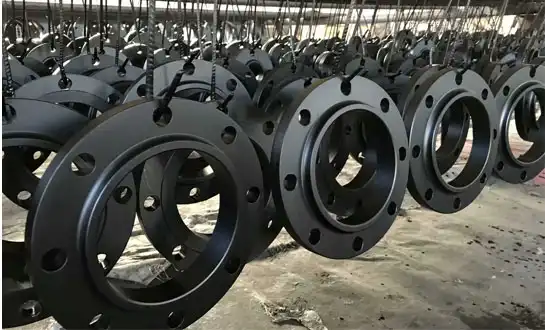
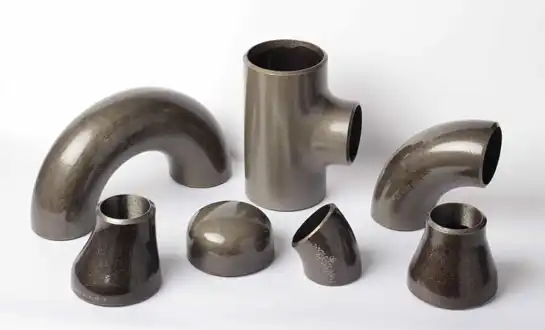
RAYOUNG has been helping EPC contractors, dealers, engineering companies, and industry end users around the world for almost twenty years. We have a wide range of products, such as Schedule 40 ERW pipes, seamless fittings, ASTM A53 types, carbon steel elbows, reducers, flanges, and caps that are designed to meet the exact needs of your project and support various steel pipe applications. We keep our ISO 9001:2015 certification up to date, along with GOST-R and SGS approval, to make sure that every package meets the highest quality standards around the world. It is possible to make things to order, including coatings that are specific to your working setting and special size needs. Your project schedules and budgets will be safe if you have competitive pricing and reliable lead times. Get in touch with our technical team at info@hb-steel.com to talk about your steel pipe needs and get expert advice on how to make the standards work best for you in terms of performance and value.
References
1. American Petroleum Institute. (2021). Specification for Line Pipe: API Specification 5L. Washington, DC: API Publishing Services.
2. ASTM International. (2020). ASTM A53/A53M-20: Standard Specification for Pipe, Steel, Black and Hot-Dipped, Zinc-Coated, Welded and Seamless. West Conshohocken, PA: ASTM International.
3. Davis, J.R. (2006). Corrosion of Weldments. Materials Park, OH: ASM International.
4. Mohitpour, M., Golshan, H., & Murray, A. (2007). Pipeline Design and Construction: A Practical Approach (3rd ed.). New York: ASME Press.
5. International Organization for Standardization. (2019). ISO 3183:2019 Petroleum and Natural Gas Industries — Steel Pipe for Pipeline Transportation Systems. Geneva: ISO.
6. Revie, R.W., & Uhlig, H.H. (2008). Corrosion and Corrosion Control: An Introduction to Corrosion Science and Engineering (4th ed.). Hoboken, NJ: John Wiley & Sons.

Need a quote? Want to see samples? Just say hello. We’re friendly. We’re fast. And we’re ready when you are.
Welcome to RAYOUNG – Strong Pipes, Stronger Promise