How to Select the Right Spool Flange for Piping Systems?
Choosing the correct spool flange for your piping infrastructure requires careful evaluation of operational demands, material compatibility, and compliance standards. A spool flange serves as a critical connection component within high-pressure piping assemblies, providing both structural integrity and leak-proof sealing at junction points. Unlike standard slip-on or blind flanges, this component combines precision machining with robust design principles to address demanding applications. Understanding its unique characteristics—from pressure ratings to sealing surface finish—empowers procurement teams, engineers, and project managers to make informed decisions that minimize risk, control costs, and ensure reliable long-term performance across petrochemical, water treatment, and industrial manufacturing environments.
Understanding Spool Flanges: Definition, Types, and Applications
What Defines a Spool Flange in Piping Systems?
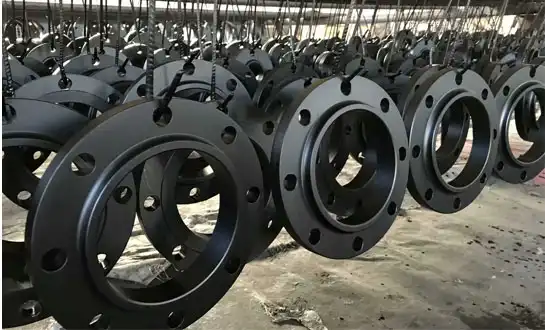
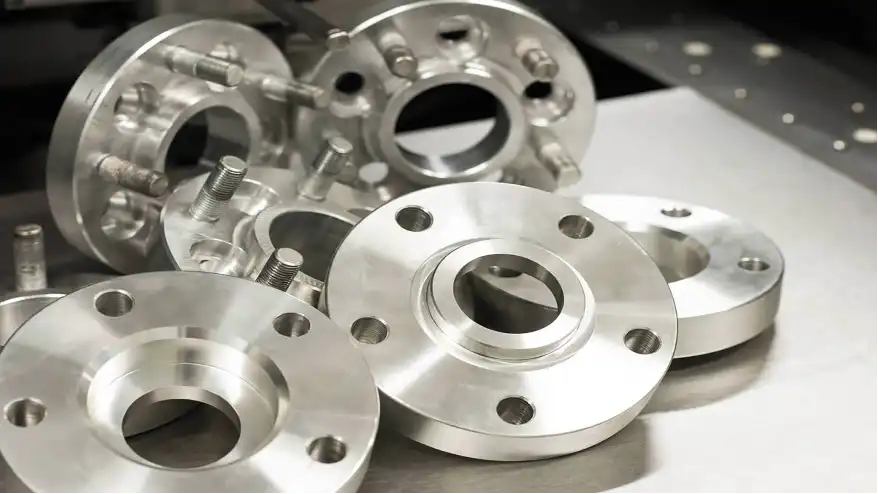
A flange spool is a prefabricated piping assembly that typically consists of a short pipe section with flanges welded to both ends. It is designed to connect pipe sections or equipment in industrial piping systems. This makes it a ready-to-install assembly that makes installation easier in the field. This design reduces the amount of field welding required while maintaining structural integrity under demanding service conditions.
These assemblies, which can be manufactured to applicable standards such as ASME B16.5, EN 1092-1, or JIS B2220, can handle a range of pressure classes and size requirements. The integrated spool can reduce the need for separate stub ends or adapters in some applications, which makes managing inventory easier and cuts down on assembly time during the project completion phases.
Material Options and Their Impact on Performance
Material selection directly affects service life, corrosion resistance, and overall system safety. For moderate-temperature applications where cost efficiency is important, carbon steel grades such as ASTM A105 are commonly selected. Because these materials are so strong and easy to weld, they can be used in water distribution networks and environments where corrosion exposure is limited.
Different types of stainless steel, like ASTM A182 F304 and F316L, are better at resisting chemical attack and rusting. These metals keep petrochemical plants that work with acidic or chloride-rich fluids from breaking down too quickly. When standard grades don't work well in ultra-corrosive environments or on offshore platforms, specialty materials like Inconel 625 or duplex steel are used.
Industry Applications Across Critical Sectors
These link parts are important for oil and gas operations because they hold manifold systems and header configurations together. Being able to pre-fabricate spool assemblies off-site speeds up turnaround times during maintenance shutdowns at refineries, which directly cuts down on the costs of downtime.
In power plants, these units are used in steam lines and condensate systems, which need to be able to maintain reliable sealing under temperature fluctuations and vibration. Chemical processing units require accurate alignment and leak-resistant connections to prevent hazardous materials from escaping, making pre-assembled setups valuable for maintaining installation quality and safety.
Key Criteria for Selecting the Right Spool Flange
Evaluating Pressure and Temperature Requirements
The operating parameters of the system are what determine which components to use. Pressure classes from 150 to 2500, together with the design pressure, temperature, material, and applicable standard, determine the required flange dimensions and pressure-temperature rating. Extreme temperatures affect the choice of material. Carbon steel can be used at elevated temperatures when permitted by the applicable material and design specifications, while alloy steels may be selected for higher-temperature service.
Sealing face requirements are influenced by the fluid's viscosity, corrosivity, and suspended solids content. For aggressive media, the appropriate surface finish or protective coating should be selected to maintain gasket sealing performance and reduce erosion.
Matching Standards to Project Specifications
Following well-known rules ensures that measurements can be used interchangeably and that the quality is always the same. North American standards are set by ASME B16.5 and include pressure-temperature ratings, facing types, and bolt hole arrangements. In Europe, projects usually follow EN 1092-1 standards, while in Asia, markets usually demand that products meet JIS B2220 standards.
API 6A governs wellhead and Christmas tree equipment used in upstream oil and gas production, specifying pressure ratings up to 20,000 psi. A spool flange that is certified to the right standard can help avoid compatibility problems during installation and make purchasing easier across supply chains with multiple vendors. Documentation for certification, such as Mill Test Certificates (MTC), lets you trace the chemical and mechanical properties of the raw materials, supporting quality control standards.
Critical Dimensional Specifications
A flange's resistance to mechanical bending depends on its thickness, geometry, material yield strength, bolt preload, and internal pressure. Insufficient flange thickness can cause excessive flange rotation, leading to uneven gasket compression and catastrophic joint leakage. Accurate bolt pattern distribution spreads the load evenly across the sealing surface, preventing stress buildup in one area that weakens the joint.
The type of face finish—Raised Face (RF), Flat Face (FF), or Ring-Type Joint (RTJ)—must match the gasket selection and service conditions. With spiral-wound gaskets or compressed fiber, RF configurations are good for general-purpose uses. RTJ designs are made for high-pressure applications that require a metal ring gasket to provide a reliable seal. CNC-machined sealing surfaces have exact flatness and finish, which cuts down on leak paths and increases the service life of the gasket.
Welding Considerations and Installation Methods
Weld neck designs offer better resistance to fatigue because the force moves gradually from the pipe to the joint. The tapered hub distributes stress more gradually than slip-on designs, making weld neck configurations suitable for applications involving frequent load changes. Field welding factors are taken care of by pre-welded parts, which also cuts down on quality control issues and installation time.
Hot-dip galvanizing can extend service life by protecting carbon steel components in harsh or outdoor environments. This finish is very useful in places like the ocean, wastewater treatment plants, and seaside factories where steel breaks down faster because of atmospheric rust.
Comparing Spool Flanges with Other Flange Types to Make Informed Decisions
Mechanical Properties and Structural Advantages
Weld neck flanges generally provide excellent resistance to stress and fatigue because they have an integral hub design and a gradual change in thickness. These parts work great for high-cycle fatigue uses, but the pipes need to be carefully prepared and welded by trained workers. When aligning, lap joint setups allow for rotational flexibility, which makes bolt-up processes easier when the facings of the flanges are different. But the extra stub-end part makes the material more expensive and adds another possible leak path.
Blind flanges are deployed to terminate pipeline ends, isolate equipment nozzles, or provide access points for future system expansion. They can handle full system pressure, but they can't let flow through, so they can only be used at the end of a line. When it comes to complicated pipe networks, where field welding could be dangerous or take too long, pre-assembled setups are the best option because they combine the power of weld neck geometry with the ease of installation.
Installation Complexity and Labor Requirements
Field welding requires qualified workers and may require radiographic inspection and post-weld heat treatment depending on the material, thickness, applicable code, and project requirements, which adds time to projects and costs more in labor. When pre-fabricated assemblies are delivered, they are ready to be bolted together. This gets rid of these variables and speeds up the construction process. During plant expansions or maintenance shutdowns, when downtime directly leads to lost income, this benefit is especially useful.
Access for maintenance changes a lot between types of flanges. Pre-fabricated flanged spools simplify maintenance and turnaround operations because crews can quickly unbolt and replace worn sections without cutting, grinding, or re-welding on site.Knowing about these operating issues helps balance the costs of initial purchase with the costs of upkeep over the product's lifetime.
Cost Analysis for Informed Budget Planning
Unit prices are based on the types of materials used, how hard they are to make, and any certification requirements. Carbon steel parts are often less expensive than comparable stainless steel parts, although the price difference varies with material prices, size, pressure class, and manufacturing requirements. However, this initial savings is lost when they need to be replaced more often in places that are acidic. For big projects, volume deals from well-known sellers lower the cost per unit, so it's important to start working with vendors early on.
To figure out how long something will last, you have to think about how often it needs to be replaced, how long the system will be down for fixes, and how much the work will cost. A high-quality stainless steel part may have a lower total cost of ownership than a carbon steel part if the service environment causes the carbon steel component to require significantly more frequent replacement. Reliability of the vendor affects the project's risk. Suppliers that have been around for a while and have a good track record reduce delivery delays and quality problems that throw off construction schedules.
Procurement Guide: How to Source High-Quality Spool Flanges?
Identifying Qualified Suppliers and Manufacturers
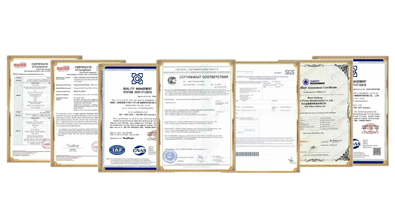
Suppliers with a good reputation show they can make things by getting third-party certifications like GOST-R export compliance and ISO 9001:2015 quality management systems. These certifications provide evidence of documented quality-management processes and material traceability. Well-known companies have their own testing centers to make sure the mechanical properties and measurements are correct before they ship the goods.
OEM skills show that the company has the engineering tools to meet the needs of custom designs and offer technical advice. Suppliers who offer full MTC documentation allow full traceability from the heat numbers of the raw materials to the results of the final inspection. This meets the strict procurement requirements common in government infrastructure projects and Fortune 500 industrial facilities.
Customization Options for Complex Projects
Non-standard dimensions, specialty metals, and customized finishes can be specified to meet application-specific requirements. Custom bolt-circle configurations can also accommodate existing equipment connections during upgrades or retrofits. When used with proprietary gasket systems or in high-temperature situations, special face finishes improve the sealing performance.
Production lead times depend on how hard the product is to make and how readily available the materials are. Standard carbon steel parts in common pressure classes usually ship in two to three weeks. Custom stainless steel or metal grades, on the other hand, may take eight to twelve weeks. Early involvement of suppliers in the planning stages of a project avoids delays on the critical path and gives time for testing prototypes when performance limits are pushed by requirements.
Negotiation Strategies and Pricing Factors
The prices of materials change with the price of commodities around the world, which affects the base prices of steel and metal parts. Certification and testing requirements can add to the total cost, depending on the applicable standards and project requirements, but they can't be avoided for installations that follow the code. When you make a volume pledge, you can use tier pricing, which may lower the cost per unit for larger-volume orders, depending on the supplier's pricing structure and order requirements.
Payment terms and delivery schedules affect how flexible a supplier's prices are. When packages are spaced out to match the stages of building, less storage space is needed on-site while cash flow is kept high. Framework agreements with chosen vendors make it easier to buy from them again and again, and they make sure that prices stay the same for tasks that last more than one year.
Conclusion
To choose the right connection parts for pipe infrastructure, you need to carefully look at practical factors, material compatibility, and legal requirements. We looked at how pressure ratings, high temperatures, and the properties of fluids affect the choice of material between specialty grades, carbon steel, and stainless metals. Knowing the measurements, types of faces, and welding rules is important for making sure the system works well and lasts a long time. When you compare pre-assembled configurations, such as a spool flange, to standard field-welded options, you can see that the starting prices and installation speed are not always the same. Selecting qualified suppliers with documented certifications and customization capabilities can reduce project risks and improve procurement efficiency. Proper installation procedures and preventive maintenance can further extend service life, reduce unplanned downtime, and protect infrastructure investments.
FAQ
1. Can stainless steel components withstand highly corrosive chemical environments?
Austenitic grades, such as 316L, offer good corrosion resistance in many organic acid and chloride-containing environments, but their suitability depends on chloride concentration, temperature, and the specific process medium. When there is a lot of strong sulfuric acid or high-temperature chloride exposure, duplex stainless steel or nickel alloys may be needed. Testing the material's fit with real process fluids makes sure it works before it's required.
2. How do pressure ratings affect component selection?
Pressure class designations establish the maximum allowable working pressure of a flange at specific temperatures based on the material group and governing standard (e.g., ASME B16.5). Engineers must verify that the pressure-temperature rating of the selected class exceeds the maximum design conditions, accounting for potential pressure surges and thermal transients. Under-rating parts increases the chance of a catastrophic failure, while over-specification adds costs without improving performance.
3. Are custom dimensions feasible for retrofit projects?
Through custom manufacturing, most makers can meet the needs of customers with non-standard bolt circles, bore diameters, and lengths. Giving thorough models with tolerance details makes sure that the new parts will fit properly with the old ones. Custom orders usually have longer wait times and require a minimum order quantity.
Partner with RAYOUNG for Reliable Spool Flange Solutions.
For high-pressure uses, RAYOUNG offers precision-engineered connection parts that are made to ANSI, DIN, and JIS standards and come with RF, FF, and RTJ facing choices. Our CNC-machined sealing surfaces make sure that there are no leaks, and our full MTC tracking paperwork meets the strictest quality standards. The ability to hot-dip galvanize parts can improve atmospheric corrosion resistance in outdoor and mildly corrosive environments, which protects your infrastructure investment. As a spool flange manufacturer with a lot of experience, we offer competitive prices, on-time deliveries, and quality systems that are ISO 9001:2015 certified. Our technical team can help you match the exact working needs of your business with the right component specs. Please email us at info@hb-steel.com to talk about your project needs and find out how RAYOUNG's complete piping connection solutions can help with performance, safety, and long-term durability in a wide range of industrial settings.
References
1. American Society of Mechanical Engineers. (2020). ASME B16.5: Pipe Flanges and Flanged Fittings. New York: ASME Press.
2. Harvey, J.F. (1991). Theory and Design of Pressure Vessels (Second Edition). New York: Van Nostrand Reinhold.
3. Becht, C. & Lancaster, R. (2018). Flange Joint Design and Analysis for High-Pressure Industrial Applications. Journal of Pressure Vessel Technology, 140(2), 021201.
4. API Standard 6A. (2019). Wellhead and Christmas Tree Equipment (21st Edition). Washington, DC: American Petroleum Institute.
5. Mohr, W. (2016). Piping Systems Manual. New York: McGraw-Hill Education.
6. Singh, K. & Soler, A. (2017). Mechanical Design of Heat Exchangers and Pressure Vessel Components. Berlin: Springer-Verlag.

Need a quote? Want to see samples? Just say hello. We’re friendly. We’re fast. And we’re ready when you are.
Welcome to RAYOUNG – Strong Pipes, Stronger Promise