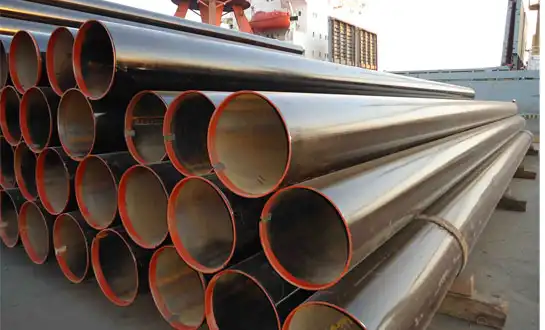
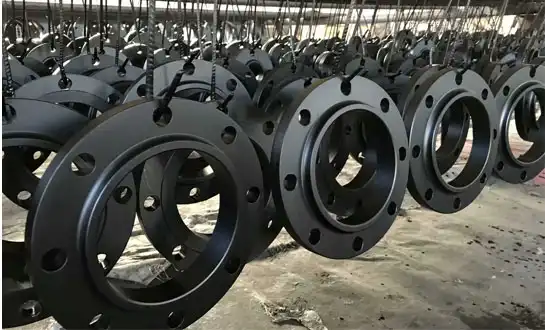
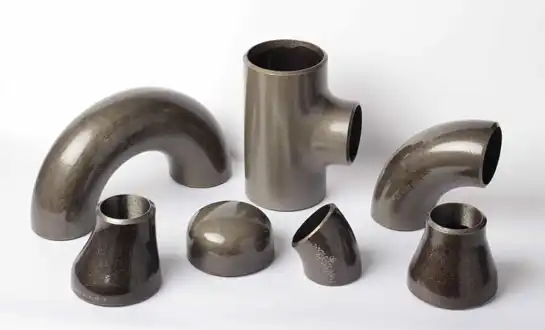
Carbon Steel Flanges (ASTM A105): Types, Uses, and Benefits
Carbon steel flanges manufactured to ASTM A105 specifications represent the most trusted connection solution in industrial piping systems worldwide. These forged carbon steel components—containing up to 0.35% carbon along with manganese for enhanced strength—deliver the precise balance of durability, cost-efficiency, and performance that procurement professionals demand. Selecting the correct flange directly impacts system integrity, safety compliance, and long-term operational costs across oil & gas, petrochemical, power generation, and water treatment sectors. This guide equips B2B buyers with practical insights to make confident sourcing decisions.
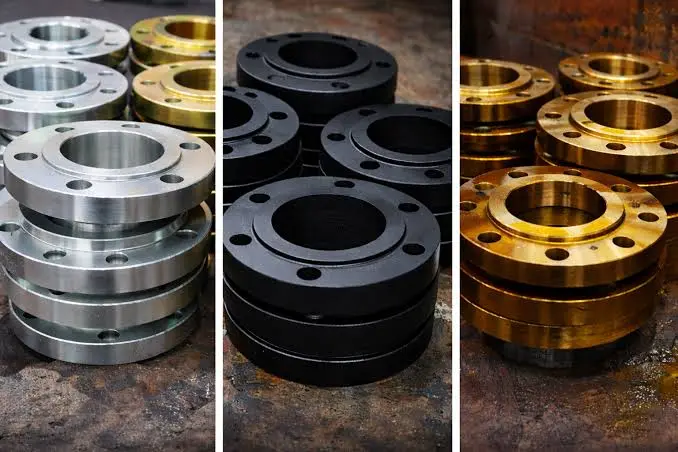
Understanding Carbon Steel Flanges: Types and Specifications
Connection points in industrial piping systems need to be stable and able to handle big changes in temperature and pressure. In order to secure assembly and maintenance access across complex pipeline networks, carbon steel flanges are used as these crucial connectors.
Why ASTM A105 Remains the Industry Standard?
ASTM A105 sets the standards for forged carbon steel pipe flanges, fittings, and valves used in pressure systems at ambient and higher temperatures. The standard specifies chemical composition requirements, with carbon limited to 0.35% maximum and manganese levels between 0.60% and 1.05%. This combination provides a balance of weldability and mechanical strength, while the standard helps ensure consistent performance across a range of applications, from municipal water distribution to refinery processing lines. The normalizing heat treatment option (ASTM A105N) refines and homogenizes the austenitic grain structure, substantially improving Charpy V-notch impact toughness at sub-zero temperatures and mitigating brittle fracture risks.
Common Flange Types and Their Operational Roles
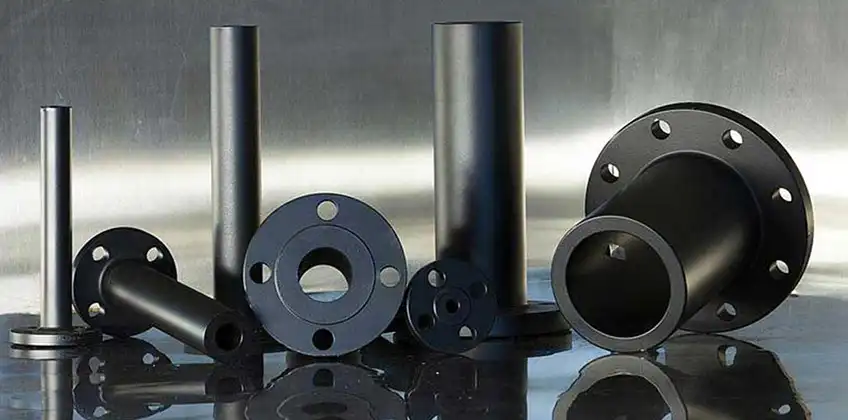
Different types of connections need different flange configurations. Weld neck flanges have a tapered hub that gradually transitions to the pipe diameter, providing more favorable stress distribution for demanding services, including applications requiring high pressure ratings. Slip-on flanges are easier to install because they go over the ends of the pipes before they are fillet welded. They generally have lower fatigue resistance than weld neck designs, so they are more commonly selected for less demanding services. Blind flanges securely seal pipeline terminations while providing accessible isolation points for future system expansion.In chemical processing plants, socket weld designs work with small-bore pipes, and threaded flanges make it easy to put together low-pressure systems quickly without the need for welding.
Industry Standards Governing Dimensions and Ratings
ANSI/ASME B16.5 sets the measurements for flanges from NPS 1/2" to 24", with pressure classes from 150 to 1500, while Class 2500 is available from NPS 1/2" to 12". This makes sure that all manufacturers' products are compatible around the world. For larger bore sizes, ASME B16.47 applies, with Series A and Series B configurations specified by the standard. These specs tell procurement teams what pressure-temperature ratings, bolt hole patterns, and facing finishes (raised face, flat face, and ring-type joint) are needed so that the parts can work properly in the system. Material test reports (MTRs) that can be traced back to the heat numbers stamped on each flange confirm the chemical make-up and mechanical traits. They provide traceable quality documentation that proves compliance during project checks.
Comparing Carbon Steel Flanges with Alternative Materials and Types
The choice of materials has a big effect on the initial costs of a project, the plan for maintenance, and the total costs over the project's life. Procurement professionals can get the best value without sacrificing safety when they understand performance trade-offs.
Carbon Steel Versus Stainless Steel Performance
In most cases, carbon steel flanges are 40–60% less expensive than their stainless steel counterparts (ASTM A182 F304/F316), making them the smart choice for places where corrosion is not a concern. While stainless steel (such as ASTM A182 F304/F316) provides superior chemical corrosion resistance via its passive chromium oxide film, carbon steel ASTM A105 offers comparable structural integrity (70,000 psi minimum tensile strength) at a fraction of the raw material cost. When projects need to work with neutral pH fluids in controlled settings, they can save a lot of money by using carbon steel with protective coatings instead of stainless steel. But stainless steel is needed for uses with chlorides, acids, or sea atmospheres to reduce the risk of premature corrosion and failure.
Slip-On Versus Weld Neck Strength Characteristics
Because the full-penetration butt weld gets rid of stress concentration points, carbon steel flanges with a weld neck design generally provide better stress distribution and fatigue resistance than slip-on designs. This benefit is very important in areas where the temperature rises and falls, like in rotating compressor pipes. Slip-on flanges are commonly used for static-pressure services where their fatigue and stress-distribution characteristics are acceptable for the application because they are easy to align and have two fillet welds that make installation cheaper. The choice between these types is based on a stress analysis for each project zone that weighs the upfront costs of materials against the needs for long-term reliability.
Forged Versus Cast Manufacturing Methods
Forging methods put huge amounts of pressure on steel billets, which aligns the grain structure and gets rid of any holes inside that weaken the steel. ASTM A105 forged flanges have consistent mechanical properties and are more resistant to impact than cast options. Cast components made from ASTM A216 WCB are used for certain pressure-containing applications, subject to the applicable product standard and quality requirements. They usually cost 15 to 25 percent less than forged counterparts. When there are critical service conditions like high pressure, changing temperatures, or vibrations, the design must ensure that the assembly remains leak-tight for the whole design life.
Practical Applications and Benefits of Carbon Steel Flanges (ASTM A105)
ASTM A105 flanges have been used for decades in demanding industries, showing that they are reliable and cost-effective in real life.
Industry-Specific Deployment Scenarios
Petroleum refineries use ASTM A105 flanges to connect high-pressure hydrocarbon process lines that work at 600 to 900 psi. The flanges' strong mechanical properties prevent leaks that could cause safety issues. In distribution networks that carry potable water, these flanges are used by municipal water treatment facilities. They are cost-effective and work with protective epoxy coatings. Power companies use carbon steel flanges in steam systems that hit 750°F. The seals stay in place during start-up and shut-down cycles because the steel is thermally stable. These parts are used in non-corrosive service lines that handle alcohols, hydrocarbons, and neutral pH solutions in chemical processes. They work reliably as long as the materials are compatible.
Core Operational Advantages
Knowing the real benefits helps make the choice of materials during the planning stages of a project. Carbon steel flanges provide quantifiable value in a number of performance areas that directly affect buying objectives.
The main benefit is that A105 flanges are more cost-effective than stainless steel options. They can cut material costs by 40–60% without losing performance in certain situations. This cost efficiency makes project budgets last longer, so bigger system changes or emergency funds can be made. With a minimum yield strength of 36,000 psi and a tensile strength of 70,000 psi, A105 can be used in flange assemblies across a wide range of ASME pressure classes when the applicable pressure-temperature rating is satisfied. It can serve applications with pressure classes up to 2500, subject to the applicable standard and rating. Its mechanical strength also supports reliable performance during pressure testing and operating upsets. A105 can be used across a wide range of industrial temperatures when the applicable pressure-temperature ratings and low-temperature toughness requirements are satisfied. The broad applicability of A105 can also simplify inventory management and procurement. Its weldability allows standard methods such as SMAW, GTAW, and GMAW to be used for producing uniform joints. This lowers installation costs and helps meet tight project deadlines by speeding up the assembly process.
Because of these performance traits, the total cost of ownership of carbon steel flanges goes down because unplanned maintenance is cut down, service intervals are increased, and costly downtime events are avoided.
Maintenance Considerations and Corrosion Protection
Because carbon steel easily oxidizes, it needs protection methods that make it last longer in wet or chemically active places. Through a sacrificial zinc covering, hot-dip galvanizing protects outdoor systems from rust for 15 to 25 years. Fusion-bonded epoxy (FBE) coatings are great for buried or submerged pipe systems because they are very resistant to chemicals. Paint systems that use zinc-rich primers and epoxy topcoats work well indoors, where they can be inspected and touched up on a regular basis. Cathodic protection systems work with coatings on underground pipes to stop electrochemical decay. They do this by using impressed current or sacrificial anodes. Specifications for purchases should make it clear what kind of coating is needed based on the surroundings and how easy it is to check. This way, vendors will know how to prepare surfaces so that coatings stick well and last a long time.
Procurement Guide: Sourcing Carbon Steel Flanges for B2B Clients
To make sure that projects are finished on time, strategic buying choices must balance quality assurance, cost optimization, and supply chain dependability.
Evaluating Manufacturer Credentials and Quality Systems
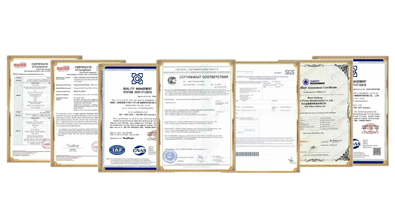
Reliable suppliers keep their ISO 9001:2015 certification, which shows that they manage quality in a systematic way across the design, production, and testing processes. API 6A or API 16 A certification demonstrates that applicable products or manufacturing systems meet the requirements of those oil and gas equipment standards. Review surveys of factories done by outside groups like TÜV, Bureau Veritas, and SGS to make sure they follow international rules. Ask for sample MTRs that prove the chemical composition and mechanical test results that can be linked to specific heat numbers. Check the suppliers' production capacity and lead times to make sure they can meet project deadlines without rushing the manufacturing process and lowering the quality. Find out if there is expert support available after the sale, such as engineering help for application-specific problems.
Pricing Dynamics and Bulk Purchasing Strategies
The price of a flange changes a lot depending on its size, pressure class, and face finish. A 4-inch Class 150 weld neck flange costs about $15 to $30 per piece, while a 24-inch Class 600 version could cost $400 to $800, based on the market and the number of pieces being bought. Forged flanges are 20–35% more expensive than cast ones because the material is better. When sales go over 500 pieces, volume purchasing cuts unit costs by 15–30%, which is a good reason to coordinate buying across multiple project phases. Make blanket purchase agreements with qualified suppliers that guarantee stable prices for 12 to 24 months. This will protect budgets from changes in the prices of raw materials. Ask value engineering to help you find ways to standardize sizes and ratings across projects, as well as ways to combine orders to get bigger discounts and make managing your inventory easier.
Logistics Considerations and Lead Time Management
Standard flange sizes usually ship within two to four weeks from well-known manufacturers who keep stock. Custom facings, special materials, or big bores can make wait times up to 6–10 weeks, so you need to order ahead of time to make sure you can meet your project schedule. Export packing must use wooden boxes, plastic caps, and moisture barriers that meet ISPM-15 guidelines to protect flange faces from damage caused by impact. Container filling plans make the best use of room; a 40-foot container can hold 20 to 25 tons of different flange sizes. Even though it costs an extra $4 to $8 per kilogram, air freight is a good way to get replacements quickly. Shipping by sea is a cheap option; each container costs between $800 and $1,500, and it takes 25 to 40 days to get from Asian suppliers to North American ports. Plan arrival times with installation crews to reduce the risks associated with on-site storage and handling.
How to Choose the Right Carbon Steel Flange: A Decision Support Framework?
Systematic review makes sure that the choice of flanges meets technical needs, price limits, and long-term dependability goals.
Application-Specific Technical Requirements
First, use P&IDs and process parameters to find the design pressure and temperature conditions. Connect these numbers to the right ANSI pressure classes: Class 150 is for up to 285 psi at 100°F, Class 300 is for 740 psi, and Class 600 is for 1,480 psi, going up as needed. Check that the operating temperature stays within the A105 range of -20°F to 800°F. For lower-temperature service, A350 LF2 may be specified with the applicable Charpy impact testing requirements for the selected grade and class. Check if the chemicals will react by looking at the corrosion rate. Carbon steel generally performs better in mildly neutral environments with controlled oxygen levels, while acidic or chloride-containing environments can significantly increase corrosion rates depending on temperature, flow conditions, and other factors. Figure out the temperature expansion loads and make sure that weld neck flanges go on areas that move a lot and slip-on types go on areas that don't move much.
Total Cost of Ownership Analysis
When maintenance, downtime, and replacement costs are added in, the initial cost of materials only makes up 25 to 35 percent of the total cost of ownership. If you spend a little more on forged weld neck flanges ($150 vs. $95 for slip-on equivalents), you can avoid leaks and save $10,000 to $50,000 on repairs, environmental damage, and lost production. In suitable environments, coating systems can extend service life compared with uncoated carbon steel. Their effectiveness depends on the coating system, surface preparation, exposure conditions, and maintenance requirements. The additional coating cost may therefore reduce the frequency of premature replacement. Check the guarantee terms. Reputable makers offer 12–18 months of coverage against material defects, which lowers your risk during critical project start-up periods. Think about how the distance between you and the seller affects freight costs and wait times. Using local sources may be worth the extra 10–15 percent in price because they can deliver faster and make handling easier, which can help you meet tight project deadlines.
Conclusion
Carbon steel flanges made to ASTM A105 standards have been shown to be reliable, cost-effective, and work well in a wide range of industry settings. Procurement pros can improve system integrity and keep project costs low by learning about flange types, material qualities, and the right way to make a choice. Strategically evaluating suppliers, paying close attention to quality paperwork, and lifetime cost analysis all help make sure that sourcing choices are safe and reliable. As the world's need for infrastructure grows, it's important for projects to work with experienced manufacturers who can provide consistent quality and quick technical support.
FAQ
1. What makes ASTM A105 the preferred material standard for industrial flanges?
Forgings that meet ASTM A105's specified chemical composition requirements (up to 0.35% carbon, controlled manganese and silicon) provide an optimal balance of weldability, tensile strength, and toughness to safely handle temperatures up to 800°F and working pressures exceeding 6,000 psi in ASME Class 2500 ratings. The specification is widely used in many industries, which makes it compatible across the globe. It also makes buying from multiple suppliers easier and gives confidence through decades of proven performance in oil, gas, chemical, and power generation uses.
2. How can I verify flange authenticity and quality during procurement?
Real A105 flanges have permanent markings on the body of the flange, such as the material grade, pressure class, manufacturer logo, and heat number. Ask for certified material test records (MTRs) that connect heat numbers to lab tests that confirm the chemical make-up and mechanical traits. Reliable suppliers give you inspection reports from outside groups like SGS or TÜV. A physical check should make sure that the facings are smooth, that the bolt hole patterns are accurate and match the ASME B16.5 templates, and that there are no surface defects that would indicate poor production processes.
3. What distinguishes weld neck from slip-on flanges in practical applications?
Weld neck flanges have a tapered hub that is butt-welded to the pipe. This configuration provides more favorable stress distribution and is commonly selected for high-pressure services, thermal cycling, and vibration. Slip-on flanges are used for lower-pressure water distribution and HVAC because they slide over the ends of pipes before being fillet-welded. This makes installation easier and saves money on labor. When making a purchase choice, the cost of installation should be weighed against the system area's long-term reliability requirements.
Call to Action: Partner with a Trusted Carbon Steel Flange Supplier
RAYOUNG has been supplying certified piping solutions to EPC contractors, international stockists, and industrial plant operators for mission-critical projects for nearly two decades. Our GOST-R compliance and ISO 9001:2015-certified production partners make sure that every A105 flange meets strict international standards and comes with full material test results. We offer competitive pricing, quick lead times, and global shipping that works with tight construction schedules. Whether your project needs slip-on configurations for water treatment facilities or weld-neck flanges for high-pressure refineries, we can meet your needs. Email our technical team at info@hb-steel.com to talk about your needs, get quotes, or get engineering help that makes decisions about procurement easier.
References
1. American Society of Mechanical Engineers. (2021). ASME B16.5: Pipe Flanges and Flanged Fittings: NPS 1/2 Through NPS 24 Metric/Inch Standard. New York: ASME Press.
2. ASTM International. (2020). ASTM A105/A105M: Standard Specification for Carbon Steel Forgings for Piping Applications. West Conshohocken: ASTM International.
3. Davis, J.R. (2006). Corrosion of Carbon Steels. Materials Park: ASM International.
4. Nayyar, M.L. (2019). Piping Handbook, Eighth Edition. New York: McGraw-Hill Education.
5. Smith, P.R. & Zappe, R.W. (2004). Valve Selection Handbook: Engineering Fundamentals for Selecting the Right Valve Design for Every Industrial Flow Application. Burlington: Gulf Professional Publishing.
6. Watkins, R.K. & Anderson, L.R. (2000). Structural Mechanics of Buried Pipes. Boca Raton: CRC Press.

Need a quote? Want to see samples? Just say hello. We’re friendly. We’re fast. And we’re ready when you are.
Welcome to RAYOUNG – Strong Pipes, Stronger Promise