Blind Flange Maintenance: Best Practices for Safe Inspection
Effective blind flange maintenance forms the backbone of safe industrial operations, protecting personnel while preventing costly shutdowns. These solid disk components temporarily or permanently block the flow of fluids or gases in pipelines, making them invaluable when systems require disconnection for maintenance, repairs, or future expansion. Regular inspection routines catch deterioration before failures occur, safeguarding high-pressure environments from catastrophic leaks. Understanding inspection protocols, cleaning techniques, and gasket replacement schedules directly impacts operational continuity. This guide walks through proven methods that keep your piping systems secure, compliant, and ready for demanding industrial conditions without compromising safety or performance.
Understanding Blind Flange Maintenance: Key Concepts and Challenges
The Critical Role of Blind Flanges in Industrial Systems
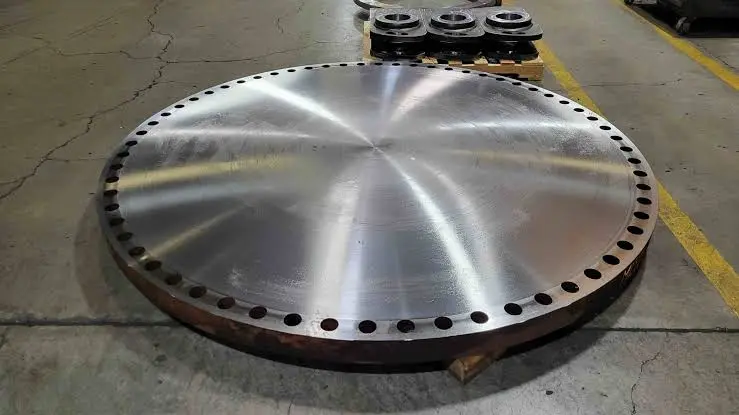
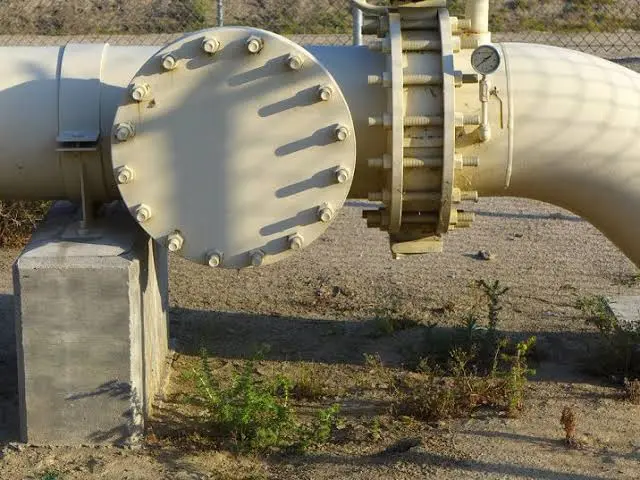
According to ASME B16.5 and B16.47 standards, blind flanges are made to withstand a lot of mechanical stress and can be used as removable barriers in piping networks. These parts don't have a center hole like weld neck or slip-on flanges, which makes them suitable for stopping flow at pipe ends. They experience pressure-induced bending stresses across the flange, while the gasket seating force is concentrated around the sealing area. These flanges let repair crews get to the inside of lines in petrochemical factories, water treatment plants, and offshore platforms without having to cut or weld. This cuts down on response time by a large amount.
Common Failure Modes and Their Root Causes
Flanges are exposed to situations in industrial settings that speed up their wear and tear. When bolts aren't tightened properly, they can create uneven mechanical loads and localized stress concentrations that may lead to cracking. After years of changes in pressure, material failure shows up, especially in Class 600 and higher pressure grades. These problems are made worse by things like humidity, extreme temperatures, and vibrations. To lower the risk, routine inspections must be done.
Early Warning Signs That Demand Immediate Attention
Visual signs often appear before a complete failure, which gives maintenance teams chances to step in and fix things.Surface discoloration often indicates chemical degradation or galvanic corrosion occurring between dissimilar metals. If the gasket protrudes past the flange face, it may indicate incorrect gasket dimensions, positioning, or installation. Rust streaks that spread out from bolt holes show that water is getting in and could cause the structure to fail. Pressure drops in certain areas show that there is a leak inside that might not be obvious yet. By keeping an eye on these signs, procurement managers can plan repairs for planned outages instead of emergency shutdowns, which helps them stick to project timelines and budgets.
Best Practices for Safe and Effective Blind Flange Inspection
Developing a Comprehensive Inspection Checklist
Structured evaluation procedures use more than one test method to make sure of the stability of the flange. Visual inspections check the condition of the surface by looking for cracks, holes, or deformations all over the gasket seating surfaces. MSS SP-6 guidelines specify requirements for flange facing finishes, and excessive scratches or surface damage can reduce sealing effectiveness. For dimensional proof, tools are used to compare the outside diameter, bolt circle diameter, and thickness to the original specs. Ultrasonic testing finds internal discontinuities, such as laminations or other flaws in forgings where stress may concentrate. Magnetic particle testing (MT) detects surface-breaking cracks invisible to the naked eye, which are most prevalent around high-stress bolt holes and the plate-to-rim transition.
Safety Protocols That Protect Personnel and Equipment
Procedures for isolation lay the groundwork for safe repair work. Before unbolting can start, the depressurization must be complete, which can be checked by reading the gauges and looking at the vent lines. Lockout-tagout systems keep power from being turned back on by mistake while inspection work is being done. When working with flanges from hydrocarbon services, you need to wear a face shield, gloves that can handle chemicals, and clothes that can resist flames. Gas testing makes sure that there aren't any flammable or dangerous gases in small spaces. These safety measures are in line with OSHA rules, demonstrate a commitment to worker safety, and help reduce liability risks for both contractors and building owners.
Adapting Inspection Frequency to Operational Demands
How often blind flanges need to be checked depends on how badly they are used. Because hydrogen can cause cracking, high-temperature hydrogen service in refineries may require more frequent inspection based on the applicable damage mechanism, risk assessment, and inspection program. Applications involving corrosive sour gas may require more frequent inspection to detect sulfide stress cracking and other applicable damage mechanisms, depending on the service conditions and inspection program. Less aggressive water services may be inspected annually when supported by the applicable inspection program and risk assessment. Effective blind flange maintenance also requires computerized maintenance management systems to keep track of review records and show degradation trends. This lets maintenance be planned ahead of time instead of just after something breaks. This method is based on data and makes the best use of resources, which helps engineering companies meet deadlines and keep costs under control.
Blind Flange Maintenance Procedures: Tools, Cleaning, and Gasket Care
Essential Tools for Precision Inspection and Repair
Accurate assessment and restoration depend on the right instruments. When torque wrenches are calibrated to the manufacturer's specifications, they stop flanges from being under-tightened, which can cause leaks, or over-tightened, which can damage them. Dial indicators check how flat the face of the flange is, finding any bending that seals can't fix. Thickness gauges keep track of how much corrosion allowance is left in carbon steel parts. Specialized gasket extraction tools remove metallic RTJ rings without gouging or scratching the precision-machined ring groove. Surface roughness testers make sure that the flange facing finish meets the applicable requirements of ASME B16.5. Buying good tools from reputable sellers lowers measurement mistakes that cause things to break down early or need to be replaced when they're still working fine.
Material-Specific Cleaning Strategies and Corrosion Control
To keep problems from happening, cleaning methods must be compatible with the metal used on the flange. Wire brushing and solvent degreasing are good ways to get rid of hydrocarbon residues on carbon steel flanges. To prevent localized pitting corrosion on stainless steel flanges, non-chlorinated solvents and chloride-free cleaning agents must be used. Protective coatings make things last longer in harsh environments after they have been cleaned. Zinc-rich primers protect carbon steel from galvanic corrosion when it is exposed to air. In process applications, chemicals can't damage epoxy coatings. Copper-nickel alloys used in marine applications generally require limited cleaning beyond the removal of marine growth. Putting rust inhibitors on before putting the parts back together protects them from moisture and air, especially when they are stored for a long time between turnarounds.
Gasket Selection and Installation Best Practices
How well the gasket works has a direct effect on how well the seal works under pressure. Low-pressure raised-face flanges in Class 150 through 300 services may use compressed fiber, graphite, or other suitable gasket materials depending on the pressure, temperature, and process medium. For higher-pressure and higher-temperature services, metallic gaskets such as ring-type joints may be selected when required by the flange design and service conditions. Material compatibility is important. Chemical breakdown can be avoided by choosing seals that are resistant to process media. For installation, the bolts must be tightened evenly in star patterns so that the manufacturer's recommended seating stress is met without going over the design limits of the flange. By keeping track of when to replace gaskets based on service cycles, you can stop them from breaking down over time, which is important for safety and protecting the environment.
Comparing Maintenance Approaches: Manual vs. Automated and In-House vs. Outsourcing
Evaluating Manual Versus Automated Inspection Technologies
With traditional hands-on methods, technicians use their knowledge and skills to find problems. Small engineering firms can use manual inspections because they are flexible in tight spaces and don't require a lot of money up front. But human factors add variation; being tired makes you less careful, and small mistakes might not be noticed. Automated systems that use robotic crawlers with built-in NDT sensors get consistent results and record them digitally so that trends can be analyzed. Phased array ultrasonic testing creates a complete map of the internal shape, while automated visible inspection systems find problems on the surface that a person's eyes might miss. Large operations that turn over hundreds of flanges per shift are more efficient, which makes the cost of automation worth it. However, important parts should still be checked by hand.
Weighing In-House Capabilities Against Outsourced Services
Having internal inspection teams in place helps keep an eye on quality and respond quickly to urgent needs. Operators get very familiar with the conditions of each plant and can predict trouble spots by looking at how things have worked in the past. This method works well for places where teams are busy all year doing repair work all the time. On the other hand, hiring specialized contractors lets you get improved tools and expert knowledge without having to pay set labor costs. Service providers take care of training, renewing certifications, and upgrading technology, so clients can focus on their main business. Contractors can also provide specialized services such as blind flange maintenance when required, helping plants maintain reliable connections and reduce inspection or repair delays. To meet tight schedules during big turnarounds, contractors quickly reduce the size of their teams and then demobilize them when the job is done. When procurement managers have to choose between cost and reliability, they often use mixed models. These keep basic capabilities while hiring specialized services for complex checks or times of high demand.
Real-World Applications Demonstrating Strategic Value
After working with an outside inspection company that specializes in automated UT scanning, a Gulf Coast plant cut the time it took to turn around by 30%. The contractor's phased array equipment checked 850 blind flanges over the course of three weeks and found twelve that had unacceptable wall loss that had been missed by hand inspection. A local water authority kept its own staff for routine checks every three months but hired outside experts for full annual reviews, allowing it to control costs while maintaining compliance. These examples show how matching the maintenance strategy to the size and complexity of the operation gets the best return on investment while lowering risks and costs over the lifecycle.
Procurement and Supplier Guidance for Blind Flange Maintenance Solutions
Critical Criteria for Evaluating Maintenance Component Suppliers
Choosing partners you can trust protects you from low-quality parts that could damage the system. Supplier certifications show how well quality management is developed. For example, ISO 9001:2015 proves process controls, and API Q1 registration shows competence in the oil business. Material traceability through mill test reports makes sure that the chemical make-up and mechanical properties meet the requirements. For parts to be interchangeable, their dimensional tolerances must match ASME standards. Support after the sale is also important; suppliers who offer professional help during installation or troubleshooting are more useful than those who only sell goods. Looking at the warranty terms shows that you have faith in the product's reliability, since reputable companies stand behind their parts with replacement guarantees.
Sourcing Quality Replacement Parts and Maintenance Kits
Complete repair kits make it easier to get the parts you need and make sure they work with each other. Full sets come with new seals, bolt sets, and protection coatings that are made to fit certain types of flanges and materials. Keeping common sizes in stock cuts down on lead times during unplanned repairs, which keeps production from being held up. By building relationships with distributors who offer stable supply chains, you can keep projects from being held up by a lack of materials. Using handheld XRF testers to positively identify materials makes sure that the composition of the alloy matches the paperwork. This stops fake materials from being installed before they are used. This step of checking is especially helpful when getting rare alloys like Inconel 625 or duplex stainless steel for corrosive uses, since using the wrong material could lead to a catastrophic failure.
Optimizing Maintenance Contracts and Long-Term Partnerships
Scheduled repair deals lock in fixed costs and make sure that technicians will be available when they're needed. Costs are spread out over several fiscal years with annual contracts that cover routine inspections. This makes budgeting for government infrastructure projects easier. Performance-based terms match the contractor's rewards with the client's goals, using measurable targets such as leak prevention, inspection quality, and system availability. Long-term relationships let suppliers learn about each client's unique needs and suggest upgrades before they become obsolete and need to be replaced quickly. Total cost of ownership goes down when you negotiate volume prices for large groups of flanges. This is especially helpful for EPC contractors who are handling multiple projects at the same time. With these strategic partnerships, suppliers become trusted advisors who offer knowledge that improves operational reliability in ways other than just providing parts.
Conclusion
For industrial operations to avoid leaks, unplanned downtime, and legal problems, strict blind flange maintenance procedures must be followed. Combining visual inspections with non-destructive testing helps identify deterioration before it develops into a serious failure, while proper cleaning and gasket care can extend component service life. When making strategic decisions about inspection methods and service models, the size of the facility, the needs of operations, and the budget should all be taken into account. Working with approved providers makes sure that you can get replacement parts of good quality and technical help when problems appear. By using these practices that have been shown to work, buying managers and maintenance teams can reduce risk while also making the best use of resources. This helps the plant run safely and efficiently for decades.
FAQ
1. How often should blind flange maintenance be performed?
Inspection frequency is dictated by operating severity, thermal cycling, and fluid corrosivity. Severe services (such as high-temperature hydrogen or sour gas) may require quarterly monitoring, whereas non-hazardous utility water lines typically undergo annual review. To successfully handle integrity threats, critical applications covered by API 570 may require more frequent inspection based on their service conditions, damage mechanisms, and risk assessment.
2. What causes blind flange leakage after reassembly?
Damaged gasket fitting surfaces, incorrect bolt torque sequences, or gasket materials that don't react well with process fluids are common causes. Uneven bolt tightening can leave gaps in the sealing interface, while reusing compressed gaskets that have lost their elasticity can weaken the seal under pressure.
3. Can maintenance occur without complete system shutdown?
Some maintenance activities may be performed under controlled conditions with appropriate isolation, but blind flange removal requires complete depressurization and an engineered isolation procedure.
Partner with RAYOUNG for Reliable Flange Solutions.
RAYOUNG makes blind flanges and other pipe parts that are precisely designed to meet the high standards of industrial blind flange maintenance programs. Our carbon steel and stainless steel flanges meet the requirements of ASME B16.5 and are backed by ISO 9001:2015 approval and strict quality control measures, such as checking the dimensions and being able to track down the materials used. In addition to selling high-quality fittings, we also help procurement teams choose the best parts for each service situation by giving them technical advice. Our knowledge can help you reach your maintenance goals whether you are in charge of turning around refineries, maintaining city infrastructure, or installing things offshore. Get in touch with our team at info@hb-steel.com to discuss your needs with a reliable blind flange provider that cares about safety, compliance, and business excellence.
References
1. American Society of Mechanical Engineers. "ASME B16.5: Pipe Flanges and Flanged Fittings NPS 1/2 Through NPS 24 Metric/Inch Standard." ASME International, 2020.
2. American Petroleum Institute. " API 570: Piping Inspection Code: In-Service Inspection, Rating, Repair, and Alteration of Piping Systems. "API Publishing Services, 2016.
3. Manufacturers Standardization Society. "MSS SP-6: Standard Finishes for Contact Faces of Pipe Flanges and Connecting-End Flanges of Valves and Fittings. " MSS Standards Practice, 2019.
4. Becht Engineering. "Flange Joint Integrity: Gasket Selection and Installation Best Practices." Journal of Pressure Vessel Technology, 2018.
5. Occupational Safety and Health Administration. "OSHA 1910.147: The Control of Hazardous Energy (Lockout/Tagout) Standards." U.S. Department of Labor, 2021.
6. National Association of Corrosion Engineers. "NACE SP0198: The Control of Corrosion Under Thermal Insulation and Fireproofing Materials." NACE International Standards, 2017.

Need a quote? Want to see samples? Just say hello. We’re friendly. We’re fast. And we’re ready when you are.
Welcome to RAYOUNG – Strong Pipes, Stronger Promise