Large Diameter Steel Pipes: Manufacturing and Industrial Applications
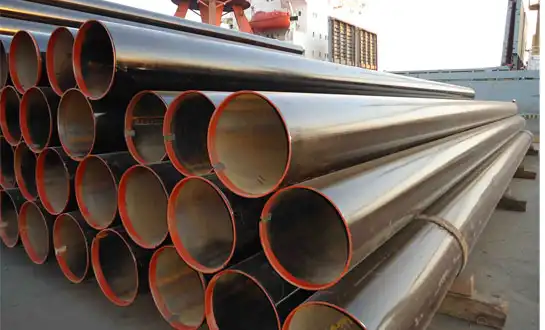
Large diameter steel pipes form the structural foundation of global infrastructure, enabling efficient transport of water, petroleum, natural gas, and industrial chemicals across thousands of miles. These robust tubular products range from 16 inches to over 80 inches in outside diameter, engineered to withstand extreme pressure fluctuations, corrosive environments, and temperature variations that would compromise lesser materials. At RAYOUNG, we've collaborated with premier manufacturing facilities since 2006, delivering certified piping solutions that meet the exacting demands of EPC contractors, government infrastructure programs, and industrial end-users throughout the United States.
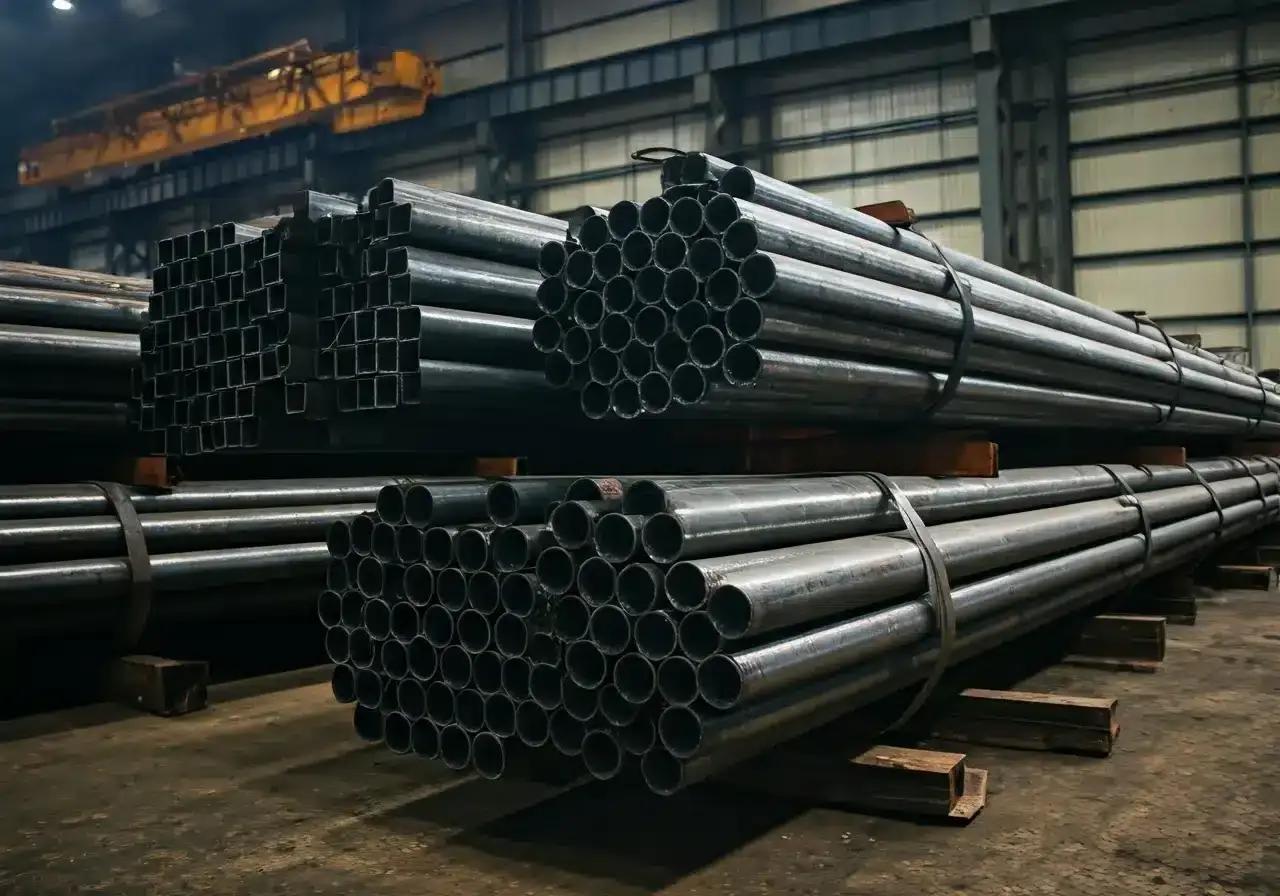
Understanding Large Diameter Steel Pipes: Types, Sizes, and Standards
Before you can choose the right piping solutions, you need to know the basic classifications that govern performance and regulatory compliance.
Seamless vs. Welded Pipe Construction
Seamless pipes are made by hot extrusion or piercing, which creates uniform cylindrical shapes without longitudinal joints. Because this process does not involve longitudinal weld seams, seamless pipes are often considered for critical applications involving high pressures or demanding temperature conditions. Welded pipes are made from flat steel plates or coils that are shaped into tubes and then joined together with longitudinal or circular seams using different types of welding. Welded versions are often less expensive than seamless versions, but they work well across a wide range of pressure applications where the applicable specification permits welded construction.
Material Grade Classifications
Carbon steel is still the most popular choice for big diameter uses because it has a good strength-to-weight ratio and is cheap. ASTM A53 covers both seamless and welded black or galvanized pipes and is useful for a wide range of situations. Line pipe for moving oil and natural gas is governed by API 5L standards. There are different types of line pipe, from X42 to X80 for high-stress pipeline routes. ASTM A106 covers seamless carbon steel pipe for high-temperature service. This standard is required for process lines in refineries and steam systems in power plants.
In chemical working settings where carbon steel would break down too quickly, stainless steel pipes are better at resisting corrosion. Hot-dip galvanizing coats steel pipes with zinc, which can significantly extend service life in suitable outdoor environments compared with uncoated steel pipes.
Dimensional Standards and Size Classifications
Nominal Pipe Size (NPS) refers to standardized diameter names instead of exact measurements. No matter how thick the wall is, a pipe marked NPS 24 has an outside diameter of 24.000 inches. Schedule numbers designate standardized wall thicknesses for a given nominal pipe size. For example, Schedule 40 and Schedule 80 represent different wall thicknesses, while double extra-strong refers to a heavier wall designation used for applications requiring greater pressure capacity. International standards, such as API 5L, ASTM A252, and EN 10219, define requirements for specific pipe applications, including applicable dimensions, materials, and mechanical properties, helping ensure consistent product performance.
Manufacturing Processes for Large Diameter Steel Pipes
Modern production facilities use complex methods that determine the final product's features and how well it works.
Seamless Pipe Production Methods
Round steel billets are heated to approximately 2,200°F in rotary heating furnaces to start the manufacturing process. A piercing mill pushes a pointed mandrel through the middle of the billet. This makes a hollow shell that can be stretched by rotating in pilgering or plug mills. This rotary elongation process reduces wall thickness while extending the hollow shell, providing precise dimensional control over diameter and schedule.After stretching, the pipe may undergo heat treatment such as normalizing or normalizing and tempering, depending on the applicable material specification and grade. Final steps include straightening, ultrasonic testing to look for internal flaws, and hydrostatic pressure testing to verify pressure integrity.
Seamless pipes provide relatively uniform mechanical properties across their cross-section because they do not contain longitudinal weld seams. This construction can be advantageous in critical infrastructure applications where weld-related quality variations are a specific concern.
Welded Pipe Manufacturing Techniques
Electric Resistance Welding (ERW) is the most common way to make things with sizes up to 24 inches. Forming rolls move steel coils through the mill, shaping the flat material into cylindrical tubes. High-frequency electrical current heats up the seam lines in a specific area, which lets forge welding under pressure happen. The dimensions of ERW pipes are very consistent, and the inside surfaces are smooth, which reduces the resistance to flow.
Submerged Arc Welding (SAW) is utilized for large-diameter applications ranging from 16 to over 80 inches in outside diameter. When pipes are longitudinally welded (LSAW), individual plates are formed into tubes with longitudinal seams. When pipes are spirally welded (SSAW), a continuous coil is used to shape the metal into helix patterns. During welding, granular flux blankets protect the molten metal from airborne contaminants. This process can produce high-quality joints with strength approaching that of the parent material.
Quality Control and Testing Protocols
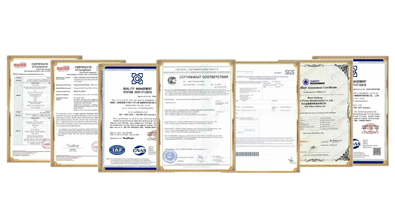
Strict inspection processes protect project quality and the money spent on them. Ultrasonic testing uses high-frequency sound waves to find problems below the surface that can't be seen with the naked eye. Radiographic inspection keeps permanent records of the quality of the weld for use in regulatory paperwork. Each pipe is subjected to hydrostatic testing at the pressure specified by the applicable product standard to verify pressure integrity before shipment. Our manufacturing partners also maintain ISO 9001:2015 certification along with GOST-R and SGS documentation, supporting consistent quality control and project risk management.
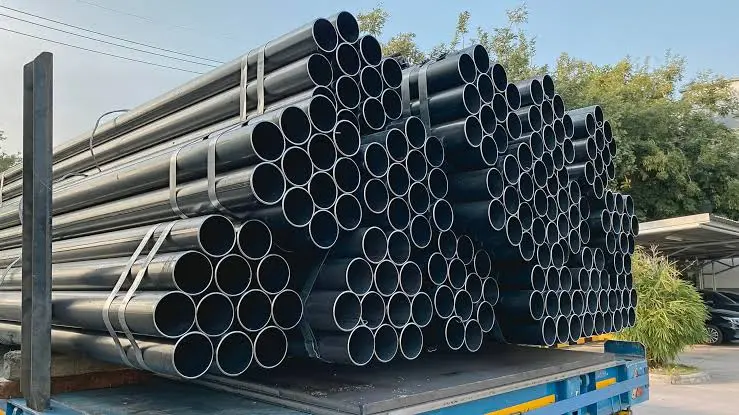
Industrial Applications and Benefits of Large Diameter Steel Pipes
These engineered products have measurable benefits in many areas where dependability has a direct effect on keeping operations running and making money.
Oil and Gas Transmission Infrastructure
Long-distance oil pipelines that go through different types of landscapes need large-diameter pipes that balance the amount of flow with the cost of installation. A 36-inch diameter pipeline moves more than 400,000 barrels of crude oil every day over 500 miles, meeting the world's energy needs while making the best use of capital investment. Pipes rated for pressures up to 1,440 psi are used in natural gas gathering systems that connect wellheads to processing plants. These pipes safely carry volatile fuels through transportation networks.
Municipal Water Distribution Systems
More people living in cities means that more water needs to be moved, and large diameter pipes do this job well. When cities replace old infrastructure, they choose pipes that are lined with cement or coated with epoxy. These pipes don't rust inside and keep working well for decades. A 48-inch water transmission main can carry 50 million gallons of water every day, providing service to both industrial and residential areas through a single set of infrastructure. The strong construction can handle ground movement, heavy traffic, and yearly freeze-thaw cycles without breaking down.
Chemical and Petrochemical Processing
Process pipe systems move corrosive fluids, high-temperature fumes, and abrasive slurries in refineries and chemical plants. The choice of steel pipes has a direct effect on the cost of upkeep and the number of unexpected shutdowns. When transporting sulfurous compounds or acidic media, seamless pipe eliminates the risk of preferential weld seam attack and heat-affected zone cracking. Proper material specification stops catastrophic failures that put people and the groups around them in danger.
Construction and Structural Applications
Pipe piles are used to support the foundations of bridges, marine structures, and tall buildings in difficult soil. Building loads are moved through weak layers on the surface by large-diameter piles driven into the rock. This stops differential settlement. When structural tubing is used for building frames, conveyor supports, and equipment platforms, its high strength-to-weight ratio can reduce material requirements while maintaining the required load capacity.
The real benefits of these uses are long service lives that lower the total cost of ownership, pressure capabilities that help prevent leaks and maintain safe operation, and rust resistance that keeps flow rates high throughout the lifecycles of assets. When projects are finished on time and with reliable piping parts, delays that cost a lot of money, hurt contractors' reputations, and cut into profits are avoided.
Comparison and Selection Guide: Choosing the Right Large Diameter Steel Pipe
When choosing strategic materials, it's important to weigh the needs of the short-term budget with the needs of long-term performance and upkeep.
Seamless vs. Welded Pipe Trade-offs
Seamless pipes cost more, but they do not have longitudinal weld seams and therefore avoid weld-related inspection and seam-integrity considerations. Welded options work well for moderate-pressure services where lower prices are more important than differences in performance. When deciding which building method is the best value, procurement workers should look at the pressure levels, temperature exposure, and corrosion potential. A refinery steam line that works at 850 psi and 650°F may require seamless pipe depending on the applicable design and material specifications, while a city water main that works at 150 psi can often use welded construction when permitted by the applicable standard.
Carbon Steel versus Stainless Steel Considerations
While carbon steel remains cost-effective for non-corrosive hydrocarbons and municipal utilities, aggressive chemical environments often justify stainless steel. For example, in phosphoric or sulfuric acid processing, stainless steel pipe can deliver more than 20 years of maintenance-free service, whereas unprotected carbon steel would require replacement every 5 to 7 years. In high-purity chemical processing where lining contamination cannot be tolerated, the higher upfront cost of stainless steel is readily offset by eliminating downtime and premature replacement.
Coating and Corrosion Protection Options
Coatings on the outside of something make it last longer in soil and air. Three-layer polyethylene is very resistant to wear and tear during transport and installation, and fusion-bonded epoxy is better at sticking to surfaces and resisting chemicals. Hot-dip galvanizing adds a sacrificial zinc layer that corrodes preferentially, helping protect the underlying steel in suitable outdoor environments. Internal coatings can also smooth the pipe surface, improve flow, and reduce scale buildup.
The way the market works now is affected by changes in the price of steel, the supply of raw materials, and the use of production capacity. Teams in charge of buying things keep an eye on these trends and use strategic timing and a variety of suppliers to get prices that are competitive. For specialized grades with lead times of 12 to 16 weeks, planning ahead is needed to make sure that material delivery times work with building plans.
Procurement Best Practices for Large Diameter Steel Pipes
Effective buying methods keep costs down, make sure regulations are followed, and limit delays in the supply chain.
Supplier Evaluation Criteria
Third-party certifications and compliance documentation, such as API monograms, PED compliance for European markets, and applicable ASME certifications for pressure equipment, can provide evidence of a manufacturer's quality management and compliance capabilities. OEM capabilities that support custom sizes, special alloys, or proprietary heat treatments give you more options for projects that have specific needs. Delivery efficiency during times of high market demand is affected by how stable a supplier's finances are and how much they can produce.
We work together with certified facilities that have ISO 9001:2015 quality management certification and export compliance paperwork that includes GOST-R certification and SGS inspection or testing documentation. This network of suppliers gives you access to a wide range of products while keeping quality standards the same across all channels of sourcing.
Order Quantity and Logistics Management
Minimum order amounts are based on how much it costs to make and ship the goods. Full truckload orders save the most money on freight costs, and 40-foot trailers can hold about 25 tons of large diameter pipe. Ocean freight is used for international projects that need to ship containers or break-bulk. Depending on the route, transit times can be anywhere from 3 to 6 weeks. Accurate demand forecasting that takes into account factory plans, inspection delays, and shipping factors is the first step in managing lead times.
Customization and Value Optimization
Custom cutting, beveling, and fitting services cut down on the need for on-site workers and speed up the installation process. By agreeing to work on a lot of different projects together, you can get better market prices that help you stand out from the competition. Negotiation tactics that focus on long-term partnerships instead of one-time purchases help build relationships with suppliers that give you first choice when supplies are low.
Our buying experts help customers create specifications, choose suppliers, and negotiate contracts. They make sure that the materials they buy meet strict quality standards and are delivered on time and within budget.
Conclusion
Large diameter steel piping systems are big investments that affect how well they work, how safe they are, and how much they cost to maintain over their many-decade service lives. Procurement pros can make smart choices when selecting steel pipes by balancing competing goals based on manufacturing methods, material properties, and the needs of specific applications. Strategic partnerships with suppliers that offer certified products, the ability to customize, and quick technical support help lower project risks and raise the total cost of ownership. The infrastructure that supports water distribution, energy transfer, and industrial processing relies on these engineered goods working effectively in tough situations that won't allow any mistakes.
FAQ
1. What factors determine whether seamless or welded pipes suit my application?
The main thing that is used to make decisions is the pressure rating. When pressure or temperature conditions become more demanding, seamless construction may be selected depending on the applicable design code, material specification, and project requirements. Welded pipes work well for moderate-pressure applications where cost is a factor in the material choice. In corrosive settings, seamless pipes may be considered when weld-related corrosion or weld integrity is a specific concern. However, properly specified welded pipes can also provide reliable corrosion resistance when appropriate materials and coating systems are used.
2. How do I verify compliance with international quality standards?
Ask for mill test certificates that list the chemical make-up, mechanical properties, and size measurements of each production lot. Third-party inspection agencies check that specifications are being followed in an independent way. Supplier certificates like API monograms, ASME stamps, and ISO 9001:2015 quality management show that quality control is done in a planned way. Physical testing at receiving facilities confirms that the properties of the material match what was written down.
3. What maintenance practices extend pipe service life?
External coats need to be checked for damage that leaves base metal open to chemical attack on a regular basis. For underground pipeline cathodic protection systems to keep working, the voltage needs to be checked and the anodes need to be replaced. Smart pigs are used for internal checks to find wall thinning, rust, and cracks before they break. Correct placement methods, such as leaving enough space between supports and accounting for growth, stop stress concentration that leads to early failure.
Partner with a Trusted Steel Pipe Supplier for Your Next Project
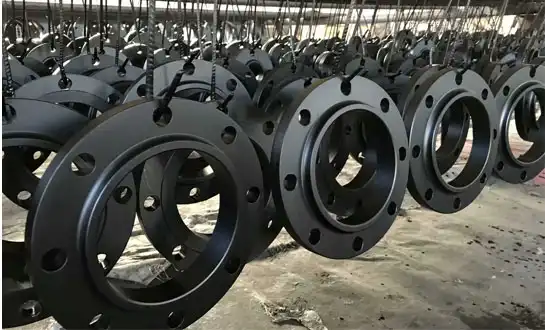
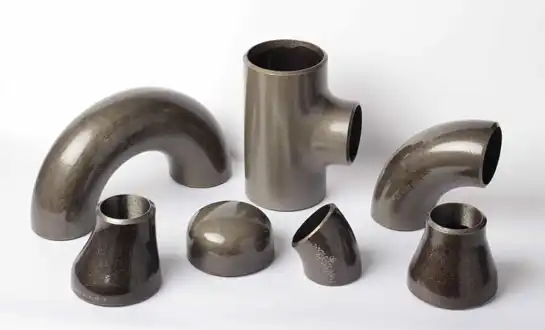
RAYOUNG offers complete piping solutions and has been exporting to EPC contractors, government infrastructure programs, and industrial facilities all over the United States for almost twenty years. Large-diameter carbon steel pipes, seamless high-pressure versions, and full fitting systems with butt-weld elbows, reducers, and flanges made to ASTM, API, and EN standards are all in our certified product line. In addition to providing high-quality materials, we also offer expert advice that helps you choose the best pipes for each situation. This way, you can be sure that your infrastructure investments will last and work well for a long time.
As proof of their dedication to consistent product quality that meets international purchasing standards, our production partners hold ISO 9001:2015 quality certification along with GOST-R and SGS export validation. Whether your project needs unique sizes, faster shipping times, or specific grades of materials, our procurement specialists create custom solutions that fit your project's budget and time frame.
Get in touch with us at info@hb-steel.com to talk about your needs for big diameter steel pipe. We'll give you detailed technical specifications, competitive quotes, and expert advice that will turn your tough procurement problems into easy sourcing wins.
References
1. American Petroleum Institute (2018). Specification for Line Pipe, API 5L, 46th Edition. Washington, DC: API Publishing Services.
2. ASTM International (2020). ASTM A106/A106M-20: Standard Specification for Seamless Carbon Steel Pipe for High-Temperature Service. West Conshohocken, PA: ASTM International.
3. Bai, Y. & Bai, Q. (2014). Subsea Pipeline Design, Analysis, and Installation. Oxford: Gulf Professional Publishing.
4. Mohitpour, M., Golshan, H. & Murray, A. (2007). Pipeline Design & Construction: A Practical Approach, 3rd Edition. New York: ASME Press.
5. Palmer, A.C. & King, R.A. (2008). Subsea Pipeline Engineering, 2nd Edition. Tulsa: PennWell Corporation.
6. Revie, R.W. (2015). Oil and Gas Pipelines: Integrity and Safety Handbook. Hoboken: John Wiley & Sons.

Need a quote? Want to see samples? Just say hello. We’re friendly. We’re fast. And we’re ready when you are.
Welcome to RAYOUNG – Strong Pipes, Stronger Promise