Comprehensive Guide to 45-Degree Pipe Elbows in Industrial Systems
In industrial piping design, the 45-degree elbow stands as a crucial component that balances flow efficiency with directional flexibility. Pipe elbows facilitate smooth transitions between pipeline sections while reducing turbulence and minimizing pressure drops compared to sharper bends. The 45-degree configuration excels in applications where gradual directional adjustments preserve system performance without sacrificing structural integrity. From upstream oil extraction to downstream chemical processing, these fittings support critical infrastructure by maintaining reliable fluid transport across demanding operational environments. Understanding their design, material properties, and installation requirements empowers procurement professionals to specify solutions that deliver long-term value.
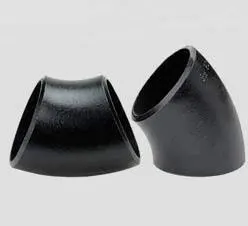
Understanding 45-Degree Pipe Elbows: Functionality and Types
The 45-degree pipe elbow is used in industry because it lets pipes change directions in a moderate way without putting too much stress on them. The 45-degree elbow is different from the 90-degree elbow because it allows for smoother flow redirection, which lowers turbulence and increases the equipment's lifespan. This design benefit is very useful in places like water treatment plants, HVAC distribution networks, and chemical transport systems where keeping the flow smooth saves energy and makes the work safer.
Material-Based Classification of Pipe Elbows
Because they are strong for the price, carbon steel pipe elbows are most often used in high-pressure situations. The managed carbon content makes them stronger while still allowing them to be welded. This makes them good for use in steam lines, gas distribution, and other industry settings. Stainless steel types have chromium and nickel alloys that make them resistant to oxidation and chemical attack. This means they last longer in places where corrosion is common, like on offshore platforms and in pharmaceutical manufacturing. Cast iron choices last longer in low-pressure water and drainage systems, while PVC elbows work well in business buildings for moving fluids that don't corrode.
Construction Methods and Standards Compliance
When hot-forming methods are used to make seamless pipe elbows, longitudinal welds are not present. This can provide a continuous construction without a longitudinal weld, while the pressure capacity depends on the material, wall thickness, temperature, and applicable design code. The GOST 17375 specification for seamless pipe elbows spells out the size ranges and materials that must be used in situations where dependability is needed while temperature changes and mechanical stress are present. Welded elbows are a cheap option for moderate-pressure systems, but buyers should check the paperwork for radiographic tests to make sure the joint is solid. ASME B16.9 sets the size requirements for butt weld fittings. It says that angular tolerances for 45-degree configurations must be ±1°, and it also says how much an item can be out of roundness to make sure it fits correctly during installation.
Long-Radius Versus Short-Radius Configurations
Long-radius elbows have centerline radii that are 1.5 times the nominal pipe diameter, which generally provides better hydraulic performance by allowing a more gradual change in flow direction. This configuration can also help reduce wear in slurry transport systems and pumping energy requirements in local water networks. Short-radius elbows can fit in tight spaces, but they lose more pressure, so they should only be used when the size of the pipe is more important than how efficiently it uses hydraulics. When selecting elbow configurations, piping engineers must balance spatial constraints in the piping layout against long-term hydraulic efficiency targets.
Manufacturing and Material Considerations for 45-Degree Pipe Elbows
The way pipe bends are made has a direct effect on their mechanical qualities and dependability. Mandrels are utilized during the hot-push forming process to maintain dimensional circularity throughout the curve and minimize wall thinning along the extrados.Forging refines and improves the grain structure, which can increase impact resistance. This can be useful in locations subject to significant vibration, such as pump stations. Casting works well for large diameters and complex shapes, but it needs to be tested with ultrasound to find any internal holes that could make pressure control less effective.
Quality Indicators in Elbow Manufacturing
Bend consistency ensures that wall thickness is distributed uniformly, preventing localized stress concentrations that accelerate fatigue failure. Coordinate measuring tools are used by advanced makers to make sure that the sizes they use meet international standards. For butt weld connections, the stability of the joint rests on how accurately the bevels are cut. If the angular deviations are excessive, they can lead to partial fusion and possible leak routes. Preparing the surface, such as by sandblasting or applying anti-corrosion coatings, keeps the base metal from breaking down in storage or while it is being used.
Carbon Steel Performance Characteristics
Elbows made of carbon steel, including pipe elbows manufactured to meet standards like ASTM A234 WPB, can be used across a wide range of temperatures, subject to the applicable material requirements and design code limits. The material is flexible, which makes it easier to make field adjustments while keeping the structure's stability when it expands or contracts due to heat. Higher-strength carbon steel grades can provide greater mechanical strength, but limited heat input is needed during welding to keep the heated area from becoming weak. Before accepting shipments, people in charge of procurement should check mill test papers that list the chemical makeup and mechanical properties of the goods.
Alloy Steel for Demanding Environments
Chromium-molybdenum alloy steels provide exceptional high-temperature tensile strength and creep resistance, making them ideal for refinery catalytic cracking units and power plant steam lines. However, for sour service applications containing H2S, their hardness and microstructural suitability must strictly comply with NACE MR0175/ISO 15156 limits. These materials work well for pipes in refineries that handle catalytic cracking streams and delayed coker uses. Alloying elements such as vanadium can improve selected mechanical properties, but materials for liquefied natural gas service must be evaluated for the required low-temperature toughness. When choosing materials, you should look at design rules like ASME B31.3 that spell out the bare minimum needs based on the fluid's properties and the conditions of use.
Installation Best Practices and Performance Optimization
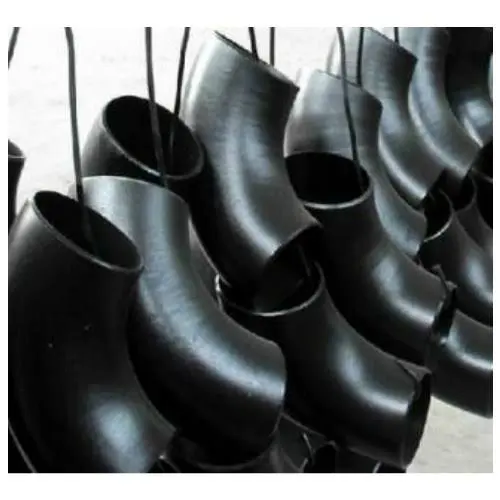
The right way to install something has a direct effect on how reliable it is and how much it costs to maintain over the life of the building. Threaded elbows need thread sealer that is compatible with the fluids being moved and torque values that keep the sealing surfaces from galling without breaking them. Butt weld installations need qualified welders who follow approved procedures that control the temperature between passes and the time for heat treatment after the weld.
Step-by-Step Installation for Butt Weld Elbows
Prepare the ends of the pipes by milling bevels that match the shape of the elbow, which is usually 37.5 degrees with a 1.6 mm root face. Align the parts by using outside clamps that keep them centered while letting the heat expand as they cool. At 90-degree intervals, tack welds stop the piece from rotating during root-pass welding. Finish the joint using certified welding techniques, and then use radiographic or ultrasonic testing to make sure the inside is sound. Before it is put into service, leak-tightness is confirmed by hydrostatic testing at the pressure specified by the applicable piping design code.
Hydraulic Performance Comparison
The 45-degree elbow redirects flow more gradually and generally causes less pressure loss than a comparable 90-degree elbow, although the actual difference depends on elbow geometry and flow conditions. This benefit lowers the amount of horsepower needed for pumping in long-distance pipelines and keeps operating costs low over the life of the facility. When a gradual change in direction is required, two 45-degree elbows can be used instead of one 90-degree fitting, but the total pressure loss should be evaluated based on the geometry and flow conditions.
Maintenance Strategies for Extended Service Life
Visual inspections should be used to check the state of the coating on the outside and find early signs of corrosion that show the covering is breaking down faster. Ultrasonic thickness readings keep track of the remaining wall thickness in places where erosion is likely to happen. This lets replacements be planned ahead of time, before failure happens. Observed wear rates mean that inspection times for piping systems that handle abrasive slurries need to be shortened, and recorded trends help with planning maintenance budgets.
How to Choose the Right 45-Degree Pipe Elbow for Your Industrial Needs?
When choosing the right fittings, you have to balance technical needs with delivery dates and budget limits. The pressure ratings on elbow bodies indicate the maximum allowable pressure at specified temperatures. These ratings are based on the features of the material and estimates of the wall thickness according to ASME standards. Size compatibility ensures that the elbow matches the adjacent pipe dimensions, preventing misaligned schedules that make assembly harder and cause stress to build up.
Evaluating Supplier Certifications
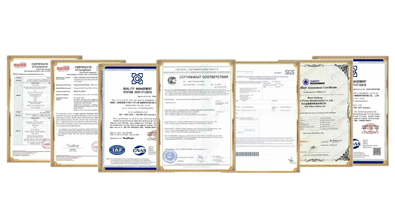
Reliable suppliers give mill test reports that show chemical analysis, tensile testing, and impact testing that were done on production lots. Obtaining ISO 9001:2015 certification shows that you have quality control systems that make sure products always meet standards. Before approving large purchases, buyers should check that the goods meet GOST-R standards for the Russian market and that SGS inspection reports can verify that the dimensions meet the specified requirements.
Material Selection Decision Framework
When chloride levels, acidity, or other corrosive conditions exceed the limits suitable for carbon steel, stainless steel pipe elbows may provide better corrosion resistance. The higher initial price can be justified when it reduces replacement and downtime costs in corrosive service. For temperature cycling applications, seamless construction can eliminate longitudinal weld zones, but material selection and thermal stress analysis are still required. When working with non-aggressive fluids, projects that are trying to stay within their budget can use welded carbon steel pipe elbows that meet ASTM A234 standards.
Comparing Connection Methods
With threaded elbows, you can put things together in the field without a hot work permit, which cuts down on installation work in crowded plant areas. Adequate thread engagement helps provide a secure connection, but resistance to loosening under vibration also depends on the thread type, installation torque, sealing method, and service conditions. Applicable pressure limits depend on the fitting standard, material, temperature, and service conditions. Butt weld joints can provide strong, leak-tight connections when properly designed, welded, and inspected, making them ideal for high-pressure steam lines and hydrocarbon service. Socket weld bends work well for small-bore instrumentation pipes where their compact design and ease of alignment are advantageous.
Procurement Guide and Market Insights for 45-Degree Pipe Elbows
Quality assurance, shipping dates, and the total cost of ownership must all be balanced for procurement to go well. Established providers keep a wide range of popular sizes in stock, which lets them quickly meet repair emergencies and tighten project schedules. Custom production can handle non-standard sizes and unusual materials, but long lead times—often 12 to 16 weeks—need to be planned for ahead of time during the project engineering stages.
Pricing Dynamics and Cost Optimization
A significant portion of an elbow's price is typically influenced by raw material costs. Nickel and molybdenum alloys make premium grades cost many times what carbon steel baselines do. The number of pieces made affects the unit cost because setup costs are spread out over more orders, which lowers the charge per piece. Transportation from factories to job sites adds 8–15% to landing costs. This encourages regional sourcing strategies that balance price benefits with the costs of keeping supplies.
Emerging Industry Trends
Nitrogen-strengthened austenitic stainless steels are used in new materials that make structures lighter while keeping their strength. This lowers the cost of installation setup. Duplex stainless types are resistant to corrosion and have strengths that are close to those of carbon steel. This allows nominal wall thicknesses to be reduced without compromising pressure integrity, achieving significant raw material savings. Digital procurement platforms connect databases of specifications to lists of suppliers. This makes compliance checks automatic and speeds up the bid review process.
Environmentally friendly paints that don't contain hexavalent chromium are becoming more popular because of pressure from regulators. Digitizing the supply chain lets you see the status of production and track shipments in real time. This cuts down on the need for safety stock and makes it easier to manage project cash flow. Buyers can get a competitive edge by working with suppliers early on in the design process and using their technical knowledge to make sure that specifications are optimized for cost and ease of production.
Conclusion
The 45-degree pipe elbows have been used successfully in many industrial settings because they balance hydraulic efficiency with installation freedom. Long-term dependability and lifecycle costs depend on the materials used, the quality of the manufacturing, and the right way to install them. Procurement pros lower the risk of a project by working with certified providers who show they are technically competent by providing detailed paperwork and quick customer service. Choosing products that meet standards makes sure that you follow the rules and allows for global sourcing strategies that help you meet your delivery and budget goals.
FAQ
1. What distinguishes 45-degree from 90-degree pipe elbows in system design?
The 45-degree elbow redirects flow more gradually and generally causes less pressure loss than a comparable 90-degree elbow, although the actual difference depends on elbow geometry and flow conditions. This hydraulic advantage lowers the cost of pumping in long pipelines and stops erosion in flows with a lot of particles. When a right-angle turn is needed, two 45-degree elbows are often connected in series to get a 90-degree total deviation and better flow properties. When space is limited, setups that don't care about energy economy prefer single 90-degree elbows, even though they have higher pressure losses.
2. How do seamless elbows compare to welded alternatives?
With seamless construction, there are no longitudinal weld joints, so the strength is the same all the way through, and there are no possible weak spots at the fusion zones. This way of making things works well for high-pressure uses and thermal cycling, where weld heat-affected areas could get fatigue cracks. Welded elbows are cheaper for moderate-pressure systems, but the quality depends on how well the welding process is done and how rigorous the non-destructive testing is. For important service uses where failure would have serious effects, buyers should ask for seamless construction.
3. When does stainless steel justify additional investment over carbon steel?
When corrosion-related upkeep costs and replacement frequency are higher than the original price differences, stainless steel becomes economically viable. Stainless alloys are often selected for their corrosion resistance and cleanability in applications exposed to chlorides, acidic conditions, or stringent hygiene requirements. Carbon steel that is covered by coatings and cathodic protection works well in mild settings and costs a lot less to buy.
Contact RAYOUNG for reliable pipe elbow solutions.
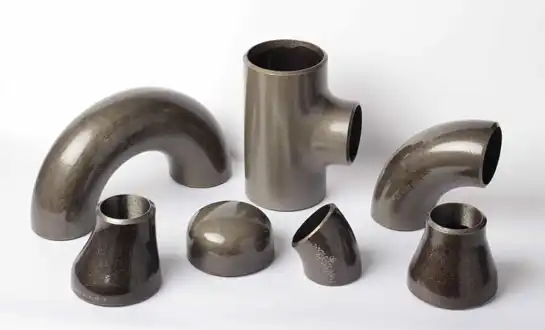
RAYOUNG offers butt weld elbows, reducers, and flanges that are made for commercial use and meet international standards such as ASME B16.9, GOST 17375, and applicable ISO standards. Our large inventory includes carbon steel, stainless steel, and alloys in diameters ranging from ½ inch to 60 inches, so we can help with projects big and small, from local installations to international infrastructure projects. Our ISO 9001:2015 certification and SGS proof show that we are dedicated to providing consistent quality that lowers the risk of your project and meets tight delivery dates.
As a reliable company that makes pipe elbows for EPC contractors, distributors, and end users all over the world, we know how hard it is to make choices about procurement that balance technical compliance with budget and time limits. Our technical team gives advice on the right material, pressure rating, and connection method for each application so that the system works at its best throughout the lifecycle of the facility. RAYOUNG has reasonable prices, solid certifications, and helpful customer service, so you can rely on them whether you need standard parts or custom designs for unique uses. Email us at info@hb-steel.com to talk about your needs and get thorough quotes that fit your project requirements.
References
1. American Society of Mechanical Engineers. (2018). ASME B16.9: Factory-Made Wrought Buttwelding Fittings. New York: ASME Press.
2. Russian Federal Agency on Technical Regulating and Metrology. (2001). GOST 17375-2001: Steel Pipe Fittings - Technical Requirements. Moscow: Standards Publishing.
3. Smith, J. R., & Anderson, T. L. (2020). Piping Systems Design and Engineering: A Practical Guide. Houston: Gulf Professional Publishing.
4. International Organization for Standardization. (2019). ISO 9001:2015 Quality Management Systems - Requirements. Geneva: ISO Central Secretariat.
5. Davis, M. E. (2017). Materials Selection for Corrosion Resistance in Process Industries. Materials Park: ASM International.
6. Chen, H., & Williams, P. D. (2021). Pressure Vessel and Piping Design: Collected Papers on Technology and Standards Development. New York: American Society of Mechanical Engineers.

Need a quote? Want to see samples? Just say hello. We’re friendly. We’re fast. And we’re ready when you are.
Welcome to RAYOUNG – Strong Pipes, Stronger Promise