Slip-On Flanges in Water Treatment Facilities
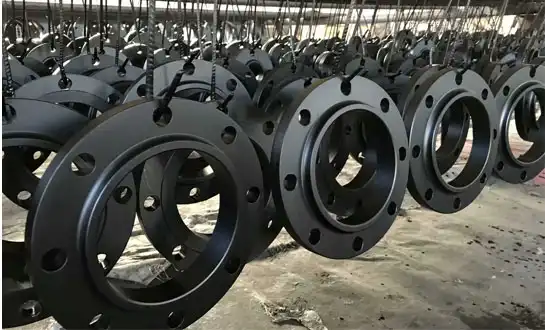
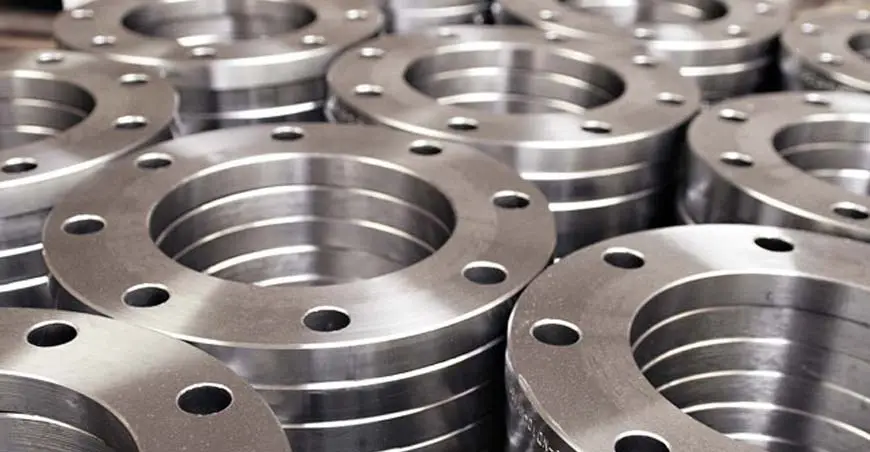
Water treatment facilities rely on slip-on flanges as essential components that streamline pipe connections while maintaining system integrity. These versatile flange solutions are installed by simply slipping them over the pipe ends, where they are then securely fastened using inner and outer fillet welds followed by standard bolted connections. The design of slip-on flanges allows direct and secure pipe connections that can withstand moderate-pressure and temperature conditions commonly found in water treatment systems without leaking or bursting. Engineers who work with water treatment and procurement managers like how cost-effective, easy to install, and reliable they are in a wide range of urban and commercial settings.
Understanding Slip-On Flanges in Water Treatment Applications
Design Features and Material Selection
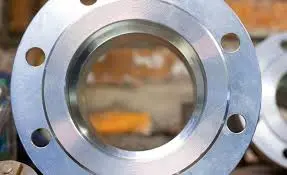
Pipes used in water treatment systems need to be strong and not rust so that they can maintain their structural integrity under various operating conditions. Slip-on (SO) flanges have a hole that is just a bit bigger than the outer diameter of the connecting pipe. This makes fitting easier through a dual-weld arrangement. This design uses fillet welds on both the inside and the outside to make joints that provide reliable sealing when properly installed and can handle the mild pressures that are common in water treatment applications.
The choice of material is very important for how well flanges work in water treatment settings. For general utility uses, carbon steel flanges are a great balance of strength and cost. Stainless steel flanges, on the other hand, are better at resisting rust in water systems that have been cleaned with chemicals. Whether to use ASTM A105 carbon steel or 316L stainless steel relies on the type of water, the temperature range, and the cost of upkeep over time.
Pressure Ratings and Standards Compliance
Different pressures are used in water treatment plants, so the flanges they use have to meet certain performance standards. ASME B16.5 specifies pressure classes ranging from Class 150 to Class 2500, which controls slip-on flanges made for North American markets. Class 150 or 300 grades are used for most water treatment uses because they work with most system pressures and keep costs low.
Following ASME B16.5, DIN, and other applicable standards ensures that all providers provide the same accurate measurements and materials. These standards spell out important details, like the distance between bolt holes, the thickness of the flange, and the size of the raised face, that make sure the seal fits properly and the joint stays together. Standard-compliant flanges are recommended by procurement teams to make sure they work with current equipment and make installation easier.
Comparing Slip-On Flanges with Other Flange Types for Water Treatment
Performance Characteristics Analysis
When designing a water treatment system, the type of flange that is used must be carefully thought out based on operating needs and cost considerations. Slip-on flanges work great in moderate-pressure situations where fast fitting and easy adjustment are more important than the highest pressure they can handle. Because of how they're made, they can be cut to different lengths of pipe, so they don't need to be beveled precisely like weld-neck flanges do.
Weld neck flanges are stronger for high-pressure uses that need it, but they are harder to install correctly and cost more in materials. For pipeline terminations, blind flanges are the specific and necessary choice. Conversely, slip-on flanges excel during assembly because they can be freely rotated prior to welding, ensuring rapid and flawless bolt hole alignment. Threaded flanges are commonly used in low-pressure, non-cyclic service where welding is undesirable, but they can't be used in places where vibrations are common.
Cost-Effectiveness Comparison
Procurement professionals must balance initial costs against long-term operational expenses when selecting flange types. The following comparison highlights key economic considerations:
- Slip-on flanges: They are a cost-effective choice for public water lines and cooling systems because they require less welding, cost less, and are easier to connect.
- Weld neck flanges: Higher initial costs, but they last longer and are more resistant to stress in high-pressure uses, which are very important.
- Socket weld flanges: Moderate costs and work well with small bores, but they can only be used on smaller pipe sizes.
These cost factors have a direct effect on project budgets, especially when building a big water treatment plant that may need hundreds of flanged connections. By choosing the right flanges strategically, you can save a lot of money without lowering the safety or efficiency of the system.
Installation and Maintenance of Slip-On Flanges in Water Treatment Facilities
Step-by-Step Installation Process
Flanged links in water treatment systems work best and last the longest when they are installed correctly. Pipe preparation, such as pipe-end preparation and surface cleaning to get rid of contaminants that could affect the quality of the weld, is the first step in the installation process. The slip-on flange is carefully slid over the pipe end, leaving a precise expansion gap (typically 1/16 to 1/8 inch) between the pipe end and the flange face before tack welding. This keeps them in place during the final welding steps.
Welding must follow qualified welding procedures and applicable piping or fabrication codes and use trained welders and the right filler materials. For the dual-weld setup to work, both the internal and external fillet welds need to be carefully inspected to ensure adequate weld quality without using too much heat, which could bend the flange face. Visual inspection and pressure tests are both parts of the post-weld checking that make sure the joint is solid.
Preventive Maintenance Strategies
Regular repair plans keep flanges in good shape and stop expensive system failures before they happen. On inspection plans, bolt torque should be checked, gasket state should be evaluated, and the flange face should be inspected for signs of damage or corrosion. In places where water is treated, flanges are exposed to chemicals that can speed up the rusting of carbon steel parts, which means they need to be inspected more often.
Choosing the right gasket has a big effect on how often it needs to be maintained. For example, flexible materials close well in low-temperature situations, while metal gaskets are better at resisting chemicals. Storing extra gaskets and bolting materials in the right way makes it easy to respond quickly to repair needs, which cuts down on system downtime during regular service tasks.
Procurement Guide: How to Source Quality Slip-On Flanges for Water Facilities
Supplier Evaluation Criteria
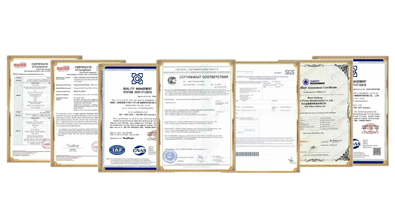
When choosing a strategic provider, you need to look at their manufacturing skills, quality processes, and delivery performance. ISO 9001:2015 certification means that quality management systems have been set up, and ASME certification may demonstrate compliance with applicable pressure equipment manufacturing requirements. Suppliers should show that the materials they use can be tracked back to the mill with mill test certificates and show proof that final goods have been inspected for dimensions.
When figuring out a company's manufacturing capacity, things like production wait times, minimum order amounts, and the company's ability to meet specific needs are all taken into account. For water treatment projects, flanges with non-standard sizes or materials are often needed. This makes supplier flexibility an important factor in choosing a source. Suppliers that have been around for a while keep stock of popular sizes and can speed up production for urgent needs.
Certification and Quality Requirements
When buying flanges, quality control goes beyond just making sure the dimensions are correct; it also checks the material features and how well it works. Mill test papers show the chemical makeup and mechanical features of the base materials, and pressure testing may be performed when required by project specifications. Third-party inspection services add another level of quality assurance for mission-critical applications where failure could have severe consequences.
Different projects have different documentation needs. For example, government building projects usually need more detailed, high-quality documents than the industry does. Suppliers should keep up with ISO 14001 environmental management systems and show compliance with applicable occupational health and safety regulations for factory processes.
Advantages of Slip-On Flanges in Water Treatment Facilities
Operational Benefits
Slip-on flanges are advantageous to water treatment plants in a number of ways, including improved system dependability and lower operating costs. A big benefit is that installation takes less time. This is especially true for projects that involve expanding plants and requiring hundreds of flanged connections. The simpler welding process cuts down on the need for skilled workers and speeds up the time it takes to finish projects.
Alignment flexibility solves common installation problems in repair situations where old pipes might not allow for precise placement. Being able to move flanges before final welding makes sure that the bolt holes are lined up correctly without having to change the pipe. This versatility comes in handy, especially in small areas where limited access makes installation more difficult.
Long-Term Performance Benefits
The benefits of maintenance add up over the life of the building, which lowers the total cost of ownership. Properly designed and installed welds can provide reliable performance under normal thermal cycling conditions, which is common in water treatment operations. Choosing the right material also makes sure that corrosion resistance matches the water chemistry conditions. Because of these features, the time between services is longer, and the cost of upkeep is lower.
Reliable joint performance and a lower chance of unexpected breakdowns lead to higher safety standards. Leak control features keep people and equipment safe while also following environmental rules. Regular testing programs can find problems before they become safety risks. This helps with proactive repair plans that keep systems from breaking down.
Conclusion
Slip-on flanges are the best choice for water treatment facilities because they combine efficiency, cost-effectiveness, and ease of installation. Their design allows for moderate pressure levels and reliable service in a wide range of working circumstances. Choosing the right materials, following the right installation steps, and keeping up with upkeep will ensure that the system stays intact and works well for a long time. Strategic methods for buying things that focus on the quality of the seller and making sure they follow the rules for getting certified help projects succeed while keeping costs low over their entire life.
FAQ: Common Questions About Slip-On Flanges in Water Treatment
1. What pressure ratings are suitable for water treatment applications?
Water treatment systems typically operate within an ASME Class 150 to 300 pressure range, making slip-on flanges appropriate for most applications. Class 150 flange pressure ratings depend on material grade and temperature, with ASTM A105 flanges rated at approximately 285 psi at ambient temperature under ASME B16.5, while Class 300 flanges accommodate up to 740 PSI. In some cases, like high-pressure membrane systems or chemical injection places, you may need higher pressure values.
2. How do material choices affect performance in water treatment environments?
The choice of material relies on the chemistry of the water, the temperature, and the need for corrosion protection. For many potable water systems, carbon steel flanges can be a cost-effective option when corrosion control measures are in place. Grades 304L and 316L stainless steel are better at resisting rust in chemically treated water or marine settings where chloride is present.
3. What gasket materials work best with slip-on flanges in water service?
When choosing a gasket, you should think about the temperature, pressure, and chemical interaction of the water. EPDM rubber gaskets work well with drinkable water up to 180°F, while Gasket compatibility should be verified against the specific disinfectants and chemical concentrations used in the system. Full-face gaskets spread loads out evenly across the flange surface, which lowers the risk of stress building up that could cause the joint to fail.
Partner with RAYOUNG for Premium Slip-On Flange Solutions
Using decades of manufacturing experience and ISO 9001:2015 quality control systems, RAYOUNG provides complete piping solutions that are suited to the needs of water treatment facilities. We have a huge selection of carbon steel and stainless steel flanges that meet ASME B16.5 standards. These are backed up by GOST-R and SGS licenses that prove they are export-compliant and allow us to track the materials. Email our engineering team at info@hb-steel.com to discuss your project requirements and receive comprehensive quotes from a premier manufacturer of industrial flanges, guaranteed to deliver uncompromising quality on time.
References
1. American Water Works Association. "Steel Pipe Design and Installation Manual M11." 4th Edition, 2017.
2. ASME International. "Pipe Flanges and Flanged Fittings: NPS 1/2 through NPS 24 Metric/Inch Standard." ASME B16.5-2020.
3. National Association of Corrosion Engineers. "Materials Selection for Water Treatment Plant Piping Systems." Publication 35100, 2019.
4. Water Environment Federation. "Design of Municipal Wastewater Treatment Plants: Volume 3 - Solids Processing." 5th Edition, 2018.
5. American Welding Society. "Structural Welding Code - Steel." AWS D1.1/D1.1M:2020.
6. International Water Association. "Pipeline Infrastructure Guidelines for Water Treatment Facilities." Technical Report Series No. 47, 2021.

Need a quote? Want to see samples? Just say hello. We’re friendly. We’re fast. And we’re ready when you are.
Welcome to RAYOUNG – Strong Pipes, Stronger Promise