RF vs RTJ Flanges for Leak-Critical Applications
When choosing flanges for leak-critical uses, the Raised Face (RF) or Ring Type Joint types can make or break the project, which can be very expensive. When it comes to high-pressure conditions, RTJ flanges are the best. They use precision-machined holes and metallic ring gaskets to seal better than regular RF designs. This important choice has an effect on safety rules, operating dependability, and long-term upkeep costs in many industries where stopping leaks is still very important.
Understanding RF and RTJ Flanges: Definitions and Design Principles
Industrial pipe systems need connection places that are reliable and can handle different operating pressures while still working without leaks. There are two main types of flanges that are used in serious situations: raised face flanges and ring type joints. Each type is designed to work well in a certain set of conditions.
Raised Face Flange Construction and Applications
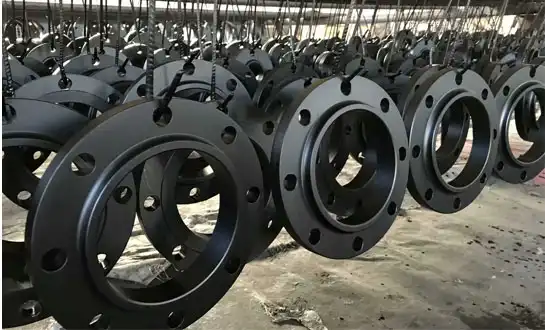
Raised Face flanges have a raised sealing surface that typically extends 1.6 mm (1/16 in.) above the flange face for Class 150 and 300 flanges, and 6.4 mm (1/4 in.) for higher pressure classes. This makes a tight closing area that works well with soft gasket materials. Most of the time, the raised part is 1/16 inch high and has surface finish lines that are 125 to 250 micro-inches wide. Depending on the service needs, these flanges can fit different types of gaskets, such as spiral wound, full-face rubber, and hybrid materials.
In general industrial settings, RF flanges are widely used across a broad range of pressure classes, including Class 150 through Class 2500, depending on the application requirements. Water treatment plants, HVAC systems, and low-pressure chemical processes are all common uses where cost-effectiveness is more important than extreme sealing performance.
Ring Type Joint Flange Design Fundamentals
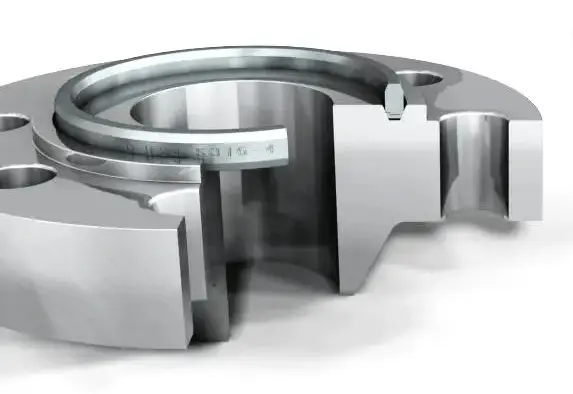
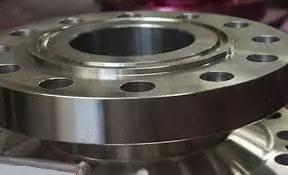
RTJ flanges have carefully machined annular holes that fit metallic ring gaskets. This makes metal-to-metal seals that can withstand severe operating conditions. As required by ASME B16.5 and API 6A standards, the groove shape must adhere to strict measurement limits. Surface finishes must usually be at least 63 micro-inches to ensure the best sealing contact.
RTJ flanges are commonly used in very high-pressure applications and are widely specified for API wellhead and pressure-control equipment. and temperatures over a wider operating range than many soft-gasket sealing systems. They can also keep working without leaking in toxic environments. During assembly, the metallic ring gasket undergoes controlled plastic deformation, creating a high-integrity, metal-to-metal seal that remains absolutely impenetrable even under severe vibration, extreme thermal cycling, or intense pressure fluctuations.
Material Selection and Manufacturing Standards
Depending on the service needs, both types of flanges can be made from carbon steel, stainless steel, or special metals. For mild conditions, carbon steel grades like ASTM A105 are a cost-effective choice. In harsh settings, duplex and super-duplex metals offer better corrosion protection. To make sure that the products that are made meet high-quality standards, they must go through strict steps like heat treatment, dimensional checking, and surface finish proof.
Technical Comparison: RF Flanges vs RTJ Flanges in Leak-Critical Scenarios
Knowing how different flange setups work helps procurement teams make smart choices based on the needs of the application and the limitations of the operation.
Pressure Rating and Temperature Capabilities
RTJ flanges work great in high-pressure situations; they can handle Class 1500 to Class 2500 rates, which have working pressures of up to 6,170 PSI and 9,750 PSI, respectively. More advanced API 6A designs can handle even higher pressures, which makes them necessary for high-pressure handling, wellhead equipment, and offshore drilling.
Most of the time, RF flanges are available across a wide range of pressure classes, with allowable pressures determined by flange class, material, and temperature. Even though they work well in many industrial settings, they don't have the pressure capability needed for harsh service situations where safety margins are important.
Temperature behavior is very different depending on the setup. Ring-type joint designs have metallic gaskets that maintain sealing integrity over a wider range of temperatures. RF flanges, on the other hand, use organic gasket materials that can break down when exposed to thermal cycling or high temps.
Sealing Technology and Failure Modes
The biggest change is how the seals are made. RF flanges depend on the gasket being compressed against the raised face. This makes a seal by stretching the gasket material. If things are stable, this method works well, but it can fail if the gasket is damaged by changes in pressure, temperature, or shaking.
Ring-type joint technology uses controlled plastic distortion of the metal ring gasket inside the gap that has been machined. The "coining" action brings the gasket and groove sides together, making a leak-tight seal that works even better when the bolts are properly tightened. This system is much better at handling changes in temperature and pressure that happen in serious situations.
Maintenance and Inspection Requirements
Different types of flanges have very different maintenance schedules. RF flanges need to have their gaskets replaced on a regular basis during planned shutdowns. The state of the gaskets directly affects the efficiency of the system. Gasket degradation can be seen visually, but degradation on the inside may happen without any visible signs on the outside.
With the right fitting and care, RTJ flanges can last for a long time. The metal ring gaskets don't break down easily and are generally replaced after disassembly to ensure sealing integrity, unless project procedures specifically allow reuse after inspection. when the part is taken apart. But the state of the groove is very important and needs to be carefully checked for damage, rust, or changes in size that could affect how well the seal works.
How to Choose the Right Flange for Your Application
To ensure the best long-term performance, choosing the right flange configurations takes a thorough analysis of working parameters, safety standards, and cost factors.
Operational Parameter Assessment
The review process starts with a full look at the working conditions, such as the highest pressure, the range of temperatures, the properties of the fluid, and how the system works. Pressure needs are often the first thing that determines the choice, and ring-type joint setups are usually needed for uses above Class 600 ratings.
Temperature issues go beyond the highest working values and include the rate and regularity of thermal cycling. When temperatures change quickly, metallic sealing systems work better than organic gasket materials that might lose their flexibility or break when heated.
Fluid chemistry affects the choice of material and the technology used for closing. For corrosive media, hydrogen service, or sour gas uses, it is common to need special metals and proven sealing technologies to prevent material degradation or releasing harmful chemicals into the environment.
Safety and Compliance Evaluation
In critical uses, regulatory standards have a big impact on the choice of flange. For pressure rates above certain levels, API 6A equipment commonly uses Ring Type Joint sealing configurations for high-pressure wellhead and Christmas tree service. Based on the type of service and safety concerns, the ASME Boiler and Pressure Vessel Code may call for certain kinds of flanges.
Environmental release effects lead to cautious design methods in situations where possible leaks could cause safety risks, damage to the environment, or breaking of the law. For critical service uses, the extra cost of RTJ flanges is usually worth it to reduce the chance of leaks and make sure that regulations are followed.
Economic Analysis and Life-Cycle Considerations
While RF flanges may have lower starting costs, the total cost of ownership must be calculated by taking into account how often they need to be maintained, how much it costs to change gaskets, and any possible downtime costs. Ring-type joint designs cost more to buy at first, but they often pay for themselves in the long run by needing less upkeep and being more reliable.
When considering flange choices, procurement teams should look at the skills of the provider, any quality certifications, and their technical support. Certified makers with a history of making good products give you more confidence in their quality and regularity of performance.
Procurement Considerations: Buying RTJ and RF Flanges for Industrial Projects
Strategic buying practices make sure that there is a steady supply of flanges while reducing project risks and keeping costs low. This is done by carefully choosing suppliers and checking their quality.
Supplier Qualification and Certification Requirements
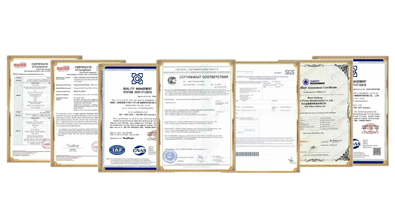
Companies that want to be qualified must show that they follow industry standards like ASME B16.5, ASME B16.47, and API 6A. Quality management systems that are certified to ISO 9001:2015 make sure that the paperwork and production methods are always the same, which is important for important uses.
Material identification is very important in high-pressure situations where the qualities of the material directly affect safety gaps. Certified Material Test Reports that list the chemical make-up, mechanical qualities, and history of heat treatment make sure that the material meets the needs of the project and all applicable laws.
To make things easier and more consistently high-quality, companies should be able to make all the different types, sizes, and materials of flanges that are needed. Advanced machining skills make sure that the groove geometry and surface finish on RTJ flanges are correct, and that the necessary measurement tolerances are kept for a reliable assembly.
Supply Chain Optimization Strategies
When compared to distributor routes, working directly with manufacturers can save you money, cut down on lead times, and give you better expert support. However, local distributors may have more inventory and faster shipping times for common setups, so it's important to carefully consider how long the job needs to be completed.
Strategies for buying in bulk can lower unit costs while still making sure there is enough stock for planned maintenance or fixes that need to be done right away. Long-term supply deals keep prices stable and make sure that materials are sent to the right places first when demand is high or supplies are low.
It's important to be able to do custom making for specific uses that need non-standard sizes, special materials, or changed designs. Manufacturers with a lot of experience can help with engineering and design so that performance is optimized while normal manufacturing methods are kept as much as possible.
Quality Assurance and Testing Protocols
For all important flanges, incoming inspection processes should check that they meet the required dimensions, have a good surface finish, and have material licenses. Statistical sample plans make sure that quality checks are done properly and that big orders stay cost-effective.
The need for pressure testing depends on the product and the standards in the business. Testing the structure's strength with hydrostatic pressure testing in accordance with the applicable code or project specification is one way to do it. For other uses, air testing may be required, even though it comes with safety risks.
Case Studies and Best Practices: Successful Applications of RF and RTJ Flanges
Real-life examples show how choosing the right flange and installing it correctly can lead to solid performance in a wide range of industry settings.
Offshore Platform High-Pressure Systems
A large marine operator switched from RF flanges to RTJ flanges on high-pressure wellhead connections because they kept leaking during pressure tests. Leak problems were significantly reduced by the Ring Type Joint design, which also cut down on maintenance needs and raised operating safety. When choosing materials, super-duplex stainless steel was chosen because it doesn't rust in salt water and keeps its mechanical qualities even in harsh circumstances.
The installation steps stressed the importance of placing the ring gasket correctly and tightening the bolts in the right order to ensure even loads and the best sealing performance. Regular checking methods check the state of the grooves and the integrity of the gaskets to make sure that they don't fail during important operations.
Chemical Processing Plant Upgrade
As part of an effort to make things safer, a petroleum plant switched important process links from RF to Ring Type Joint flanges. The change got rid of fugitive emissions at a number of link spots and made the system more reliable during planned system shutdowns and restarts.
Training programs ensured maintenance personnel understood proper assembly techniques and inspection requirements for the new flange technology. Standardized torque processes and bolt tightening patterns minimized installation variability while maximizing sealing effectiveness.
Practical Implementation Guidelines
Successful flange implementation requires comprehensive planning covering material selection, installation procedures, and maintenance protocols. These essential considerations guide procurement decisions and ensure optimal long-term performance:
- Check the groove sizes and surface finish requirements for Ring Type Joint uses to make sure the gaskets work well and the joints close properly.
- Set up the right bolt torque and tightening steps to get even gasket loads without putting too much stress on flange parts.
- Set up regular repair plans to check the state of the grooves, the wear on the gaskets, and the strength of the bolts to avoid unexpected failures.
- Keep enough gaskets on hand, including backup rings for important uses where the cost of downtime justifies having extra supplies.
- Write down the steps for installation and the process of upkeep to find performance trends and make the best use of replacement schedules.
- These tips give you a plan for installing flanges correctly and help you avoid making common mistakes that hurt the closing process.
Conclusion
Selecting between RF and RTJ flange configurations for leak-critical uses, it's important to think carefully about the working conditions, safety standards, and expected long-term performance. RTJ flanges are essential for high-risk uses where preventing leaks is very important because they bond better under extreme pressure and temperature conditions. RF flanges are cheaper for mild service conditions, but Ring Type Joint technology's higher dependability and safety margins often make the extra cost worth it for important systems. For implementation to go well, it's important to choose the right provider, check the quality, and follow the set installation and upkeep steps.
FAQ
1. What are the main advantages of RTJ flanges over RF flanges in high-pressure applications?
RTJ flanges have many important benefits, such as higher pressure values (up to 20,000 PSI), better sealing through metal-to-metal contact, better resistance to thermal cycling, and lower upkeep needs. When it comes to protecting against pressure fluctuations and vibration, the metallic ring gasket system works better than soft gasket materials used with RF flanges.
2. How do I verify the quality and certifications of flange suppliers?
Make sure that suppliers keep their ISO 9001:2015 quality management certification and follow industry standards like ASME B16.5 or API 6A. Ask for certified material test reports that show the chemical makeup and mechanical properties of the material; make sure that the manufacturing capabilities are confirmed through facility audits; and look at references from similar applications in your industry.
3. What factors should guide the decision between RF and RTJ flange configurations?
Some important things to think about when making a choice are the highest working pressure, the temperature range, the properties of the fluid, the safety effects of any possible leaks, government rules, and the total cost of ownership. Applications that go over Class 600 pressure levels or use dangerous fluids usually need ring-type joint designs.
Partner with RAYOUNG for Premium Industrial Flange Solutions
Industrial projects demand reliable pipe fitting solutions backed by proven manufacturing expertise and comprehensive quality assurance. RAYOUNG makes high-quality RTJ flanges and full pipe component systems designed for critical applications where performance can't be sacrificed. Our ISO 9001:2015-certified manufacturing methods guarantee consistent quality, and our GOST-R and SGS certifications show that we are committed to meeting foreign standards and export regulations.
Email our expert team at info@hb-steel.com to talk about your unique needs and find out how our wide range of products can help your next project go more smoothly. As a premier manufacturer and trusted supplier of industrial RTJ flanges, we provide comprehensive technical support, highly competitive pricing, and rock-solid delivery schedules to ensure your projects consistently meet the absolute highest safety and performance standards.
References
1. American Society of Mechanical Engineers. "ASME B16.5 Pipe Flanges and Flanged Fittings: NPS 1/2 through NPS 24 Metric/Inch Standard." ASME International, 2020.
2. American Petroleum Institute. "API Specification 6A: Specification for Wellhead and Christmas Tree Equipment." API Publishing Services, 2019.
3. Bickford, John H. "Gaskets and Gasketed Joints, Second Edition." CRC Press Engineering Handbook Series, 2018.
4. Metals Handbook Committee. "Properties and Selection of Metals for Pressure Vessel and Piping Applications." ASM International Materials Engineering Series, 2017.
5. Pressure Vessel Handbook Editorial Board. "Pressure Vessel Design Manual: Fourth Edition." Gulf Professional Publishing Technical Reference, 2019.
6. Winkel, Peter and Brown, Robert K. "Industrial Pipeline Integrity and Safety Management Systems." McGraw-Hill Professional Engineering Series, 2021.

Need a quote? Want to see samples? Just say hello. We’re friendly. We’re fast. And we’re ready when you are.
Welcome to RAYOUNG – Strong Pipes, Stronger Promise