How Testing Prevents Flange Joint Failures
Flange joint failures can be avoided by testing, which finds hidden defects before they cause leaks, shutdowns, or safety incidents. From an engineering perspective, evaluating steel flanges across three critical dimensions yields the most reliable results: verified material quality, absolute dimensional accuracy, and proven gasket sealing performance under maximum pressure. This helps buyers find problems like cracks, rust, machining defects, wrong grades, and assembly defects early on. Purchasing teams in oil and gas, chemical processes, HVAC, waterworks, and infrastructure need to test more than just to make sure the quality is good. It is a way to keep risks in check and protect service, budgets, and compliance.
Understanding Flange Joint Failures and Their Impact
There are easy ways that flange joints can fail that end up costing a lot in the long run. A small leak can cause lost goods, damage to the environment, emergency repairs, and missed goals. When there is a lot of pressure, failures can escalate rapidly.
Common failure modes buyers should know
- Leaks at the sealing face. If the bolts aren't loaded evenly, the gasket seating surfaces may be damaged, the gasket material is probably the wrong one, or the surface finish isn't good. The strength of the seal on ANSI/DIN/JIS standard flanges with RF, FF, or RTJ facings rests a lot on how well they were machined and put together. Even a good gasket might not seal well when the pressure is changing if the flange face is not uniform around its circumference.
- Cracking, corrosion, and flange distortion are frequently linked to incorrect material selection, manufacturing defects, or operating conditions that exceed the flange’s design capability. Carbon steel flanges perform well in many standard pressure applications, but corrosive chemicals, elevated temperatures, or aggressive media may require stainless steel or alloy steel alternatives. When procurement teams select flange grades without fully evaluating service conditions, premature wear and unexpected failure become much more likely.
Why procurement teams should care early
Procurement teams and engineers research this topic not for theoretical knowledge, but for highly actionable strategies to prevent leaks, select optimal testing methods, and drastically reduce lifecycle costs. They demand a robust procurement framework that systematically eliminates risks long before the actual installation begins. For industrial end users, wholesalers, and EPC contractors, flange failure affects safety, compliance, on-time delivery, and total cost of ownership. All four are supported by testing.
How Testing Methods Identify and Prevent Flange Joint Failures
Testing stops flange joint failures by finding flaws in the material, mistakes in the measurements, and weak spots in the sealing before the flange is put into service. The most reliable methods combine non-destructive testing, pressure testing, and standards-based verification.
Non-destructive testing finds hidden defects
- Ultrasonic Testing (UT): useful for detecting internal discontinuities and subsurface defects in forged or cast flanges.
- Radiographic Testing (RT): helps identify internal defects such as porosity, inclusions, and shrinkage-related discontinuities in serious situations.
- Magnetic Particle Testing (MPT): effective on ferromagnetic materials to locate surface and near-surface cracks.
- Dye Penetrant Testing (DPT): an effective way to find small flaws that break the surface of machined parts and sealing faces.
Pressure testing confirms sealing reliability
How well does the joint hold up in real life? That's what buyers want to know most. Under liquid pressure, hydrostatic testing checks for leaks. Integrity can also be checked with pneumatic testing, but it requires strict safety controls because stored gas energy presents a higher risk than hydrostatic testing. If used properly, both ways show issues with how the gasket is seated, how it is machined, how it fits together, and how it is put together. This is very important for systems with a lot of pressure changes or for high-pressure uses that use RTJ facings.
Material certificates and checks of the dimensions finish off the picture. Full MTC traceability helps confirm grade, heat number, and compliance. Checking the flange's dimensions against ASME, EN, API, DIN, or JIS standards makes sure it will fit the needs of the pipes, bolts, and gaskets in the field.
Selecting the Right Steel Flange Type and Grade to Minimize Failures
The best time to test is when the grade of the flange already matches the working state. Even comprehensive inspection cannot compensate for incorrect material selection.
Matching grade to service condition
Pressure systems and normal industrial use use carbon steel flanges like ASTM A105 a lot. The A350 LF2 can handle lower temperatures. ASTM A694 grades F42 to F70 are commonly used for high-pressure transmission service and pipeline applications. People usually choose stainless steel types like ASTM A182 F304/F304L or F316/F316L when corrosion, elevated temperatures, or aggressive media increase service demands. They also choose alloy steel when high temperatures and pressures require more strength. The goal is easy: line up the material of the flange with the pressure, temperature, rust exposure, and maintenance accessibility. That makes it less likely that the seal will fail, crack, pit, or need to be replaced without planning to.
Why forged construction often matters
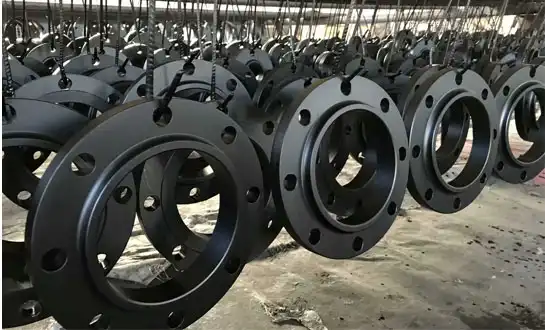
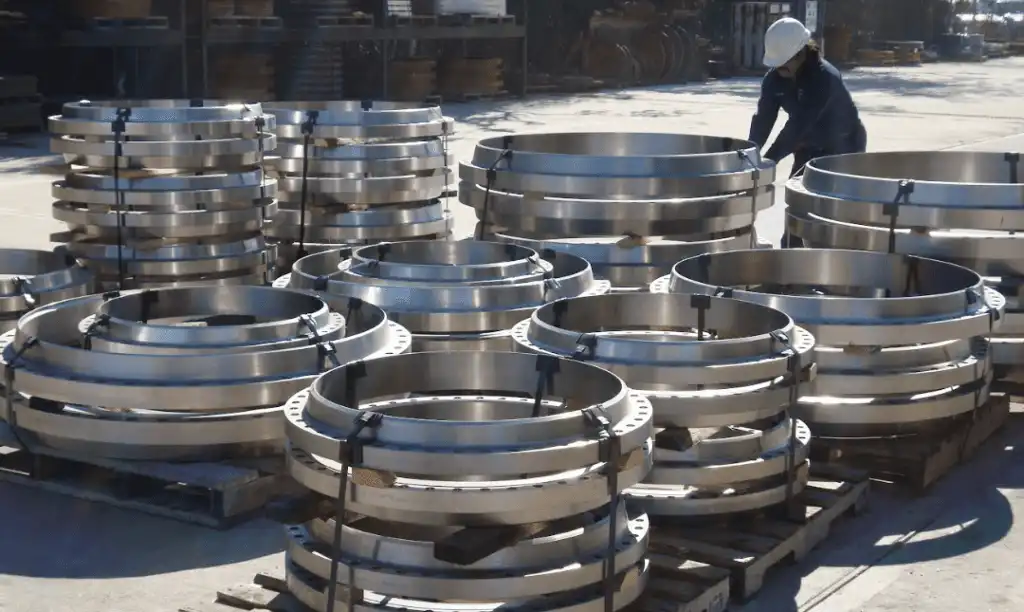
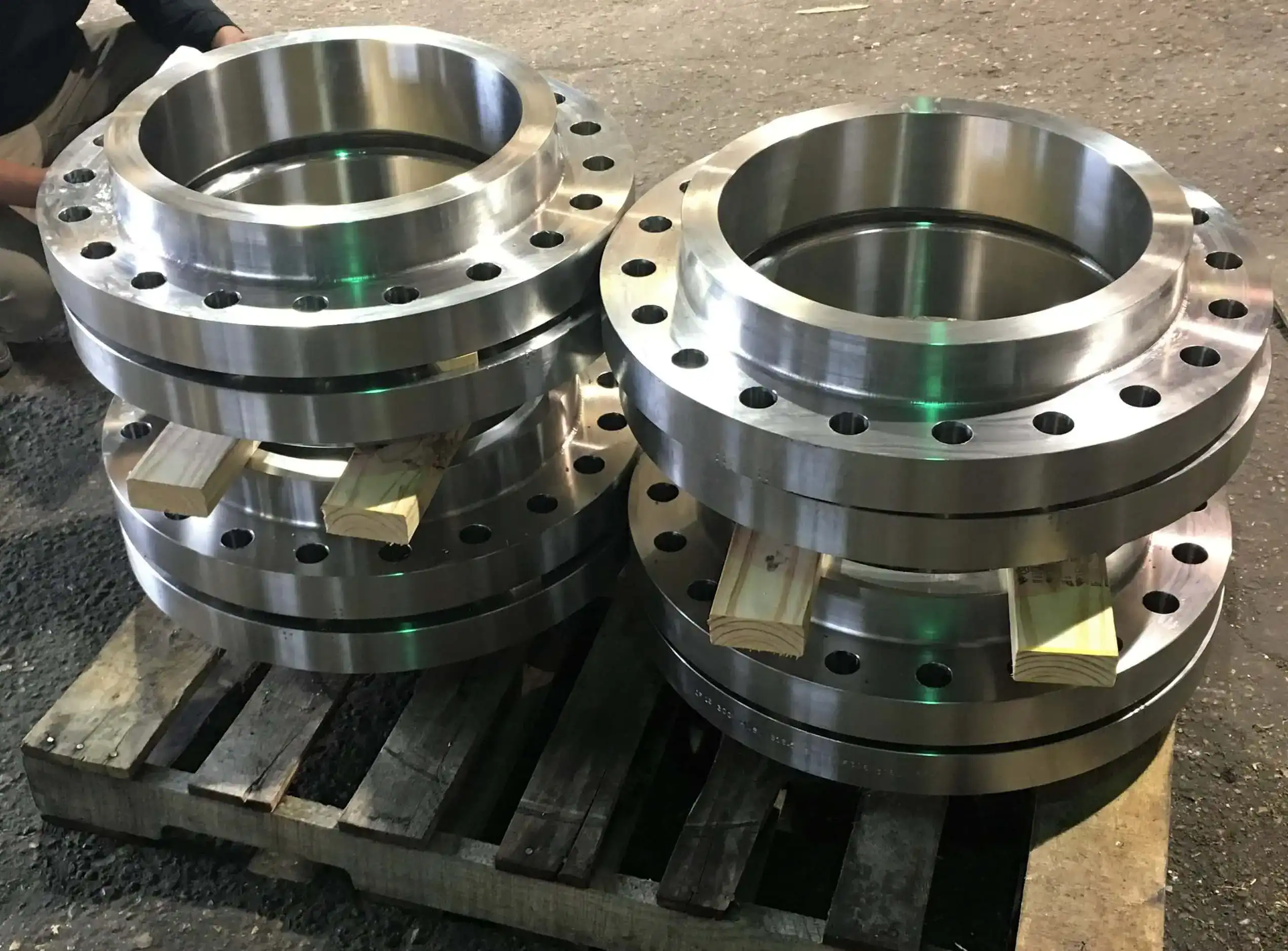
When used in tough conditions, forged flanges generally provide superior mechanical properties and structural reliability compared with cast flanges. When used with CNC-machined sealing surfaces, improved grain flow and better tensile qualities make it suitable for high-pressure service. I think buyers should look at more than just the unit price here and pay attention to the service life. We offer ANSI/DIN/JIS standard flanges with RF, FF, or RTJ facings for high-pressure uses, featuring CNC-machined sealing surfaces, full MTC traceability, and the option to hot-dip galvanize. Those details matter because they directly affect how well things fit, how well they seal, and how well they protect against rust over time.
Best Practices in Installation and Testing to Ensure Joint Integrity
If you are in a hurry, even a well-made joint can fail. Setting up and testing must go hand-in-hand.
Installation practices that support testing results
- Bolt tensioning discipline: calibrated torque tools help make sure that the gasket stress is even. Leakage is often caused by uneven bolt loading.
- Correct gasket selection: the material of the gasket needs to meet the pressure, temperature, media, and face type.
- Clean and protected faces: sealing surfaces should stay free from scratches, dirt, or damage to the coating before they are put together.
Routine inspection reduces lifecycle cost
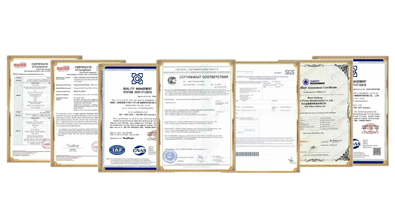
A robust maintenance plan goes far beyond merely fixing leaks. By incorporating leak detection, corrosion monitoring, and scheduled re-testing into regular inspections, companies can transition from reactive repairs to predictive maintenance, effectively preventing emergency shutdowns. Furthermore, ongoing technical support from your manufacturer is invaluable. As a premier global supplier of industrial pipe fittings and flanges, RAYOUNG actively supports this lifecycle approach. Backed by our ISO 9001:2015 quality management system, along with GOST-R and SGS certifications, we ensure absolute product traceability and uncompromising manufacturing quality from installation through decades of service.
Case Studies Demonstrating the Value of Testing in Flange Joint Reliability
I can see why buyers accept cases more than claims. When we look at running risk, testing really shows its worth.
Offshore, chemical, and HVAC lessons
In offshore pipeline work, UT and pressure testing are often used to find problems before they happen. This way, fixes don't have to be done after installation, when it's hard to get to, and the costs of downtime go up. Corrosion-related inspections in chemical plants can show when material degradation begins early enough that maintenance can be planned instead of being done after a leak happens. Finding leaks during installation helps workers fix sealing problems in HVAC and utility pipes before handover, which protects both project schedules and contractor reputation. The industry is not what ties these stories together; it's the way people buy things. When buyers ask for certified flanges, traceability documentation, and check testing records, they lower the risk of surprises throughout the entire project lifecycle.
Conclusion
Flange joint failures can often be prevented through proper testing procedures that identify hidden defects, verify compliance, and confirm sealing performance before systems are placed into operation. The most effective procurement strategies combine correct material selection, high-quality forging, precision machining, controlled assembly practices, and pressure verification to ensure reliable performance from steel flanges.
This approach minimizes downtime, improves workplace safety, and lowers long-term maintenance costs. For high-pressure, corrosive, or tightly regulated systems, testing should be considered an important part of the procurement, manufacturing, and commissioning process—not an afterthought.
FAQ
1. Which testing method is most reliable for preventing flange failures?
There is no one way to handle all risks. I think that NDT, pressure testing, and material verification should all be used together. The UT, RT, MPT, and DPT tests help find flaws that are buried or on the surface. Hydrostatic or pneumatic testing helps verify leak tightness and overall joint integrity under test conditions.
2. How often should flange joints be tested?
How often you test relies on the type of service, the code standards, the pressure class, the media, and your maintenance plan. Most of the time, important infrastructure, chemical, and oil and gas systems need to be inspected more often than regular utility lines. Buyers should make sure that the testing schedules are in line with the standards and risk estimates for the business.
3. Can customized steel flanges be fully tested and certified?
Yes. Customized steel flanges can be checked for their size, chemical make-up, mechanical qualities, and surface stability, and if needed, they can also be put under pressure. Set guidelines, drawings, certificates, and acceptance criteria before production starts. This is very important.
RAYOUNG Steel Flanges – Get Reliable High-Pressure Solutions Today
Need a dependable steel flanges manufacturer and supplier for high-pressure jobs? EPCs, wholesalers, installers, and end users can all get approved flange solutions, full traceability, and quick expert help from RAYOUNG. Get in touch with us at info@hb-steel.com to get a price or talk about your project if you need steel flanges for sale or help choosing the right size.
References
1. ASME B16.5, Pipe Flanges and Flanged Fittings
2. ASME PCC-1, Guidelines for Pressure Boundary Bolted Flange Joint Assembly
3. ASTM A105/A105M, Standard Specification for Carbon Steel Forgings for Piping Applications
4. ASTM A350/A350M, Standard Specification for Carbon and Low-Alloy Steel Forgings, Requiring Notch Toughness Testing for Piping Components
5. ASTM A694/A694M, Standard Specification for Carbon and Alloy Steel Forgings for Pipe Flanges, Fittings, Valves, and Parts for High-Pressure Transmission Service
6. API 6A, Specification for Wellhead and Christmas Tree Equipment

Need a quote? Want to see samples? Just say hello. We’re friendly. We’re fast. And we’re ready when you are.
Welcome to RAYOUNG – Strong Pipes, Stronger Promise