How Surface Finish Affects Flange Sealing Performance
The quality of the surface finish is very important for how well steel flanges seal in industrial pipe systems. The roughness and smoothness of the flange sealing surfaces have a direct effect on how well the gasket compresses, distributes pressure, and stops leaks. When you don't finish the surface properly, it makes the contact points uneven, which weakens the seal and can cause expensive failures and safety risks. Preparing the area correctly ensures that the gasket works at its best, which cuts down on upkeep needs and increases system efficiency. Knowing about this connection helps people who work in buying choose the right flanges for high-pressure situations where sealing performance can't be compromised.
Understanding Surface Finish and Its Role in Flange Sealing
Surface finish is the microscopic texture of the sealing sides of flanges. It is tested using standard factors that show how well the sealing works. This finish's quality is what makes seal compression work well and stops leaks for a long time in important pipe uses.
Key Surface Roughness Parameters and Standards
Three main factors determine the quality of a finish and are used to measure surface roughness. Ra, which stands for "arithmetic average roughness," is the average distance from the surface outline to the axis. Rt represents the maximum peak-to-valley height within the evaluation length (total roughness). Rz, which stands for "average maximum height," is the average of five measures taken in a row from peak to valley. This gives a full picture of the surface.
ASME B16.5 and ASME B16.47 provide dimensional requirements for flanges, while flange facing finishes are commonly specified within these standards and related industry practices. A standard polished finish is usually between 125 and 500 microinches Ra, and precision-ground surfaces are commonly produced with roughness values below standard stock-finish requirements, depending on application needs. These requirements make sure that the covering works the same way under all kinds of pressures and situations.
Impact on Sealing Pressure Distribution
The quality of the surface finish has a direct effect on how the sealing pressure is spread across the gasket contact area. Even pressure distribution on smooth, regular surfaces makes gaskets work better and stops stress from building up in one place. When surfaces are rough or uneven, they create pressure peaks that can damage gaskets and make leak paths around areas with insufficient contact.
In high-pressure situations, where even small flaws can weaken the joint, the connection between surface finish and sealing performance is even more important. If you prepare the surface correctly, the gasket will bend in the best way to fit the flange faces and keep the same sealing pressure throughout the cycle.
Common Surface Finish Types and Applications
The different steps used in manufacturing create different surface finishes that are better for different closing needs. Finishes that are machined by turning or milling are a cheap way to solve problems in normal pressure uses. For medium-pressure systems that need more reliable seals, ground finishes offer better smoothness and regularity.
Polished surfaces have the best finish quality, which is needed for high-pressure uses and service conditions that are acidic. Each finish type works best with certain gasket materials and working conditions to get the best sealing performance while keeping costs and production complexity in check.
Types of Steel Flanges and Surface Finish Requirements
For the best sealing performance, different flange shapes need different surface finish standards based on how they were designed and what they are meant to be used for. Thoroughly understanding these standards ensures that the precisely correct steel flanges are specified and procured, guaranteeing that the project's critical sealing and pressure containment goals are successfully met.
Flange Face Types and Finish Specifications
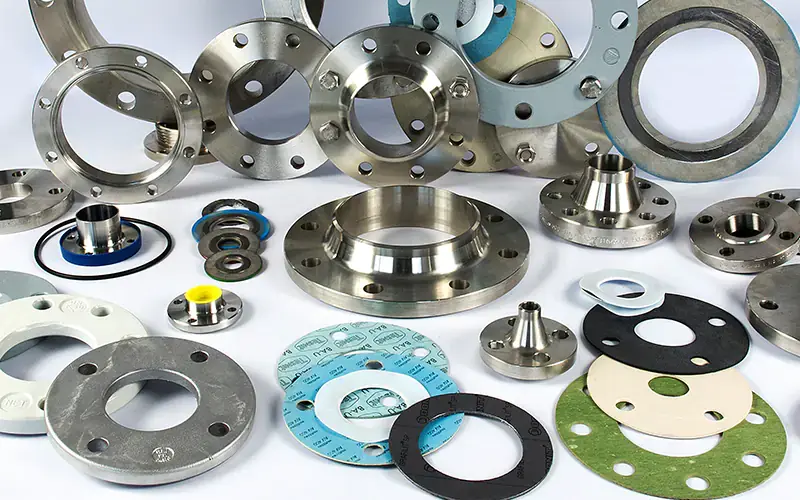
The most common type of flange is an RF flange, which has a slightly raised sealing surface that places the pressure on the gasket. For normal uses, RF sides need a finish of 125 to 250 microinches Ra. For higher pressures, they need a better finish. Compared to flat face (FF) designs, the raised face (RF) configuration concentrates the bolt load onto a smaller gasket area, significantly enhancing gasket compression and overall sealing performance.
Flat Face (FF) flanges use the whole face of the flange to make contact with the gasket. This spreads the sealing pressure over a bigger area. For low-pressure uses, these designs are cost-effective because they can handle rougher surface finishes running from 250 to 500 microinches Ra. Full-face seals that cover the whole sealing surface work well with FF flanges.
Ring Type Joint (RTJ) flanges have grooved sealing surfaces that are made for high-pressure use with steel ring gaskets. To make sure the ring gasket seats properly and deforms properly, RTJ faces require precisely machined ring grooves with specified dimensions and surface finishes. When pressure and temperature are very high, these designs seal better than others.
Material Considerations for Surface Finish
The strength of carbon steel flanges is very good, and they can have different surface finishes based on the purpose. Standard types of carbon steel work well for cutting and grinding, and the surface quality stays the same for most industry uses. But in harsh settings, carbon steel needs the right rust protection to keep its surface finish intact over time.
The rust resistance of stainless steel flanges is higher, and the surface finish quality stays high over long periods of service. Stainless steel is naturally resistant to rust, so there are no worries about surface wear while precision cleaning operations are going on. These materials work well in chemical processing and marine environments where keeping the surface finish is important for long-term sealing performance.
For high-pressure uses that need to be strong and have a smooth surface, alloy steel flanges are often selected. These materials can be used for precise machining and have the high mechanical properties needed for harsh working circumstances.

Installation Best Practices to Optimize Surface Finish & Sealing
Following the right fitting steps will protect the finish on the surface and make sure that the covering works perfectly during the whole flange connection process. By doing these things, damage is avoided, and the sealing capability of precision-finished surfaces is increased.
Pre-Assembly Surface Preparation
Cleaning thoroughly gets rid of dirt and other things that can affect the quality of the surface finish and gasket closing. Using the right chemicals and cleaning methods, cleaning processes get rid of machining oils, dirt, rust, and other debris. Visual inspection finds flaws on the surface, like scratches, gouges, or rust, that might reduce sealing effectiveness.
To effectively check surfaces, technicians must combine thorough visual inspection under adequate lighting with precise surface measurement methods (such as profilometers) to identify any microscopic irregularities. Any flaws that are too rough must be fixed, or the flange must be replaced to keep the sealing integrity. Keeping good records of the state of the surface helps with quality control and guarantees compliance.
Bolt Torque and Tightening Procedures
The right amount of bolt pressure keeps the surface from getting damaged and makes sure that the gasket is compressed just right for a good seal. It depends on the size of the flange, the pressure grade, the material of the bolts, and the type of seal. Consistent and correct bolt loading is guaranteed by following maker torque charts and ASME PCC-1 standards.
Sequential tightening patterns spread the compression forces evenly across the gasket surface. This keeps the pressure from being uneven, which could damage the finish on the surface. The star or cross pattern method gradually raises the stress on the bolts over several passes. This lets the gasket material flow and fit properly against the flange surfaces.
Protective Measures During Installation
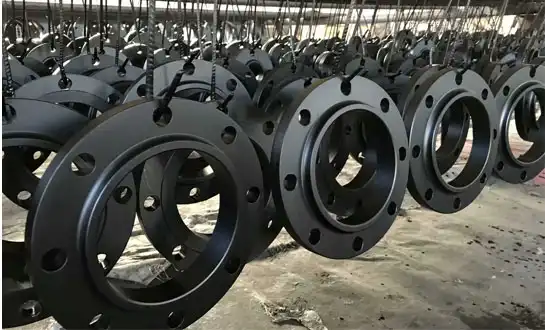
When handling and putting things together, flange guards keep sealing areas from getting damaged by mechanical forces. These safety devices keep the surface finish from getting hit, scratched, or contaminated, all of which can lower its quality. When you handle things the right way, you don't drop or drag steel flanges across rough surfaces, which can damage the surface.
The way polished surfaces are stored keeps them from rusting or getting dirty before they are installed. Indoor storage with enough air flow keeps wetness from building up, and appropriate storage protection helps preserve flange sealing surfaces during long-term storage.
Common Challenges and Solutions Related to Surface Finish on Flange Sealing
When there are problems with the surface finish, they make operations much harder and raise the cost of upkeep. By recognizing these problems and putting effective solutions in place, you can keep the sealer working at its best while reducing downtime and repair costs.
Identifying Surface Finish Problems
Gasket blowouts are often caused by a poor surface finish that stops the gasket from compressing and closing properly. Rough surfaces make leak paths around the edges of gaskets, while smooth finishes might not hold the gaskets in place well enough. Some visual clues are gasket material sticking out past the sides of the flanges or signs that high-pressure gas has cut through the gasket material.
Accelerated flange wear patterns show issues with the surface finish that lead to uneven pressure distribution and too much stress buildup. By looking at used gaskets, you can see print patterns that show where the surface isn't flat and where the pressure is changing across the sealing surface. These troubleshooting methods help find the reasons and direct the steps needed to fix things.
Advanced Finishing Techniques
With CNC grinding, you can precisely control the surface finish by programming the cutting settings and choosing the right tools. With these automatic methods, the surface quality stays the same, and the tight size tolerances needed for important sealing uses are kept. CNC processes significantly reduce operator-related variability and produce results that are the same across multiple flange units.
Using special finishing methods like lapping and honing makes surfaces very smooth for tough uses that need great sealing performance. These methods get rid of tiny surface flaws and make surfaces smoother than what normal machining can do. But because these methods are more complicated and expensive to make, they need a careful cost-benefit study.
Surface Protection and Conditioning
Flange face guards keep the surface finish from getting damaged mechanically during shipping, handling, and storage. These safety devices stick firmly to the faces of flanges but are easy to take off during installation. Protectors of good quality don't get damaged by impacts or external contaminants that can damage sealed surfaces.
Surface conditioning techniques improve the sealing and flexibility of gaskets without changing the basic properties of the surface finish. Some of these treatments are specialized surface conditioning processes may improve gasket seating characteristics while still meeting the needed surface roughness standards.
Procurement Considerations for Steel Flanges with Optimal Surface Finish
Strategic purchasing methods make sure that the right flanges are bought with the right surface finish to meet the closing needs of the project while also lowering costs and speeding up delivery. Knowing about important factors in purchasing helps keep design mistakes and poor performance from costing a lot of money.
Specification Development and Documentation
Making surface finish standards clear helps avoid confusion and makes sure that providers deliver flanges that meet project needs. Surface roughness metrics, measurement standards, and acceptance criteria based on application pressure values and gasket types should all be part of the specifications. Clear quality standards for new inspection are set by detailed paperwork that gets rid of any doubts.
Dimensional standards checking makes sure that the specs of the flange match the needs of the pipe system and the connections of the parts that fit together. ANSI B16.5, ASME B16.47, and other related standards give sizes for various types of flanges and pressure classes. A proper study of the specifications stops expensive changes in the field and delays in installation.
Supplier Evaluation and Quality Assurance
The manufacturing capability review looks at the tools, methods, and quality control systems that suppliers use that affect the accuracy of the surface finish. Site visits and capacity checks show the real working conditions and quality standards in factories that affect how reliable a product is. Suppliers who have advanced CNC equipment and automatic finishing methods usually provide a better and more consistent surface finish.
Flanges must meet certain material qualities and production standards in order to be certified and traceable. Material Test Certificates (MTC) list all the chemicals, mechanical qualities, and production methods that were used for each run of steel flanges. This paperwork helps with quality control systems and meeting regulatory standards.
As part of quality control, statistical process control methods should be used to keep an eye on the factors of the surface finish during production runs. Suppliers with good quality systems lower the number of inspections that need to be done on arriving goods and give customers trust in the regularity and dependability of the products they supply.
Cost-Performance Optimization Strategies
The cost effects of surface finish depend a lot on the quality levels needed and the production methods used. To get the best sealing performance, precision-ground surfaces cost more than standard polished finishes, but they are more cost-effective for most uses. Understanding these trade-offs helps make sure that project costs and performance goals are met with the best standards possible.
Strategies for buying in bulk can lower unit costs while still making sure there is enough product to meet project deadlines. But when you order in bulk, you need to plan ahead carefully to avoid having too much product and storage problems. Working with dependable suppliers who maintain appropriate inventory levels helps balance cost reduction and delivery flexibility.
With customization choices, you can choose a surface finish that fits your needs precisely for a specific purpose while keeping costs low. Custom specifications, on the other hand, may mean longer wait times and smaller minimum order numbers, which can affect how projects are scheduled and how purchases are planned.
Conclusion
The quality of the surface finish has a big impact on how well steel flanges close and how reliable they are over time in industrial pipe systems. If you know the right surface roughness factors, standards, and how they affect gasket performance, you can make smart purchasing choices that lower the risk of leaks and operational costs. Choosing the right surface finish specs based on the type of flange, the pressure grade, and the needs of the application guarantees the best sealing performance while keeping costs in mind. Using the right fitting methods and protecting the surface during the connection process keeps the finish integrity. When it comes to important sealing uses that need to work reliably for a long time, strategic procurement methods that focus on supplier skills, quality assurance, and cost-performance optimization produce the best results.
FAQ
1. What surface roughness values are recommended for different pressure applications?
For effective sealing performance in standard pressure situations, the surface finish should be between 125 and 250 microinches Ra. Smoother finishes between 32 and 125 microinches Ra are better for high-pressure systems because they make sure the gaskets close properly and stop leaks. In low-pressure uses, rougher surfaces (up to 500 microinches Ra) can still be used while still closing well.
2. How do different gasket materials interact with surface finish requirements?
Rubber and PTFE are two examples of soft gasket materials that can easily fit onto surfaces that aren't perfectly smooth. They can also handle small surface imperfections without affecting their ability to close. For proper distortion and sealing contact, metallic gaskets need surface finishes that are smoother and more precise. Spiral wound gaskets work best when their surface roughness is just right, giving them enough grip without being too resistant to compression.
3. What inspection methods verify surface finish quality during procurement?
Using accurate profilometers to measure surface roughness gives a numerical evaluation of finish quality based on certain criteria. Visual inspection in the right lighting can find clear flaws on the surface and finish that doesn't match up. A tactile study can help find surface flaws that you might not be able to see, but that could affect how well the gasket seals.
Partner with RAYOUNG for Superior Steel Flanges Manufacturing Excellence
When it comes to important industrial uses, RAYOUNG makes precision-engineered steel flanges with CNC-machined sealing surfaces that meet the strictest surface finish standards. Our comprehensive manufacturing capabilities let us make ANSI, DIN, and JIS standard flanges with RF, FF, and RTJ facings that are good for high-pressure systems that need to close very well. Every flange comes with full MTC traceability paperwork, which makes sure that the material is fully certified and meets your quality standards for purchase. Our hot-dip galvanizing choices offer better protection against rust while keeping the exact surface finish requirements. Get in touch with our knowledgeable staff at info@hb-steel.com to talk about your project needs with a reputable steel flanges provider dedicated to providing dependable sealing solutions that lower business risks and improve system performance.
References
1. American Society of Mechanical Engineers. "Surface Texture Requirements for Pressure Vessel and Piping Components." ASME Boiler and Pressure Vessel Code Section VIII, Division 1.
2. Peterson, J.K., and Williams, R.M. "Impact of Flange Surface Finish on Gasket Performance in High-Pressure Applications." Journal of Pressure Vessel Technology, Vol. 142, No. 3.
3. Thompson, A.L. "Surface Roughness Standards and Measurement Techniques for Industrial Flanges." International Journal of Mechanical Engineering Standards, Vol. 28, No. 4.
4. Chen, S.H., and Davis, M.P. "Correlation Between Surface Finish Quality and Long-Term Sealing Performance in Petrochemical Applications." Process Safety and Environmental Protection, Vol. 156.
5. International Organization for Standardization. "Geometrical Product Specifications - Surface Texture: Profile Method - Rules and Procedures for the Assessment of Surface Texture." ISO 4288:1996.
6. Rodriguez, C.A., and Johnson, T.B. "Economic Analysis of Surface Finish Requirements in Industrial Flange Procurement." Cost Engineering Journal, Vol. 63, No. 2.

Need a quote? Want to see samples? Just say hello. We’re friendly. We’re fast. And we’re ready when you are.
Welcome to RAYOUNG – Strong Pipes, Stronger Promise