Quenching and Tempering Process for Alloy Steel Pipes
The quenching and tempering process for alloy steel pipes is a way to treat steel that makes it stronger, harder, and tougher by heating it, letting it cool quickly, and then heating it up to a controlled temperature again. I think this process is a good way to improve the performance of alloy steel pipes in work that involves a lot of pressure, wear, and contact. For business-to-business buyers, it's important because the right heat treatment can lower the chance of failure, extend the useful life, and help meet strict standards used in oil and gas, power plants, chemical plants, and building structures.
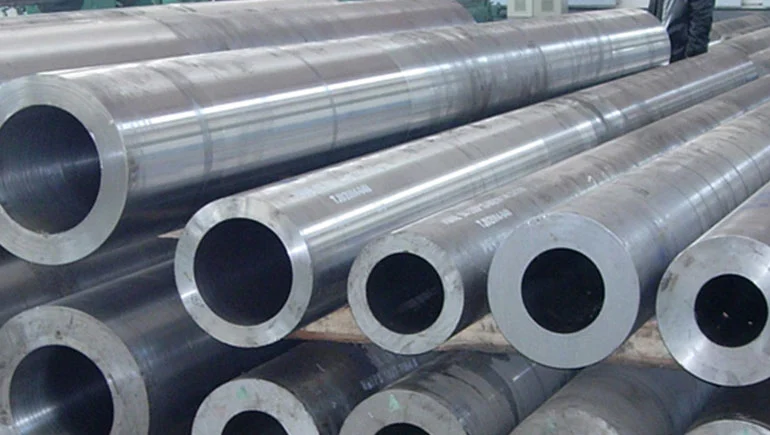
Understanding the Quenching and Tempering Process for Alloy Steel Pipes
Industry interest in this topic shows that engineers and procurement managers consistently demand a clear, step-by-step explanation of how this heat treatment alters metallurgical properties. Simply put: quenching involves rapidly cooling the steel to dramatically increase its hardness, while the subsequent tempering process relieves internal stresses, making the steel significantly tougher and far less brittle.
What does quenching do to the steel?
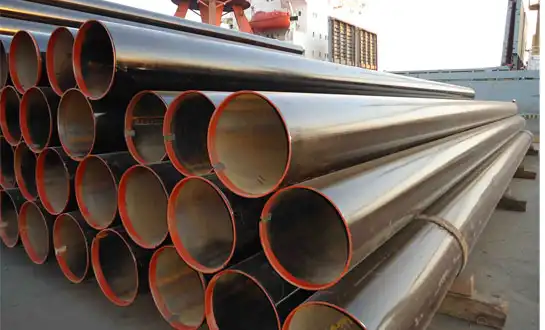
Heat alloy steel pipes to the austenitizing range and then quickly cool them in water, oil, polymer, or air, depending on the grade. This changes the microstructure into a stronger form, usually martensite or a mix of martensite and bainitic. This makes it harder and stronger in a tensile test. Chrome-moly types like ASTM A335 P11, P22, and similar pressure pipe materials perform well because alloying elements improve high-temperature strength and creep resistance, and similar pressure pipe materials work well because alloying elements make them harder and better at handling high temperatures.
Why is tempering essential?
Steel that has just been cooled may be too brittle to be used in industry. That problem can be fixed by tempering. I see tempering as the stage where stress is balanced. It lowers internal stress, makes the metal more flexible, and raises its impact hardness while keeping most of its extra strength. The end result is a pipe that can better handle changes in temperature, pressure, and shaking.
Common grades and property impact
Different kinds of steel act in different ways. Heat treatment response is affected by the amount of alloy, the width of the wall, and the way the pipe was made. Seamless pipes generally perform more consistently before and after heat treatment because they don't have a weld gap. It's still possible for welded goods to work well, but it's more important to keep an eye on the weld quality, heat-affected zones, and post-weld heat treatment control.
Step-by-Step Analysis of the Quenching and Tempering Process
This is where buying teams often run into trouble. A seller might say that their goods are "heat treated quality," but the real value comes from testing, controlling the process, and being consistent.
Key process parameters that drive performance
The temperature of heating alloy steel pipes, the time of soaking, the material used to quench, the rate of cooling, and the temperature used for tempering are the most important factors. Mechanical features can go off goal if any of these move too far. That means that one batch might pass the tension and impact tests while another might fail. To keep repeatability, good providers keep an eye on the regularity of the furnace, the patterns of loading, and the time of the quench.
How does the process break common performance bottlenecks?
Quenching and tempering directly deal with a number of problems that engineers and customers care about, such as:
- Brittleness and low impact resistance: Quenching makes something very hard, but it also makes it less tough. When you temper something, you get back a good balance between strength and resistance to contact. This is important for pressure pipes because quick changes in load, startup stress, and cold-weather work can all cause cracks if the microstructure stays too brittle. Buyers who ask for Charpy impact values, hardness range, and heat treatment records generally lower the risk of the project and keep it from failing in the field, which can be very expensive.
- Residual stress and inconsistent quality: When cooling rates are rapid, rapid cooling can leave stress inside the pipe wall. When you temper something, you lower the stress on it and make it more stable. A good quality plan should include tests for hardness and tensile strength, checks for dimensions, chemical analysis, and full tracking. Before putting a big order, I always suggest looking at mill test certificates and making sure that the supplier meets ASTM, API, DIN, or project-specific criteria.
Quality control and testing methods
Suppliers you can trust will check the heat treatment with tensile tests, yield strength checks, hardness tests, impact tests (if needed), and non-destructive tests. It's also important to check the dimensions of things because warping can happen during heat cycles. Full MTC tracking shows that there is a written connection between every heat, test result, and shipping lot.
Comparative Insights: Alloy Steel Pipes vs. Other Pipe Materials Post Heat Treatment
It's not always enough to just look at how strong a pipe material is. I've noticed that buyers look at the lifecycle cost, how it will corrode, how it will be put together, and where it will be used all at the same time.
Alloy steel compared with carbon, stainless, galvanized, and mild steel
Most of the time, quenched and tempered alloy steel pipes are stronger and work better at high temperatures than regular carbon steel or mild steel. In many wet or chemically active places, stainless steel generally offers better corrosion resistance in many environments, but it usually costs more. In some situations, galvanized steel can help prevent rust on the outside, but it can't match the high-temperature and pressure performance of alloy types that have been heat-treated. For uses like steam lines, industrial pipes, and power plant systems, alloy steel usually offers the best mix of pressure resistance, mechanical strength, and overall value for money.
Seamless vs. welded pipes after heat treatment
Because its structure is constant around the outside, seamless pipe (including alloy steel pipes) is still often the best choice for heavy-duty use. You can use welded pipe for many jobs, but you need to keep a close eye on the treatment consistency at the weld line. This is very important when considering goods that are straight seam, LSAW, or spiral-welded. While spiral submerged arc-welded pipes can have a variable diameter, it is important to check the specifications for high-risk service because of the weld seam length and stress behavior.
Procurement Considerations for Quenched and Tempered Alloy Steel Pipes
Five things are important to B2B buyers: compliance, consistency, wait time, price, and the trust of the seller. All five are linked by a smart buying choice.
Standards, specs, and supplier evaluation
Standards like ASTM, API, and DIN help describe things like chemistry, size, tests, and mechanical performance. Buyers should make sure about the grade, size range, wall thickness, heat treatment condition, measurement tolerance, and any extra tests needed, like NACE- or impact-related needs. I also think you should look into ISO 9001:2015 quality control, export paperwork, and third-party inspection help.
Cost, delivery, and value-added components
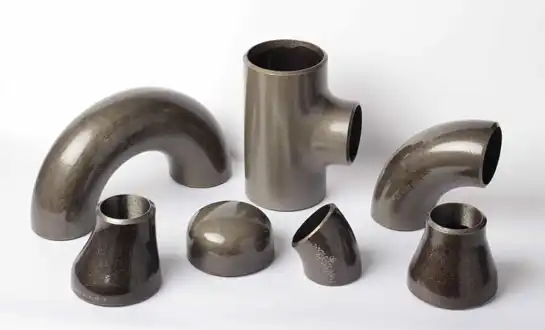
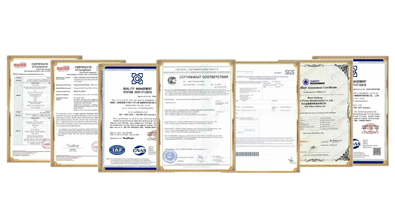
Price is important, but the cheapest deal could lead to extra costs for the job if there are problems with the paperwork, inspection, or delivery. When you buy pipe, fittings, and valves from the same source, you can save money on freight and unit costs by buying in bulk. This is exactly where partnering with a premier manufacturer like RAYOUNG adds immense value. Beyond merely supplying premium alloy and carbon steel pipes, we provide a comprehensive portfolio of industrial pipe fittings—including precision-engineered buttweld elbows, reducers, and flanges—ensuring that every connection in your critical system is absolutely secure. Backed by rigorous GOST-R and SGS certifications, we guarantee strict export compliance and uncompromising manufacturing quality for our global clients. Operating under robust ISO 9001:2015 quality management systems, we deliver the exceptional performance, safety, and long-term resilience demanded by heavy industrial plants, petrochemical facilities, and mission-critical energy infrastructure worldwide.
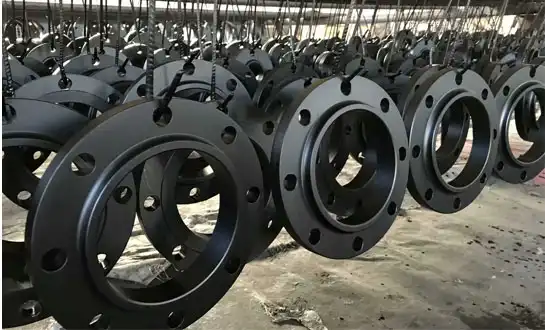
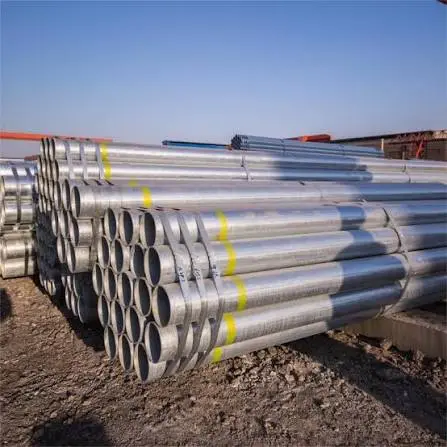
People who buy high-pressure systems often need ANSI, DIN, or JIS standard flanges that match RF, FF, or RTJ facings. CNC-machined sealing surfaces improve the reliability of the sealing, full MTC tracking helps keep track of the paperwork, and hot-dip galvanizing can protect against corrosion on the outside if the project requirements allow it.
Advantages and Applications of Quenched and Tempered Alloy Steel Pipes in Industry
The biggest benefit is how well it works when things get tough. When properly treated, alloy steel pipes are less likely to bend, break, or wear out than untreated pipes that haven't been treated. That can cut down on the number of repair visits and unexpected shutdowns.
Key industrial applications
They work with high pressure and high temperatures in both upstream and downstream oil and gas systems. When making electricity, they put in pipes for steam and boilers where temperature stability is important. They are a good choice for harsh mechanical conditions in chemical processes. They help with long-term work in building and infrastructure, where safety and durability are what matter most.
Trends buyers should watch
Better controls for heat treatment furnaces, advanced computer tracking systems, and increasingly consistent manufacturing processes are all driving continuous improvements in the quality of alloy steel pipes. Lean production and inspections based on data also help suppliers cut down on variation and make wait times more predictable. This means that buying teams have a better chance of achieving consistent quality at scale.
Conclusion
By quenching and hardening alloy steel pipes, many industrial projects can get the right mix of strength and toughness. I look at controlled heat treatment, approved testing, full tracking, and the ability to support full pipe kits with fittings and flanges when I assess providers. It is much more likely that buyers will lower risk, keep costs low over the lifespan, and keep projects on schedule if they carefully look over standards, mechanical properties, and source quality systems. Pay close attention to this process when you're sourcing if your application needs to handle pressure, heat, or rough service.
FAQ
1. What is the difference between quenching and tempering?
After the steel has been heated, it goes through a fast cooling stage called quenching. After warming, the next step is tempering, which makes the metal less rigid and tougher. They make a better mix of hardness, strength, and ductility for industrial pipe work when used together.
2. How do ASTM and API standards affect pipe quality?
The chemical make-up, size, testing, and mechanical qualities are all spelled out in these guidelines. They make sure that batches and sources are all the same. Standards help buyers make sure that the pipe can handle the required pressure, temperature, and safety levels in real life.
3. How can I find a reliable global supplier?
I suggest checking the company's licensing, MTC traceability, testing skills, experience with exporting, and how quickly they answer technical questions. For pipes, fittings, and flanges, a reliable provider should offer clear paperwork, stable wait times, and support all in one package.
RAYOUNG – Reliable Supplier of Alloy Steel Pipes with Full Traceability
Need a highly dependable manufacturing partner to supply premium alloy steel pipes for your mission-critical industrial projects? Email our engineering and sales experts at info@hb-steel.com for personalized technical consultation, fully certified products, and highly competitive pricing. We will meticulously review your specifications to ensure full MTC traceability and perfect compatibility with all required fittings and flanges, allowing your procurement team to source with absolute confidence and zero risk.
References
1. ASTM International, ASTM A335/A335M Standard Specification for Seamless Ferritic Alloy-Steel Pipe for High-Temperature Service
2. ASTM International, ASTM A234/A234M Standard Specification for Piping Fittings of Wrought Carbon Steel and Alloy Steel
3. API, API Specification 5L Line Pipe
4. ASM International, ASM Handbook, Volume 4: Heat Treating
5. George E. Totten, Steel Heat Treatment Handbook, CRC Press
6. ASME, ASME B31.3 Process Piping

Need a quote? Want to see samples? Just say hello. We’re friendly. We’re fast. And we’re ready when you are.
Welcome to RAYOUNG – Strong Pipes, Stronger Promise