Integrated Supply of Pipes, Fittings, and Flanges Explained
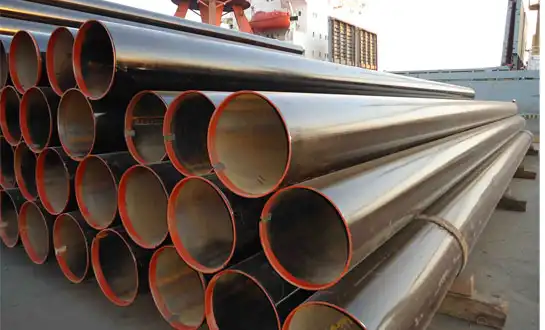
An integrated supply of pipes, fittings, and flanges means sourcing all your critical piping components from a single, approved manufacturer rather than coordinating with multiple disparate vendors. This procurement model is a more efficient way of sourcing from suppliers because it makes things more compatible, cuts down on wait times, makes paperwork easier, and lowers project risk. When pipes, elbows, tees, reducers, weld neck flanges, blind flanges, and other parts are made with the same standards, materials, and certifications, they are easier to install and last longer. In the US, integrated supply is often the difference between a well-run project and an expensive delay for EPC companies, wholesalers, plants, and people who buy infrastructure.
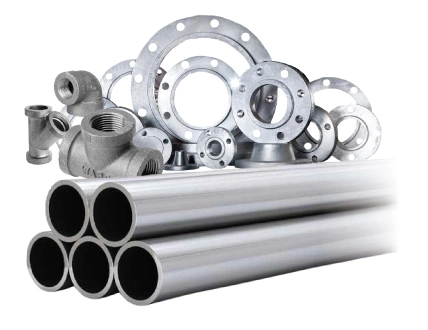
Understanding Pipes, Fittings, and Flanges: Definitions and Types
Every part of a pipe system has to fit together mechanically and functionally for it to work. The fluid is moved by pipes. When fittings are put on, lines can change direction, reduce diameter, or terminate, or ends can be closed. Flanges make links between lines, valves, pumps, and other equipment that can be taken apart.
Common product types used in industrial systems
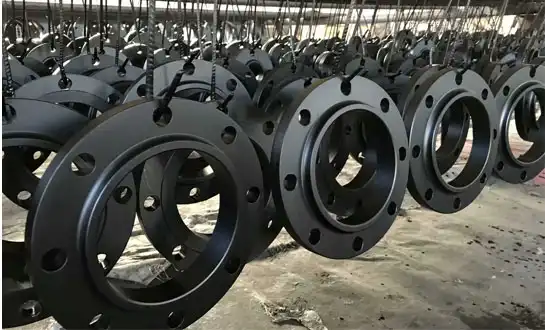
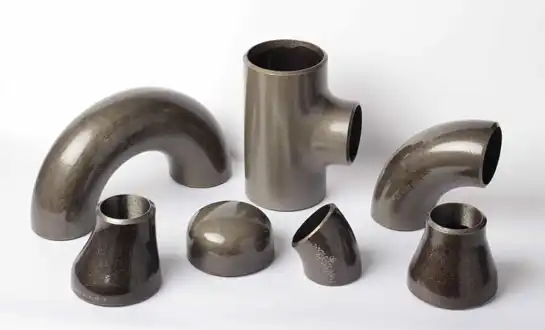
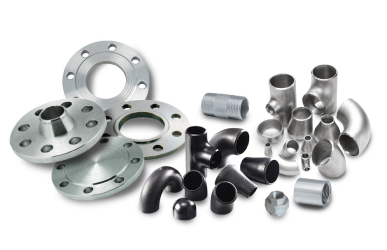
Most of the time, 45° and 90° elbows, tees, reducers, joints, and caps are used in real tasks. There are many types of flanges, such as weld neck, slip-on, socket weld, threaded, and blind. For different needs in terms of pressure, temperature, and upkeep, each one is used. Weld neck flanges are often used in tough environments because they do a good job of spreading stress. A lot of the time, slip-on flanges are easy to line up correctly. Blind flanges cover the ends of pipes or holes in vessels.
Materials and standards that matter in procurement
Choice of material affects both function and cost over time. Carbon steel is widely used due to its strength and cost efficiency because it is strong and doesn't cost a lot. Stainless steel is often chosen because it doesn't rust. More difficult working situations can be handled by alloy steel. Compliance is a must for many business-to-business sales. Buyers should check that the product meets standards like ASME B16.9, EN 10253, ANSI, DIN, ISO, and any GOST-R requirements that apply. They should also look at mill paperwork and tracking.
Our goods at RAYOUNG are made to meet the exact requirements of ASME B16.9 / EN 10253 / GOST-R standards. We sell carbon steel, alloy steel, and stainless steel products. The surfaces can be treated with sandblasting + anti-rust oil, water-based eco-friendly paint, and epoxy coating. That gives procurement teams more control over how long something will last, how it will be stored, and whether it will work in the end program.
Choosing the Right Pipes, Fittings, and Flanges for Your Project
People who look for this topic on Google generally have a clear commercial-investigative goal in mind. Buyers want quick answers to questions like, "What kind of material is best for my service condition?" What kind of flange should I use? What can I do to avoid mismatches and extra work? That means the best way to decide what to buy is to match technical features with how things really work.
Match products to pressure, media, and temperature.
I always say to start with the factors of the process. Every choice should be based on the pressure grade, the type of fluid, the working temperature, the risk of corrosion, and the fitting area. A water line in a business building is not the same as a line in a high-temperature factory or a chemical plant. If you choose the wrong reducer, bend radius, gasket face, or flange class, you could end up with a leak, a lot of upkeep problems, or inspection failures.
Here is the practical selection logic. I use the following with B2B buyers:
- If the system handles corrosive media, frequent cleaning cycles, or outdoor exposure, stainless steel often delivers better value over the full service life, even if the upfront cost is higher. If the project needs solid mechanical strength with tighter budget control, carbon steel remains a strong choice, especially when paired with proper coatings, approved pressure classes, and clear maintenance planning. In more demanding industrial service, alloy steel may be necessary to meet temperature and pressure targets.
- If a connection must accommodate frequent disassembly for maintenance, flanged joints are the logical choice over permanent welded connections. If leak integrity and structural consistency are most important in high-pressure service, welded fittings and weld-neck flanges are often preferred. Threaded connections can be useful in smaller bore systems where welding is less practical, though application limits should always be checked against code and service requirements.
Why does integrated sourcing reduce mismatch risk?
Small differences in size can cause costly problems in the field when pipes, buttweld joints, and flanges come from different sellers. Schedules, wall thickness, edge details, pressure classes, and paperwork sets are easier to line up when the supply is integrated. It's also easier to keep track of unique items like reducing tees and large-diameter 90° elbows as well as materials that are made to fit the needs of a particular project.
How to Install and Maintain Pipes, Fittings, and Flanges Correctly?
Even great goods can fail if they aren't installed correctly. Safety, efficiency, and guaranteed trust are all protected by good installation.
Installation basics that prevent leaks
Before putting anything in place, I would check all of it for damage from shipping, problems with the covering, inconsistent sizes, and material marks. The ends of the pipes should be clean and straight. Both the type of gasket and the closing surface must match on the flange faces. When tightening bolts, they should do so in a controlled cross-pattern manner and with the right amount of force. Misalignment is a main reason why flanges leak, so on an expert project, your components should never be forced into alignment.
Maintenance routines that lower total cost
People who buy industrial equipment often look at the price, but the total cost of ownership is the key factor. Checks for rust, seal condition, bolt loosening, coating breakdown, and vibration stress around joints should all be part of regular inspection plans. In many factories, planned checks during shutdown times help keep costs low and unexpected downtime to a minimum.
We offer a range of industrial pipe fittings, including buttweld steel elbows, steel reducers, and flanges, which ensure secure connection points. Our product lineup includes solutions for all design requirements, ranging from straight lines through complex angles to flexible joints. That range helps maintenance teams standardize supply and reduce replacement delays.
Benefits and Challenges of Using Integrated Pipes, Fittings, and Flanges Supply
Integrated supply makes it easier for buyers to go from getting a quote to placing an order. It's especially helpful for EPC contractors, stockists, government projects, and industry end users who need to stick to a plan and make sure their paperwork is always the same.
Main benefits for B2B buyers
The strongest benefit is control. One provider who works together can better handle production planning, inspection records, packing lists, and shipping times than several vendors who don't work together. The buyers also get better contact, better compatibility across the whole piping package, and stronger responsibility if problems happen.
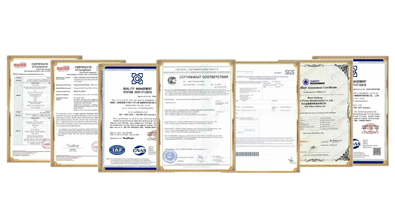
This matters when you need more than standard catalog items and pipe fittings flanges. RAYOUNG supports custom sizing and special materials, backed by CE/PED 2014/68/EU, ISO 9001, and GOST-R certifications, with complete technical documentation provided. Our products are also approved by NIOC, ADNOC, and PETROBRAS, which adds confidence for buyers working under strict review procedures.
Common challenges and how to manage them
Challenges still exist. Material mismatch, documentation gaps, quality variation, and delivery delay can affect any supply chain. The best way to reduce those risks is through pre-qualification, drawing confirmation, inspection planning, and realistic logistics scheduling. I advise buyers to request heat numbers, dimensional reports, coating details, and certification packages before shipment, not after arrival. That simple discipline reduces disputes and speeds project acceptance.
Procurement Guide: Where and How to Source Pipes, Fittings, and Flanges?
Supplier selection should reflect more than price. Search intent data for industrial piping products shows that buyers also care about compliance, delivery reliability, technical support, and export documentation.
What to check before placing a B2B order?
A good provider should offer product standards, inspection procedures, the ability to track materials, and examples of real industrial projects. Client reviews and project approvals matter because they reveal whether the supplier can perform under pressure. Buyers in the USA often compare local and international sourcing based on freight cost, stock availability, and lead time flexibility. Local sourcing may reduce transport time, while international sourcing can improve cost efficiency and expand access to custom manufacturing.
RAYOUNG is globally recognized as a premier manufacturer and integrated supplier of industrial steel pipes, fittings, and flanges. Backed by rigorous GOST-R and SGS certifications, we ensure absolute export compliance and uncompromising quality validation. Our comprehensive piping solutions deliver exceptional performance, safety, and long-term durability for heavy industrial plants, petrochemical facilities, and massive municipal infrastructure. Operating under strict ISO 9001:2015 quality management, we understand that delivering uniform, certified quality across every single application is paramount to your project's success.
Conclusion
Integrated supply of pipes, fittings, and flanges gives B2B buyers a practical way to reduce risk, improve compatibility, and keep projects moving. I believe the best results come from choosing the right materials, making sure they meet standards, installing them correctly, and being honest with the provider. A procurement team can better control quality, make paperwork easier, and keep track of schedules when they only work with one reliable source. That is why integrated sourcing continues to grow across industrial, infrastructure, and commercial projects.
FAQ
1. What is the biggest advantage of integrated piping supply?
The biggest advantage is being able to work together. One provider can make sure that the whole package's measurements, materials, coatings, certifications, and delivery dates are all the same. This helps cut down on mistakes, extra work in the field, and the complexity of buying.
2. Which is better for industrial piping, carbon steel or stainless steel?
It depends on how the service is run. Most of the time, carbon steel is stronger and cheaper for many devices. Most of the time, stainless steel is better when it comes to resistance to rust, cleanliness, or being exposed to tough environments.
3. How do I verify flange and fitting quality before shipment?
Ask for mill test certificates, dimensional inspection reports, information on the pressure class, information on the coating, and any compliance papers that are needed, such as records linked to ASME, EN, ISO, CE/PED, or GOST.
Partner with RAYOUNG for Reliable Pipes, Fittings & Flanges Supply
Need a trusted pipes fittings flanges supplier for your next project? RAYOUNG can support standard and custom requirements with certified quality, responsive service, and export-ready documentation. If you are evaluating premium manufacturers for an integrated supply of pipes, fittings, and flanges, contact our engineering and sales experts at info@hb-steel.com. Let’s discuss your technical specifications, project timelines, and budget today.
References
1. ASME B16.9 Factory-Made Wrought Buttwelding Fittings
2. ASME B16.5 Pipe Flanges and Flanged Fittings
3. EN 10253 Butt-welding pipe fittings
4. ISO 7005 Pipe flanges
5. Pressure Equipment Directive 2014/68/EU
6. International Organization for Standardization, ISO 9001 Quality Management Systems

Need a quote? Want to see samples? Just say hello. We’re friendly. We’re fast. And we’re ready when you are.
Welcome to RAYOUNG – Strong Pipes, Stronger Promise