Hardness Testing HB vs HRC for Carbon Steel Flanges
When I look at HB and HRC hardness tests for carbon steel flanges, the short answer is that HB (Brinell Hardness) works better for forged flanges with rougher surfaces or thicker sections, while HRC (Rockwell C) works best when I need to check harder, more uniform parts more quickly. When buying in a business-to-business (B2B) environment, the right test affects compliance, seller approval, and long-term performance. When I look for carbon steel flanges for pressure pipes, I don't think about how hard they are, like it's a lab detail. I use it as a checkpoint when I buy something to make sure it's strong, consistent, and right for the job.
Understanding Hardness Testing Methods for Carbon Steel Flanges
Most of the searches on Google about this subject are business or technical in nature. Buyers want to be able to quickly compare things, know what the standards are, and be told which test they should ask providers to do. Because of this, an answer in the style of a highlighted clip works well here: HB uses a ball indenter to measure the indentation area and works best on thicker, less finished carbon steel parts; HRC, on the other hand, uses a diamond cone to measure the indentation depth and works best on harder, more prepared surfaces for faster testing.
What HB hardness testing means
For Brinell hardness tests, a hard ball is pushed into the metal with a set amount of force. I measure the indentation diameter and turn it into an HB number. A lot of forgings use this method because it spreads out the hardness over a bigger area. That makes it useful for carbon steel flange grades that may have surface differences after being forged or heated.
For common forged flange materials such as ASTM A105 and ASTM A350 LF2, I find that HB testing gives me a more accurate picture of how the material will behave in the bulk. It helps me a lot when I want to make sure that the material is uniform rather than relying on a localized measurement.
What HRC hardness testing means
To do Rockwell C testing, a diamond cone is used to measure the depth of entry while the test is being loaded. When speed is important, and the material is hard enough for the C scale, I like HRC. It works faster than Brinell and is easier for regular production checks, but the test area needs to be set up correctly.
HRC is less commonly specified than HB when ordering standard carbon steel flanges. Sometimes it is, but only when there is a specific hardness requirement, heat treatment condition, or customer inspection plan that calls for Rockwell testing.
Key differences between HB and HRC
It's not just the unit that's different. The method changes the quality of the result and the value of the purchase.
In general, this is how I compare them:
- HB gives me broader material representation. Brinell testing better shows the normal state of the flange body because the depression is bigger. This is important when I buy forged weld neck or blind flanges for pressure service, since differences in hardness in different areas can hide uneven heat treatment. HB is often chosen for inspecting thicker parts when they come in because it works well with real production settings and material approval review.
- HRC gives me speed and production convenience. Rockwell C is easy to repeat and runs faster on areas that have already been prepared. This helps with quality control on the shop floor. HRC can help suppliers make faster release choices if they have a production line that makes a lot of made-to-order parts. I still check to see if that result makes sense for the application based on the section thickness, surface finish, and grade.
Application of Hardness Testing in Carbon Steel Flanges
There is a strong relationship between hardness and tensile strength, wear resistance, and resistance to deformation. As a buyer, I don't see hardness data as separate from standards. It helps make sure the material meets ASTM standards and that the plate can work under stress from pressure, temperature, and fitting.
Why hardness matters for flange performance
If carbon steel flanges are too soft, they risk plastic deformation or gasket embedment at the sealing face and bolt load zones. Conversely, if the material is excessively hard, it becomes brittle, difficult to weld, and highly susceptible to cracking under stress—often indicating improper heat treatment. This is very important for projects that involve oil and gas, making electricity, treating water, building ships, and making petrochemicals.
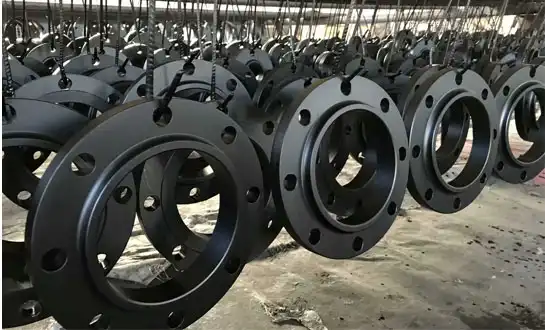
For ANSI/DIN/JIS standard flanges with RF/FF/RTJ facings that can be used in high-pressure situations, I need hardness results that fit the grade, the way they were made, and the service role. Even though CNC-machined sealing surfaces make sealing more reliable, the right strength of the material is still the most important thing for mechanical stability.
Hardness by flange type and grade
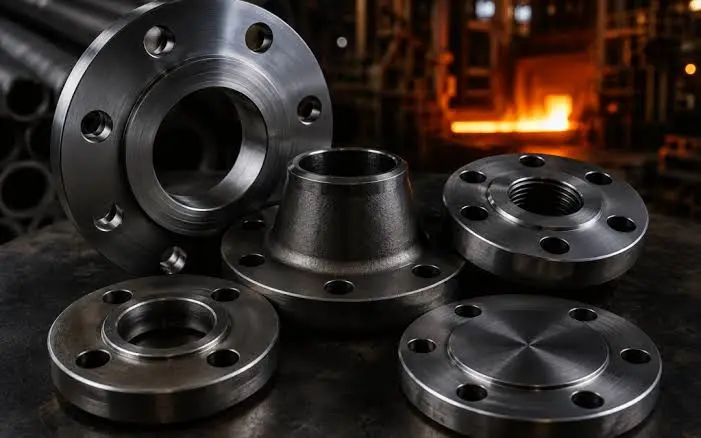
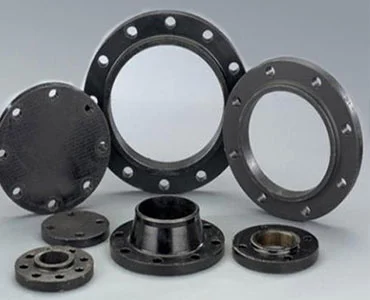
Different types of flanges are put under different kinds of stress. Weld neck plates can handle more pressure and dynamic loads. In smaller duty designs, slip-on flanges are often used. Blind lips keep the pressure on the end. Threaded flanges can be used in places with low pressure or no welding. Heavy-duty lines with small bores often use socket weld ends.
For most grades:
- Forged ASTM A105 flanges are used a lot in work at both normal and high temperatures.
- For low-temperature use where notch toughness is important, ASTM A350 LF2 is chosen.
Brinell testing is commonly used for forged flanges because it better shows how the forged piece is made. When process control needs quick confirmation, Rockwell may be used when rapid hardness verification is required on suitably prepared surfaces.
Comparative Analysis: When to Use HB vs HRC for Procurement Decisions
Buyers are looking for a way to make a decision when I model SERP expectations. They want to know not only what the idea is, but also what to ask for in an RFP, PO, or review plan.
When I prefer HB
When I need to buy forged carbon steel flanges for important work and trust the quality of the bulk material, I ask for HB. A rough surface, a wider cross-section, and materials where normal hardness tells you more than a narrow point reading are all good places to use it.
An EPC order for A105 weld neck flanges in industrial pipes is a real-life example. If the seller gives me full MTC traceability with Brinell hardness values linked to heat numbers, I can be more sure of the stability across lots and lower the project risk.
When I prefer HRC
When the part is hard enough, the surface is ready, and speed of production is important, I like HRC better. It can help with regular checks while cutting or releasing after heat treatment. Rockwell can help me keep inspections running smoothly if I'm looking at a source that makes a lot of things quickly and in big batches.
Still, I don't think faster always means better. Before I put it in the quality plan, I make sure that HRC is right for the grade and shape.
Procurement factors that shape the choice
Cost, wait time, and how well a seller is judged are all affected by the test method. I usually look over:
- length and shape of the lip
- Type of material and conditions of heat treatment
- Finish at the place where the test was done
- Specifications from the company or end-user
- Expectations for a third-party inspection
- package for approval and MTC information
This is why source openness is important. A dependable provider shouldn't just put a hardness number on the paperwork; they should also explain why a certain test method was chosen.
Integrating Hardness Testing into Flange Quality and Supply Chain Management
Testing for hardness is more useful when I link it to the whole supply chain. It helps with checks of suppliers, inspections of arriving goods, preventing NCR, and talking about warranties. I can also use measured data instead of just price to compare one source to another.
Using hardness data in certifications and supplier approval
As part of the general quality file, I look for records of the material hardness, chemical makeup, tensile strength, heat treatment, and dimensions. This helps make sure that global projects follow ASME, API, EN, and customer-specific rules.
At RAYOUNG, they have ANSI/DIN/JIS standard flanges with RF/FF/RTJ facings, CNC-machined sealing surfaces, full MTC tracking, and the option to hot-dip galvanize. That mix is important because not only the price of the carbon steel flanges but also the paperwork, the quality of the work, and the protection against corrosion all affect buying confidence.
Reducing risk across the supply chain
A lot of buyers worry about wait time, but forget about proof depth. That's a risk. Before flanges are used, hardness testing helps find problems with variations in heat treatment, using the wrong material, and not controlling production well enough.
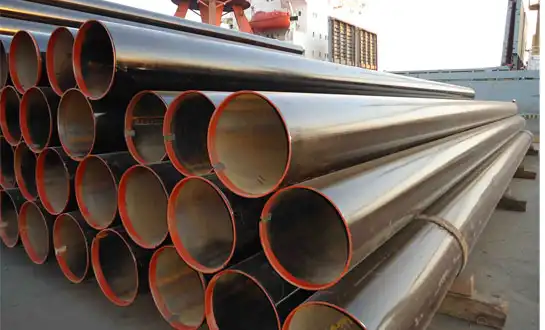
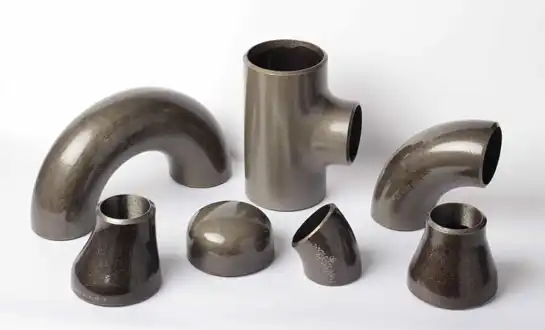
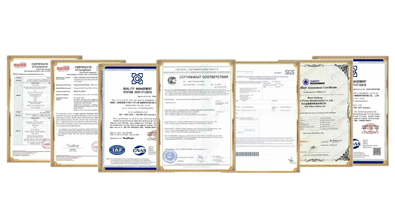
This is exactly where partnering with a premier manufacturer like RAYOUNG adds immense value. Beyond merely supplying carbon steel flanges, we provide a comprehensive portfolio of industrial pipe fittings—including precision-engineered buttweld elbows, reducers, and seamless pipes—ensuring that every connection in your critical system is absolutely secure. Backed by rigorous GOST-R and SGS certifications, we guarantee strict export compliance and uncompromising manufacturing quality for our global clients. Operating under robust ISO 9001:2015 quality management systems, we deliver the exceptional performance, safety, and long-term resilience demanded by heavy industrial plants, petrochemical facilities, and mission-critical energy infrastructure worldwide.
Maintenance and Longevity of Carbon Steel Flanges: The Role of Hardness
It's not just before shipping that hardness is a problem. It also helps with planning upkeep. Pressure changes, vibrations, weather changes, and rust can all change the way a flange system works over time.
Hardness checks in preventive maintenance
In important plants, I think it's helpful to check the hardness on a regular basis during shutdowns or when planning replacements. If the hardness changes outside of the normal range, it could mean that the material isn't matched properly or that it has been damaged by heat. That gives repair teams a good way to check things out before they break.
Hardness, wear, and service life
Hardness does not directly determine corrosion resistance, but it does affect resistance to distortion and strength in general. When I combine hardness information with information about the type of material, the coating, and the service area, I can make better choices about replacements and lower the total cost of ownership.
This matters to factories, wholesalers, EPC workers, and installers all at the same time.Ultimately, all stakeholders—from end-users to EPC contractors—demand the same critical outcomes: inherently safe operations, zero liability claims, and absolutely predictable, long-term performance from their carbon steel flanges.
Conclusion
HB and HRC are both useful, but they can't be switched out for every flange buy. I use HB when I need a more representative reading on forged carbon steel flanges, especially for tougher jobs with high pressures. When speed, accuracy, and ready surfaces make Rockwell useful, I use HRC instead. The best way to buy something is to make sure that the test method fits the grade, shape, standards, and inspection plan of the flange. I feel less risk, have better control over my suppliers, and buy with more trust when hardness data is clear, can be tracked, and matches the needs of the project.
FAQ
1. Is HB or HRC more common for carbon steel flanges?
Most of the time, HB is used for forged carbon steel flanges because it better shows the material's usual hardness over a bigger test area.
2. Can I convert HB directly to HRC?
There are approximate conversion guides, such as those in ASTM E140, but I don't use conversion alone to decide if something is acceptable unless the standard says so.
3. Do flange standards always specify hardness limits?
Not all the time. A lot of standards are about chemistry and mechanical qualities. Hardness may show up in material specs, heat treatment rules, or inspection records from the end user.
4. Why does full MTC traceability matter with hardness testing?
It sets the hardness number based on the exact batch, heat, and product. That gives me more confidence in the quality and makes it easy to check the seller.
RAYOUNG Carbon Steel Flange Solutions for EPC and Industrial Projects
Need a premier manufacturing partner with a proven history of uncompromising quality to supply your carbon steel flanges? Contact our engineering experts at info@hb-steel.com to discuss your specific project specs, RF/FF/RTJ facings, full MTC documentation, and precise hardness testing requirements. Whether you are an EPC contractor, a global distributor, or an industrial end-user, our team is fully equipped to deliver the premium piping solutions your critical projects demand.
References
1. ASTM International, ASTM E10: Standard Test Method for Brinell Hardness of Metallic Materials
2. ASTM International, ASTM E18: Standard Test Methods for Rockwell Hardness of Metallic Materials
3. ASTM International, ASTM E140: Standard Hardness Conversion Tables for Metals
4. ASTM International, ASTM A105/A105M: Standard Specification for Carbon Steel Forgings for Piping Applications
5. ASTM International, ASTM A350/A350M: Standard Specification for Carbon and Low-Alloy Steel Forgings, Requiring Notch Toughness Testing for Piping Components
6. ASME, B16.5: Pipe Flanges and Flanged Fittings

Need a quote? Want to see samples? Just say hello. We’re friendly. We’re fast. And we’re ready when you are.
Welcome to RAYOUNG – Strong Pipes, Stronger Promise