Pipeline Elbow Sizing: Design Rules for Reliable Flow
Selecting the correct pipeline elbow size is essential to maintain reliable flow, minimize pressure losses, and prevent catastrophic failures in industrial piping systems. A properly sized pipe elbow ensures smooth fluid transition through directional changes while preserving system integrity under demanding operational conditions. Whether you're managing high-pressure petrochemical lines or critical municipal water infrastructure, understanding elbow dimensions, bend radius relationships, and material specifications directly impacts project safety, cost efficiency, and long-term performance.

Understanding Pipeline Elbow Dimensions and Types
Essential Function of Pipe Elbows in Fluid Transport
Pipeline bends change the flow direction within a network of pipes without compromising the reliability of the structure. The main challenge is how to route pipes around obstacles, connect equipment that is at different heights, and create compact system layouts. When fluid goes around a bend, the velocity profiles change and secondary flows form. To stop erosion, shaking, and early wear, it is very important to have precise control over the dimensions.
Common Elbow Angles and Configurations
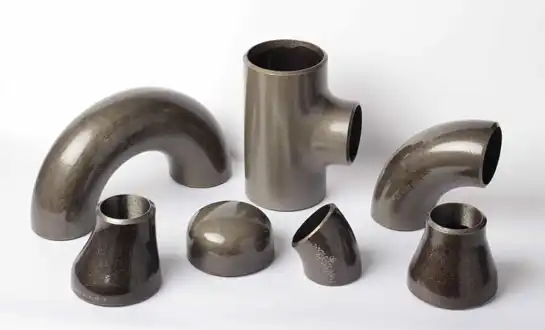
The 90-degree elbow redirects flow by 90 degrees, which is great for getting through tight spaces in factories and buildings where utilities are being installed. This arrangement is common in places like power plant steam lines, chemical processing units, and offshore platform lifts where directions must be changed right away. The 45-degree elbow makes the change more gradual, which lowers turbulence and pressure drop in places where flow efficiency is more important than tight routing, such as in HVAC distribution networks and slurry transport systems.
Long Radius vs. Short Radius Distinctions
Long radius elbows have a central bend radius that is 1.5 times the standard pipe diameter. This makes the flow curve more gentle, which reduces friction losses and erosion. These fittings are good for high-speed uses like natural gas transfer and crude oil pipes, where saving energy is worth the extra cost of the materials. When there are a lot of pipes in a place, short radius elbows can help save space because the centerline bend radius is the same as the nominal width. Short-radius bends are often used on naval ships, underwater pipes, and small processing skids where installation space is limited and hydraulic efficiency is the most important factor.
Critical Dimensions: Bend Radius, Diameter, and Wall Thickness
Flow capacity and pressure grade are based on accurate measurements of the outside diameter, wall thickness (schedule), and centerline radius. A 6-inch nominal diameter long radius 90-degree elbow made to ASME B16.9 standards has a 9-inch center radius and specific end-to-end measurements that make sure it fits correctly when it is installed in the field. The choice of wall thickness is based on the pressure-temperature ratings. For example, Schedule 40, 80, and 160 designations mean that the thicker wall can withstand higher internal pressure.
Material Options and Their Impact on Sizing
Because they are strong for the price and easy to make, carbon steel elbows are used a lot in oil and gas, power generation, and other industry settings. Grades of stainless steel like 304L and 316L don't rust, so they can be used in places that process chemicals, make medicines, or make food. Specialty metals like Inconel, Hastelloy, and duplex stainless steel are used in harsh working situations with chemicals, high temperatures, or sour gas. Material density and thermal expansion coefficients affect how far apart the supports need to be and how much stress needs to be calculated during the design of the system.
International Standards Framework
In North American markets, ASME B16.9 sets the sizes and standards for factory-made wrought buttweld fittings, including the pipeline elbow. This makes sure that fittings from different makers can be used interchangeably. In Europe, most buying rules are based on DIN norms. For oil and gas pipeline applications, the applicable fitting, material, and piping standards must be specified separately from API 5L requirements for line pipe. These frameworks set up testing protocols, material traceability, and consistent dimensions that help multi-vendor sourcing strategies work. When comparing quotes from suppliers, procurement teams look at these standards to make sure they are met and to avoid problems with alignment during building.
Design Principles and Rules for Pipeline Elbow Sizing
How Does Elbow Geometry Influence Fluid Dynamics?
When flow goes into a bend, centrifugal force pushes the fluid toward the outside wall. This makes the flow velocity uneven and sets up secondary circulation patterns. When compared to straight pipe sections, this effect makes the pressure drop higher and focuses erosion on the outer radius. Dean number calculations, which use Reynolds number and bend radius ratio, help engineers choose the right elbow designs for different working situations by giving them a number for each effect.
Relationship Between Bend Radius and Pressure Loss
Larger bend radii lower pressure drop by lowering the extent of flow separation and turbulence. When flow conditions are the same, a long-radius elbow usually loses 30 to 40 percent less pressure than a short-radius elbow of the same nominal size. This difference directly affects how much pumping energy costs over the life of a building. To find the total system resistance, you have to add up the equivalent lengths of all the elbows. 90-degree standard elbows have an equivalent length of about 30 pipe diameters, while long-radius elbows are typically around 16 pipe diameters, although the actual value depends on the fitting geometry and flow conditions.
Diameter and Schedule Selection Criteria
Matching the elbow's width to the pipe sections upstream and downstream keeps the flow going and stops erosion or cavitation caused by speed. Undersized elbows create bottlenecks that speed up the flow of fluid and increase pressure losses. Oversized parts lose material and make support design more difficult. Schedule selection takes into account things like soil overburden for buried lines or seismic acceleration for above-ground installations to find the best balance between internal pressure containment and external load capacity.
Comparing 90-Degree and 45-Degree Applications
Sharp 90-degree turns are good for situations where space constraints are more important than hydraulic performance. Right-angle designs are often needed for boiler connections in power plants, platform deck penetrations, and machinery rooms in buildings. When there is room for it, using two 45-degree elbows instead of one 90-degree bend can reduce the total pressure loss, depending on the elbow geometry and flow conditions. This method is used in pump suction pipes to keep the net positive suction head high enough to avoid cavitation damage.
Practical Sizing Calculation Methods
To find the pressure drop across elbow assemblies, engineers use Bernoulli's principle, continuity equations, and empirical loss coefficients. Software tools use ASME fluid flow relationships and data specific to the maker to make system curves that match how well the pump works. For verification, estimated speeds are compared to erosional velocity limits, which change depending on the properties of the fluid and the hardness of the material. Most services that deal with crude oil keep speeds below 15 feet per second. On the other hand, clean water systems may operate at higher velocities, but the allowable velocity must be established based on pipe material, diameter, pressure, erosion risk, and the applicable design criteria.
Case Study: Optimizing High-Pressure Steam Systems
At first, a 450-psig steam distribution network that served several process units called for short-radius Schedule 80 carbon steel elbows at all direction changes. Within three years of being put into service, thermal cycling caused fatigue cracks to appear at several bends. Long-radius Schedule 160 elbows were installed at key stress points to replace the original short-radius fittings, and expansion loops were added to allow for thermal growth. Using finite element modeling to look at stress showed that peak stresses dropped by 45%, and the resulting reduction in pressure drop saved 180,000 kWh of boiler fuel every year. The costs of the upgrades were paid for within 18 months by the savings in energy use and the elimination of maintenance shutdowns.

Material Selection and Manufacturing Methods Affecting Elbow Performance
Carbon Steel vs. Stainless Steel Applications
Carbon steel is a common choice for non-corrosive applications across a broad range of temperatures because it has good mechanical properties and is relatively inexpensive because it has good mechanical qualities and is cheap. As long as the internal corrosion rate stays low enough, ASTM A234 WPB material can be used in water distribution, compressed air systems, and petroleum processes. When fluid chemistry attacks carbon steel or when there are concerns about product contamination, stainless steel is needed. Food processing plants, semiconductor fabrication plants, and drug companies all use 316L stainless steel elbows to keep things clean and stop metallic ions from leaching.
Seamless vs. Welded Construction
When hot pressing is used to get the right bend shape without longitudinal lines, seamless elbows are made from solid pipe stock. This method of production creates a uniform grain structure and gets rid of any possible weld flaws. This makes seamless construction an option for high-pressure applications such as 10,000-psi subsea flowlines when required by the applicable design and procurement specifications. Welded elbows are made from plate material that is rolled and seamed before it is bent. They are cheaper for services with large diameters and lower pressures. As long as the joints are properly heat-treated and tested without damaging the material, quality-welded elbows meet ASME B31.3 standards for most uses in chemical plants and refineries.
Forged vs. Cast Elbow Characteristics
Forging presses hot metal billets into molds, creating dense microstructures that are stronger and less likely to break. Forged construction makes heavy-wall elbows that are used for sour gas service, hydrogen systems, and cryogenic applications tougher. Casting is a cheap way to make things of complex shapes and big sizes by pouring liquid metal into molds. Cast stainless steel elbows are useful in systems that deal with seawater, chemicals that are likely to rust, and high-temperature waste gas systems because casting saves money over expensive cutting.
Quality Control in Manufacturing
Using ultrasonic gauges and coordinate measuring tools, dimensional measurement checks the accuracy of the centerline radius, end bevel angles, and the uniformity of the wall thickness. Hydrostatic testing, when specified, verifies that finished elbows can withstand the test pressure required by the applicable piping code without leakage or loss of serviceability. Through X-ray fluorescence analysis, positive material identification proves the alloy's makeup. This keeps grade mix-ups from happening, which could lead to failures in the field. When you look at the welds on welded elbows with an x-ray, you can find internal flaws like porosity, slag inclusions, and incomplete fusion that weaken the structure.
Matching Materials to Service Conditions
To choose the best material and manufacturing method, you need to look at things like fluid properties, working pressures, temperature differences, and how corrosion works. Corrosion-resistant materials, such as 316L stainless steel or suitable duplex grades, are needed in acidic or chloride-containing environments where pitting or stress corrosion cracking is a concern. For steam service above 800°F, chrome-moly metals like ASTM A335 P11 or P22 are needed because they keep their creep strength. No matter what base metal you choose, abrasive slurries need hardened materials or coatings that don't wear away easily. To meet performance standards and minimize lifecycle costs, procurement pros use material selection charts, corrosion rate databases, and specialized help from suppliers.
Conclusion
For effective flow performance throughout a system's lifecycle, the right pipeline elbow size takes into account the accuracy of the measurements, the fit of the material, and the quality of the manufacturing. Knowing how bend radius affects pressure drop, choosing the right materials for the job, and following good maintenance procedures all have a direct effect on operational safety and cost efficiency. Project risks are kept to a minimum by procurement professionals who work with qualified sources, clearly describe parts, and check quality paperwork. When engineering teams follow tried-and-true design rules, they make systems that meet performance goals and don't break down too soon. These practices keep investments safe, make sure that rules are followed, and keep output going in all industrial areas.
FAQ
1. How do I accurately measure pipeline elbow dimensions?
To make sure it is round, use accurate calipers or diameter tape to measure the outside diameter at several points around the circumference. To make sure that the schedule stays the same, wall thickness needs to be measured with ultrasonic or mechanical tools in several places. Trigonometric relationships are used to figure out the centerline bend radius from the distance between the elbow end faces and the bend angle. Use welding gages to check the bevel angles and make sure they fit correctly with the pipe sections that go with them.
2. What distinguishes seamless from welded elbow construction?
Since seamless elbows don't have longitudinal weld seams, they don't have any possible seam flaws and are strong in all directions. Welded elbows have a lengthwise seam where the plate edges meet, so they may require radiographic testing and appropriate heat treatment to meet the performance requirements of seamless elbows. For important high-pressure services, seamless construction is best, but high-quality welded elbows perform well in most industrial settings and are cost-effective when made and tested correctly.
3. Which materials resist corrosive environments effectively?
In marine and chemical processing settings, 316L stainless steel and duplex alloys can provide improved resistance to chloride-induced corrosion, depending on the specific environment. Nickel alloys, such as Inconel 625, can handle high temperatures and acids. When carbon steel is in a corrosive climate, it needs protective layers or cathodic protection. What kind of material to use relies on the corrosive agents that will be used, the temperature range, and the rate of weathering that is acceptable over the design life.
Trusted Pipeline Elbow Supplier for Your Critical Projects
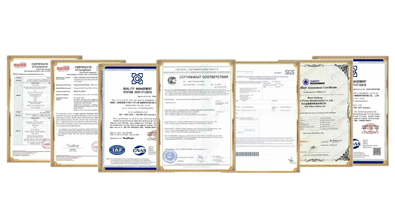
RAYOUNG makes pipeline elbow products with great care so they can meet the strict needs of industry projects around the world. We can make elbows out of carbon steel, stainless steel, and specialty alloys. These can be seamless or welded, and they have to meet ASME B16.9, DIN, and API standards. We keep our ISO 9001:2015 certification up to date along with our GOST-R and SGS export compliance paperwork. This makes sure that procurement teams managing complex supply chains can always rely on consistent quality. Our technical support team can help you make the best decisions about what materials to use and what sizes to order, whether you need standard catalog items that can be sent right away or solutions that are made to your exact specifications. You can discuss your project needs at info@hb-steel.com to get specific quotes. We offer reliable shipping plans and low prices to EPC contractors, distributors, engineering firms, and industry end-users to help your project succeed.
References
1. American Society of Mechanical Engineers. (2018). ASME B16.9: Factory-Made Wrought Buttwelding Fittings. New York: ASME Press.
2. Mohitpour, M., Golshan, H., & Murray, A. (2007). Pipeline Design and Construction: A Practical Approach (3rd ed.). New York: ASME Press.
3. Nayyar, M. L. (2000). Piping Handbook (7th ed.). New York: McGraw-Hill Professional.
4. Crane Co. (2013). Flow of Fluids Through Valves, Fittings, and Pipe (Technical Paper No. 410). Stamford, CT: Crane Co.
5. American Petroleum Institute. (2012). API Standard 570: Piping Inspection Code. Washington, DC: API Publishing Services.
6. Shah, V. B., & Shan, J. (2012). Piping and Pipeline Calculations Manual: Construction, Design, Fabrication, and Examination. Oxford: Gulf Professional Publishing.

Need a quote? Want to see samples? Just say hello. We’re friendly. We’re fast. And we’re ready when you are.
Welcome to RAYOUNG – Strong Pipes, Stronger Promise