Pipe Flanges Installation: Gasket and Torque Guide
In order to create reliable, leak-proof links between industrial plumbing systems, pipe flange installation is one of the most important operations. The integrity of the system, working safety, and long-term performance are all directly affected by the right installation methods, which include choosing the right gaskets, applying the right amount of torque to the bolts, and following systematic assembly routines. Getting to know these basics can help procurement workers and engineering teams lower project risks, keep costs down, and make sure that industry standards are met throughout the lifetime of an installation.
Introduction to Pipe Flange Installation
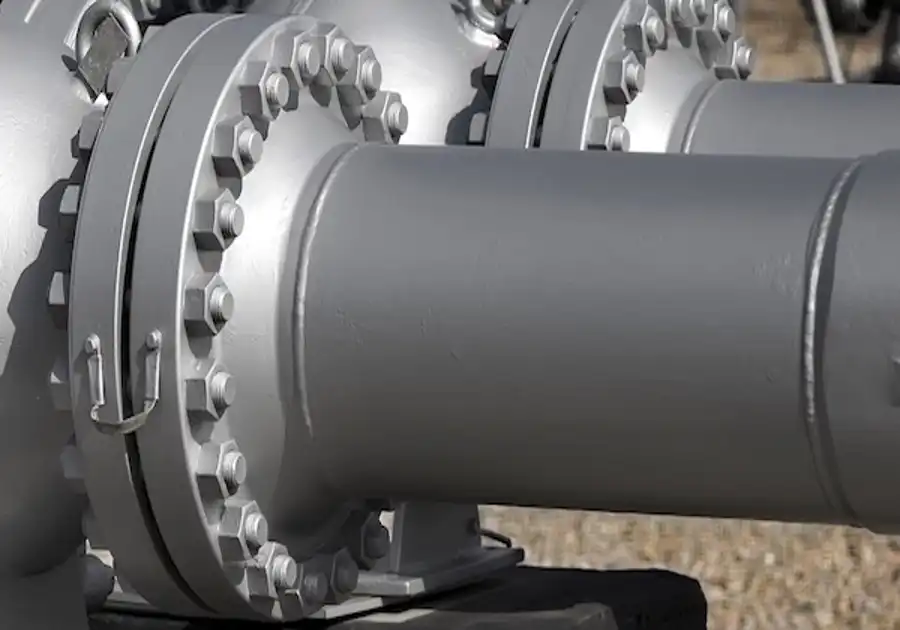
Within the scope of pipe flange installation, these components are essential parts of piping networks because they connect pipes and make it easy to put things together and fix them. They are used in water treatment plants, oil factories, chemical processing plants, and HVAC systems. The flange bodies, seals that provide sealing surfaces, bolts and nuts that hold the connection, and the special tools needed for proper assembly are the main parts that make up these mechanical joints.
Essential Components and Their Functions
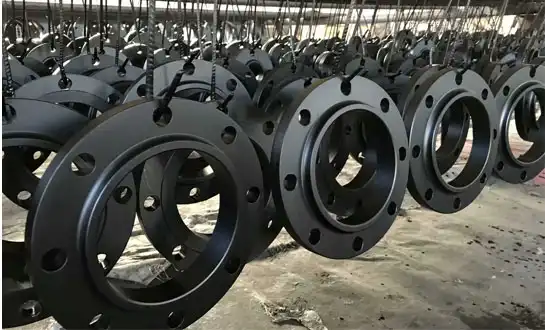
The flange body gives the joint its structural support. Weld neck flanges are used for high-pressure systems, slip-on flanges are used for moderate-pressure systems, and blind flanges are used to close off the ends of pipelines. Each design is tailored to meet unique operating needs and installation limitations.
Gaskets are the most important part of closing between joint faces. The choice of material is based on the temperature ranges, pressure ratings, and fluid properties of the working conditions. Nuts and bolts provide the tightening force needed to compress the gasket and maintain sealing integrity during operation.
Industry Standards and Compliance Requirements
ASME B16.5 talks about pipe flanges and flange fittings for NPS 1/2 to NPS 24, and ASME B16.47 talks about larger-diameter flanges. These guidelines list the sizes, pressure-temperature ratings, and materials that all makers must use in order for their products to work together. To meet project needs and legal responsibilities, procurement teams should make sure that flange assemblies meet the relevant ASME, ASTM, and API standards.
Common Application Areas
Flanged connections are used all over the structures of industrial buildings. In corrosive applications, chemical plants rely on flanged connections for reliable operation. At pump stations and valve setups, municipal water systems use flanges. Pressure cycles, temperature expansion, and exposure to the environment are some of the problems that are unique to each application and affect how it is installed.
Step-by-Step Pipe Flange Installation Process
For a pipe flange installation to proceed smoothly, there is a systematic process that begins with proper planning and concludes with pressure testing. Meticulous execution at every stage prevents costly errors and significantly increases service life.
Tool Preparation and Initial Setup
To start, get the tools you'll need, like torque wrenches that are tuned to the project's needs, flange alignment pins, wire brushes for surface cleaning, a cleaner for getting rid of grease, and the right safety gear for you. Check that the threads on the bolts are clean and oiled according to the pressure chart. Check the sides of the flanges for damage, corrosion, or foreign objects that could make it harder for the gasket to close.
Flange Alignment and Gasket Positioning
Proper pipe flange installation alignment prevents uneven gasket compression and stress concentration. To keep the flanges in place while you bring them together, put alignment pins through the bolt holes. Measure the gap between the flange faces at several places around the circle to make sure they stay parallel. For most uses, the difference is typically kept small (often around 1/16 inch), depending on alignment requirements and gasket type.
Ensure the gasket is perfectly centered on the flange face and fits within the bolt circle without protruding into the pipeline's internal bore, which could obstruct flow. When installing spiral wound gaskets, they should be put in the right way, with the outer centering ring facing the raised flange face. RTJ gaskets need to be seated precisely in the slot shape that is machined into the face of each flange.
Bolt Tightening Sequence and Torque Application
Hand-tighten all nuts before applying torque with a wrench. This allows the gasket to settle evenly and ensures the flange faces self-align. Apply the initial torque in a cross-pattern sequence, which means gradually tightening nuts that are opposite each other instead of going around the circle. This method evenly spreads force and keeps the gasket from distorting.
Usually, there are three passes: the first one uses 30% of the total force, the second one uses 60%, and the third one uses 100%. Always use torque tools that have been measured, and make sure you follow the manufacturer's instructions for the bolt size, material, and level of lubrication. Write down torque numbers for quality control records and to use as a guide for future repair.
Welding versus Mechanical Installation Methods
To get full entry joints with weld-neck flanges, you need trained welders and the right way to weld.This method produces a highly reliable connection, making it the preferred choice for critical services handling high temperatures and elevated pressures. Pre-heating and post-weld heat treatment may be needed based on the code and the material's specs.
Slip-on and threaded flanges can be installed more quickly and with less skill. Slip-on flanges are put on top of the pipe end, and both sides are fillet welded. Threaded flanges attach to pipe threads and work well in situations with a smaller width and less pressure. The choice relies on the conditions of the service, the time constraints, and the skills of the workers who are present.
Gasket Types and Their Installation Best Practices
The choice of gasket has a big effect on how reliable the seal is and how often it needs to be maintained. Knowing the properties of the material and how to install it correctly will help it work best in a variety of business situations during pipe flange installation.
Spiral-Wound Gaskets
Spiral wound gaskets are made up of metal winding strips and nonmetallic filler material. They make a strong seal that can handle high temperatures and pressures. The V-shaped metal winding has a spring-back feature that keeps the closing force even when the temperature and pressure change. These gaskets can handle small flaws in the flange and some flange movement.
The relatively fragile frame needs to be handled carefully during installation so that it doesn't get damaged. Make sure the seal is perfectly in the middle and that the outer ring touches the flange face evenly. Gradually apply pressure to the filler material to squeeze it without breaking the metal windings. Most of the time, spiral wound gaskets generally require lower bolt loads compared to solid metal gaskets, depending on design and service conditions, but they close better.
Ring Type Joint (RTJ) Gaskets
RTJ gaskets have solid metal rings that fit into holes that are machined into the sides of the flanges. When it comes to oil and gas production, these gaskets work great in high-pressure situations like wellhead tools and pipeline systems. The metal-to-metal contact makes a seal that is activated by pressure and gets tighter as the pressure inside rises.
The groove patterns must perfectly match the cross-sections of the gaskets. Standard shapes are oval or octagonal. Carefully check the grooves for any damage, rust, or old gasket material that might be blocking the proper fitting. Before installing, make sure the holes are very clean. During reassembly, it is mandatory to use new RTJ gaskets, as the metal rings undergo plastic deformation to form the initial seal and cannot be safely reused.
PTFE and Soft Gaskets
Polytetrafluoroethylene (PTFE) seals are very resistant to chemicals and work well with media that are acidic. These soft seals easily conform to flange faces, covering up small flaws and lowering the bolt loads that are needed. Expanded PTFE has better long-term seal retention because it can be compressed and recovered more easily.
When installing something, you need to think about creep relaxation, which is the way that soft materials tend to flow under long-term stress. Following the initial installation, re-torque the bolts after a designated period (such as 24 hours) to compensate for relaxation. Avoid over-compressing PTFE gaskets, as excessive torque can cause the material to extrude beyond the flange faces, compromising the seal.
Performance and Cost Comparison
Spiral wound gaskets are a good mix between performance and cost for general industrial use. They are usually not too expensive and can be used again and again if they are handled properly. RTJ gaskets are relatively expensive, but they are the most reliable in serious high-pressure situations. When used with chemicals, PTFE gaskets are a cost-effective alternative to metal seals that would rust. When making a purchase choice, the original cost should be weighed against the expected service life, the frequency of maintenance, and the effects of a failed seal.
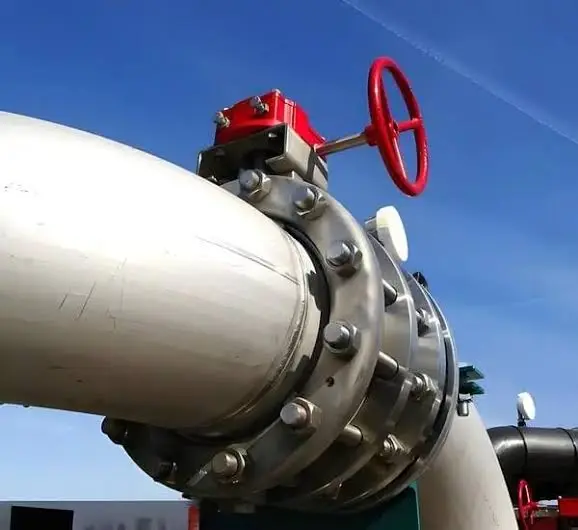
Avoiding Common Mistakes and Ensuring Safety in Pipe Flange Installation
Installation mistakes damage the system's structure and pose safety risks. Seeing how often mistakes happen and taking steps to prevent them saves people and property during pipe flange installation.
Improper Torque Application
When you under-torque, the seals don't get compressed enough, which lets leaking paths form. Over-torquing harms the flange faces and breaks the gasket material. It may also exceed the bolt's yield strength, which leads to early failure. Both situations cause problems with how things work and cost a lot to fix. Always look at torque tables that are made for the size of the bolt, the type of material, and the state of the grease. Regularly calibrate torque tools and teach workers how to fix things the right way.
Gasket Misalignment and Surface Contamination
When gaskets are placed off-center, the lines of compression and leakage are not even. Surface particles, such as rust, scale, old gasket material, or oil films, keep the gasket and flange face from touching closely. Before each assembly, clean the sides of the flanges with wire brushes and liquids that have been approved. Before applying bolt load, check the centring of the gasket both visually and by measuring.
Safety Protocols During Installation
There are many risks when working with flanged devices. Crushing injuries can happen when loads are suspended during flange placement. Pressurized systems hold on to energy that explodes strongly if links break. When you work with seals or clean surfaces, you come into contact with chemicals.
Use lockout-tagout methods to turn off all energy sources before you start working. For big flange systems, make sure you use the right lifting tools and methods. Wear the right PPE, like safety glasses, gloves, and clothes that protect you. Set up barriers around the work area to keep close people safe from possible leaks.
Quality Control and Inspection Methods
A visual check shows that the seal is properly seated and that the bolts are engaged evenly. Make sure that the seal material doesn't stick out too far past the flange sides. Ensure bolt lengths provide adequate thread engagement, typically requiring two to three full threads to be visible beyond the nut face, depending on project specifications.
Leak testing checks the quality of the work before it is put into service. To make sure a structure is strong, hydrostatic testing applies pressure above operating levels to verify the integrity of the system. During the first few hours of use, keep an eye on the flanges for leaks, strange sounds, or warping that you can see. Write down the results of the inspection and keep the records so that you can check for compliance and figure out what went wrong.
Conclusion
Pipe flange installation requires careful consideration of the seal choice, the right amount of force, and the following of established assembly steps. Understanding how parts work together, following industry standards, and avoiding common mistakes are ways to make sure that links don't leak and that processes are safe and effective. When procurement teams work with qualified suppliers, they can get the goods, expert help, and quality control they need to meet project goals while keeping costs and schedules under control. The information in this guide gives people who make decisions the confidence to install flanges correctly, which lowers risks and improves results in industrial pipe uses.
FAQ
1. What torque values should be used for flange bolts?
Torque specifications depend on the diameter of the bolt, material grade, thread condition, and the type of lubrication used during pipe flange installation. Based on these factors, ASME PCC-1 gives complete torque tables. When carbon steel bolts are dry, they usually need 50–70% of the values needed for bolts that are oiled. Always check the manufacturer's instructions and any relevant standards. Write down the exact force values used for quality control and future repair.
2. How do I choose between welded and threaded flanges?
Weld neck flanges are the best choice for important uses because they are stronger and can handle high pressure or temperature. Threaded flanges work well with low-pressure systems that have smaller sizes because they are easy to install and don't need to be welded. The right choice is made based on the service conditions, such as the pressure class, temperature rate, and fluid properties. Budget and time constraints also play a role in the choice.
3. Does gasket material affect torque requirements?
The compressibility of the gasket has a direct effect on the bolt force and torque numbers that go with it. Metal gaskets need more force to tighten, but soft gaskets like PTFE can be compressed more easily. For spiral wound gaskets to squeeze filler material without breaking metal parts, they need a moderate amount of torque. To make metal-to-metal contact in holes, RTJ seals need high bolt loads. Always make sure that the power specs take into account the type of seal material that is being used.
Partner with RAYOUNG for Reliable Pipe Flange Solutions
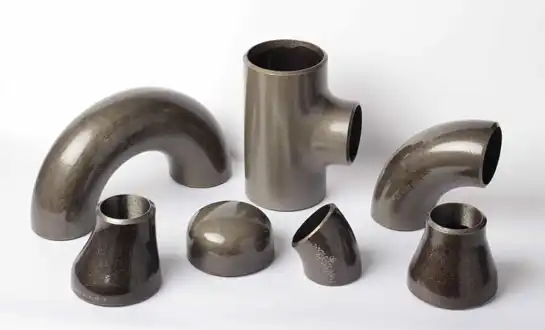
RAYOUNG offers full pipe solutions, such as precisely made flanges, buttweld elbows, reducers, and all the installation tools needed to meet strict industry standards. Our ISO 9001:2015-certified production makes sure that all of our carbon steel pipe fittings are of the same high quality. These fittings can be used in water systems, gas lines, and tough industrial settings. If you're an EPC contractor in charge of complicated projects, a distributor keeping track of stock, or an end-user seeking reliable pipe flange installation help, our professional team can help you. They can give you advice that is tailored to your needs. Email us at info@hb-steel.com to talk about your project needs, get reasonable quotes, or get full product specs from a reliable pipe flange manufacturer and provider that cares about your business's success.
References
1. American Society of Mechanical Engineers, "ASME B16.5: Pipe Flanges and Flanged Fittings," 2020 Edition, New York: ASME Press.
2. American Society of Mechanical Engineers, "ASME PCC-1: Guidelines for Pressure Boundary Bolted Flange Joint Assembly," 2019 Edition, New York: ASME Press.
3. Bickford, John H., "An Introduction to the Design and Behavior of Bolted Joints," Fourth Edition, Boca Raton: CRC Press, 2008.
4. American Petroleum Institute, "API Standard 6A: Wellhead and Tree Equipment," Twenty-First Edition, Washington: API Publishing Services, 2018.
5. Payne, James R., "Piping Engineering Leadership for Process Plant Projects," Houston: Gulf Publishing Company, 2002.
6. Brown, Robert N., "Compressors: Selection and Sizing," Third Edition, Oxford: Gulf Professional Publishing, 2005.

Need a quote? Want to see samples? Just say hello. We’re friendly. We’re fast. And we’re ready when you are.
Welcome to RAYOUNG – Strong Pipes, Stronger Promise