Pipe Elbow Types — Butt Weld vs Socket Weld Explained
Selecting the appropriate pipe elbow type is critical when designing, constructing, or maintaining industrial piping systems.Butt weld and socket weld elbows are the two most common ways to connect things in many different industries. Each has its own benefits based on the pressure levels, installation conditions, and budget. Butt weld elbows are great for high-pressure uses because they make lasting, high-strength joints through full-penetration welding. Socket weld elbows have a recessed socket design that makes fitting easier in moderate-pressure settings. When procurement workers, project managers, and engineering teams understand these basic differences, they can make better choices that lower project risk, ensure compliance, and keep costs low.
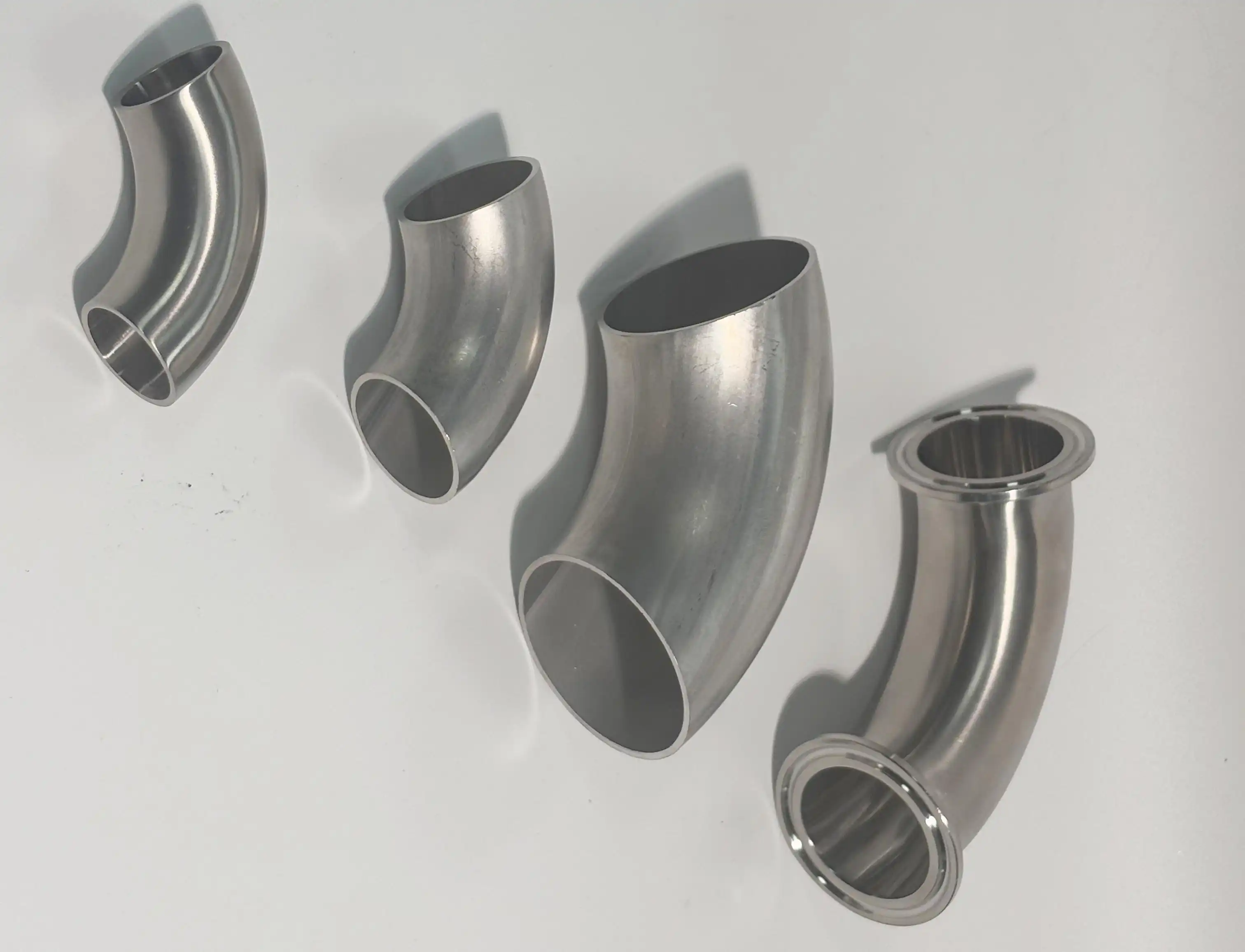
Understanding Pipe Elbow Types: Butt Weld vs Socket Weld
Choosing between butt weld and socket weld designs has a direct effect on how reliable the system is, how quickly it can be installed, and how much upkeep it will need in the long run. Both designs change the direction of flow in pipe systems, which is the same basic purpose. However, their structural features and performance abilities are very different.
What Are Butt Weld Elbows?
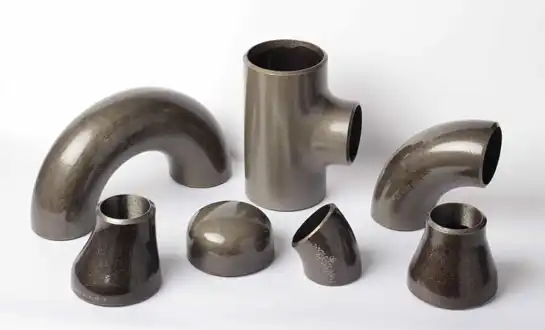
Hot forming methods, such as hot pushing and mandrel bending, are used to manufacture butt weld elbows. For the seamless versions, solid mother pipes are used instead of lengthwise welds to make sure that the hoop strength is the same all the way through the fitting. Carbon steel or stainless steel billets are heated to about 1,050°C and then pushed through special dies to make the angle that is needed, which is usually 45°, 90°, or 180°. According to ASME B16.25, the pipe ends are typically bevelled at a standard angle of 37.5° (with allowable variations based on pipe wall thickness and welding procedure specifications).This lets the connecting lines go all the way through the weld. This design gets rid of the weak spots that come with seam welds, so these fittings can be used for transporting flammable gases, high-pressure steam, and harmful fluids.
What Are Socket Weld Elbows?
With socket weld elbows, the pipe goes into the fitting's socket before being welded. The socket joint is deep. This mechanical design gives you more support during installation, which makes it easier to line up things in the field. A safe joining point is made when the socket depth is 1.5 times the pipe wall thickness. There is still a small gap of about 1/16 inch at the bottom of the socket to allow for shrinking during welding and heat expansion. This arrangement works especially well in small-bore pipe systems where room is limited, and workers need to be as efficient as possible. Socket weld connections are commonly used in small-bore piping systems up to Class 3000 service ratings, but they are generally not preferred for critical high-pressure or high-temperature applications compared to butt weld connections.
Key Structural Differences
The main difference between these elbow types is how they are made. Butt weld elbows are made smooth by hot working them, which gets rid of any lengthwise welds that could become weak spots. Socket weld elbows are also made from high-quality materials, and they have a socket hole that makes the joint shape unique. This difference in structure changes how stress is distributed, with butt weld joints spreading loads more evenly across the weld zone. In socket weld joints, stress is concentrated at the fillet weld area. This needs to be carefully checked to make sure that fatigue cracks don't form under repetitive loading. Both types are still compatible with a wide range of materials, such as carbon steel grades like ASTM A234 WPB, stainless steel types like 304L and 316L, and alloy steels for specific uses.
Cost Implications and Selection Criteria
When grades and sizes are the same, the prices of materials for both types of elbows stay about the same. The difference in cost shows up during the testing and installation stages. Butt weld connections need accurate bevelling, alignment, and root pass preparation, which adds to the work and requires qualified welders. Non-destructive testing, like X-ray or ultrasonic checking, raises the cost of the job but protects the integrity of the weld. Because they self-align, socket weld setups go faster, which saves money on labour in small-diameter situations. However, the socket gap may cause an internal crack that can trap corrosive fluids in some service situations, which could make long-term maintenance costs go up. When considering choices, procurement teams have to weigh the savings on installation costs up front against the costs of upkeep over the product's lifetime.
Key Factors to Consider When Choosing Between Butt Weld and Socket Weld Elbows
To choose the right elbow type, you have to look at a number of technical factors that have an immediate effect on the system's performance, safety, and operating efficiency. The following factors help people make decisions in a wide range of workplace settings.
Pressure and Temperature Ratings
Butt-weld elbows perform reliably in severe high-pressure applications, capable of handling operating temperatures exceeding 400°C.The joints are as strong as or stronger than the parent pipe because of the smooth construction and full-penetration welds. This skill is very important in places like petrochemical processing, power generation boilers, and remote oil platforms, where system failures can be very dangerous and cost a lot of money. Socket weld elbows work consistently in moderate-pressure situations up to Class 3000, and they are typically used in systems within ASME Class 3000 pressure ratings and small-diameter piping applications. Because of the internal gap, which can experience differential growth, temperature changes have different effects on socket weld joints. When there are thermal shocks or big changes in temperature, butt weld setups are more stable and give more reliable results.
Material Considerations and Corrosion Resistance
Corrosion protection is affected by both the choice of material and the form of the joint. Seamless butt weld elbows made from metals that don't rust, like Inconel 625 or Hastelloy C-276, protect against corrosion evenly and don't have any cracks where active media could gather. In chloride-rich settings or acidic services, the socket weld internal gap could be a place where crevice rust happens. This is a very important difference to make when choosing elbows for ocean cooling systems, chemical processing plants, or wastewater treatment plants. Butt weld elbows made of carbon steel that have the right coatings work well for most industrial uses. Socket weld elbows are better for clean services like compressed air, potable water, and instrument gas lines where rust is not a big problem.
Installation and Maintenance Requirements
The difficulty of the installation has a big impact on project timelines and labour costs. To make butt weld joints, you need trained welders who know how to follow the steps in ASME Section IX and the right bevelling and alignment tools. The method includes tack welding, multiple weld passes, and sometimes a heat treatment after the weld. Before the machine is put into service, it is carefully inspected. With self-alignment and single-pass fillet welds, socket weld systems speed up these steps, cutting installation time by 30–40% for small-diameter uses. When doing maintenance, you should think about how easy it is to check and fix. Butt weld seams make it easy to check the quality because they can be fully inspected visually and without damaging the material on both sides. Socket weld checks focus on fillet welds on the outside, which could hide flaws on the inside. When planning systems that need to be inspected or changed often, these upkeep factors have a big effect on the total cost of ownership.
Standard Sizes, Dimensions, and Technical Specifications
Correct design guarantees system efficiency, compliance, and compatibility. Understanding size standards and measurement procedures can help you avoid mistakes that cost a lot of money and delays in installation.
Common Elbow Angles and Radius Types
There are three common elbow angles: 90° for changing directions perpendicularly, 45° for smoother changes that lower pressure drop, and 180° return elbows for tight route setups. The radius classification has a big effect on how the flow behaves. Long radius (LR) elbows have a centreline radius that is 1.5 times the standard pipe diameter. This makes them better for high-speed uses because it reduces turbulence and erosion. When compared to long radius (LR) elbows, short radius (SR) elbows with a 1.0D central radius take up less room but change the flow direction more sharply, which increases pressure drop significantly compared to long radius elbows. When limited room is more important than hydraulic efficiency, like on offshore platforms or thick process skids, SR elbows are a good choice. On the other hand, LR elbows help long-distance pipes and pump suction lines stay efficient and lower the risk of erosion and rust.
Measuring Critical Dimensions
Accurate specifications and successful construction of pipe elbow types depend on accurate measurements. Multiple measurements of the outside diameter (OD) around the elbow show that it is round within the ASME B16.9 limits. Because hot-making processes change the thickness, ultrasound measuring is needed at the intrados (inner curve), extrados (outer curve), and crotch area to find out how thick the wall is. During pipe bending and hot-forming processes, the extrados (outer curve) experiences tensile stress resulting in wall thinning, while the intrados (inner curve) undergoes compressive stress resulting in slight wall thickening.The accuracy of the layout for manufacturing and assembly is based on the centre-to-face measurements. Verification of the bevel angle proves the correct shape for welding preparation. We suggest writing down these measures during the inspection of the goods upon arrival so that any differences in size can be found before installation starts. Field fit-up problems that cause delays in commissioning plans can be avoided by being vigilant.
Industry Standards and Compliance
ASME B16.9 sets the sizes for wrought butt weld fittings made in a workshop from carbon and alloy steel. It specifies the ranges for diameter, wall thickness, and centre-to-face measures. ASME B16.11 talks about socket weld fittings and gives details about the socket depth, fillet weld measurements, and pressure-temperature values. Specifications for materials are based on ASTM standards. For example, A234 covers carbon steel wrought fittings, A403 covers stainless steel fittings, and A420 covers low-temperature service fittings. According to ASME B16.5, design pressures at certain temperatures are set by pressure class levels from Class 150 to Class 2500. For European projects, EN 10253 may need to be followed, and for oil and gas uses, API guidelines often call for extra product specification levels (PSL). Quality records, such as mill test reports (MTRs) according to EN 10204 3.1, make it possible to track materials and check their mechanical properties, which is very important for safety and compliance checks.
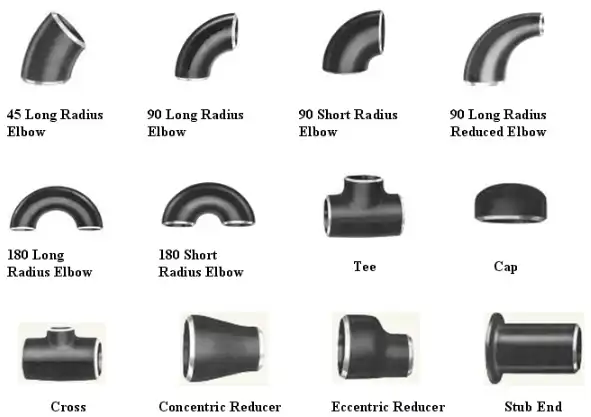
Application Scenarios and Industry Use Cases
Finding the right elbow features for the job improves safety, efficiency, and cost-effectiveness in a wide range of workplace settings.
Optimal Applications for Butt Weld Elbows
Butt-weld elbows are most often used in tough situations where system stability can't be compromised. In fluid catalytic cracking units at petrochemical plants, where temperatures can hit 540°C and pressures are higher than 1,500 psi, seamless butt-weld elbows are used. Since there are no longitudinal welds, there are no weak spots that could break in these harsh working circumstances. Power plants use butt-weld fittings for superheater circuits that deal with 565°C steam at 3,500 psi. The operation of the plant depends on the creep resistance and weld stability. Offshore oil platforms that work in rough seas need butt weld elbows made of super duplex stainless steel to keep them from cracking from chloride stress corrosion. Butt weld elbows are only used on long-distance pipeline projects that move natural gas, crude oil, or refined goods. This is to make sure that the pipes don't break over many years of use. All of these uses need high dependability, consistent performance under stress, and full weld depth for the strongest joints possible.
When Socket Weld Elbows Make Sense?
However, socket weld elbows are useful in certain situations where their features match the needs of the job. Socket weld fittings are used in chilled water and heating loops that work below 300 psi in business and industrial buildings' HVAC systems. The easier fitting cuts down on labour costs while still providing good performance for these moderate-pressure uses. Socket weld connections are good for instrument and control tube systems because they make joints that are rigid and don't move around. These joints support pressure sensors, flow metres, and control valves. Small-bore auxiliary plumbing in process plants, like sample lines, drain connections, and chemical injection points, often uses socket weld fittings because they are easy to reach for upkeep and don't need to be able to handle high pressures. Retrofit and growth projects often use socket weld installs because they can handle differences in field alignment without having to do a lot of prefabrication. The main benefit is that it makes installation faster for pipe systems 2 inches or less, and the time saved makes up for any performance losses.
Case Study: Selecting Elbows for Corrosive Environments
A recent project to build a seawater cooling system for a seaside desalination plant shows how to make pipe elbow type decisions that are useful in real life. More than 500 elbows were needed to handle saltwater at 150 psi and 35°C. Socket weld joints were called for in the original specs because they are easier to install. However, testing the material showed that the socket gap made crevice rust more likely in chloride-rich seawater, which could lead to early failures. The purchasing team moved to butt-weld elbows made from super duplex UNS S32750, which got rid of crevices and made the joints more resistant to pitting. Even though the choice raised the cost of installation by 25%, it got rid of the need for long-term corrosion maintenance and kept a key infrastructure system from shutting down without warning. This result shows that matching the elbow's features to its service environment increases efficiency and lowers the total cost of ownership.
Conclusion
Choosing the right pipe elbow types between butt weld and socket weld setups has a big effect on the long-term performance, stability, and cost of the piping system. Butt weld elbows are stronger and more resistant to corrosion in high-temperature and high-pressure situations, while socket weld models are easier to place in moderate-pressure systems. To do a good job of buying, you need to compare project needs with things like pressure levels, material compatibility, installation requirements, and lifecycle costs. Knowing the measurement rules, industry standards, and ways to check the quality of something makes sure that it is in line and stops mistakes that cost a lot of money. Strategically choosing suppliers by weighing their certifications, skills, and timeliness helps keep projects on track and within budget, while also upholding quality standards that are necessary for safe and effective operation.
FAQ
1. What distinguishes butt weld elbows from socket weld elbows?
Butt weld elbows have bevelled ends that let you fully penetrate and weld straight to the ends of pipes, making joints that are as strong as the parent pipe. Socket weld elbows have a hole in the body where the pipe goes before fillet welding. This gives the pipe mechanical support while it is being installed.
2. Which elbow type suits high-pressure applications better?
Because they have full-penetration welds that spread stress widely, butt weld elbows work great in systems with pressures above 1,500 psi. Socket weld elbows work effectively up to Class 3000 ratings, but they are usually only used for moderate-pressure jobs below 1,000 psi.
3. How do I measure pipe elbows correctly?
Check the outside diameter several times to make sure it is round, use ultrasonic tools to see how thick the wall is at the intrados and extrados, and compare the centre-to-face measurements to ASME B16.9 standards. Make sure the bevel angles meet welding specification requirements.
Partner with RAYOUNG for Reliable Pipe Elbow Solutions
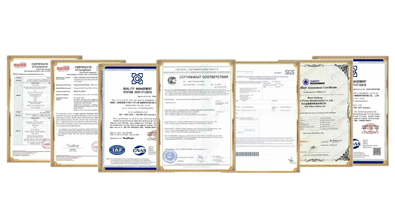
Picking the right pipe elbow types provider has a direct effect on how quickly and reliably your project runs. RAYOUNG makes butt weld and socket weld elbows with great care, and they are backed by ISO 9001:2015 approval, GOST-R compliance, and SGS quality proof. Our seamless carbon steel and stainless steel elbows are used in infrastructure, power production, and industrial projects all over North America and the world. We keep a large collection that includes both ASME B16.9 long radius and short radius designs from 1/2" to 48" in diameter. Our research team is here to help you match the right specs to your exact needs for pressure, temperature, and corrosion. Get in touch with info@hb-steel.com right away to talk about your project needs and get cheap quotes and full technical documentation that will help you meet your procurement goals.
References
1. American Society of Mechanical Engineers (2018). ASME B16.9: Factory-Made Wrought Buttwelding Fittings. New York: ASME Press.
2. American Society of Mechanical Engineers (2019). ASME B16.11: Forged Fittings, Socket-Welding and Threaded. New York: ASME Press.
3. ASTM International (2020). ASTM A234 Standard Specification for Piping Fittings of Wrought Carbon Steel and Alloy Steel for Moderate and High Temperature Service. West Conshohocken: ASTM International.
4. Nayyar, M.L. (2019). Piping Handbook, Eighth Edition. New York: McGraw-Hill Education.
5. Singh, R. (2017). Applied Welding Engineering: Processes, Codes, and Standards, Second Edition. Oxford: Butterworth-Heinemann.
6. Mohitpour, M., Golshan, H., and Murray, A. (2020). Pipeline Design and Construction: A Practical Approach, Fourth Edition. New York: ASME Press.

Need a quote? Want to see samples? Just say hello. We’re friendly. We’re fast. And we’re ready when you are.
Welcome to RAYOUNG – Strong Pipes, Stronger Promise