Pipe Fittings for the Oil and Gas Industry: Types and Standards
Pipe fittings for the oil and gas industry serve as critical connectors in pipeline systems, enabling directional changes, size transitions, and secure joints throughout extraction, refining, and distribution networks. These components must withstand extreme pressures, corrosive fluids, and fluctuating temperatures while maintaining leak-proof integrity. Selecting appropriate fittings based on material composition, design standards, and pressure ratings directly impacts operational safety, project timelines, and long-term cost efficiency for contractors, distributors, and industrial end users.
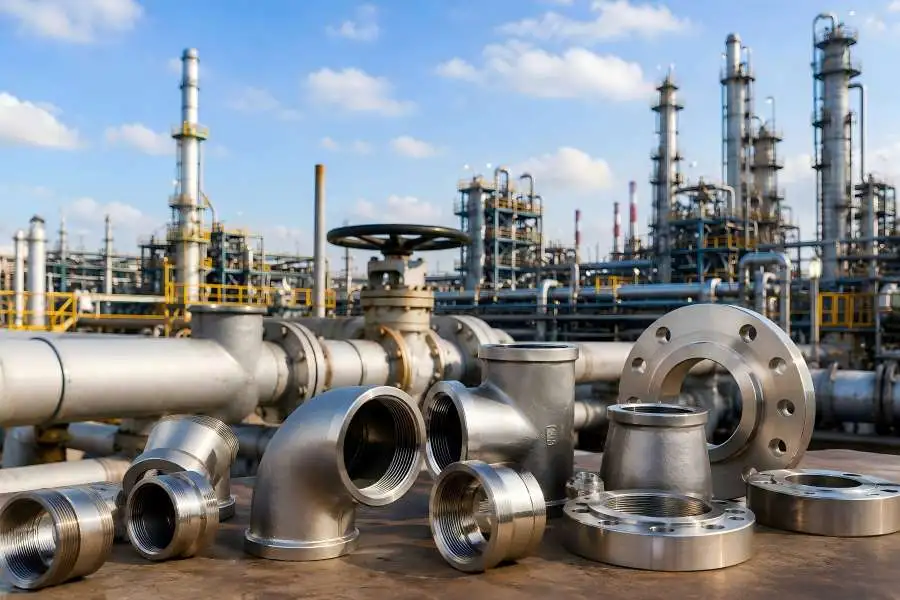
Types of Pipe Fittings Used in the Oil and Gas Industry
Pipeline infrastructure depends on different types of fittings that are designed to meet the needs of different operations. Knowing about these differences helps buying teams match parts to the needs of the project while reducing risk.
Elbows and Tees for Directional Control
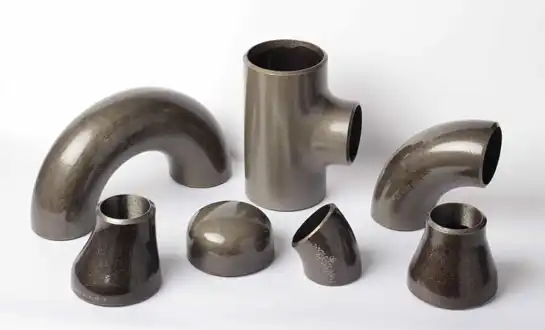
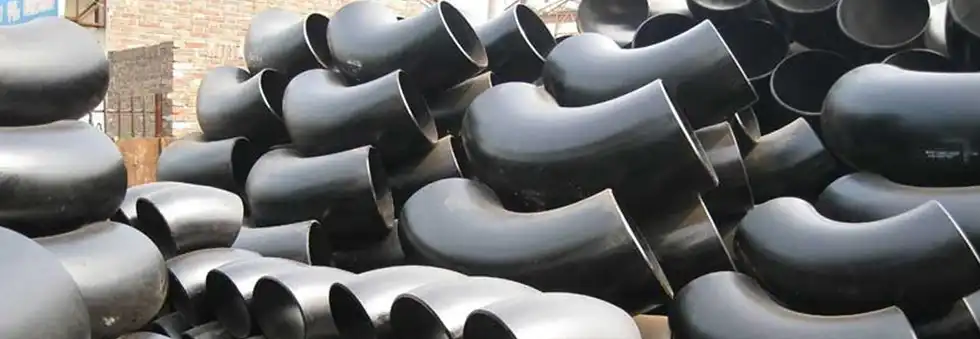
Elbows change the flow at angles between 45 and 90 degrees, which works well in crowded buildings or on offshore sites where space is limited. Buttweld steel elbows are the most common type used in high-pressure situations because their beveled ends allow full-penetration welds that get rid of weak spots. Tees make branch connections in distribution systems so that a single pipeline can distribute fluid to more than one branch. For elbows, long-radius configurations (1.5 × NPS) reduce turbulence and erosion, while short-radius options save space in compact skid piping; tees are supplied in equal and reducing patterns to optimize flow distribution.
Reducers and Couplings for Size Transitions
Reducers connect pipes with different sizes, either concentrically for straight lines or eccentrically to keep air pockets from forming in horizontal lines. When steel reducers are made according to ASTM A234 standards, the material and manufacturing requirements are controlled to ensure consistent quality. This helps the fittings withstand pressure and service conditions. Couplings are quick to put together for maintenance-accessible links, but because they have threaded interfaces, they are generally used for smaller-diameter and lower-pressure applications compared to welded options.
Flanges for Maintenance Access
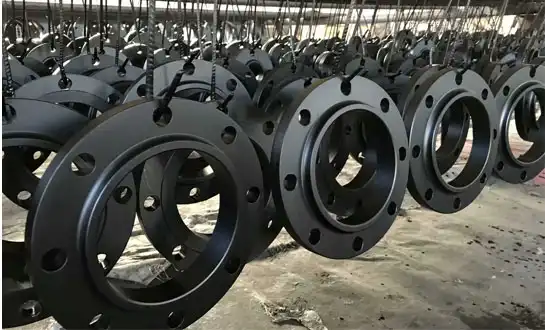
Flanges make it possible to separate parts at valves, pumps, and inspection points, which is very important for places that need to service their equipment on a regular basis. ASME B16.5 sets rules for flange sizes, bolt hole patterns, and facing areas, so parts from different makers can be used together. In oil and gas uses, raised face flanges are most common because spiral-wound gaskets make them better at sealing. Ring-type joint (RTJ) flanges, on the other hand, can handle high pressures in wellhead systems.
Caps and Unions for System Termination
Caps keep contaminants out of pipeline ends while they are being built or while they are being left alone. Unions are useful in skid-mounted systems or portable facilities because they can connect and separate pipes without cutting them. Socket weld unions work well for lines with a diameter of less than two inches, where butt welding wouldn't work.
The choice of material has a big effect on how well a fitting works in all kinds of operating settings. As a result of their high mechanical strength and low cost, carbon steel fittings in the ASTM A234 WPB grade are commonly used for onshore pipelines that move natural gas or crude oil. Stainless steels like ASTM A403 WP316 can provide good corrosion resistance in many sour service environments, but material selection must consider the specific H₂S, chloride, temperature, and stress conditions, and the chromium in them keeps them from rusting in coastal environments that can damage offshore installations. Duplex and super duplex alloys have both austenitic and ferritic microstructures, giving them higher yield strength than conventional austenitic stainless steels and strong resistance to chloride pitting. These properties are valuable for underwater pipes and facilities located near desalination plants. Nickel alloy fittings can withstand very high temperatures in selected refinery applications, depending on the specific alloy and service conditions, but because they are more expensive, they can only be used in certain high-temperature areas.
The choice between welded and threaded links affects how the fitting is done and how reliable the product is over its entire life. Welded fittings use metallurgical bonding to make stable parts that don't leak. They are best for pipeline transmission, where vibration and temperature cycles can loosen mechanical connections. Threaded fittings make low-pressure gathering systems easier to put together, but they need thread sealants and regular inspection for thread damage and galling.
Key Standards and Pressure Ratings for Oil and Gas Pipe Fittings
Compliance with regulations is the key to safe pipeline operations because they protect people and the environment by enforcing quality standards.
ASME and API Certification Requirements
ASME B16.9 sets the standards for overall dimensions, tolerances, ratings, testing, and markings for factory-made wrought buttwelding fittings. This makes sure that the fittings work the same way no matter where they come from. Before they are shipped, fittings are inspected and tested according to the applicable requirements of ASME B16.9 and the relevant material and project specifications. This makes sure that the structure is solid. ASME B16.5 also standardizes flange designs by requiring minimum bolt circle sizes and finishes on the gasket resting surface that make sure the load is spread evenly.
API 6A covers wellhead and Christmas tree equipment designed to handle wellbore pressures, with pressure ratings ranging from 2,000 to 20,000 psi. Wellhead and Christmas tree equipment manufactured to API 6A requirements undergo applicable inspection and testing, including nondestructive examination where specified, to detect relevant material and manufacturing defects. For projects involving pipe fittings for the oil and gas industry, ISO 9001:2015 certification shows that a manufacturer is dedicated to quality management systems that include traceability of materials, process controls, and corrective action procedures. This is important for projects that need documented compliance chains.
Understanding Pressure Class Designations
For flanges and other components that use Class designations, pressure-temperature ratings such as Class 150, 300, 600, 900, 1500, and 2500 indicate allowable pressure at specified temperatures. At room temperature, a Class 300 carbon steel flange can handle 720 psi, but at 500°F, it can only handle 535 psi because of thermal weakening. When engineers are designing something, they need to cross-reference pressure-temperature charts so they don't waste time or money by not specifying something well enough. Components with incompatible pressure-temperature ratings can fail if the lower-rated component becomes the limiting part of the system.
Installation and Inspection Protocols
The first step in a proper installation is to check the material test reports (MTRs) to make sure that the heat numbers and chemical composition match the requirements. Welders must be qualified in accordance with ASME Section IX for the applicable welding processes, materials, and joint configurations. This prevents weld defects caused by improper heat input or incorrect filler metal selection. After welding, a heat treatment can relieve residual stresses and, where required, restore or adjust the desired metallurgical properties affected by the welding and cooling cycles.
During routine inspections, both visual and radiographic or ultrasonic tests are used to look for problems on the surface and find problems inside. Dye penetrant testing finds tiny cracks in austenitic stainless steel welds that magnetic particle analysis can't. Documentation trails that connect fitting serial numbers to installation sites and test results make it possible to do targeted repair when problems are found during operating tracking.
How to Choose the Right Pipe Fittings for Oil and Gas Pipelines?
By systematically evaluating parameters, optimal fitting selection finds the best mix between technical performance and project budgets and plans.
Assessing Operational Conditions
The appropriate material grade and pressure rating are determined by the operating pressure and temperature. For cryogenic LNG lines operating down to –260°F, wrought pipe fittings conforming to ASTM A420 (such as Grade WPL6 or WPL3) provide Charpy V-notch impact toughness to match low-temperature ASTM A333 pipe. On the other hand, chrome-moly metals that can withstand creep resistance above 900°F are needed for lines that pump steam. The type of fluid also counts. Hydrogen sulfide in combination with suitable pressure, temperature, pH, and stress conditions can cause sulfide stress cracking in susceptible carbon steels, which means that more corrosion-resistant stainless steel or nickel alloys are needed. High chloride concentrations in produced water accelerate localized pitting and crevice corrosion, making super duplex stainless steel (such as 2507) far superior to standard 316L.
Exposure to the environment affects the need for external protection. Fittings on offshore platforms are damaged by salt spray and UV light. Epoxy or polyurethane coatings make them last longer. Permafrost heave and thermal contraction stresses affect sites in the Arctic. To lower the risk, pipeline designs may incorporate flexibility through appropriate routing, expansion provisions, or engineered connections where required.
Material Performance Trade-offs
Carbon steel has the best price-to-strength ratio of any metal. Its yield strength varies by grade, with many commonly used carbon steels having yield strengths above 35,000 psi, and it is generally less expensive than stainless steel alternatives. Its weakness is that it is easily corroded, which is usually fixed with cathodic protection systems or internal linings in harsh environments. The chromium oxide passivation layer in stainless steel can fix small scratches on its own, which shortens the time between servicing visits but raises the material cost significantly.
Forming seamless pipe fittings from certified seamless pipe stock eliminates longitudinal weld seams, substantially reducing fatigue cracking risks in severe cyclic pressure applications. Welded plate fittings are cheaper for bigger sizes, but they need to be qualified by a strict welding process to match the performance of seamless fittings. In places with significant cyclic fatigue, such as compressor discharge lines, seamless construction may be preferred when the design and service conditions justify it. Static or gradually ramping systems, on the other hand, can handle welded alternatives.
Supplier Qualification Criteria
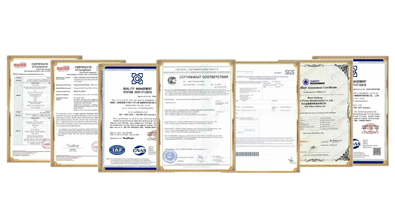
Traceability is maintained from the melting of raw materials to the finished goods by certified makers. This is very important when regulatory checks demand proof of specification compliance. While ISO 9001 certification shows that quality systems are recorded, qualifications specific to the oil and gas business, like API Q1, give even more proof of competence. Applicable GOST-R certification or other required conformity documentation can demonstrate compliance with relevant Russian requirements, where applicable. SGS third-party inspection can provide an additional independent check of dimensional accuracy and material composition.
Lead times change based on the amount of goods and the level of customization. Standard-sized fittings can be shipped within a few weeks from stock at a distributor. However, engineered solutions that need non-standard alloys or changes to the dimensions take 12 to 16 weeks to deliver. When you order in bulk, you can get savings of up to 25% and get first-choice production slots when the market is short. Long-term spare parts supply is affected by how stable a supplier's finances are. For sites planning 20-year operational horizons, established names with track records spanning multiple decades are better bets.
Common Defects and Risk Mitigation in Oil and Gas Pipe Fittings
Problems with the materials or the way they were installed can put safety and profits at risk by causing unplanned shutdowns and even catastrophic leaks.
Prevalent Defect Mechanisms
Corrosion can show up as either uniform metal loss or localized pitting, depending on how it is exposed. When carbon dioxide is mixed with water, it makes carbonic acid. This acid slowly wears away at pipe walls at a rate that can be controlled by corrosion limits. Crevice corrosion targets areas below gasket surfaces or threaded connections that don't move, creating anodic sites when oxygen levels drop. Stress corrosion cracking happens when tensile stress is combined with certain environmental agents. For example, chlorides break down austenitic stainless steel, and caustic solutions break down carbon steel in refinery alkylation units.
Weld flaws include root gaps that aren't welded because the penetration wasn't complete, porosity from filler metal that was contaminated with moisture, and hot cracking from too much sulfur content. During pressure cycles, stress risers are caused by errors in dimensions like being out of round or having different wall thicknesses. When steel is bent, laminations that were formed because of bad rolling methods separate along inclusion planes that are parallel to the fitting surface.
Mitigation Through Coatings and Monitoring
When sprayed at 450°F, fusion-bonded epoxy coatings chemically bond to steel surfaces that have already been cleaned. This protects underground pipes from corrosion on the dirt side. Thermal spray aluminum or zinc coats protect against galvanic corrosion by sacrificing themselves to protect the steel underneath. Linings made of cement mortar or plastic work well for drinkable water systems that can't handle metal contamination.
Setting inspection intervals based on calculated corrosion rates helps prevent unexpected failures. Ultrasonic thickness gaging measures the thickness of the remaining wall at set grid points, using accumulated data to predict when the wall will need to be replaced before it perforates. Smart pigs and other inline inspection tools can go through pipelines and map changes in shape and metal loss without stopping service. However, effective use requires suitable launch and receive facilities, as well as sufficient internal clearance for the inspection tools to pass through the pipeline.
Non-destructive testing finds flaws in the way something was made before it is put together. Radiographic testing can reveal relevant internal weld discontinuities, with detection capability depending on the material thickness, geometry, technique, and sensitivity requirements, and phased array ultrasonics can image complex shapes in real time. Testing with magnetic particles shows cracks that break the surface of ferromagnetic materials, and methods that use liquid penetrants can work with metals that are not magnetic.
Conclusion
To choose the right pipe fittings for the oil and gas industry, you need to look at the properties of the materials, government rules, and the supplier's abilities in relation to the needs of the project. Fittings made of carbon and stainless steel that meet ASME and API standards are what make the system reliable. To get the best results in terms of cost and schedule, smart buying practices are used. Quality suppliers, proper installation methods, and ongoing testing programs can help identify and mitigate defects early, supporting operational continuity and worker safety. Partnering with certified manufacturers who offer technical support and documented traceability becomes essential to minimizing risk and meeting long-term performance goals as projects get more complicated and regulatory scrutiny grows.
FAQ
1. What differentiates butt weld fittings from socket weld options in high-pressure applications?
Butt weld fittings connect to pipes by welding angled ends directly to the pipes. This makes full-penetration joints that are good for lines bigger than two inches in diameter and high-integrity services. These socket weld fittings have recesses that take pipe ends. They are mostly used on lines that are less than two inches in diameter, where room is limited or where they need to be taken apart often. However, their fillet-welded configuration has different design and fatigue considerations from butt weld options, so their suitability depends on the applicable code, size, material, and service conditions.
2. Why do standards like ASME and API matter when selecting fittings?
These standards make sure that all makers follow the same rules for design, materials, and tests so that all products are safe and work well. ASME B16.9 and B16.5 set the limits for size tolerances that keep connections from not fitting properly, and API 6A deals with very high wellhead pressures. Verifying compliance through third-party inspection keeps you safe from fake goods and gives you proof of responsibility during regulatory checks.
3. How do custom fittings enhance pipeline efficiency?
Custom fittings can optimize flow paths for specific process or space requirements, helping reduce pressure losses and turbulence-related damage. Non-standard wall thicknesses match exact design pressures without wasteful over-specification, and custom alloy compositions are made to work in certain corrosive environments. When compared to pushing standard parts into less-than-ideal situations, these changes make tools last longer and use less energy.
Partner With RAYOUNG for Certified Pipeline Solutions
RAYOUNG is a reliable company that makes pipe fittings for the oil and gas industry for EPC contractors, distributors, and industrial operators who need certified parts for tough oil and gas jobs. Our wide range of products includes buttweld steel elbows, steel reducers, and flanges that are made to meet ASME and API standards. Our products are backed by ISO 9001:2015 quality systems and have been approved by GOST-R and SGS. Our research team can help you choose the right materials for your project, whether it needs the power of carbon steel, the resistance to corrosion of stainless steel, or the performance of a specialty alloy. For your next pipeline project, email us at info@hb-steel.com to talk about specs, get quotes, or look into supply options that will get the job done on time and in compliance with all the rules.
References
1. American Society of Mechanical Engineers. (2020). ASME B16.9: Factory-Made Wrought Buttwelding Fittings. ASME International.
2. American Petroleum Institute. (2019). API Specification 6A: Wellhead and Christmas Tree Equipment (21st Edition). API Publishing Services.
3. Boyer, H.E., & Gall, T.L. (2018). Metals Handbook: Properties and Selection of Stainless Steels, Tool Materials and Special-Purpose Metals. ASM International.
4. Mohitpour, M., Golshan, H., & Murray, A. (2017). Pipeline Design & Construction: A Practical Approach (3rd Edition). ASME Press.
5. National Association of Corrosion Engineers. (2021). Corrosion Control in the Oil and Gas Industry: Standards and Guidelines. NACE International.
6. Specification for Line Pipe, API 5L (2019). American Petroleum Institute Standards for Pipeline Transportation Systems. API Publishing Services.

Need a quote? Want to see samples? Just say hello. We’re friendly. We’re fast. And we’re ready when you are.
Welcome to RAYOUNG – Strong Pipes, Stronger Promise