Pipe Fitting Standards: ASME, ASTM, and ISO Compliance Guide
Navigating pipe fitting standards effectively reduces procurement risk and ensures long-term system reliability. ASME, ASTM, and ISO compliance frameworks govern material quality, dimensional precision, and performance requirements across industrial applications. Understanding these standards empowers procurement managers to specify components that meet safety regulations, withstand operational stresses, and integrate seamlessly into existing infrastructure. Adherence to these benchmarks minimizes costly rework, prevents catastrophic failures, and establishes supplier credibility in global markets, directly supporting project timelines and budget control.
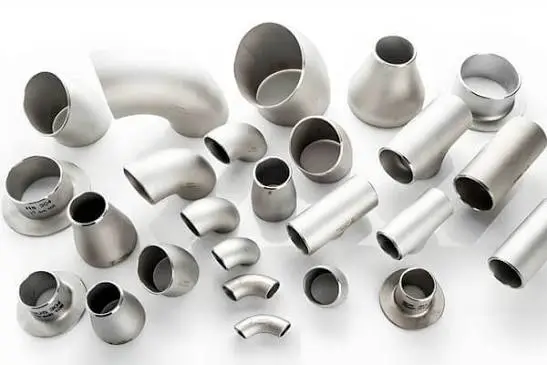
Understanding Pipe Fitting Standards: ASME, ASTM, and ISO Overview
Standardized parts are used in modern industry systems to make sure that they work together, are safe, and behave as expected. The three main regulatory frameworks—ASME, ASTM, and ISO—each deal with different but related parts of the quality and usefulness of pipe fittings.
ASME Standards: Engineering and Mechanical Integrity
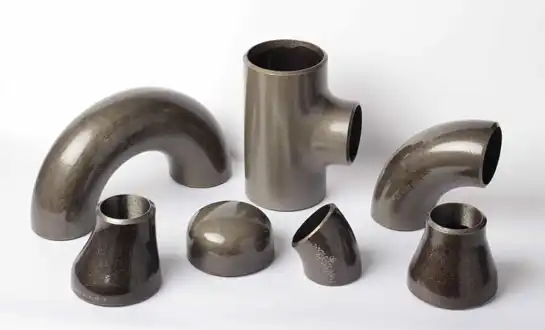
The American Society of Mechanical Engineers (ASME) makes rules about mechanical construction, the safety of pressure vessels, and the strength of structures. Factory-made metal butt-welded parts, such as elbows, tees, and reducers, are governed by ASME B16.9. These rules specify center-to-face dimensions, wall thickness requirements, and bevel angles to make sure that the quality of the installation and welds is always the same. Safety is a top priority in high-pressure and high-temperature environments, which is why ASME standards are so important for the oil and gas, power generation, and chemical processing industries.
ASTM Standards: Material Specifications and Testing
Through strict testing protocols, ASTM International sets standards for material composition and mechanical properties. ASTM A234 sets standards for the chemical composition requirements for carbon, manganese, and alloying elements in carbon and alloy steel butt-welding parts. ASTM A403 covers austenitic stainless steel fittings and ensures that chromium and nickel contents meet specified corrosion-resistance requirements. Material approvals under ASTM allow buyers to track where the raw materials come from all the way to the finished product. This way, buyers can be sure that the parts will work reliably in harsh environments like corrosive chemicals or high temperatures.
ISO Standards: Global Quality and Dimensional Uniformity
The International Organization for Standardization (ISO) creates standards that are recognized all over the world.These standards facilitate cross-border procurement and ensure regulatory compliance.ISO 9001:2015 sets the rules for quality management systems. ISO 3183 covers steel pipes for pipeline transportation systems in the petroleum and natural gas industries, while ISO 4200 provides dimensional tables for plain-end welded and seamless steel tubes. These standards help establish consistent technical and quality requirements across different suppliers and markets.
Common Elements Across Standards
All three frameworks address important factors such as dimensional tolerances, temperature and pressure ratings, and the ability to trace materials.Procurement professionals can assemble a comprehensive specification package by integrating ASME dimensional standards, ASTM material grades, and ISO quality ratings. This is useful whether they are looking for a 90-degree elbow or a lateral tee. This multi-layered method lowers risk by taking care of the needs for design, materials, and the production process all at the same time.
Comprehensive Guide to Selecting Pipe Fitting Standards for Industrial Procurement
When making decisions about procurement, you have to weigh technical needs, legal obligations, and operational realities. The right standards have a direct effect on the safety of the system, the cost of maintenance, and the time it takes to finish the project.
Evaluating Pressure and Temperature Requirements
Minimum material strength and wall thickness are set by how the system is supposed to work. Pipe wall thickness is commonly specified using schedules such as 40, 80, 160, and XXS, while ASME B16.9 specifies the dimensions, tolerances, ratings, testing, and marking requirements for factory-made wrought buttwelding fittings. These requirements form an important part of pipe fitting standards used to ensure fittings are suitable for their intended service conditions. ASTM A234 WPB carbon steel fittings are commonly used for moderate- and high-temperature service, with allowable operating temperatures determined by the applicable design code, material properties, pressure, and service conditions. On the other hand, ASTM A403 WP316 stainless steel parts can handle acidic media at high temperatures. By matching fitting specs to system factors exactly, you can avoid early failure and expensive downtime.
Material Compatibility with Process Media
Chemical compatibility is the most important thing to consider when choosing a material. ASTM A234 carbon steel is used to make seamless steel pipe fittings that can handle fluids that don't corrode, like water, air, and natural gas. Grades 304, 316, and 321 of stainless steel offer different levels of corrosion resistance, but they can still be susceptible to chloride-related corrosion or stress corrosion cracking under certain chemical and marine conditions. Alloy steel fittings that meet the low-temperature requirements of ASTM A420 provide specified mechanical properties and toughness for low-temperature service, but resistance to abrasive slurries or acidic chemicals must be evaluated separately based on material and process conditions. By understanding process chemistry, you can stop materials from breaking down in ways that threaten the integrity of the system.
Dimensional Tolerances and Installation Efficiency
Accurate control of dimensions cuts down on installation time and welding mistakes. ASME B16.9 sets limits for squareness, wall thickness difference, and outside diameter. A 90-degree elbow manufactured within the applicable center-to-face dimensional tolerances helps ensure that the adjacent pipe is aligned correctly, keeping field modifications to a minimum. When compared to standard 90-degree tees, 45-degree lateral pipe tees can provide smoother flow transitions than some conventional branch configurations, potentially reducing turbulence and pressure loss in certain high-velocity applications. Dimensional accuracy checked by third-party inspection reports shows that parts will fit together perfectly during building.
Certification Verification and Supplier Audits
Documentation that proves legitimacy protects against low-quality products. Real mill test certificates (MTCs) show the chemical make-up, the results of mechanical tests, and the heat number. Positive Material Identification (PMI) with X-ray fluorescence spectroscopy checks the metal makeup on-site, proving that a fitting marked as ASTM A403 WP316 has the right amounts of chromium and nickel. Audits of suppliers that look at quality control procedures, testing equipment calibration, and the status of their ISO 9001:2015 certification lower the risk of procurement even more.
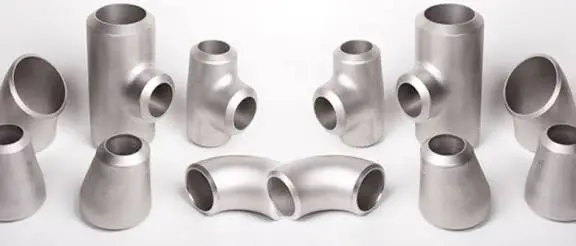
ANSI, ASME, and ISO Pipe Fitting Standards Comparison and Their Applications
Knowing how the different important standards relate to each other and how they differ helps you make smart choices about what to specify and where to get it.
ANSI and ASME Relationship in U.S. Markets
The American National Standards Institute (ANSI) used to put out a lot of pipe fitting standards that are now kept up to date by ASME. "ANSI B16.9" actually refers to ASME B16.9 these days, since ASME is in charge of keeping these codes up to date. The standards focus on uses that are safety-critical and need hydrostatic tests and strict dimensional limits. High-pressure steam systems, oil factories, and nuclear power plants all have to follow ASME standards because they have strict design limits and a history of safety performance.
ISO Versus DIN Standards in European Contexts
DIN (Deutsches Institut für Normung) standards are based on German engineering traditions and have tighter tolerances and specific marking requirements. ISO standards can be used anywhere in the world. Both ISO 4200 and DIN 2605 cover pipe bends and elbows, but DIN standards usually need more paperwork and stricter rules for surface finish. In countries in the European Union, projects may use both frameworks, so suppliers must show that they are compliant with both. By knowing these regional tastes, you can avoid expensive re-engineering while the project is being carried out.
ASTM's Material Science Focus
Pipe fitting standards, including ASTM fitting standards such as ASTM A234, set limits on carbon content, minimum tensile strength, and Charpy V-notch impact energy for low-temperature toughness. This focus on material goes well with ASME's focus on dimensions. It lets purchasing managers define both dimensions and fitting requirements (ASME B16.9) and material requirements (ASTM A234 WPB) in the same purchase order. This combination ensures that a reducer or tee fitting has the right physical dimensions and tested material properties.
Material Standards for Stainless and Carbon Steel
ASTM A403 stainless steel fittings offer corrosion resistance in many chloride-containing environments, although the appropriate grade must be selected based on the specific service conditions, which is why they are necessary for offshore platforms and desalination plants. ASTM A234 WPB carbon steel fittings provide a highly cost-effective solution in non-corrosive environments with moderate load requirements.Alloy steel types with molybdenum, chromium, and vanadium add strength at high temperatures for thermal power plants and petroleum crackers. The total cost of ownership is directly affected by the choice of material, by affecting how long it lasts and how often it needs to be maintained.
Ensuring Quality and Compliance: Inspection, Defects, and Tolerances in Pipe Fittings
Quality assurance protocols built into ASME, ASTM, and ISO standards keep manufacturing flaws that hurt safety and performance at bay.
Common Manufacturing Defects and Detection Methods
Problems with quality often include differences in dimensions, material inclusions, and uneven surfaces. During hot forming, excessive wall thinning at the extrados of bends can reduce the fitting's pressure capacity below the intended level. This type of defect can be detected before installation using non-destructive testing (NDT) methods.
Ultrasonic Testing (UT) can detect internal laminations and measure wall thickness, with accuracy depending on the equipment, probe, calibration, material, and inspection procedure. Magnetic Particle Inspection (MPI) finds surface cracks that can't be seen with the naked eye. This is especially important on the tension arc of bent parts. Radiographic testing (RT) finds volumetric flaws in heavy-wall fittings when UT penetration isn't enough. ASME Section V provides requirements for nondestructive examination methods and procedures, while the applicable product or construction code normally specifies the acceptance criteria.
Measurement Techniques and Tolerance Verification
Precision measuring tools make sure that the tolerances that were published are met. According to ASME B16.9, vernier calipers can be used to verify that the outside diameter falls within the applicable dimensional tolerances, and ultrasonic thickness gages make maps of wall profiles to find places where the material is thinning. Bevel angle protractors make sure that the areas being prepared for welding meet the applicable bevel-angle requirements. This keeps the fusion from being incomplete during installation welding. Reports of dimensional inspections that show that all important parameters were measured exactly once are objective proof of conformance.
Pressure Ratings and Certification Documentation
Safe working limits are determined using the applicable pressure-temperature ratings and design requirements specified by the relevant ASME standards. The allowable pressure for a Schedule 80 steel pipe fitting must be determined from the applicable material, dimensions, design code, temperature, and pressure-rating requirements. Mill test certificates (MTCs issued as EN 10204 Type 3.1 inspection documents) can include the specified chemical analysis and mechanical test results, while applicable pressure-test results are provided when required by the product specification or purchase order. These documents demonstrate compliance with the purchase requirements and applicable regulatory requirements while providing traceability for materials and test results. Procurement teams must verify that MTCs reference specific heat numbers, which should correspond directly to the hard-stamped numbers on the fittings themselves.
Conclusion
Learning how to follow the rules set by ASME, ASTM, and ISO through established pipe fitting standards changes buying pipe fittings from a transactional task to a strategic risk management job. These frameworks provide objective criteria for evaluating material quality, dimensional accuracy, and manufacturing integrity. When procurement professionals choose parts that meet verified standards, they cut down on installation delays, lower upkeep costs, and improve system safety throughout the whole lifetime of the system. By choosing providers with a wide range of certifications, clear documentation procedures, and tried-and-true quality control systems, businesses can form relationships that help projects run smoothly and in line with regulations in a wide range of industry settings.
FAQ
1. What distinguishes ASME from ASTM standards in pipe fitting procurement?
ASTM standards are more about the chemical properties, mechanical testing procedures, and dimensional geometry of materials, while ASME standards are more about pressure values, dimensional geometry, and mechanical design requirements. ASME B16.9 lists the elbow center-to-face measurements and wall thickness standards. ASTM A234 lists the minimum tensile strength and carbon content limits. Effective specifications use both ASME for physical dimensions and ASTM for material properties, making sure that all technical areas are covered.
2. How can buyers validate ISO compliance in sourced pipe fittings?
Ask for ISO 9001:2015 certificates issued by certification bodies accredited by recognized accreditation bodies such as UKAS or ANAB. These will show your current status and show that there are no nonconformities. Make sure that the supplier's quality manual talks about how to track materials, inspect them while they're being made, and use calibration systems. Independent confirmation can also be obtained from third-party inspection agencies through witnessed testing and document review. This provides additional evidence of compliance with the specified quality requirements.
3. What factors matter most when selecting fittings for high-pressure applications?
The applicable pressure-temperature ratings and design requirements must be adequate for the system's design conditions and comply with the relevant ASME code. When choosing materials according to ASTM standards, you should think about how corrosive the process media is and how hot or cold it can get. Ultrasonic testing of the wall thickness confirms that there is enough pressure containment, and hydrostatic test certificates, when required by the applicable specification, show that the product passed the specified pressure test requirements before installation, to show that it is strong before it is installed.
Partner with a Trusted Pipe Fitting Standards Supplier
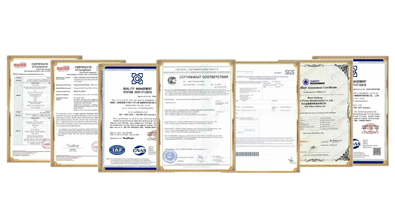
Certified buttweld fittings, steel reducers, and flanges from RAYOUNG are made to strict ASME B16.9, ASTM A234, and ISO 9001:2015 standards. Our wide range of products, which includes seamless steel elbows, lateral tees, and special designs, can handle tough jobs in the chemical processing, oil and gas, and power generation industries. Our GOST-R and SGS certificates show that we are committed to quality and to following the rules. Contact us at info@hb-steel.com if you are a purchasing manager looking for a reliable pipe fitting standards manufacturer with clear documentation of their products and quick technical support. To experience the RAYOUNG difference in industrial piping solutions, ask for detailed mill test certificates, dimensional inspection reports, and quotes that are tailored to your project.
References
1. American Society of Mechanical Engineers, "ASME B16.9: Factory-Made Wrought Buttwelding Fittings," 2018 Edition, New York.
2. ASTM International, "ASTM A234/A234M Standard Specification for Piping Fittings of Wrought Carbon Steel and Alloy Steel for Moderate and High Temperature Service," 2021.
3. International Organization for Standardization, "ISO 9001:2015 Quality Management Systems – Requirements," Geneva, Switzerland.
4. Special Piping Materials, "Technical Manual: Seamless Pipe Fittings Manufacturing and Quality Control," 2020.
5. Nayyar, M.L., "Piping Handbook," 8th Edition, McGraw-Hill Education, 2019, Chapter 6: Pipe Fittings and Connections.
6. Becht Engineering, "Fitness-for-Service Evaluation of Pipe Fittings: Material Selection and Standards Compliance," Technical Report Series, 2022.

Need a quote? Want to see samples? Just say hello. We’re friendly. We’re fast. And we’re ready when you are.
Welcome to RAYOUNG – Strong Pipes, Stronger Promise