Benefits of Using Stainless Steel Pipe Flanges in Piping Systems
Stainless steel pipe flanges serve as essential connectors in industrial piping systems, offering unmatched corrosion resistance and structural integrity that directly address critical procurement concerns around safety, longevity, and total cost of ownership. These precision-engineered components create leak-proof joints between pipes, valves, and equipment, ensuring reliable performance even in the most demanding chemical, petrochemical, and power generation environments. Manufactured to strict ANSI, DIN, and JIS standards with various facing options like RF (Raised Face), FF (Flat Face), and RTJ (Ring Type Joint), stainless steel flanges outperform carbon steel alternatives in high-pressure applications where downtime is not an option.
Understanding Stainless Steel Pipe Flanges: Types, Specifications, and Materials
What Defines a Stainless Steel Pipe Flange?
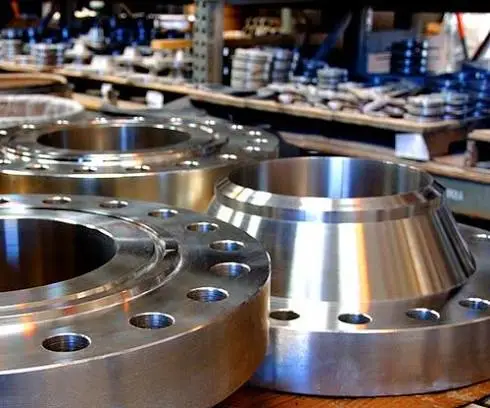
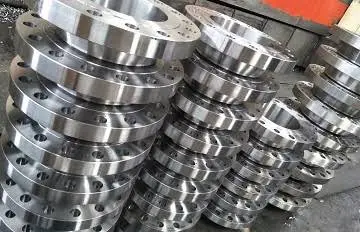
A stainless steel pipe flange is a forged steel ring connection that is used to connect pipe parts while still letting the system be taken apart for repair or inspection. These flanges, unlike fixed welded connections, have an important entry point that makes maintenance easier for EPC workers and plant managers who need to balance the stability of the system with the ability to change how it works. When put together correctly with seals and bolts, the flange's bolt holes and sealing face create a pressure-tight connection.
Common Flange Types and Their Industrial Applications
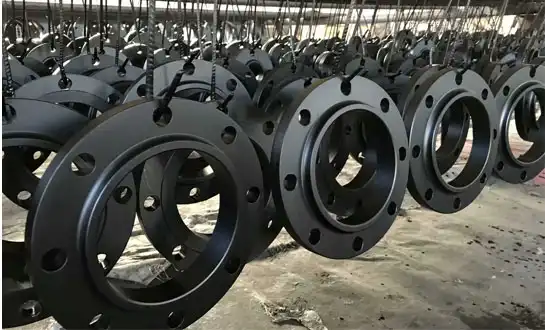
There are five main types of flanges used in industrial piping. Each one is designed to meet specific operational needs. Weld neck flanges have a curved hub that helps spread stress more evenly. This makes them perfect for high-pressure steam lines in power plants, where changing temperatures put a lot of stress on the parts.Slip-on flanges are popular in cost-sensitive projects because they are easy to align and require less bevel preparation than weld neck flanges, utilizing dual fillet welds for secure attachment. Blind flanges keep the ends of pipelines closed during testing or future growth points.Threaded flanges, on the other hand, allow for mechanical joint assembly in low-pressure instrument lines without requiring hot work or welding equipment. Lap joint flanges paired with stub ends provide an ideal solution for chemical processing systems that require frequent dismantling and regular maintenance.
International Standards Governing Flange Manufacturing
In North America, most products are made to ANSI B16.5 standards, which list pressure classes including 150, 300, 400, 600, 900, 1500, and 2500 and their corresponding maximum allowable working pressures at different temperatures. European infrastructure projects usually follow DIN standards, which provide metric measurements that make sure foreign supply lines work together. Asian markets may follow JIS standards, especially in Japan, while other countries may use local standards or international specifications, where strict quality standards are in line with local laws. The bolt circle diameters, flange thicknesses, and facing dimensions are set by these standards so that parts can be interchanged no matter where they came from. RAYOUNG stays in line with all three families of standards, giving procurement teams the approved freedom to launch projects anywhere in the world.
Material Grades: Chemical Composition and Performance Characteristics
Grade 304 stainless steel typically contains about 18% chromium and 8% nickel. It has good corrosion resistance in moderately aggressive environments and a relatively low cost that makes it appealing to distributors who want to save money. Grade 316 adds 2 to 3 percent molybdenum to make it more resistant to pitting in chloride-rich places, like coastal desalination plants or marine settings where salt spray speeds up the breakdown of materials. Because they have both austenitic and ferritic microstructures, duplex stainless steels have yield strengths that are almost twice as high as those of 316 stainless steel. They also have better resistance to stress corrosion cracking, which is why they are the best choice for oil platforms and pipes that are underwater. As per ASTM A182 standards, forged flange materials must meet specified chemical composition and mechanical property requirements. This is done by following heat treatment procedures that improve the structure of the grains and make the material tougher.
Core Benefits of Using Stainless Steel Pipe Flanges in Piping Systems
When you choose stainless steel pipe flanges over other materials, you get measurable benefits that have a direct effect on project timelines, safety records, and the cost of ownership over time. These benefits affect more than just the original installation. They also affect the prices and dependability of running the system in the long term.
Superior Corrosion Resistance Extends Service Life
Stainless steel contains chromium, which forms a passive oxide that self-repairs when scratched. It protects the steel from oxidizing acids, from alkaline solutions, and from the moisture in the air. This property is known from industry studies to limit corrosion of carbon steel flanges under chemical processing conditions. This means unplanned maintenance shutdowns are up to 60% less. Breakage of the coating on the coated carbon steel alternatives results in quick corrosion of the base metal. However, stainless steel maintains its protective characteristics throughout the whole composition. 316L flanges are very helpful for numerous petrochemical applications on account of their enhanced corrosion resistance. However, H₂S services require appropriate sour service conditions to be met, as is the case with sour gas.
High-Pressure and High-Temperature Performance Reliability
Flanges for stainless steel pipe to ASME B16.5 Class 600 and above will not be damaged by pressures in excess of 1440 psi at 100°F. They are able to meet the stringent requirements of thermal power generating steam systems and hydrocracking units. The material retains strength at high temperatures to prevent creep deformation that causes loosening of bolted joints in carbon steel assemblies used over 800°F. The sealing surfaces of RAYOUNG flanges are CNC machined to a finish of 125 to 250 microinch AARH (Arithmetic Average Roughness Height). This is the optimum contact for the gasket and maintains the system's leakproofness with temperature and pressure changes. RTJ facing choices concentrate the sealing pressure on a narrow metal-to-metal contact ring, providing the maximum degree of reliability when even minor traces of fugitive emissions are prohibited by environmental legislation.
Installation Efficiency and Structural Advantages
Because stainless steel is stronger than cast iron flanges, it requires less structural support. Thus, installation work expenses of big-diameter pipe systems are reduced by roughly 15%. Welding stainless steel is a highly common operation in the fabrication sector. This implies that local installers may achieve certified weld quality without specific training programs. A number of stainless steel grades have low magnetic permeability, which helps to reduce concerns about interference in applications that are sensitive to magnetic effects. This removes a difficulty in troubleshooting that typically delays testing timelines. These tangible advantages allow EPC staff to stay on project deadlines, which is their major concern when they are responsible for operations on the critical path.
Compliance with Safety and Quality Standards
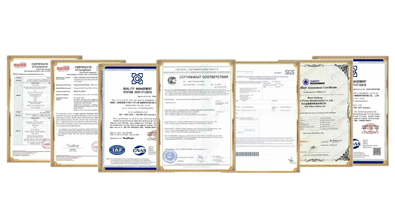
Complete MTC (Mill Test Certificate) paperwork provides material traceability and confirmation that each flange satisfies the appropriate chemical composition and mechanical property criteria. This is for government infrastructure projects that need to verify compliance. ISO 9001:2015 certification demonstrates a systematic approach to quality management across the entire production process. In contrast, having GOST-R certification allows you to lawfully sell to the Russian and CIS markets. Third-party testing services such as SGS or other such companies provide impartial tests to help purchasing managers avoid discrepancies in the quality of suppliers. Passivation and electropolishing treatments further enhance the surface chrome-oxide layer, optimizing corrosion resistance for demanding applications in water treatment facilities, desalination plants, and marine ports.
Comparing Stainless Steel Pipe Flanges with Alternative Materials
When procurement workers understand the trade-offs between materials, they can make the best specifications based on the needs of the application instead of just going for the lowest starting cost.
Stainless Steel Versus Carbon Steel Economics
As per ASTM A105 standards, carbon steel flanges are 40–50% less expensive than stainless steel pipe flanges of the same size. This makes them a good choice for non-corrosive uses like distributing compressed air or supplying water at moderate temperatures. When lifetime costs are taken into account, the economic calculations change in a big way. Carbon steel needs protective coatings in corrosive settings. These coatings add 20–30% to the initial cost of the material and need to be reapplied every 5–7 years, which takes a lot of work and costs a lot of money. Lifecycle cost analyses often show that stainless steel can provide a lower total cost of ownership over long service periods in corrosive environments because it doesn't need any coating maintenance at all. Cross-contamination between stainless and carbon steel during fabrication causes rust stains that weaken the corrosion resistance of stainless steel. This means that fabrication shops have to follow different rules for tooling and storage.
Alternative Materials: When to Consider Plastic or Alloy Options?
Plastic flanges made from PVDF or polypropylene work well for chemical service at low pressures below 150 psi and temperatures below 180°F. They are very resistant to strong acids and only cost a tenth of what metal ones do. Because they break easily when hit with force and are easily damaged by UV light, they can't be used outside. Exotic metals like Hastelloy C-276 or Inconel 625 are better at resisting corrosion in harsh conditions, but they cost 8–12 times more than 316 stainless steel, so they should only be used in serious situations where 316 stainless steel isn't strong enough.
Slip-On Versus Weld Neck Design Selection
Slip-on flanges make field assembly faster because they can be slid over the ends of pipes and only need fillet welds instead of full-penetration groove welds. This cuts installation time by about 30%. This benefit helps upgrade projects in working plants where hot work permits limit available welding time. Because their hubs are tapered, weld neck flanges provide better structural support. This is why they are required for high-pressure services above Class 600 or for uses that will be subject to heavy shaking and cyclic loads. Because slip-on fillet welds concentrate stress, they can't be used in important jobs where fatigue failure could lead to safety problems. For main process lines, procurement requirements should require weld neck designs. Slip-on flanges, on the other hand, should only be used for auxiliary systems where installation speed supports the small performance loss.
Conclusion
Investing in stainless steel pipe flanges is a smart move that will pay off in the long run in terms of corrosion resistance, operating reliability, and lifetime economics. These benefits directly affect buying goals like risk reduction and total cost of ownership. Because of how it's made, the material doesn't need expensive maintenance cycles and meets safety standards in petrochemical, power generation, and infrastructure uses. By carefully choosing between different types of materials, their pressure ratings, and the different ways they can be faced, you can get the best system performance while keeping project costs under control. Procurement teams can meet project targets without sacrificing quality when they work with certified makers who offer full documentation, expert support, and reliable delivery. The ideas in this article give you the confidence to make choices about specifications that will lead to long-term operating success.
FAQ
1. What standard sizes are available for stainless steel pipe flanges?
ANSI B16.5 standards are used for sizes up to 24 inches, and ANSI B16.47 standards are used for diameters larger than 24 inches. Stainless steel pipe flanges are made in sizes ranging from 1/2 inch to 60 inches NPS. Some common pressure classes are 150, 300, 600, 900, 1500, and 2500. Each one is rated for a certain highest pressure at a certain temperature.
2. How do I choose between weld neck and slip-on flanges?
Because they have a reinforcing hub design, weld neck flanges are stronger and more resistant to fatigue. This is why they are required for high-pressure services, important process lines, and uses that may experience temperature cycling or shaking. Slip-on flanges are easy to install and save money. They are good for low-pressure backup systems and repair jobs that don't have a lot of time for welding.
3. Why specify stainless steel over carbon steel flanges?
Stainless steel doesn't need any maintenance for corrosion, lasts decades longer in harsh environments, and lowers total lifecycle costs by about 35%, even though it costs more at first. The material is necessary for chemical processes, food-grade uses, and any other job where rust or having to change parts often would slow down operations.
Partner With RAYOUNG for Your Stainless Steel Pipe Flange Supplier Needs
RAYOUNG provides certified stainless steel pipe flanges that are made to meet ANSI, DIN, and JIS standards. These flanges have CNC-machined sealing surfaces and full MTC tracking, which means they can meet the strictest purchase requirements. Our production sites are ISO 9001:2015 approved and offer stable quality and low prices to EPC contractors, distributors, and industry end users in the petrochemical, power generation, and infrastructure sectors. We have a large selection of standard forms and pressure classes in stock, and we also offer custom-making services for unique uses that need non-standard shapes or materials. During the design development process, technical support teams offer engineering advice that helps you choose the best materials and flange setups for your unique working conditions. You can email our procurement experts at info@hb-steel.com to find detailed technical tools that will help you with your next job.
References
1. American Society of Mechanical Engineers (ASME). "ASME B16.5: Pipe Flanges and Flanged Fittings NPS 1/2 through NPS 24 Metric/Inch Standard." ASME International, 2020.
2. Davis, J.R. "Stainless Steels: ASM Specialty Handbook. "ASM International, Materials Park, Ohio, 1994.
3. Bickford, John H. "An Introduction to the Design and Behavior of Bolted Joints." CRC Press, 4th Edition, 2007.
4. Fluid Sealing Association. "Gasket Selection and Application Guide: Technical Handbook for Industrial Fluid Sealing." Fluid Sealing Association, Wayne, Pennsylvania, 2018.
5. Brown, Robert P. and O'Donnell, William J. "Flanged Joint Assembly: Theory and Practice." Pressure Vessel Research Council, Welding Research Council Bulletin 457, 2001.
6. National Association of Corrosion Engineers (NACE). "Corrosion Basics: An Introduction to Corrosion Control in Process Industries." NACE International, Houston, Texas, 2016.

Need a quote? Want to see samples? Just say hello. We’re friendly. We’re fast. And we’re ready when you are.
Welcome to RAYOUNG – Strong Pipes, Stronger Promise