Custom Pipe Fittings: A Guide to Choosing the Right Supplier
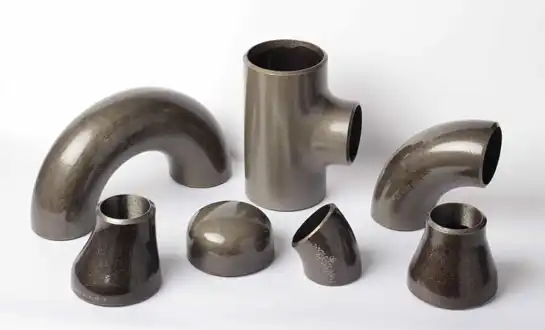
Choosing the right supplier for pipe custom fittings can determine whether your industrial project delivers seamless performance or faces costly downtime. Custom-engineered fittings—including buttweld elbows, reducers, tees, and flanges—are designed to meet exact operational specifications, ensuring compatibility with unique system pressures, temperatures, and environmental conditions. Unlike off-the-shelf alternatives, these components address specific industrial challenges through tailored material selection and precision manufacturing. When procuring custom solutions, decision-makers must evaluate supplier credentials, manufacturing capabilities, and quality certifications to secure reliable, long-term performance. This guide walks through critical considerations to help you partner with a supplier who minimises risk and maximises project value.
Understanding Custom Pipe Fittings and Their Industrial Value
What Sets Custom Fittings Apart from Standard Components?
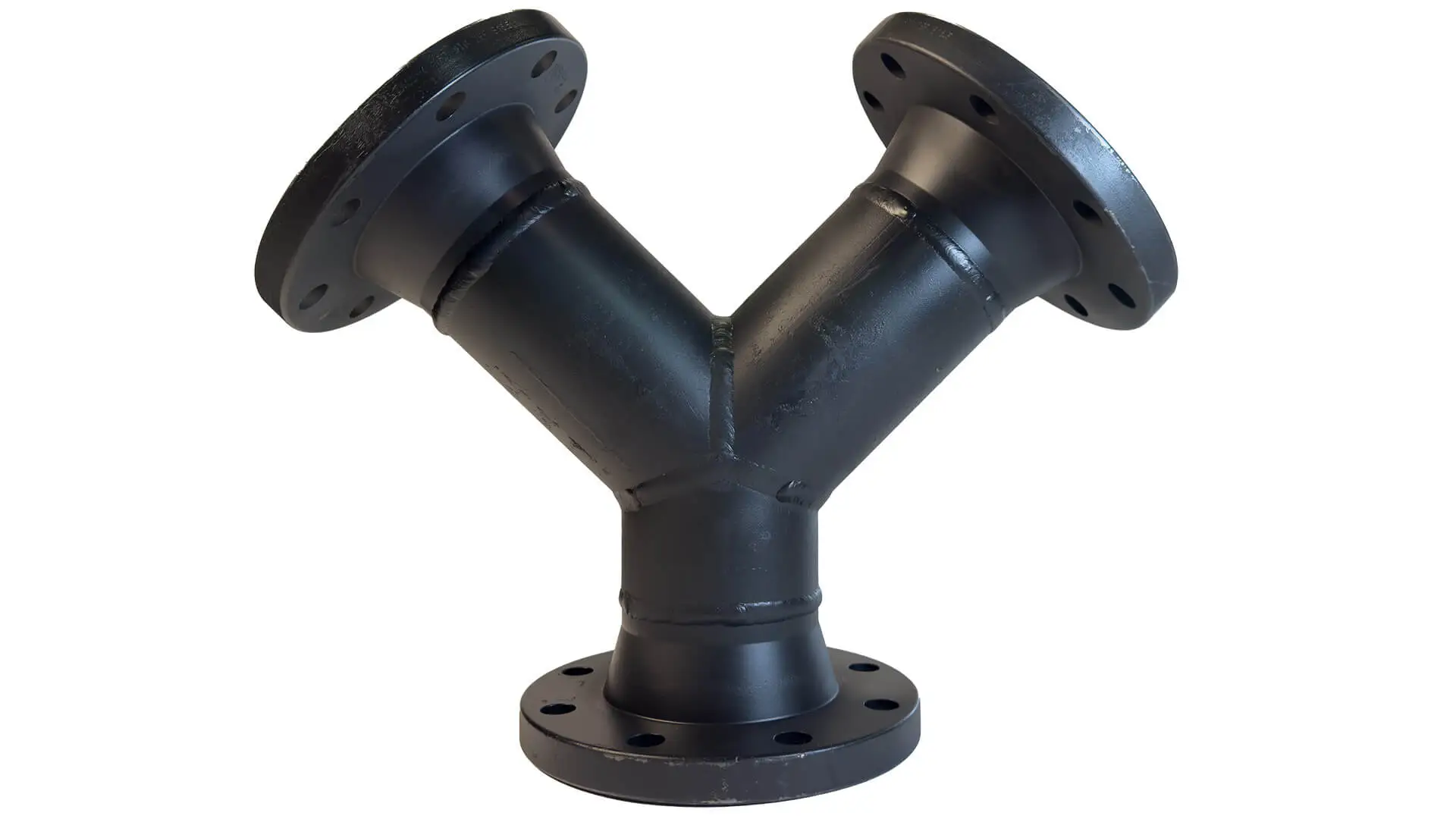
Custom pipe fittings can be manufactured to meet specific needs that can't be met by standard stock items. Standard fittings can be used for a wide range of tasks, but custom solutions are better for situations where the pipe size, angle, pressure rating, or corrosion resistance needs are not standard. In many fields, like petroleum processing, power generation, and offshore oil extraction, using standard parts can make things less safe and less efficient. Custom fittings provide precise dimensions, helping ensure smooth transitions between connected pipe components and reducing unnecessary flow disturbances that can contribute to erosion. This level of accuracy directly leads to longer service life and less upkeep.
Material Selection and Performance Optimisation
The choice of material has a big effect on how well a fitting works in a wide range of working situations. Carbon steel fittings made to ASTM A234 WPB standards are very strong and affordable for use in moderate-temperature settings. This is why they are commonly used in HVAC and water treatment systems. Some types of stainless steel, like ASTM A403 WP304 and WP316, are better at resisting corrosion than others. This is important for chemical processing and marine environments where chloride can damage steel. Chrome-moly alloy steels can withstand high temperatures and are good for use in thermal power plants and hot areas of refineries. Knowing how well the properties of a material work with the needs of the operation keeps it from breaking down too soon and needing expensive repairs.
How Custom Fittings Enhance System Efficiency?
When custom fittings are properly designed, they can improve hydraulic flow by reducing internal obstructions and maintaining appropriate bore transitions throughout the piping network. When standard fittings and lines don't have the same wall thickness, they create internal steps that cause turbulence, which wears away material and makes pumping more energy-intensive. Custom-made parts are made to fit particular pipe schedules, like SCH 40, SCH 80, or XXS, so internal changes are smooth. This focus on flow dynamics lowers pressure drops, keeps energy costs low, and increases the useful life of both fittings and the pipe infrastructure nearby, providing a clear return on investment.
Key Factors When Choosing a Custom Pipe Fittings Supplier
Evaluating Manufacturing Capabilities and Technical Expertise
A supplier's manufacturing processes have a direct effect on product quality and delivery reliability. Precision machining, hot forging, and automated welding are some of the advanced manufacturing technologies that are used to make sure that the dimensions are accurate and within tight limits. Suppliers who can do CAD modelling and finite element analysis can check designs before they are made, which cuts down on the cost of prototyping and speeds up project timelines. Flexibility in manufacturing lets suppliers handle small amounts of prototypes or big production runs, and they can change to different stages of a project, from testing to full deployment. When providers offer design changes that make it easier to weld, cut down on material waste, or raise pressure ratings, that shows they have the technical know-how.
Quality Certifications and Compliance Standards
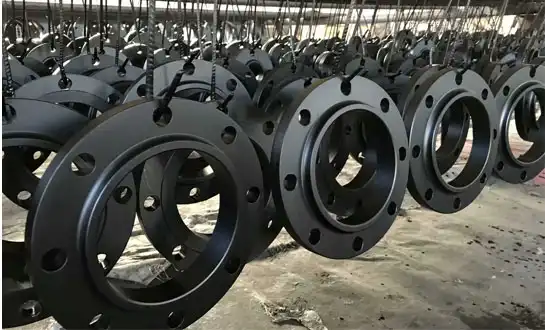
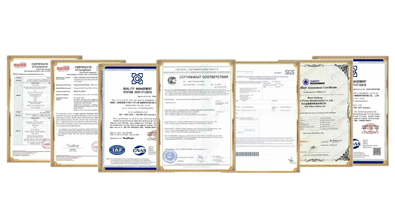
Reliable suppliers can be told apart from unreliable ones by their strict quality control. ISO 9001:2015 certification shows that quality management is carried out in a planned way throughout the whole production process, from checking the raw materials to doing the final inspection. Standards for each industry, like ASME B16.9 for butt-weld fittings, ASTM specifications for material grades, and API standards for oil and gas applications, make sure that products meet strict performance requirements. For tracking, suppliers of pipe custom fittings should provide EN 10204 3.1 material test reports (MTRs) that list the chemicals used, the heat numbers, and the results of mechanical tests. Third-party certifications, like SGS inspection and GOST-R export compliance, show that international standards are being met, which is very important for projects that go through more than one legal authority.
Supplier Reliability and Customer Support Infrastructure
Consistent delivery and quick contact are what set great providers apart from average ones. Reliable partners keep extra stock of frequently ordered designs, which cuts down on lead times for urgent needs. Clear pricing with no hidden fees helps people trust businesses and plan their budgets. Effective suppliers assign dedicated technical representatives who understand your operational context and offer engineering support during the development of specifications and the resolution of installation problems. Flexible transportation plans, like combining shipments, delivering parts in stages that match building milestones, and coordinating freight around the world, keep project delays and warehouse holding costs to a minimum.
Comparing Custom Pipe Fittings vs. Standard Pipe Fittings
Performance and Durability Advantages
Custom-engineered parts can provide better performance than standard ones in specific demanding situations because their materials, dimensions, and configurations can be matched to the service conditions. Standard catalogue fittings depend on broad specifications that cut corners on performance to appeal to a wide range of customers. When you order custom fittings, the properties of the material are exactly matched to the working conditions. This includes tensile strength, impact resistance, and corrosion allowances. With this focused method, there are longer periods of time between checks and replacements. ASTM A234 specifies heat-treatment requirements for applicable grades to control the properties of fittings after forming. This helps ensure that the mechanical properties meet the design requirements.
Cost Considerations and Long-Term Value
Because of technical development and speciality manufacturing, the initial costs of buying custom fittings are higher than those of standard choices. Lifecycle cost analysis, on the other hand, shows that there are big savings because of less upkeep, no need for emergency fixes, and no unplanned downtime. Standard parts may need to be replaced too soon if they are used in conditions that are too harsh for them, which adds to the cost by requiring multiple installations and the work needed for each one. When custom fittings are engineered with proper design safety margins, they operate reliably throughout their intended design life, often lasting decades in well-maintained systems. Warranty coverage and material certifications lower the financial risks that come with parts breaking down even more.
Application Suitability and Risk Mitigation
When project requirements call for non-standard setups or better performance, custom parts become necessary. In situations like high-pressure steam lines, cryogenic fluid systems, and aggressive chemical transfer, normal connections pose too high a risk of failure. Custom solutions take care of thread compatibility issues, like making sure that BSPT tapered threads meet ISO 7-1 standards with 55-degree Whitworth angles. This makes sure that leak-proof connections can be made that aren't available in standard inventories. When properly designed, custom fittings stop catastrophic failures that threaten worker safety, environmental compliance, and production stability. This comprehensive risk mitigation readily justifies the higher initial procurement cost by preventing catastrophic downstream failures.
Manufacturing Processes and Quality Assurance in Custom Pipe Fittings
Design Engineering and Specification Development
The process of making a custom fit starts with a thorough design meeting between the client's engineering teams and the supplier's technical staff. CAD modelling turns operational requirements into three-dimensional shapes, which lets you test a virtual assembly before committing to materials. Simulation software looks at how stresses are distributed under pressure, how temperature changes affect the structure, and how long it will last under wear. This helps designers find possible problems early on in the design process. Bevelled end preparation (usually 37.5° ±2.5°) makes sure that the weld goes through and fuses properly, which is important for making parts that don't leak. Detailed engineering models show the exact sizes, surface finishes, and inspection standards that must be met. This sets clear acceptance standards that keep disagreements from happening during the receiving process.
Fabrication Techniques and Material Processing
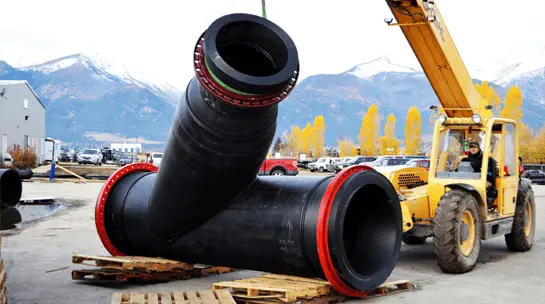
The way something is made depends on the type of fitting, its size, and the requirements of the material. Controlled bending of heated billets is used in hot forging to make pipe custom fittings. This method produces better grain flow and mechanical properties than casting. Welding is used to join fitting components or connect fittings to pipe sections. Compliance with applicable codes requires qualified welders and documented welding procedures. Precision CNC machining achieves the exact final dimensions and specified surface finishes, particularly for critical sealing faces and threaded connections. Butt weld fittings have bevelled edges that are welded directly to the pipe. They are commonly used in high-integrity piping systems where a continuous welded connection is required. It is common to use socket weld fittings for smaller-diameter lines where a compact welded connection is preferred because the pipe is inserted into the fitting socket.
Testing Protocols and Quality Verification
Before being shipped, parts that have been made must pass a lot of tests to make sure they meet the requirements. Hydrostatic pressure testing, when required by the applicable specification or purchase requirements, verifies that the fitting can withstand the specified test pressure without leakage. Using calibrated measuring tools, dimensional inspections make sure that the product meets the tolerances set in the drawing. Non-destructive testing methods, such as ultrasonic testing, radiographic examination, and magnetic particle inspection, can find problems inside or on the surface that can't be seen with the naked eye. Spectroscopy is used to check that the chemical makeup of a material fits the grades that were given. Shipments come with documentation packages that include test certificates, records of where materials came from, and inspection reports. These provide proof of compliance needed for regulatory approval and project closeout.
How to Procure Custom Pipe Fittings: Best Practices and Supplier Sources?
Identifying Trusted Supply Channels
Depending on the size and complexity of the project, procurement plans should find a balance between partnerships with direct manufacturers and distributors. Working directly with makers gives you more control over customisation, the chance to work together on technical issues, and maybe even lower unit costs for big orders. This method works well for large EPC contractors in charge of multimillion-dollar infrastructure projects that need a lot of engineering help. Distributors and stockists make it easy for small engineering companies and repair shops that need quick turnaround times to get commonly requested configurations without having to meet a minimum order number. Manufacturers with a good reputation that sell to customers all over the world have experience with international standards, export paperwork, and the complicated processes of moving goods across borders.
Optimising Order Quantities and Pricing Negotiations
Figuring out the minimum order quantity helps you balance inventory costs with unit-price economics. Manufacturers usually set MOQs based on how much it costs to set up production, how much it costs to buy materials, and the quality control batch needs. By combining needs from several projects or planning purchases with multiple contractors at the same time, you can reach volume thresholds that let you access better pricing levels. Clear cost breakdowns that separate material costs, labour costs for fabrication, testing costs, and logistics fees make it possible to compare prices between suppliers in a meaningful way. Long-term supply agreements that commit to yearly volumes ensure stable prices, protect against changes in the cost of materials, and give production scheduling priority when capacity is limited.
Managing Lead Times and Logistics Coordination
Expecting realistic lead times keeps projects from running late and avoids expensive expediting fees. It usually takes eight to twelve weeks to make a custom fitting, which includes getting approval from engineers, buying materials, making the fitting, testing it, and sending it. Timelines get even longer when there are complicated shapes, rare materials, or extensive testing requirements. Getting suppliers involved early on in the planning stages of a project lets the output schedule be set up correctly. Phased supply plans make sure that the arrival of parts doesn't interfere with the building process. This reduces the need for on-site storage and the risk of theft. International packages need to coordinate export paperwork, freight handling, customs clearance, and the last mile of delivery. Each of these steps can cause delays, so it's important to communicate ahead of time and plan for what could go wrong.
Conclusion
It's important to carefully evaluate a supplier's manufacturing capabilities, quality certifications, and technical support infrastructure when sourcing custom pipe fittings. Custom-engineered parts can provide better performance because they are manufactured to precise specifications using materials suited to the application. The higher initial investment can be justified by longer service life and lower operating costs. Reliable suppliers show their knowledge through thorough testing protocols, open communication, and flexible logistics coordination that helps the project succeed. Knowing the differences between butt weld and socket weld setups, how important it is to fit pipe schedules, and why proper heat treatment is necessary are all things that you need to know before you buy something. Strategic relationships with suppliers based on approved quality, prompt service, and proven reliability lower project risk and boost operating efficiency in a wide range of industrial settings.
FAQ
1. What distinguishes a butt weld from a socket weld pipe fitting?
Butt weld fittings connect directly to pipe sections by welding bevelled ends to them. This makes flush joints that are good for high-pressure lines with diameters greater than two inches, where flow efficiency and structural integrity are very important. Socket weld fittings feature a recessed socket (counterbore) into which the plain end of the pipe is inserted before welding. This configuration is widely favored for small-bore piping systems requiring high structural joint integrity. The choice is based on the size of the line, the pressure rating, and how easy it is to install.
2. Why do custom fittings require heat treatment processes?
Heat treatment fixes the mechanical traits and grain patterns that were changed during the hot forming process. As required by ASTM A234 standards, the normalising, cooling, and tempering steps reduce internal stresses, make the metal more flexible, and make sure that the strength of the fitting is the same all the way through. This treatment keeps the material from breaking easily when it's under operating loads and changing temperatures, which is very important for safety-critical uses.
3. Can fittings with different schedule ratings be welded together?
When you weld components with different schedules, such as a SCH 40 fitting to a SCH 80 pipe, differences in wall thickness and internal bore may require proper transition and weld-end preparation. Poorly matched dimensions can increase turbulence and local stress, so the connection should be designed and fabricated in accordance with the applicable piping code. Custom fittings should be specified to provide appropriate wall thickness and bore transitions for the adjoining pipe schedules. This helps maintain suitable flow characteristics and structural continuity throughout the piping system.
Partner with RAYOUNG for Certified Custom Pipe Fittings.
Precision-engineered custom pipe fittings from RAYOUNG are backed by ISO 9001:2015 certification, GOST-R export compliance, and SGS quality validation. We offer a wide range of products, such as buttweld steel elbows, reducers, tees, and flanges made from carbon steel and stainless steel types that meet ASTM standards. We offer responsive technical support and advanced production to EPC contractors, industry end users, and government building projects in both domestic and foreign markets. Get in touch with our team at info@hb-steel.com to talk about your project needs with a reliable custom pipe fittings supplier that will support your operational success with reliable performance, competitive pricing, and on-time delivery.
References
1. American Society of Mechanical Engineers. (2020). ASME B16.9: Factory-Made Wrought Buttwelding Fittings. New York: ASME Press.
2. ASTM International. (2021). ASTM A234/A234M: Standard Specification for Piping Fittings of Wrought Carbon Steel and Alloy Steel for Moderate- and High-Temperature Service. West Conshohocken: ASTM International.
3. International Organisation for Standardisation. (2019). ISO 9001:2015 Quality Management Systems — Requirements. Geneva: ISO.
4. Nayyar, M.L. (2018). Piping Handbook, 8th Edition. New York: McGraw-Hill Education.
5. Smith, P.R. & Zappe, R.W. (2017). Valve Selection Handbook: Engineering Fundamentals for Selecting the Right Valve Design for Every Industrial Flow Application, 6th Edition. Oxford: Gulf Professional Publishing.
6. American Petroleum Institute. (2019). API Specification 5L: Specification for Line Pipe, 46th Edition. Washington: API Publishing Services.
Need a quote? Want to see samples? Just say hello. We’re friendly. We’re fast. And we’re ready when you are.
Welcome to RAYOUNG – Strong Pipes, Stronger Promise