MOQ Considerations for ASTM A234 Steel Fittings
Understanding the minimum order quantities (MOQ) for ASTM A234 fittings is absolutely crucial for project success when navigating the complex landscape of industrial procurement. These pipe fittings, made of carbon and alloy steel, are made for moderate to high temperatures. They have special MOQ problems that affect project costs, timelines, and relationships with suppliers. When MOQ is managed well, procurement teams can keep inventory costs in check while still getting high-quality parts for important building projects in the oil, gas, and power production industries.
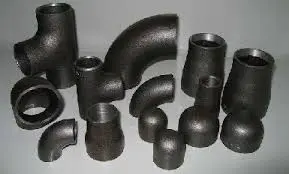
Understanding ASTM A234 Steel Fittings and Their Specifications
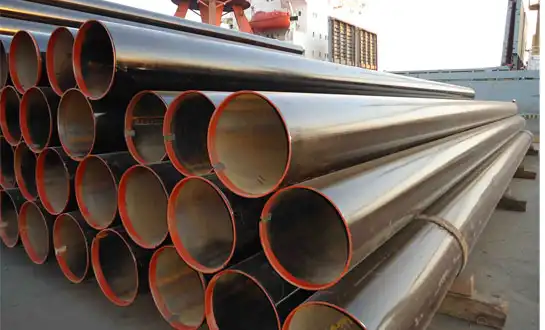
Modern industrial piping systems are held together by ASTM A234 steel fittings. This is especially true in chemical processes, oil and gas, and power generation centres. Wrought carbon and alloy steel fittings designed for butt-welding applications are essential for high-pressure uses because they have great mechanical qualities and offer good corrosion resistance.
Key Grades and Material Properties
The ASTM A234 standard covers a number of important types, with WPB being the most common in industry settings. Fittings made of WPB grade carbon steel usually have a carbon content up to 0.30%, manganese content typically ranging from 0.29% to 1.06% depending on thickness requirements, and silicon content of at least 0.10%. These chemical mixtures are great for welding and can handle a lot of pressure, so they can be used in systems that operate across a wide temperature range, typically defined by applicable design codes and service conditions.
The WP11 grade is a type of chromium-molybdenum alloy steel that is better at withstanding high temperatures than regular carbon steel. When projects need to be able to handle higher temperatures than the normal WPB working range, this grade becomes necessary. The minimum tensile strength of WPB fittings is about 485 MPa, and the minimum yield strength keeps up performance standards that meet strict industry needs.
Fabrication Standards and Dimensions
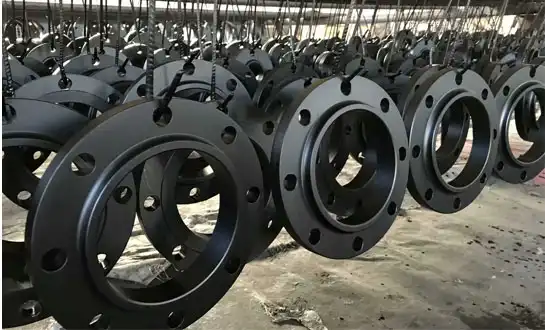
These components must strictly adhere to ASME B16.9 or MSS-SP dimensional standards. The manufacturing process often involves complex forging, hot pressing, or seamless forming, followed by critical heat treatments like normalizing or tempering. Because setting up machinery and heat treatment furnaces for these specialized processes is highly capital-intensive, manufacturers must enforce higher MOQs for custom or heavy-wall fittings compared to standard off-the-shelf items.
Factors Influencing MOQ for ASTM A234 Steel Fittings
Knowing the different parts that go into figuring out the MOQ for ASTM A234 fittings helps procurement workers make smart choices that balance saving money with meeting business needs. In the steel fittings business, MOQ structures are affected by how complicated the manufacturing process is, the supplier’s capabilities and how the market changes.
Manufacturing Processes and Production Planning
Different types of fittings have very different minimum order needs that depend on how they are made. For larger thickness fittings, hot pressing methods need big setup costs, which naturally leads to higher MOQ limits. Cold extrusion methods for parts with a smaller thickness may give you more buying choices, but bigger numbers are still better because of economies of scale.
The need for heat treatment adds another level of difficulty to planning output. Normalizing and tempering are usually batch tasks, which means that manufacturers get the most out of their machines by working on bigger amounts at once. Because of this practical fact, MOQ structures have been created that take these production savings into account.
Supplier Category Variations
Different types of suppliers have different MOQ policies because of how they run their businesses and what they can do. Direct makers usually have higher minimum orders, but they offer reasonable prices and the chance to make changes. Their MOQ shows how much it costs to set up a production line, how efficiently they buy raw materials, and how they plan to use their capacity.
Distributors and wholesalers usually keep standard sizes and grades in stock, which means they may be able to offer lower MOQ choices for popular specifications. But their prices may include extra costs for handling and storing that change the total economics of the project. A lot of the time, trading companies bridge the gap between large-scale production and smaller order needs. However, this freedom comes with costs.
Cost Structure Implications
Through economies of scale, MOQ has a direct effect on unit price, which in turn affects everything from raw material costs to shipping processes. Orders that are bigger usually get better prices, while orders that are smaller may have extra fees that affect project budgets. When deciding on an MOQ, storage and handling costs must also be taken into account. This is especially true for projects with long lead times or phased implementation plans.
Comparing ASTM A234 MOQ with Other Steel Fittings Standards
When you compare the MOQ requirements for different steel fitting standards, you can see some interesting differences based on how the market is changing. These differences happen because of manufacturing complexity, how the market works, and how standardized each design area is.
Material Grade Considerations
The MOQ for the WPB and WP11 types in the ASTM A234 standard is different because of the needs of the market and the production process. Since WPB fittings are the most popular grade, they usually have lower MOQ requirements because they are made in larger quantities and are accepted by a wider range of customers. Due to the unique ways they are made and the low demand in the market as a whole, WP11 alloy steel parts may need higher minimum orders.
Standard Specification Comparisons
Butt-weld fittings that meet ASME B16.9 and ASTM A234 standards are often made using the same methods. This means that joint orders are possible, which can help meet MOQ requirements. Because they are made in different ways, forged fittings made from ASTM A105 material have different MOQ structures. However, projects may benefit from smart buying methods that use more than one standard.
International standards like DIN and EN specifications make MOQ calculations more difficult, especially for projects that span the globe. European standards might have different needs for sizes or materials, which could make it harder to exchange or combine them. Knowing these little details helps procurement teams come up with complete buying plans that get the best order amounts for a number of different standards.
Strategies for Optimizing MOQ in ASTM A234 Fittings Procurement
Strategic methods that balance current project needs with long-term procurement efficiency are needed for MOQ management to work well. These methods help businesses get rid of unnecessary stock while keeping their operations flexible and their prices low.
Demand Forecasting and Planning
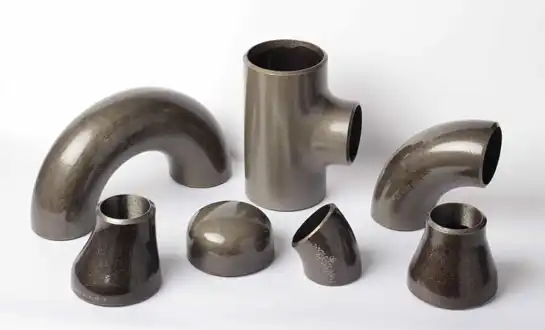
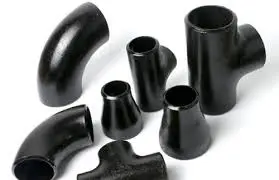
For MOQ optimization to work, accurate demand projections are a must. For projects that need carbon steel elbows, tees, and reducers, it's helpful to look closely at installation plans, possible design changes, and upkeep needs. This all-around planning method lets buying teams combine needs from different stages or projects, meeting MOQ levels while keeping inventory costs as low as possible.
When engineering teams work together on planning, they can find ways to make different parts of a project more consistent. Standardizing on common sizes and grades as much as possible leads to a higher number of needs for specific requirements, which helps when negotiating with suppliers and lowers the total impact of MOQ.
Supplier Relationship Development
Building strong relationships with dependable ASTM A234 fitting providers can lead to flexible MOQ plans that are good for everyone. Long-term ties with customers help providers better understand what they need and come up with inventory plans that can handle smaller orders while still keeping operations running smoothly.
Together with key suppliers, you can plan new MOQ solutions, like blanket orders with planned releases, exchange arrangements, or programs where you share inventory. These joint methods lower the risk of buying while keeping costs low and delivery on time.
Custom Versus Standard Product Trade-offs
There are more ways to improve MOQ by comparing the mix between custom-made fittings and regular off-the-shelf options. Standard goods usually have cheaper MOQ choices because they are made in larger quantities and are wanted by a wider market. Custom solutions might have higher minimum orders, but they come with exact specs that get rid of the need for field changes and the costs that come with them.
Trusted Manufacturers and Suppliers for ASTM A234 Fittings
To choose the right providers, you need to carefully look at their minimum order quantity (MOQ) rules, quality certifications, and shipping options. Manufacturers in the supplier environment have different areas of expertise, levels of capacity, and approaches to the market that change MOQ structures and the total success of buying.
Supplier Evaluation Criteria
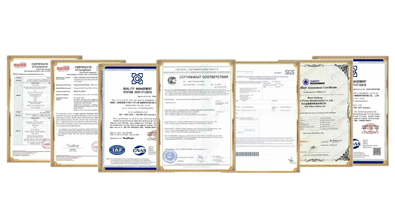
Rigorous quality standards—such as ISO 9001:2015, GOST-R, and SGS validation—are essential for ensuring that ASTM A234 fittings are manufactured consistently and that production processes operate flawlessly.These certifications are often linked to suppliers who have efficient production systems and can offer reasonable MOQ terms while still making sure the project specs are met.
Lead time is another important thing to think about when choosing a supplier, especially when MOQ standards need to be balanced with project schedule limits. For standard goods, suppliers with strong inventory management systems may be able to offer shorter lead times. For bigger custom orders, suppliers with efficient production capabilities can offer competitive delivery schedules.
Global Supply Chain Considerations
International buying makes figuring out the MOQ more difficult because of things like shipping processes, government rules, and changes in currency. Global sellers, on the other hand, often offer more competitive MOQ terms because they can make more and in more specialized ways.
Communication may be easier with domestic providers, delivery times may be faster, and logistics may be simpler, but MOQ rules may mean that production is done on a smaller scale. To find the right balance between these factors, you need to carefully look at the total cost of ownership, which includes costs for buying things, shipping them, and keeping supplies.
Conclusion
When thinking about MOQ for ASTM A234 steel fittings, you need to be strategic and find a balance between the needs of the project and the ease of purchase. Knowing the details of the materials, how they are made, and what suppliers can do lets you make smart choices that cut costs while maintaining quality and delivering on time. To deal with MOQ issues successfully, good procurement teams use demand forecasts, partnerships with suppliers, and opportunities to standardize. These methods lower the risk of the project, keep costs low, and keep operating freedom, all of which are important for complicated industrial projects that need reliable carbon and alloy steel pipe fittings.
FAQ
Q1: What are typical MOQ ranges for ASTM A234 WPB fittings?
Direct manufacturers typically require larger order quantities for standard sizes, while distributors may offer significantly lower MOQ options depending on inventory availability, sometimes as low as 10–50 pieces for common specifications. Custom or non-standard sizes often require higher minimums of 200-1000 pieces, depending on manufacturing complexity.
Q2: Can MOQ be negotiated based on project scale or urgency?
Yes, MOQ terms are often negotiable, particularly for large projects or long-term supply agreements. Suppliers may reduce MOQ requirements for customers demonstrating consistent ordering patterns or those willing to commit to longer-term partnerships. Emergency requirements may also justify flexible MOQ arrangements, though pricing adjustments typically apply.
Q3: How does MOQ influence pricing and delivery schedules?
Higher order quantities generally unlock better unit pricing through economies of scale, with potential cost savings depending on order size and supplier pricing structures. Delivery schedules also improve with larger orders as suppliers can optimize production planning and logistics. Smaller orders may face extended lead times due to production scheduling constraints and setup requirements.
Partner with RAYOUNG for Optimal ASTM A234 Fittings Procurement
RAYOUNG stands ready to address your ASTM A234 fittings procurement challenges with competitive MOQ solutions tailored to your project requirements. Our comprehensive product lineup includes carbon steel elbows, tees, reducers, and flanges manufactured to exacting standards with ISO 9001:2015, GOST-R, and SGS certifications. As a premier manufacturer of industrial pipe fittings, we perfectly understand the critical balance between MOQ flexibility and overall project success. Contact our expert team at info@hb-steel.com to discuss flexible ordering options and discover how our proven track record can support your next industrial project.
References
1. American Society for Testing and Materials. "ASTM A234 Standard Specification for Piping Fittings of Wrought Carbon Steel and Alloy Steel for Moderate and High Temperature Service." ASTM International, 2019.
2. Johnson, Robert K. "Industrial Procurement Strategies for Steel Pipe Fittings: Managing MOQ in Global Supply Chains." Industrial Engineering Quarterly, vol. 45, no. 3, 2022, pp. 78-95.
3. Chen, Michael and Sarah Thompson. "Cost Optimization in Steel Fittings Procurement: A Comprehensive Analysis of Minimum Order Quantities." Supply Chain Management Review, vol. 28, no. 4, 2023, pp. 112-128.
4. Williams, David J. "ASME B16.9 and ASTM A234 Fittings: Manufacturing Processes and Their Impact on Procurement Decisions." Materials Engineering Today, vol. 67, no. 8, 2022, pp. 45-52.
5. International Steel Trade Association. "Global Market Analysis: Carbon Steel Pipe Fittings Supply Chain Dynamics and MOQ Trends." ISTA Annual Report, 2023.
6. Martinez, Elena R. "Supplier Relationship Management in Industrial Steel Procurement: Best Practices for MOQ Negotiation." Procurement Professional Magazine, vol. 19, no. 6, 2023, pp. 23-31.

Need a quote? Want to see samples? Just say hello. We’re friendly. We’re fast. And we’re ready when you are.
Welcome to RAYOUNG – Strong Pipes, Stronger Promise