How to Properly Maintain and Extend the Lifespan of Steel Pipes?
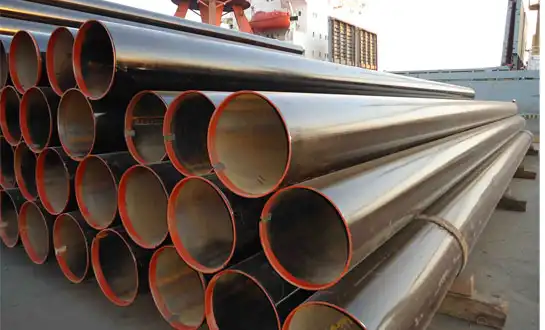
Steel pipes need to be taken care of properly so that they last a long time and work well in a wide range of commercial and domestic settings. If you care for your steel pipes the right way, they will last a lot longer. In the long run, this will cut down on the amount of expensive repairs and time lost from work. This whole guide will teach you important things about how to take care of steel pipes so that you can protect your investment and keep your plumbing in good shape. Keep steel lines in good shape, and they will last longer by keeping water away from them and stopping them from rusting. Things need to be looked at often so that damage or wear can be found early. To keep the lines from being under too much stress, make sure they have enough support. Also, clean them often so that they don't get stuck and build up. If you follow these tips, your steel pipe systems will last longer and work better, which will save you time and money in the long run.
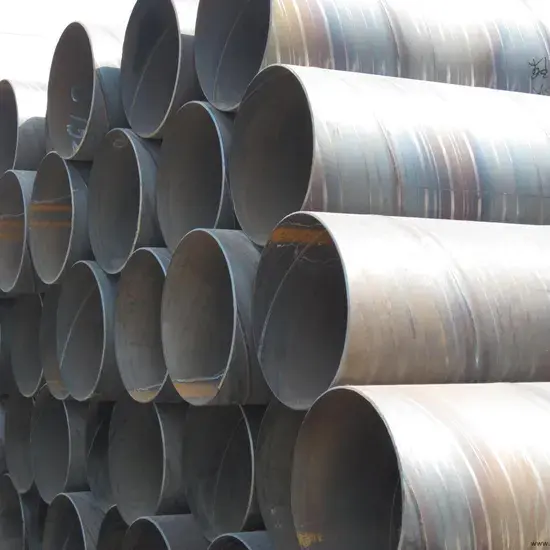
Why Is Steel Pipe Maintenance Important?
There are a lot of reasons why it's vital to take care of steel pipes:
Cost-Effectiveness
Regular maintenance might help you prevent having to pay for costly repairs and replacements. Fixing small problems as soon as they come up can help you avoid big ones. These huge faults might break the system and cost a lot of time and money.
Guarantee of Safety
Steel pipes are less likely to rupture or leak if you take care of them. This means that there is less of a chance of accidents, injuries, and pollution of the environment. Following steel pipe maintenance tips is very crucial for businesses that deal with dangerous products or systems that work under a lot of strain.
Improve work efficiency
Steel pipes will keep working well if you take care of them appropriately. It is crucial for a lot of industrial processes to have pipes that are clean and free of rust, and that can handle the right flow rates and pressure.
Following the rules
A lot of businesses have to follow strict rules about how to set up their pipes and make sure they are safe. These rules are easier to follow if you do regular maintenance. This will help you stay out of trouble with the law and avoid fines.
What is its lifespan?
If you take care of them, steel pipes can last for decades. You may greatly increase the life of your plumbing system by taking proper care of it. This is the best way to get the most for your money.
Best Practices for Steel Pipe Maintenance
A full repair plan is what you need to make your steel pipe systems last longer. In that case, here are some great things to remember:
Stopping rust
Corrosion is especially bad for steel pipes. To solve this issue:
- Use protective coatings like zinc galvanisation, epoxy, or polyurethane to keep chemicals and water out of lines.
- When things are dangerous, use rust inhibitors or anticorrosion sprays.
- To keep the moisture level in check, make sure there is enough air flow and drains.
- For buried pipes, you should put in cathodic protection equipment.
Regular checkups
It's very important to find problems early, and regular checks are a great way to do that:
- Check the thing to see if there is any rust, leaks, or other damage.
- You can keep an eye on how thick the pipe walls are with non-destructive testing methods such as ultrasound thickness testing.
- Check the welds, joints, and fittings for harm or signs of wear.
- It's important to keep track of all inspections and what they found.
Correct Support and Alignment
Just making sure the pipes are supported and lined up right will help them last longer and not get worn out:
- Use the correct supports, hangers, and clamps to keep anything from drooping and moving too much.
- To keep stress off of joints and fittings, check the alignment of the pipes and change it as needed.
- When you need to, use flexible connections so that things can expand and contract with heat.
Keeping an eye on pressure and temperature
To make pipes last a long time, you need to keep an eye on the temperature and pressure:
- When the temperature is very high or very low, put insulation around pipes to keep them from getting too hot or too cold.
- Watch and manage the system pressure so that it doesn't go too high.
- Where they are needed, put in expansion joints and pressure relief valves.
Regularly cleaning and flushing
When you clean the lines, the flow is better, and rust doesn't form inside them:
- Make sure to clean often to get rid of scale, sediment, and other waste.
- Clean the pipe with the right chemicals and methods for the type of pipe and what is inside it.
- It's important to flush your lines regularly to keep the flow going and prevent buildup.
Common Causes of Steel Pipe Failure
If you know the primary reasons why steel pipes fail, you'll be able to take better care of them:
Rust
Steel pipes usually break because they rust. It can happen because of:
- Being near moisture and air
- Chemical reactions with the stuff in the pipe
- Corrosion caused by galvanic activity between metals that are different from each other
- Corrosion that happens in some places because of bacteria
Stress from machines
Pipes can shatter if they are too stressed out by:
- Not enough help or alignment
- Heat causes things to expand and contract.
- Shaking and being fatigued
- Things that come from outside or loads
Erosion
Internal erosion can happen because of:
- Moving rough materials at high speeds
- Patterns of turbulent flow
- There are solid particles in the fluid.
Issues with the way things are made
Some pipe failures can be traced back to flaws with how they were made:
- Problems with the weld
- Things that aren't pure in the material
- Not heating it up right
Things in the Environment
Pipes can break down because of the weather outside:
- Very hot or very cold
- The state of the soil for pipelines that are buried
- UV rays for pipes that are outside
- Being around chemicals in factories
You may considerably minimise the probability of steel pipe failure and make your piping systems last longer overall by utilising particular steel pipe maintenance tips to deal with these common concerns.
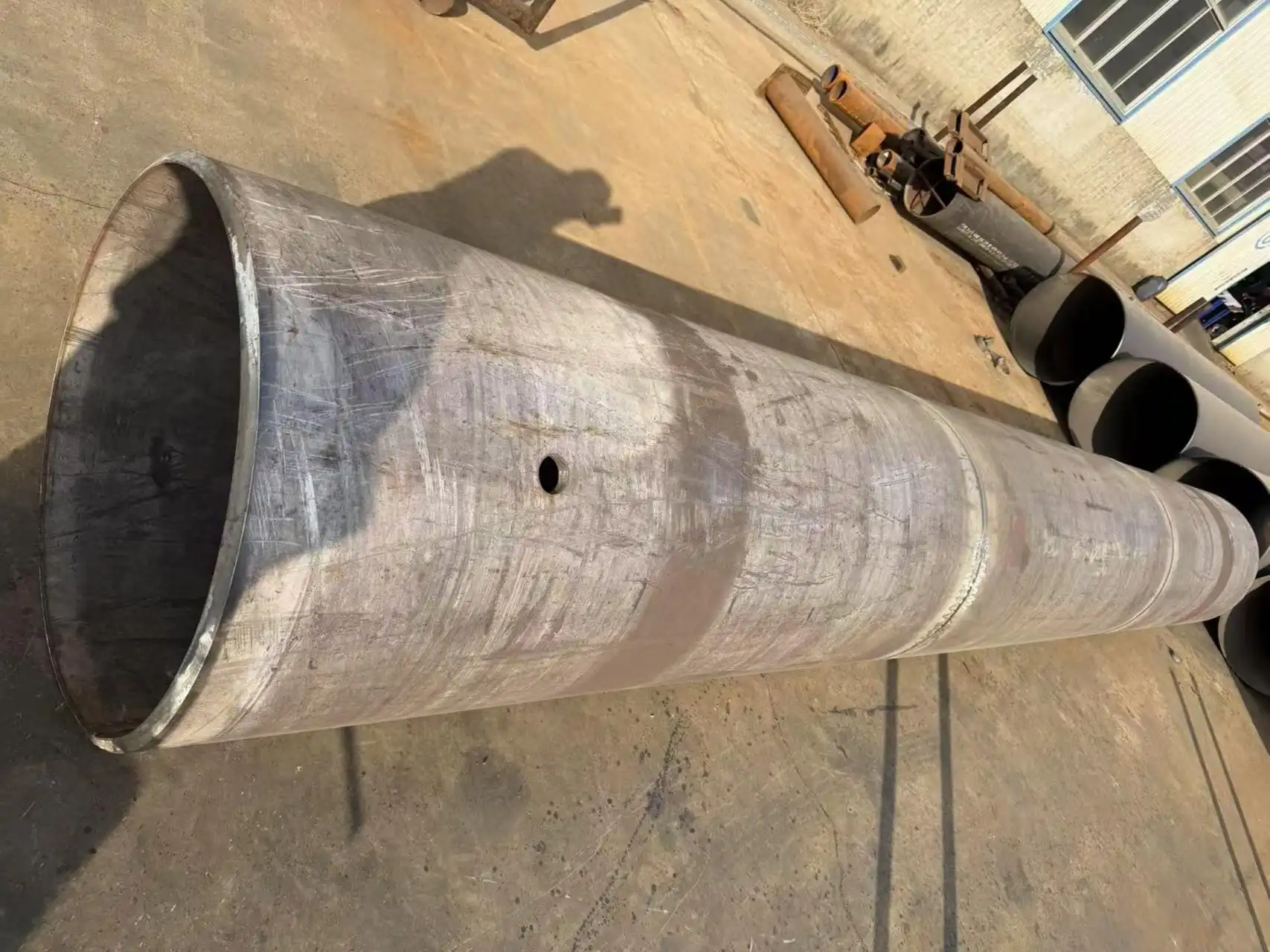
Conclusion
Proper care must be given to steel lines so that they work well, last as long as possible, and are safe. Steel pipe systems will last a lot longer if you have a good care plan that includes stopping corrosion, checking them often, giving them the right support, and cleaning them often. Remember that finding problems early and fixing them quickly is the best way to avoid big problems and costly repairs.
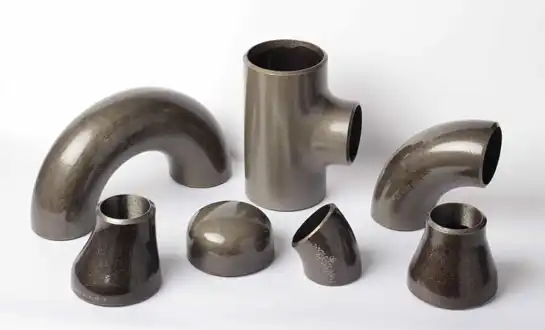
You could work with HEBEI RAYOUNG PIPELINE TECHNOLOGY CO., LTD. if you need high-quality steel pipes and fittings for big projects like building new structures or making old ones better. Our company is one of the best ones that makes and sells carbon steel pipes and parts. There are many kinds of things here that can help with many types of jobs. We care about quality, and our ISO 9001:2015 certification and strict testing show that. Our goods will work well and last a long time.
Frequently Asked Questions
1. How often should you look at steel pipes?
There are a variety of elements that affect how often steel pipes need to be checked, such as what they are used for, where they are, and how old they are. Most of the time, you should undertake visual inspections at least once a year and more extensive ones (like ultrasonic testing) every three to five years. Some systems that are really critical or have a lot of risk may need to be reviewed more often.
2. When should you replace a steel pipe?
You may need to replace a steel pipe if you find rust or corrosion on it. Other symptoms are leaks that keep appearing, a substantial loss in wall thickness (as observed by ultrasonic testing), a lot of pitting, or machines that keep breaking down. If you have to fix the pipe more often or it costs more, it could be wiser to replace it.
3. Can you utilise cathodic protection on steel pipes that are already there?
Yes, cathodic protection can be used on steel pipes that are already present, especially if they are underground or underwater. You can do this with either sacrificial anodes or impressed current systems. But how well it works may depend on how well the pipe is and how easy it is to get there. A corrosion expert should look at the issue to find the best approach to deal with it.
Expert Steel Pipe Solutions for Long-Lasting Performance | RAYOUNG
If you want your steel piping systems to last a long time and perform properly, you need to choose the right vendor. HEBEI RAYOUNG PIPELINE TECHNOLOGY CO., LTD supplies a large range of high-quality steel pipes and fittings that can handle even the most demanding industrial and infrastructural applications. Our products are made to last, operate well, and be easy to fix. This helps you save money in the long term and cut down on downtime.
Our team of experts can help you with anything from managing government infrastructure to conducting a huge industrial project to finding reliable ways to get your products to customers. We understand that EPC contractors, engineering firms, and industrial end users all have their own issues to cope with. That's why we're committed to discovering answers that keep everyone safe, following the rules, and working at their best.
Don't settle for anything less than the best when it comes to your steel pipes. Email RAYOUNG at info@hb-steel.com today to chat about what you need for your project and see how our high-quality steel pipes and fittings may help your business grow over time. We can help you plan plumbing systems that are sturdy, efficient, and will last a long time.
References
1. Smith, J. (2023). "Advanced Methods for Keeping Steel Pipes in Industrial Settings." The Journal of Industrial Engineering, 45(3), 278–295.
2. Johnson, R., and Brown, L. (2022). "How to Keep Steel Piping Systems from Rusting in Harsh Environments." Corrosion Science and Technology, 57(2), 145–160.
3. The National Association of Corrosion Engineers (2024). "Best Ways to Check and Care for Steel Pipes." NACE International's Technical Report.
4. Williams, A., et al. (2023). "How Maintenance Affects the Longevity of Steel Pipes: A Life Cycle Analysis." Materials Performance, 62(4), 52–68.
5. The American Water Works Association (2022). "Steel Water Pipe: A Guide to Design and Installation." The fifth edition of the AWWA Manual M11.
6. Zhang, Y., & Lee, K. (2024). "New coating technologies that make steel pipes last longer." Surface and Coatings Technology, 428, 127954.

Need a quote? Want to see samples? Just say hello. We’re friendly. We’re fast. And we’re ready when you are.
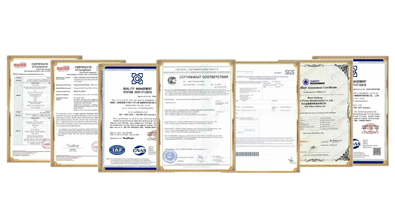
Welcome to RAYOUNG – Strong Pipes, Stronger Promise