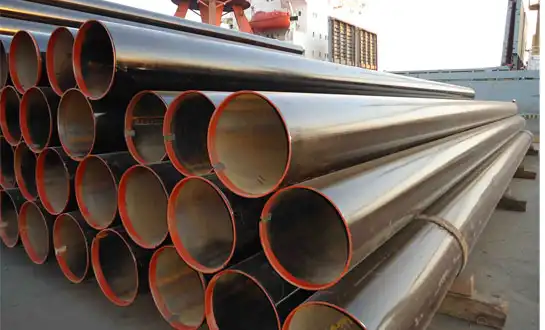
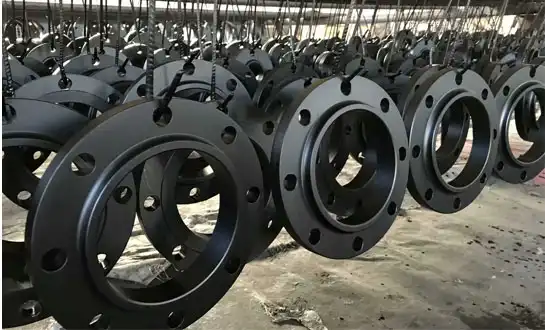
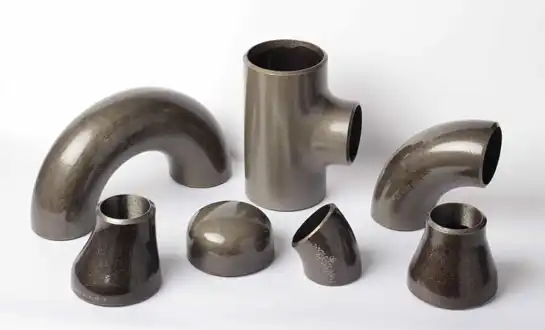
How to Choose the Right Steel Pipe for Industrial Projects?
If you want your business to succeed and last, picking the right steel pipe for industrial applications is essential. Knowing what goes into this selection is vital because there are many alternatives. You need cost-effective, purpose-built steel pipe for your business. Make use of this all-inclusive manual to accomplish that. When deciding on a steel pipe, it is important to take into account the material's qualities, as well as local conditions, project needs, and industry standards. By thoroughly analyzing all of these elements, you may arrive at a prudent decision that satisfies your project's needs and stays consistent throughout time.
What Factors Should You Consider When Choosing a Steel Pipe?
There are some important things to remember when picking a steel pipe for a business job. These things all affect how well the pipe does its job.
How the Material Feels
The quality of the steel pipes' material determines how well they perform. Take these considerations into account:
- Strength: Find out how much tensile strength, yield strength, and impact resistance your application needs.
- To find out how resistant the pipe is to corrosion, evaluate how well it can handle chemicals and the weather.
- Temperature Tolerance: Make sure the pipe can endure the range of temperatures it will be subjected to without breaking.
- Durability: Think about how effectively the pipe can handle tension and wear and tear over time.
The condition of the environment
A big part of the choice is where the steel pipe is located:
- When you bury pipes, think about the soil's pH, how wet it is, and how probable it is to induce galvanic corrosion.
- Learn about how humidity, salty air, or pollution from factories damages pipes that aren't protected.
- Changes in Temperature: as the temperature changes a lot, you need to think about how things get bigger and smaller as they are heated.
- Outside Loads: Think about how the soil, traffic, or other things outside might affect the building.
What the Project Needs
What kind of steel pipe you require will depend on the project:
- Check the pressure ratings to make sure the pipe can handle the highest operating pressure with a safety factor.
- Choose a pipe size that can handle the flow rates you need without losing too much pressure.
- How to Get Ready: Think about things like how to join, how to weld, and how simple it is to put together.
- How long you can expect to live: Choose a pipe that will last as long as or longer than the project needs it to.
Standards and rules in the field
It is very crucial to follow the right standards:
- ASTM requirements: Make sure the pipe fulfills the ASTM standards for the materials it is composed of and how well it works.
- When using oil and gas, follow the rules set by the American Petroleum Institute.
- The rules for building in your area: Put in pipes according to the rules in your area.
- Requirements for some fields: Think about any extra rules that apply only to your field or use.
Types of Steel Pipe Used in Industrial Applications
There are many different types of steel pipes used in industrial operations, and each one is built to meet certain performance demands. You can pick the greatest one for your needs if you know these types.
Carbon steel pipes
Carbon steel pipes are used a lot in manufacturing since they are cheap and bendable:
- Low-carbon steel is suitable for everyday use when you require some strength.
- For building things, medium carbon steel is better than other forms of steel since it is stronger and harder.
- High Carbon Steel: This type of steel is the strongest and most resistant to wear. It is usually utilized in situations where there is a lot of tension.
Stainless Steel Pipes
Stainless steel pipes are superior at not rusting, hence they are the ideal choice when hygiene or being around corrosive substances is important:
- 304 and 316 are examples of austenitic stainless steel. It is particularly resistant to rust and easy to form.
- Ferritic stainless steel is magnetic and doesn't rust easily.
- Duplex stainless steel is strong and doesn't rust since it has the best parts of both austenitic and ferritic grades.
Alloy Steel Pipes
Engineers make alloy steel pipes with certain performance features in mind:
- Chrome-Moly Steel is sturdy at high temperatures and doesn't stretch, so it's useful for power plants and refineries.
- Nickel alloy steel is better at not rusting, therefore, it can be used in chemical operations.
- Strong Low-Alloy (HSLA) Steel: This type of steel has a better strength-to-weight ratio for usage in buildings.
Steel pipes that have been galvanized
The zinc coating on galvanized steel pipes makes them less likely to rust:
- Hot-Dip Galvanized means that the metal is covered in a thick, long-lasting layer of zinc.
- Electrogalvanized is a thinner coating that works well in regions that aren't highly corrosive.
Steel Pipe Specifications and Performance Requirements
You need to know and write down the right performance specs for the steel pipe you chose to make sure it will work for your project.
Requirements for Size
You need to have exact measurements to make sure it fits and performs well:
- Nominal Pipe Size (NPS): The most common way to indicate how big pipes are.
- The outer diameter (OD) is the size of the pipe's outside.
- This tells you how strong the pipe is and how much pressure it can handle.
- Length: Give us the lengths you need, plus some extra space to put things together and connect them.
The qualities of mechanics
The mechanical qualities of the pipe tell us how well it can handle different kinds of stress:
- The pipe can only handle so much tension before it breaks.
- Give in Strength: The power that makes the pipe bend.
- Elongation: How easy it is to bend and shape the pipe.
- Hardness means that something is tough and won't get scratched or worn down.
What kinds of compounds are in it?
The way the steel is made affects how it performs and what it can do:
- Carbon Content: Changes how strong and tough something is.
- Parts that make up an alloy: Make some of the properties better, like how well they resist rust or how effectively they perform at high temperatures.
- Limitations on Impurities: Set the highest settings for everything that can slow down performance.
Putting a coat on and completing the surface
Surface treatments can make the pipe work better and last longer:
- Surface Roughness: Tell us how smooth you want it to be so that the coating sticks well or flows nicely.
- Protective Coatings: Make a list of any coatings that need to be applied to keep things from rusting or for other reasons.
- End Finishing: List all the actions that need to be taken to the ends, including threading, beveling, or other things.
Things You Need to Do to Get Tested and Certified
Make sure the pipe meets all the requirements for quality:
- Make sure the pipe can handle the forces it was made to handle by running water through it.
- There are tests that won't hurt: You should write down the things you need, like an ultrasonic or X-ray machine.
- Materials: Ask for proof of the material's good traits and test results.
- Quality Control: Write down how the things are made and how the quality is checked.
You may be confident that you are picking the proper steel pipe for your industrial project if you think about these things, types, and criteria very carefully. Keep in mind that each application may have its unique needs. To make sure you obtain the greatest solution for your needs, it's best to talk to experts in the industry.
Conclusion
It can be hard to pick the proper steel pipe for use in industry. There are a lot of things to think about. You can make a smart option that will keep your industrial systems running safely, efficiently, and for a long time by carefully thinking about the materials' qualities, the project's needs, the industry's standards, and the environment's conditions.
Keep in mind that the quality and fit of the things you choose could make or ruin your project. Picking the right suppliers and working with them can save you money on maintenance, help your business function more efficiently, and make it safer in the long run.
Frequently Asked Questions
1. What is the difference between steel pipes that are welded and those that aren't?
Seamless steel pipes are constructed without welding, which means they have a constant structure that functions well under high pressure. On the other hand, welded pipes are created by rolling steel sheets and then welding the seam. Welded pipes are normally less expensive, but they can only be used in low-pressure conditions or where the welded seam doesn't affect how well the pipe works.
2. How can I know what the correct wall thickness is for a steel pipe?
The correct wall thickness for a pipe depends on a lot of things, like what it will be used for, how much pressure it will be under, how hot it will be, and how much stress it will be under. People commonly use formulas that take these things into account, together with the properties of the pipe material, to figure it out. The easiest way to get an exact answer is to look up technical standards or ask a skilled engineer.
3. Is it possible to transmit both liquids and gases through steel pipes?
Yes, steel pipes may carry both liquids and gases. But the kind of steel and pipe requirements may differ based on what is being moved. You need to think about things like pressure, temperature, and how well the chemicals operate together when you pick pipelines for different gases or fluids.
Expert Steel Pipe Solutions for Every Industrial Need | RAYOUNG
We at HEBEI RAYOUNG PIPELINE TECHNOLOGY CO., LTD realize that choosing the right steel pipe is very vital for the success of your business project. We have a lot of various high-quality steel pipes and fittings that are developed to meet the needs of many different industries. They are safe, last a long time, and work at their best. We can help you pick the finest option for your needs because we know a lot about producing pipes and care about quality.
Don't take a chance on the basis of your industrial infrastructure. If you require steel pipes, get in touch with RAYOUNG right away at info@hb-steel.com. Our team of experts is ready to give you tailored guidance so you can make a sensible choice that suits your project's needs and the needs of your industry. RAYOUNG is a company you can trust to give you steel pipe solutions that are dependable, work well, and endure a long time.
References
1. American Society for Testing and Materials (ASTM). "Standard Specification for Steel Pipe, Carbon and Alloy." ASTM A53/A53M.
2. American Petroleum Institute (API). "Specification for Line Pipe." API Spec 5L.
3. National Association of Corrosion Engineers (NACE). "Control of Internal Corrosion in Steel Pipelines and Piping Systems." NACE SP0106.
4. American Society of Mechanical Engineers (ASME). "Process Piping." ASME B31.3.
5. International Organization for Standardization (ISO). "Steel tubes for pressure purposes - Technical delivery conditions." ISO 3183.
Metallic Materials Properties Development and Standardization (MMPDS). "Handbook of Steel Properties for Engineering Applications."

Need a quote? Want to see samples? Just say hello. We’re friendly. We’re fast. And we’re ready when you are.
Welcome to RAYOUNG – Strong Pipes, Stronger Promise